Mar . 26, 2026 03:09 Back to list
Comprehensive Guide to Temporary Fence Solutions for Security and Events
Understanding Temporary Fence: A Comprehensive Guide
Temporary fencing plays a crucial role in site security, crowd control, and event management. It offers a portable and cost-effective barrier solution for a wide range of applications. This article provides a detailed overview of temporary fence options, their uses, and considerations for choosing the right system for your needs. From construction sites to large-scale events, understanding the benefits and specifications of temporary fencing is essential for ensuring safety and security.
The Versatility of Temporary Fencing
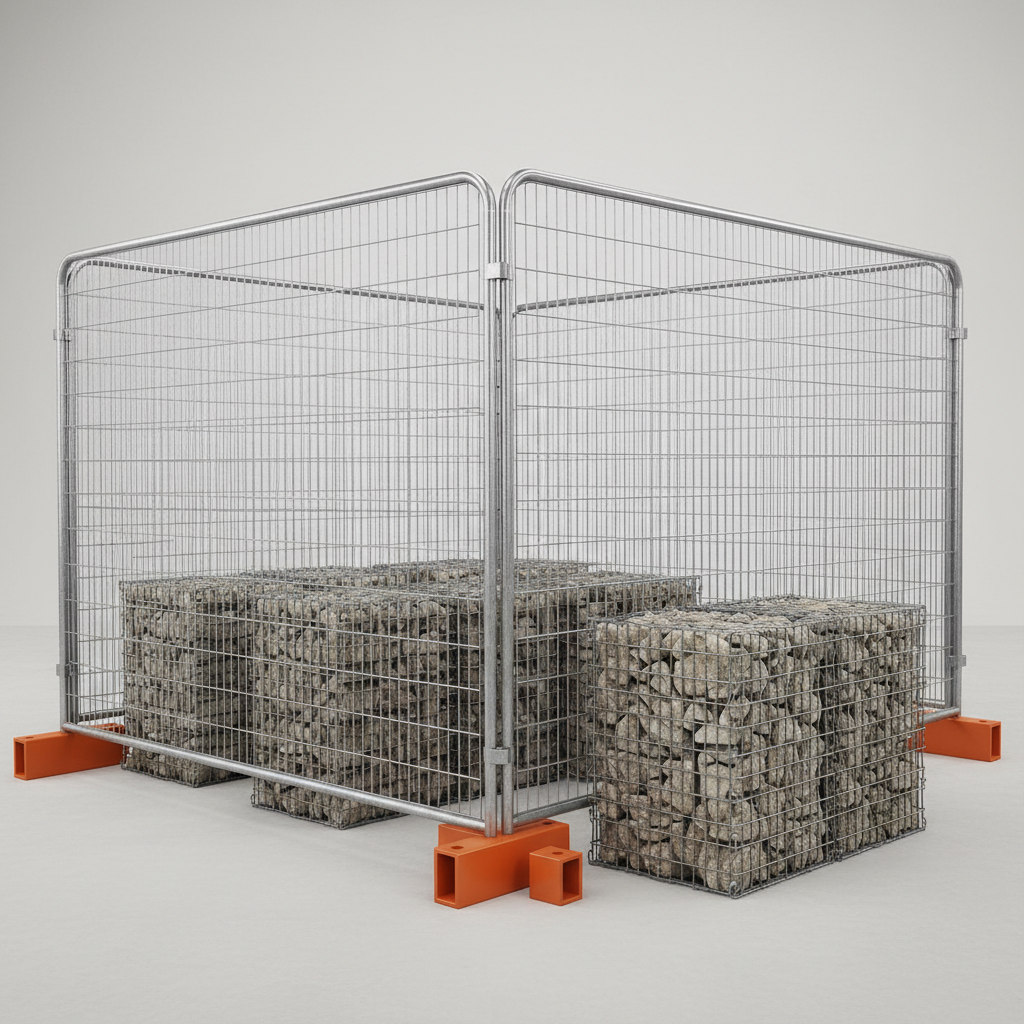
Temporary fencing is remarkably adaptable, making it ideal for various situations. Construction sites utilize it to secure perimeters, control access, and protect materials. Event organizers employ it for crowd management at concerts, festivals, and sporting events. It's also commonly used for swimming pool barriers, pet containment, and emergency response scenarios. The ease of installation and removal makes it a convenient solution compared to permanent fencing. Different materials like chain link, welded wire mesh, and plastic offer different levels of security and aesthetic appeal.
Key Highlights: Offers a portable and cost-effective security solution adaptable to diverse situations, including construction, events, and emergency response.
Common Types of Temporary Fencing
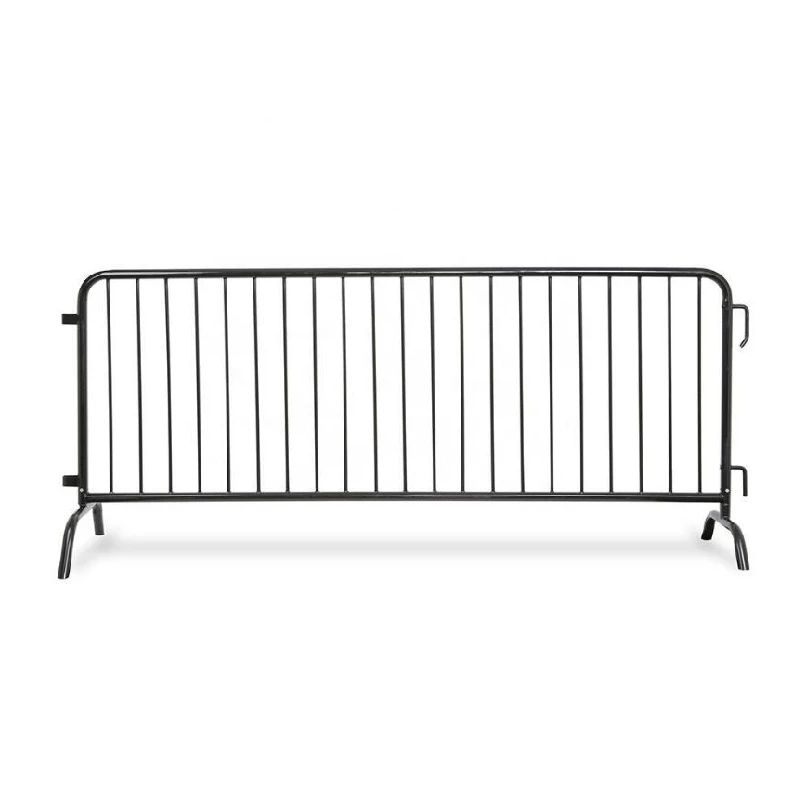
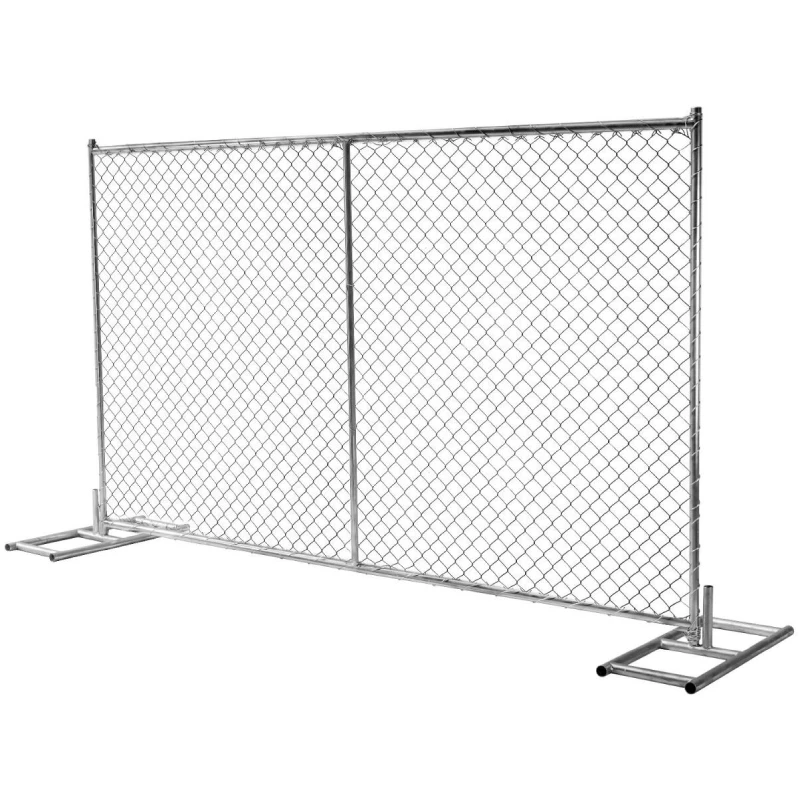
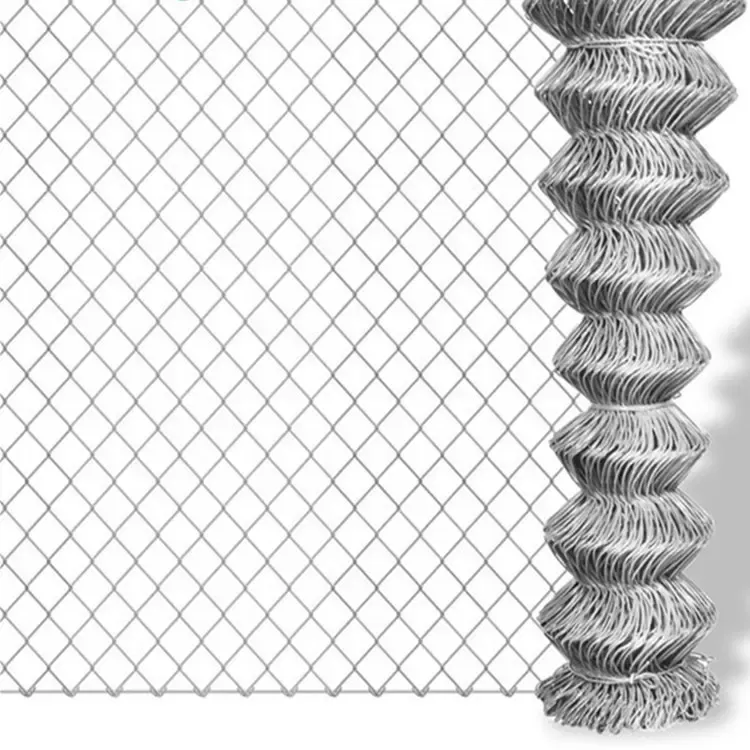
Several types of temporary fencing are available, each with its own advantages. Chain link fencing is a popular choice due to its durability and affordability. Welded wire mesh panels offer increased security and a more refined appearance. Crowd control barriers, typically made of plastic, are lightweight and easy to deploy for directing pedestrian traffic. Furthermore, temporary fencing can be customized with windscreen cloth for privacy or branding. Understanding the differences between these options allows you to select the most appropriate fencing for your specific application. Visit DQ Fences to explore the different styles and materials we offer.
Temporary Fence Options:
• Chain Link Fencing: Durable and affordable.
• Welded Wire Mesh: Enhanced security and appearance.
• Crowd Control Barriers: Lightweight for pedestrian direction.
• Plastic Fencing: Versatile and easy to install
Temporary Fence vs. Permanent Fence: A Comparison
Choosing between temporary and permanent fencing depends on your long-term needs. Permanent fencing offers greater durability and security but requires a significant investment and installation effort. Temporary fencing provides flexibility and cost-effectiveness, ideal for short-term projects or events. While permanent fencing adds value to a property, temporary fencing offers the advantage of being easily relocated as needed. Consider your budget, security requirements, and the duration of the fencing need when making your decision.
Factors to Consider When Choosing Temporary Fence
Selecting the right temporary fence involves considering several factors. The level of security needed is paramount – a construction site requires more robust fencing than a community event. The terrain also plays a role; uneven ground might necessitate fencing with adjustable feet. Budget constraints and the duration of use are also important considerations. Compliance with local regulations and safety standards is crucial. DQ Fences provides expert advice to help you navigate these factors and choose the optimal fencing solution.
Product Specifications and Dimensions
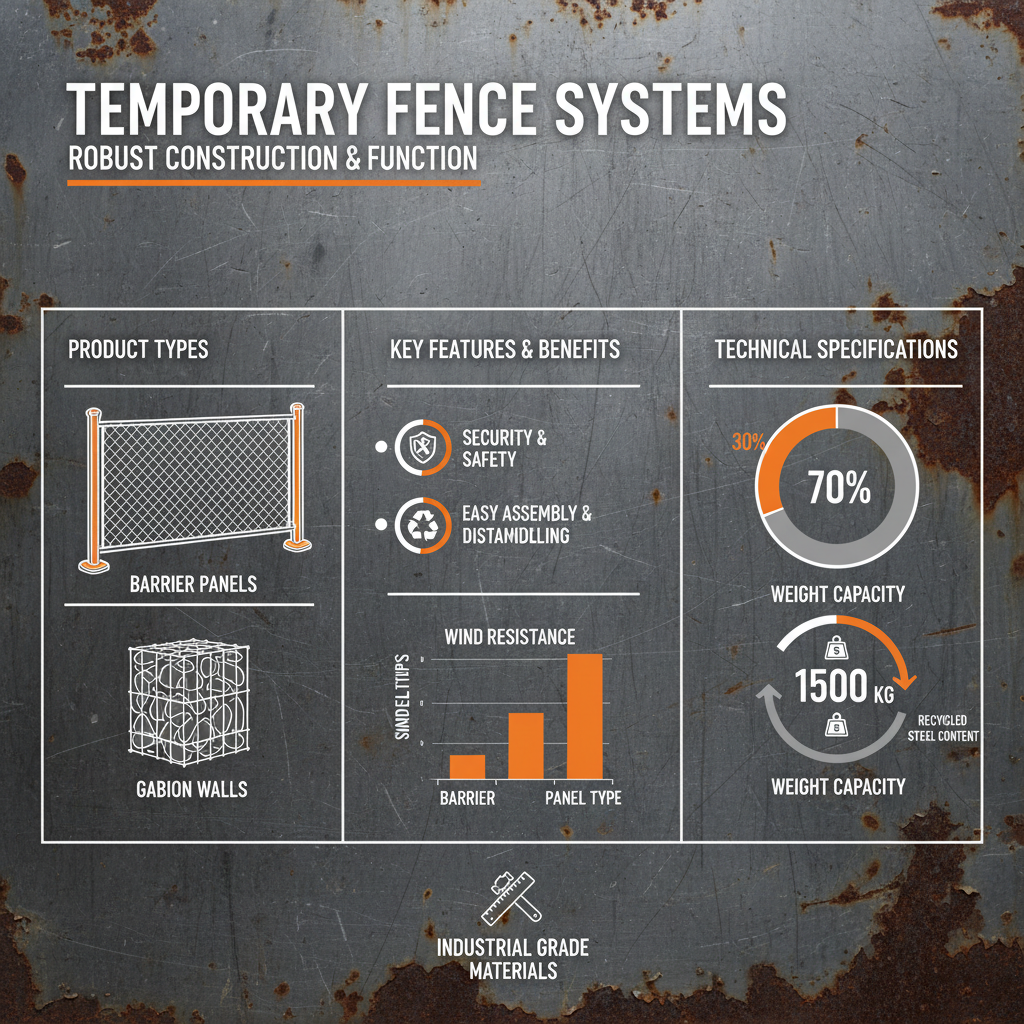
Understanding the specifications of temporary fencing is vital for ensuring it meets your requirements. Common panel sizes include 6ft x 8ft and 8ft x 10ft. The gauge of the wire affects the strength and durability of the fencing. Foot or stand options vary, including adjustable feet for uneven terrain. Gate widths are also a key consideration for accessibility. Here’s a quick overview of standard specifications:
Conclusion: Secure Your Site with the Right Temporary Fence
Choosing the right temporary fence is crucial for site security, event management, and overall safety. By considering your specific needs, budget, and local regulations, you can select a system that provides reliable protection and peace of mind. DQ Fences is committed to providing high-quality temporary fencing solutions and expert guidance to help you make the best choice.
Frequently Asked Questions (FAQs)
What is the typical rental duration for temporary fencing?
Rental durations for temporary fencing vary significantly depending on the project's needs. Short-term rentals can be as brief as a few days for events, while longer-term rentals for construction sites may span several months or even years. Most rental companies offer flexible terms, allowing you to adjust the rental period as your project evolves. It's important to discuss your anticipated timeline with the rental provider to ensure availability and secure the best possible rate.
Is installation included in the rental cost?
Installation costs can vary depending on the rental company and the complexity of the installation. Some companies include basic installation in the rental price, while others charge an additional fee. Factors that can affect installation costs include the site's accessibility, the terrain, and the length of the fencing required. It's crucial to clarify the installation fees upfront to avoid unexpected charges.
What safety measures should be taken when using temporary fencing?
Safety is paramount when using temporary fencing. Ensure the fencing is properly installed and stable, especially on uneven terrain. Use appropriate barricades and signage to clearly mark the perimeter and alert people to potential hazards. Regularly inspect the fencing for damage or weaknesses and address any issues promptly. Consider the use of windscreen cloth to improve visibility and prevent accidents. Always comply with local safety regulations and guidelines.
-
Ultimate Guide to Temp Fencing for Secure Site Management
NewsApr.16,2026
-
Professional Temporary Construction Fence Solutions and Guide
NewsApr.09,2026
-
Comprehensive Guide to Construction Fencing for Site Safety and Security
NewsApr.07,2026
-
Choosing the Right Portable Fence for Your Property and Needs
NewsApr.04,2026
-
DQ Fences Provides Superior Temporary Fence Bunnings Solutions Options
NewsMar.31,2026
-
Comprehensive Guide to Durable and Effective Temporary Fence Panels
NewsMar.28,2026