Temporary fence panels – they’re more than just metal mesh on legs, you know? After years walking construction sites, dealing with everything from residential builds to massive infrastructure projects, I’ve seen firsthand how crucial these things are. They're not glamorous, but a solid, reliable temporary fence can be the difference between a smooth-running operation and a complete logistical nightmare. It's about safety, security, and keeping projects on schedule. We’ve all been there – a delayed project because of perimeter issues, and it’s rarely a fun situation.
What really strikes me is how versatile they've become. They used to be pretty basic, a standard wire mesh panel that did the job, but not much more. Now, you’ve got options for different heights, weights, even specific coatings for different environments. They’re adapting to the demands of a more complex construction landscape, and that’s important. The rise of modular construction, for example, puts a bigger emphasis on secure, adaptable perimeter solutions.
Honestly, temporary fence panels are the unsung heroes of a lot of projects. Engineers focus on the steel and concrete, the architects on the design, but someone’s gotta think about controlling access, protecting materials, and keeping the public safe. And a good fence, properly installed, does all of that and more. It's a foundational element, quite literally.
The Importance of Temporary Fence Panels
Let’s be real, nobody thinks about the fence first. They think about the building, the road, the pipeline. But a secure perimeter is paramount, and that's where temporary fence panels shine. I’ve seen projects shut down for days because of security breaches or safety concerns linked to inadequate fencing. It's a surprisingly big deal, impacting timelines and budgets. From a practical standpoint, it's about protecting equipment, materials, and, most importantly, people. temporary fence panels are your first line of defense.
The demand is constant, driven by everything from residential construction to large-scale events. According to industry reports, the global temporary fencing market is expected to continue growing significantly in the coming years, fueled by infrastructure development and increased safety regulations. It's a solid market, because the need isn’t going away. If anything, it's getting more critical as projects become more complex and sites become more vulnerable.
Defining Temporary Fence Panels
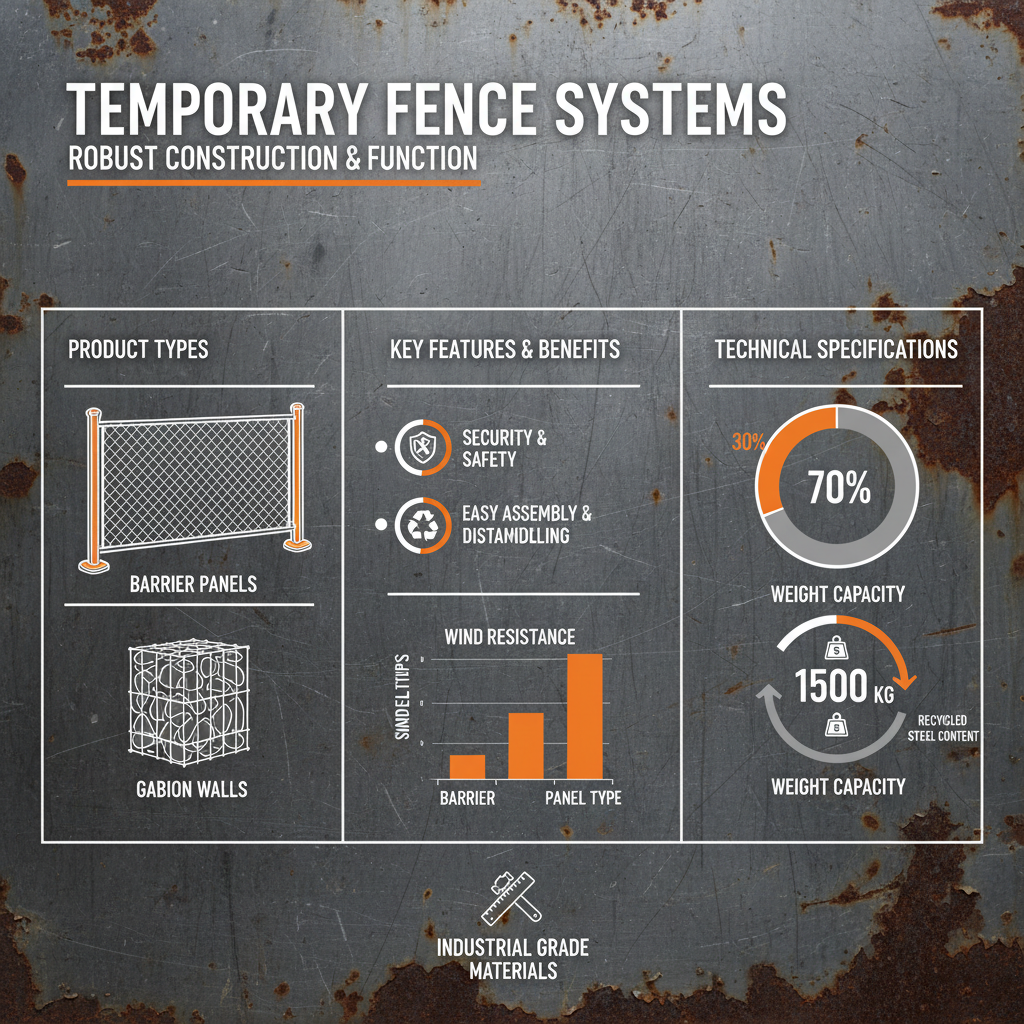
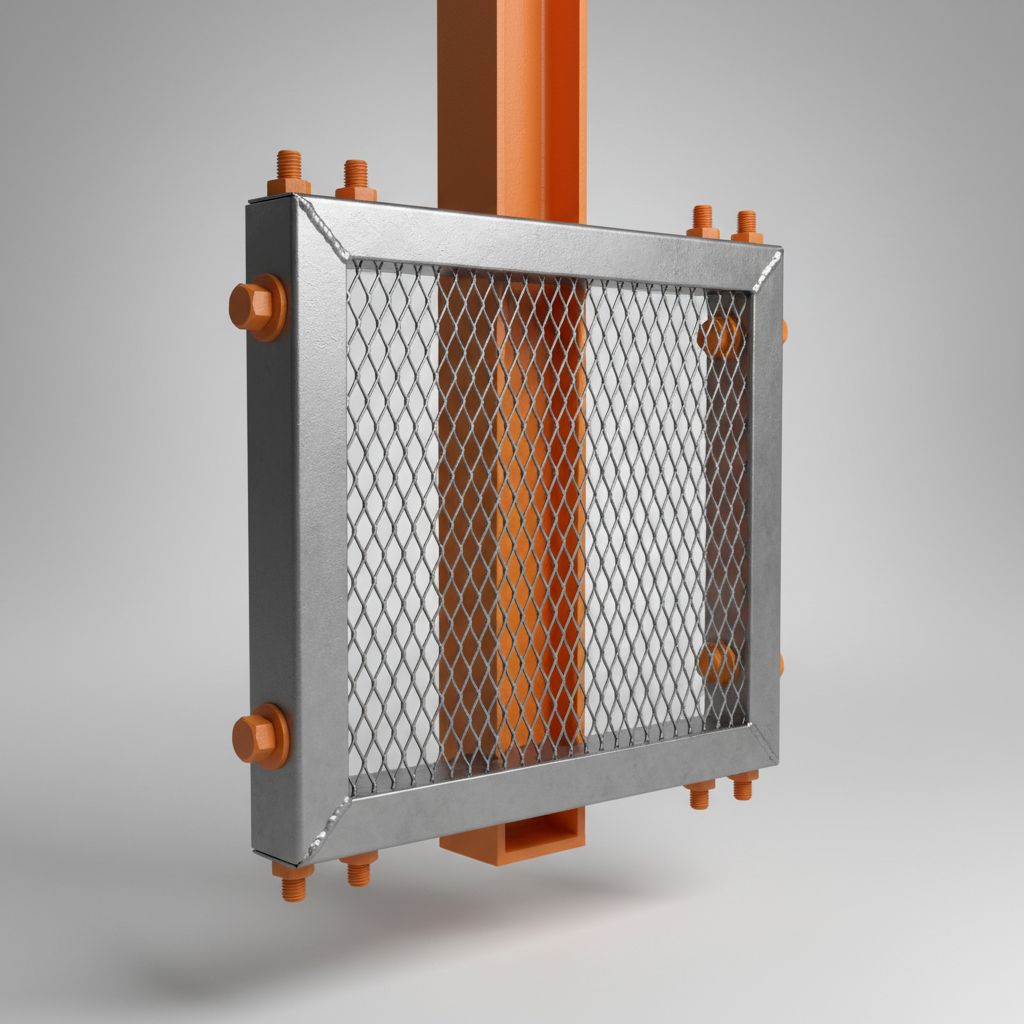
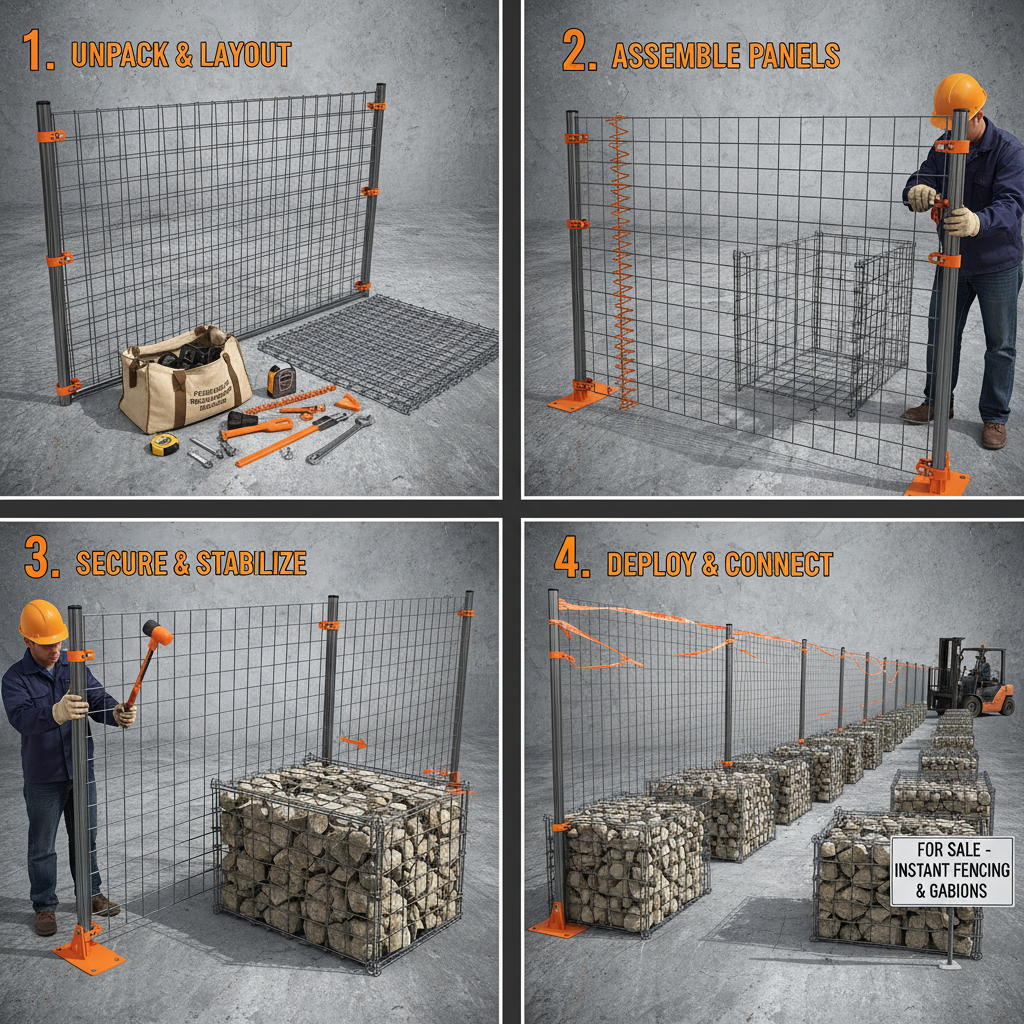
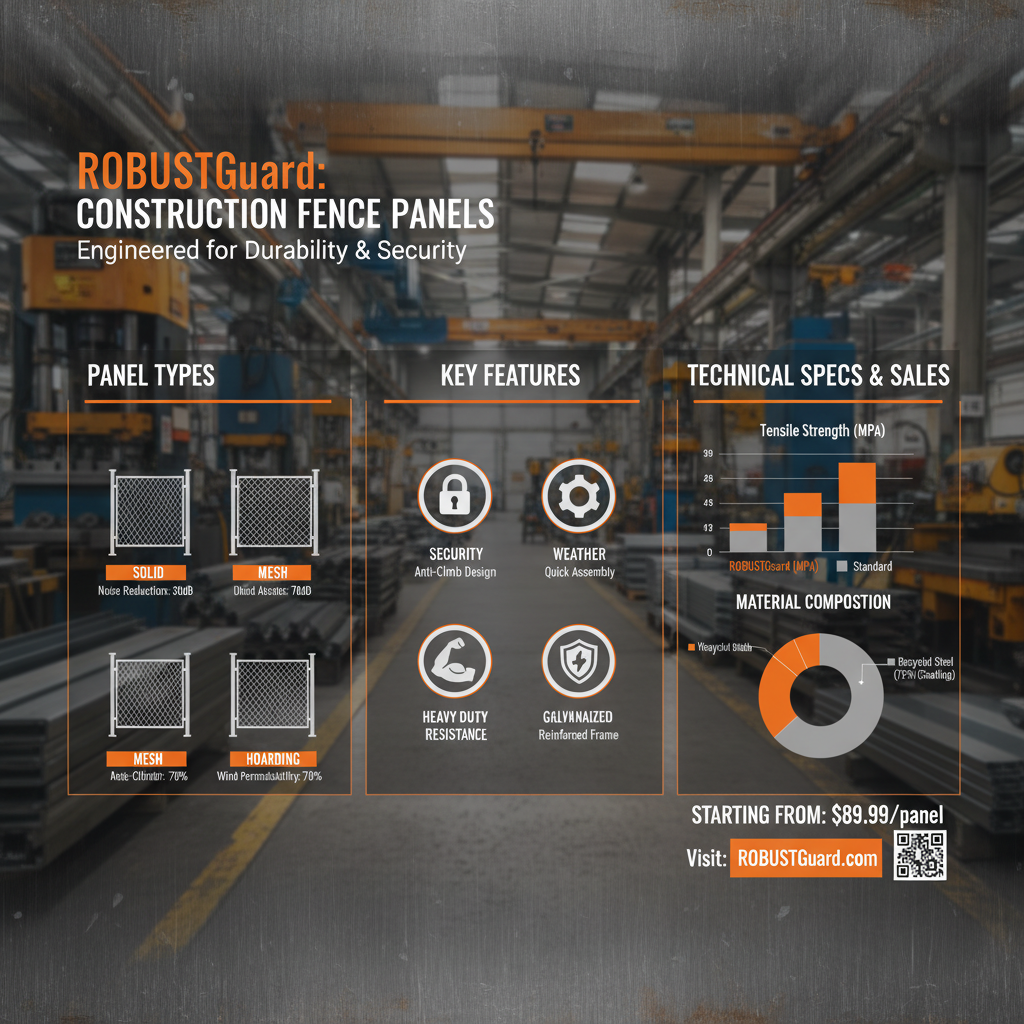
Simply put, temporary fence panels are portable, self-supporting fencing systems used to create a secure perimeter. They’re typically constructed from galvanized steel tubing welded together with mesh infill. But they’ve evolved a lot. You’re now seeing different mesh types – chain link, welded wire, even privacy screens – and different base options to suit varying terrain. It’s not just about keeping people out; it's about controlling access, defining boundaries, and managing traffic flow.
The beauty of these systems is their adaptability. They’re designed to be easily installed and removed, making them ideal for projects where the perimeter needs to change frequently. Think road closures, event staging, or phased construction projects. It's a far cry from pouring a permanent concrete fence! They address a fundamental need in modern industry – the need for flexible, cost-effective security solutions.
And it's not just construction. They’re vital for event management, crowd control, and even disaster relief. After a hurricane or earthquake, for example, these panels are used to secure affected areas and protect emergency personnel. They really are a versatile tool with applications far beyond the construction site.
Key Factors of Effective Temporary Fencing
Durability is number one, plain and simple. These panels take a beating, from weather to accidental impacts. A flimsy fence is a waste of money. You need something that can withstand the elements and hold up to the rigors of a busy construction site. Galvanization is key here, preventing rust and corrosion. temporary fence panels need to be built to last.
Scalability is also critical. You need a system that can easily adapt to changing project needs. That means panels that can be connected together seamlessly, and base options that can accommodate uneven ground. Being able to adjust the perimeter quickly and efficiently saves time and money. You don’t want to be constantly re-engineering your fencing solution.
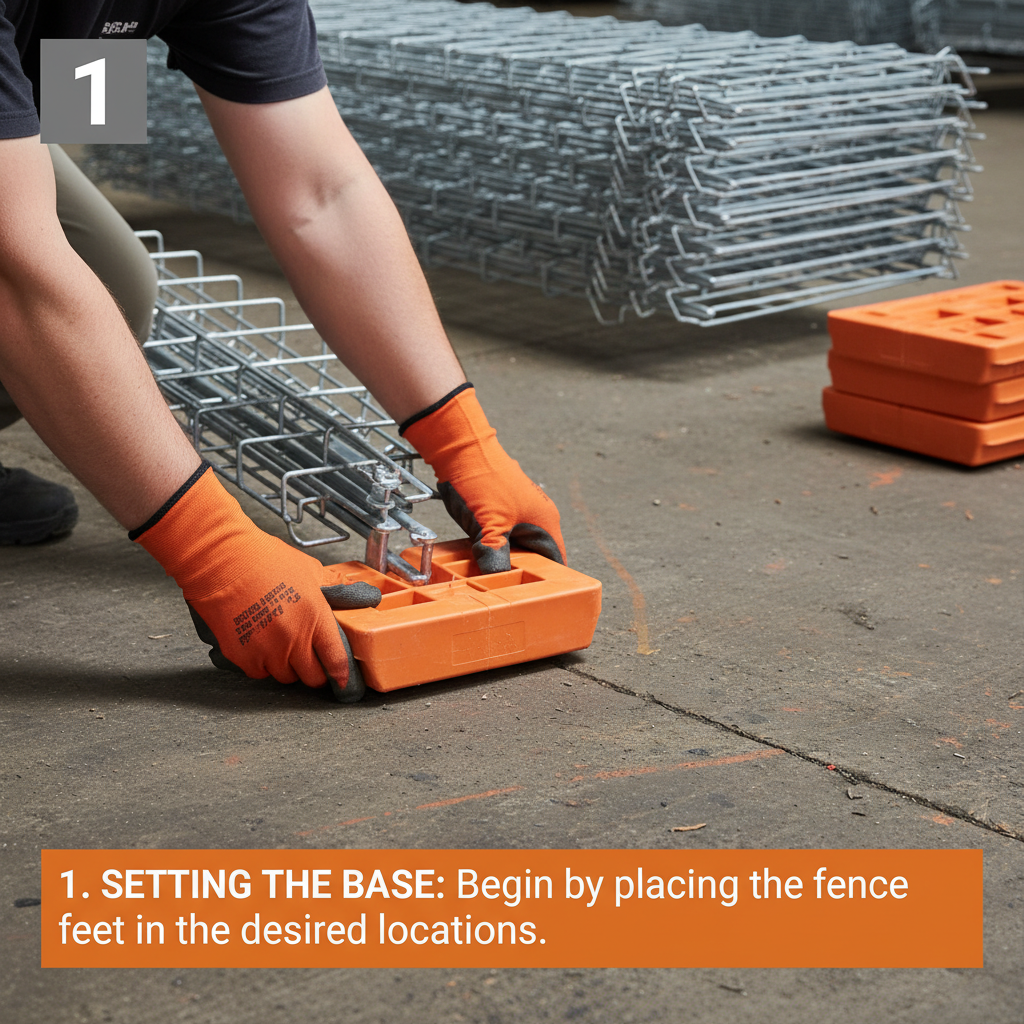
Stability is often overlooked. A wobbly fence isn't a secure fence. The base system is just as important as the panels themselves. You need a solid foundation, especially in windy conditions or on sloping terrain. Proper bracing and weighting are essential to prevent panels from tipping over.
Applications Across Industries
Construction is the obvious one, but don’t limit your thinking. I’ve seen these panels used at everything from music festivals to sporting events. Anywhere you need to control access and secure a perimeter, they’re a viable solution. Oil and gas sites use them extensively, protecting sensitive equipment and preventing unauthorized access.
Mining operations rely on them to delineate work zones and ensure worker safety. They’re also crucial for demolition projects, keeping the public away from hazardous areas. Emergency responders use them to create secure staging areas during disaster relief efforts.
Temporary Fence Panel Application Ratings
Advantages and Long-Term Value
Cost-effectiveness is a huge factor. Compared to permanent fencing, temporary panels are significantly cheaper, especially for short-term projects. They also save on labor costs, as they’re relatively easy to install and remove. Plus, you avoid the permitting headaches associated with permanent structures.
From a safety standpoint, they create a clear visual barrier, reducing the risk of accidents and unauthorized access. A well-maintained fence sends a message – this area is secure, proceed with caution. That’s a powerful deterrent. And they’re reusable, which contributes to sustainability and reduces waste.
Future Trends in Temporary Fence Panels
I’m seeing a growing demand for smarter fencing solutions. Things like integrated access control systems – card readers, biometric scanners – are becoming more common, especially on high-security sites. We're also seeing more use of technology for remote monitoring, with sensors that can detect breaches or damage.
There’s also a focus on sustainability. Manufacturers are exploring more eco-friendly materials and coatings. And the modular design of temporary fences lends itself well to recycling and reuse, reducing environmental impact. The trend is towards more sophisticated, sustainable, and adaptable perimeter security solutions.
Challenges and Solutions
One of the biggest challenges is theft. Panels and bases can be targeted by thieves, especially on unattended sites. Solutions include using more robust locking mechanisms, implementing security patrols, and utilizing GPS tracking devices. It's an unfortunate reality, but you need to be proactive.
Another issue is proper installation. A poorly installed fence is a safety hazard. Training and certification for installers are essential. And ensuring that the base system is properly secured is crucial, especially on uneven ground.
Finally, maintaining the panels – repairing damage, replacing missing components – is an ongoing task. A preventative maintenance program can help extend the lifespan of the fencing system and minimize downtime.
Summary of Common Temporary Fence Panel Challenges and Solutions
| Challenge |
Impact on Project |
Recommended Solution |
Implementation Cost (1-10) |
| Theft of Panels/Bases |
Project Delays, Security Breach |
Robust Locks, Security Patrols, GPS Tracking |
6 |
| Improper Installation |
Safety Hazards, Reduced Security |
Certified Installers, Training Programs |
7 |
| Panel Damage (Weather, Impact) |
Compromised Perimeter, Repair Costs |
Durable Materials, Regular Inspections |
4 |
| Uneven Terrain Challenges |
Instability, Potential for Collapse |
Adjustable Bases, Proper Bracing |
5 |
| Lack of Maintenance |
Reduced Lifespan, Increased Repair Costs |
Preventative Maintenance Program |
3 |
| Vandalism |
Security Breach, Repair/Replacement Costs |
Increased Security Presence, Robust Panel Construction |
6 |
FAQS
The lifespan really depends on the quality of the materials and how well it's maintained. A galvanized steel panel, properly stored and cared for, can easily last 5-10 years with regular use. However, neglect – leaving it exposed to the elements without proper cleaning or repair – will significantly shorten its lifespan. It's an investment, and like any equipment, it needs looking after.
That depends on the level of security you need and the nature of the site. A standard 6-foot fence is common for most construction sites, providing a good balance of security and visibility. However, for higher-risk areas or sites with a history of trespassers, you might consider an 8-foot fence. Also, consider local regulations – some jurisdictions have specific height requirements for temporary fencing.
Adjustable bases are your best bet. They allow you to level the panels even on sloping ground. Concrete-filled bases provide excellent stability, but they're heavier and more difficult to move. Plastic bases are lighter and more portable, but they're not as stable. It really comes down to the specific terrain and the level of security you need. For very challenging terrain, consider using a combination of bases and bracing.
Absolutely. OSHA has specific guidelines regarding temporary fencing on construction sites, focusing on fall protection and preventing unauthorized access. You need to ensure the fence is properly installed, that there are no gaps or weak points, and that it’s clearly marked with warning signs. Local regulations may also apply, so it’s crucial to check with your local authorities before installation.
Unfortunately, theft is a reality. Using robust locking mechanisms on the panels and bases is a good start. Consider installing security cameras or hiring security patrols, especially on larger sites. Marking the panels with your company’s name or logo can also deter theft and make them easier to identify if they are stolen. GPS tracking devices are also becoming a popular option.
Look for manufacturers who use recycled materials or offer powder-coating options, which are more environmentally friendly than traditional painting. Proper disposal of damaged panels is also important. Many companies offer recycling programs for temporary fencing. Finally, consider the longevity of the panels – a durable, long-lasting panel reduces the need for frequent replacements, minimizing waste.
Conclusion
Temporary fence panels are far more than just a simple barrier. They’re a critical component of safety, security, and project management across a wide range of industries. They offer a cost-effective, adaptable, and reusable solution to perimeter control, and their importance is only growing as projects become more complex and regulations become more stringent. Understanding their key factors, applications, and future trends is essential for anyone involved in construction, event management, or emergency response.
Investing in quality temporary fence panels, proper installation, and ongoing maintenance is a smart move that can save you time, money, and headaches in the long run. Don’t underestimate the value of a secure perimeter. It's a foundational element of any successful project. For reliable, durable, and adaptable temporary fencing solutions, visit our website: www.dqfences.com.