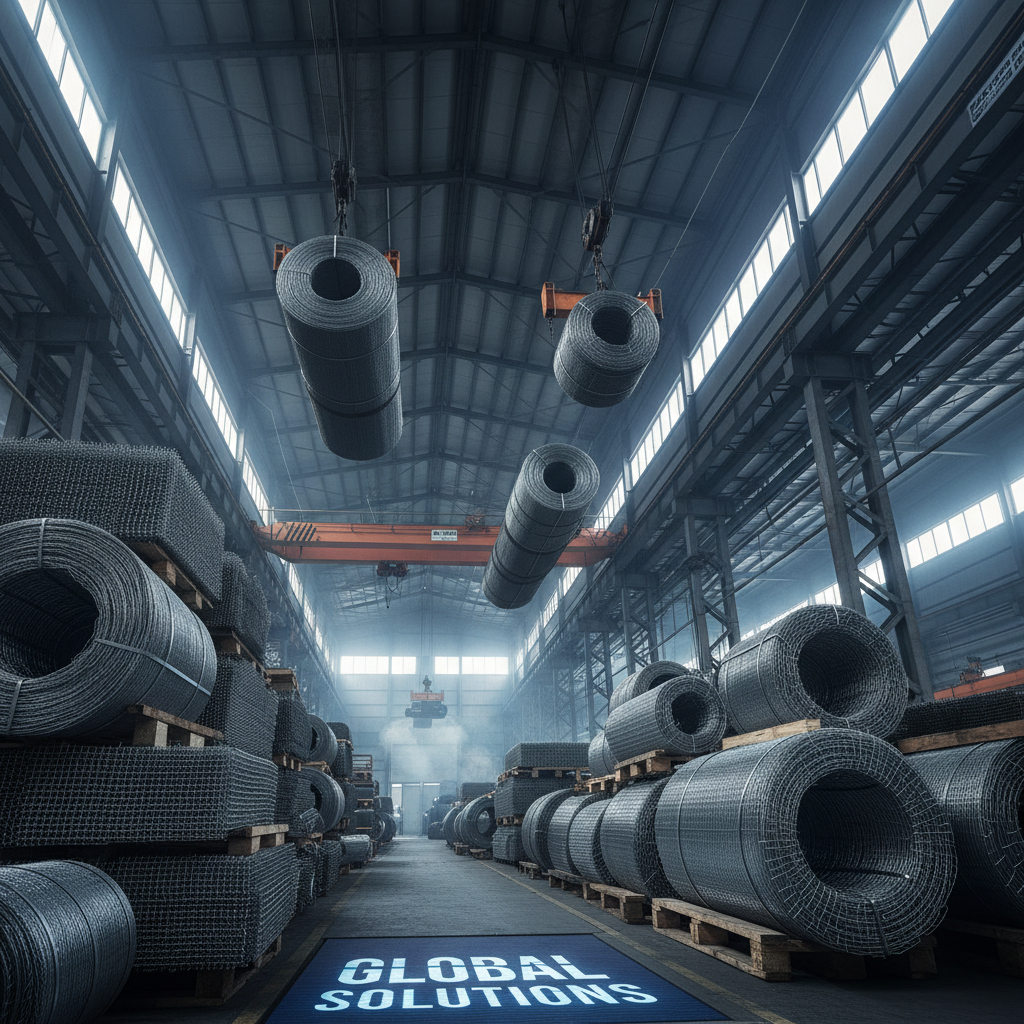
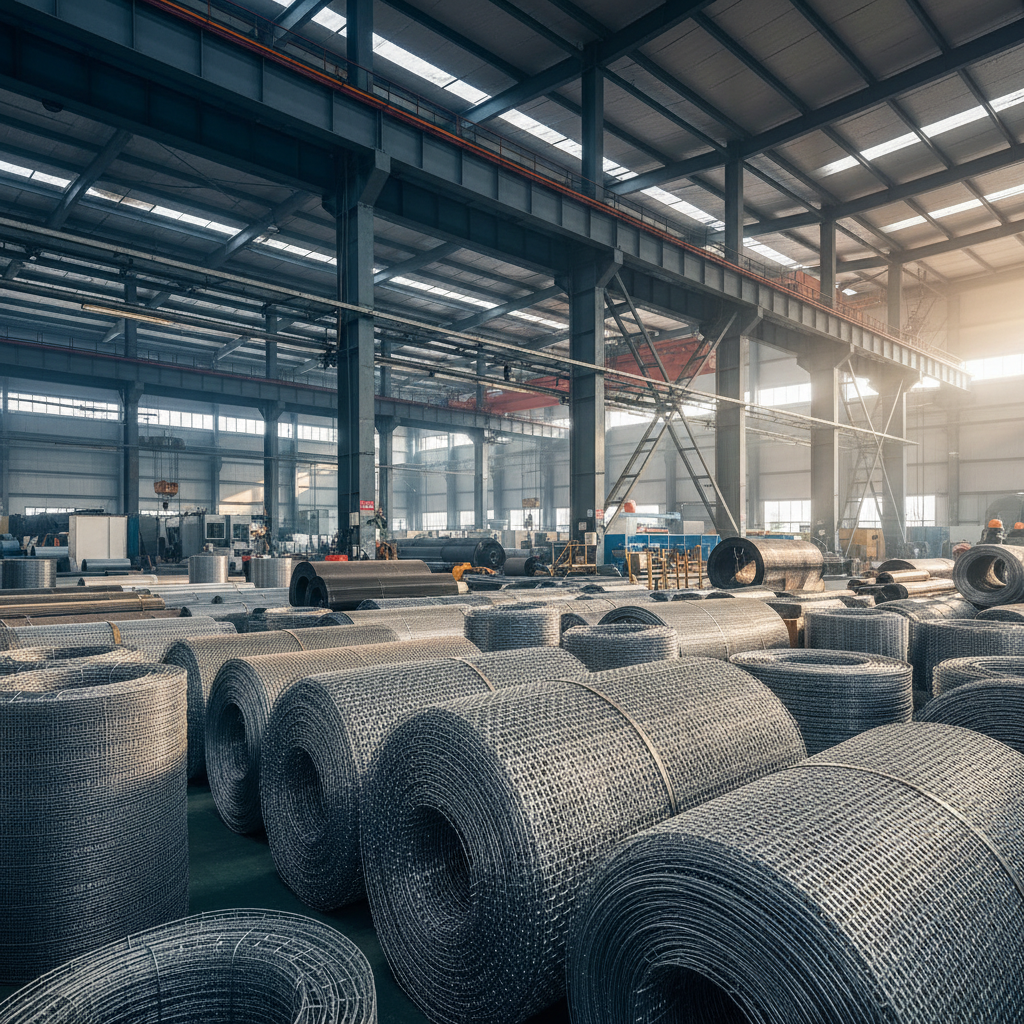
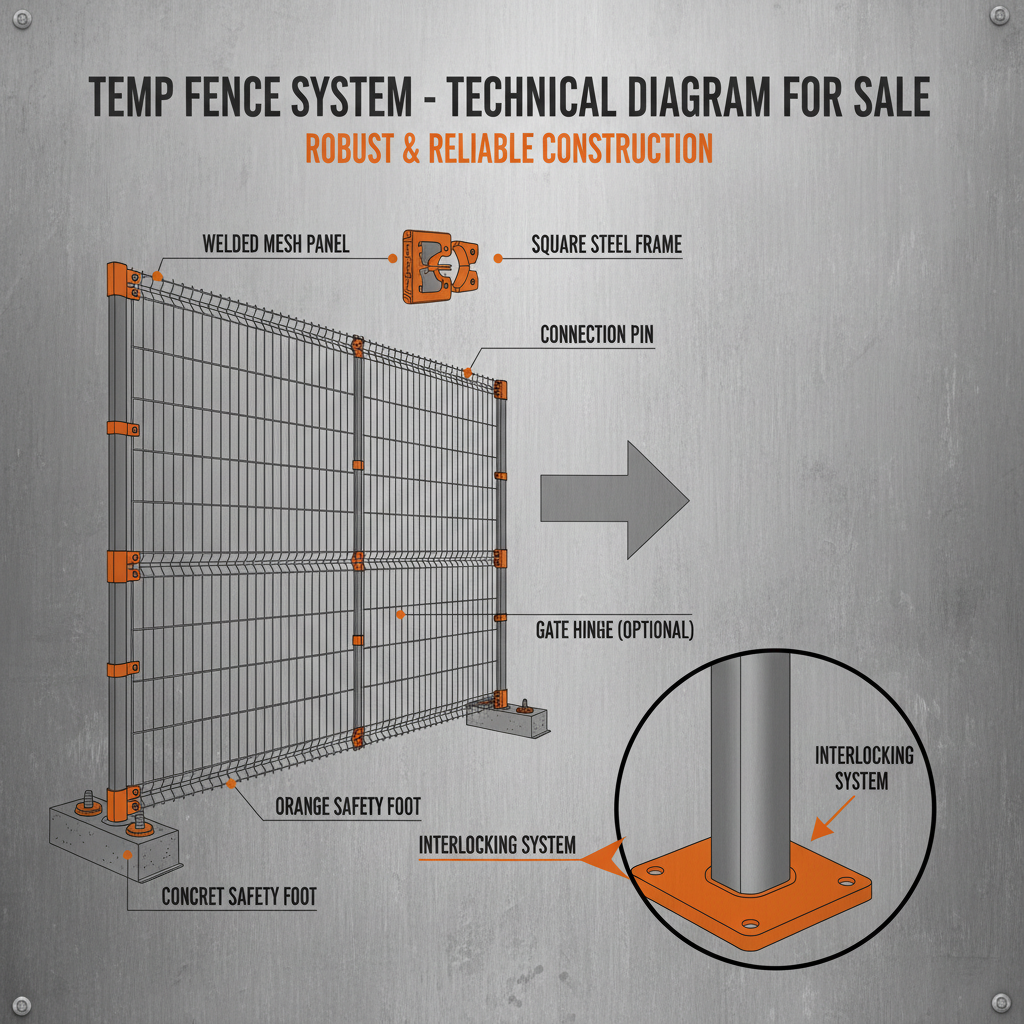
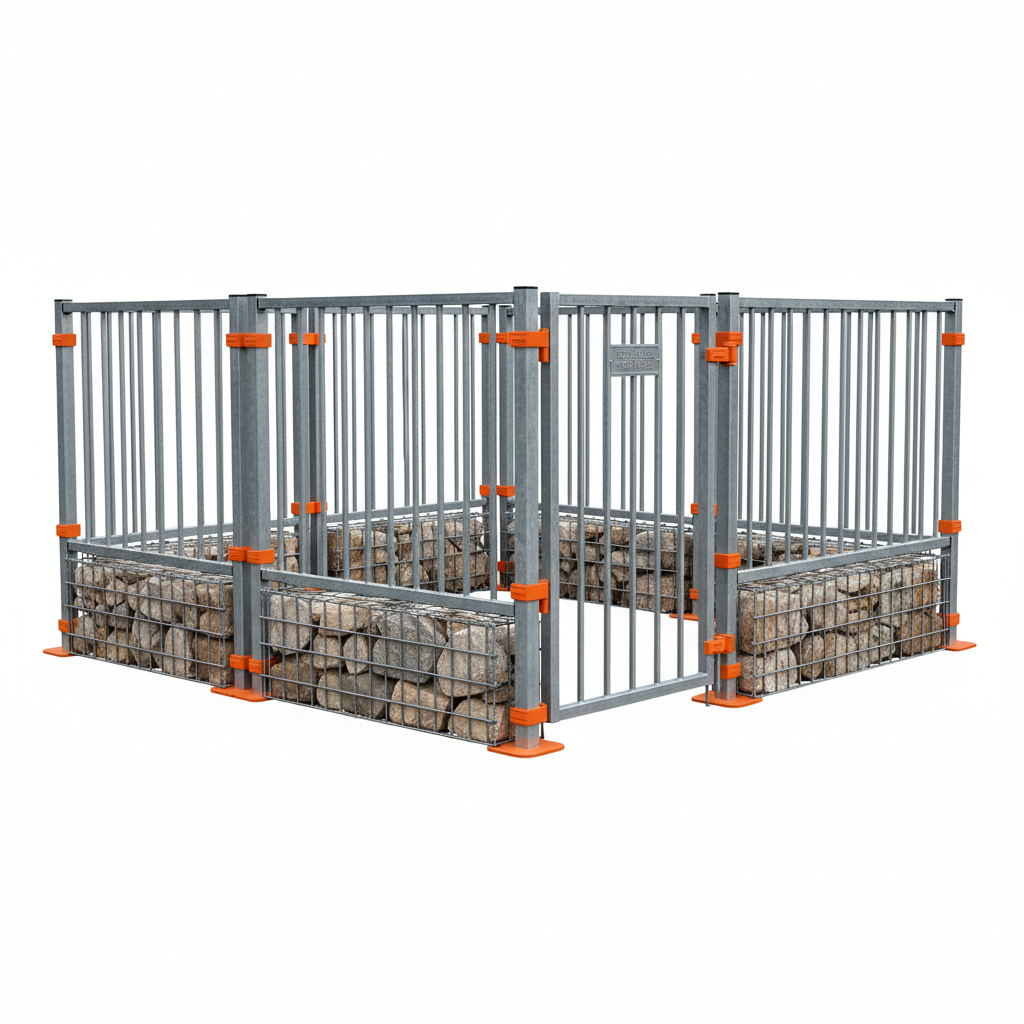
Different types of wire mesh are integral to modern infrastructure, security, and various industrial applications worldwide. From simple fencing to complex filtration systems, the versatility of wire mesh stems from its customizable properties and relatively low cost. Understanding the nuances of these different types – their materials, weave patterns, and coatings – is crucial for selecting the optimal solution for specific needs, leading to enhanced performance, durability, and cost-effectiveness.
Globally, the demand for wire mesh is driven by factors like urbanization, infrastructure development, and increasing security concerns. The UN estimates that over half the world's population lives in urban areas, necessitating robust infrastructure and safety measures. This growth fuels the need for wire mesh in construction, transportation, and public safety applications. Furthermore, the wire mesh industry directly impacts sectors such as agriculture, mining, and environmental protection, providing solutions for animal containment, mineral processing, and water filtration.
The increasing need for efficient and durable materials in a rapidly changing world makes a thorough understanding of different types of wire mesh more important than ever. This knowledge empowers engineers, architects, and procurement specialists to make informed decisions, contributing to safer, more sustainable, and more resilient infrastructure and industries.
The Importance of Understanding Different Types of Wire Mesh
Understanding the diverse range of different types of wire mesh available is essential for achieving optimal results in any application. Factors like material composition (stainless steel, galvanized steel, aluminum, etc.), mesh size, weave pattern (plain, twill, dutch), and coatings all significantly impact the performance characteristics of the mesh. Choosing the wrong type can lead to premature failure, increased maintenance costs, and compromised safety.
The core benefit of proper wire mesh selection lies in maximizing efficiency and minimizing long-term expenses. For instance, in corrosive environments, opting for a stainless steel or PVC-coated wire mesh over a standard galvanized option will dramatically extend the lifespan and reduce the need for frequent replacements. Similarly, selecting the appropriate mesh size is critical for filtration processes, ensuring optimal flow rates and contaminant removal.
Global Relevance and Industry Context
The wire mesh industry plays a critical role in supporting numerous sectors globally. Construction relies heavily on wire mesh for reinforcing concrete, creating safety barriers, and providing structural support. Agriculture utilizes it for fencing, poultry netting, and crop protection. The mining industry employs wire mesh for screening, separation, and safety applications, while the automotive industry uses it in filters, mufflers, and safety components.
According to a report by Grand View Research, the global wire mesh market size was valued at USD 49.87 billion in 2022 and is projected to reach USD 70.14 billion by 2030, exhibiting a CAGR of 4.2% from 2023 to 2030. This growth is driven by increasing demand from end-use industries and the development of innovative wire mesh solutions. Furthermore, evolving building codes and safety regulations are contributing to the demand for high-quality wire mesh products.
The challenge often lies in navigating the sheer variety of options and selecting the best solution for a specific application. Globalization has also increased the complexity of supply chains, requiring businesses to carefully vet suppliers and ensure consistent quality. Successfully addressing these challenges requires a deep understanding of different types of wire mesh and their respective properties.
Defining Different Types of Wire Mesh
Different types of wire mesh are broadly defined by their material composition, weaving method, and aperture size. Materials range from carbon steel (often galvanized for corrosion resistance) to stainless steel, aluminum, copper, and even specialized alloys. Weaving methods include plain weave, twill weave, Dutch weave, and reverse Dutch weave, each offering unique characteristics in terms of strength, flexibility, and filtration capabilities. Aperture size, or mesh count, refers to the number of openings per inch and dictates the size of particles that can pass through the mesh.
Wire mesh is intrinsically linked to modern industry and humanitarian needs. In industrial settings, it's crucial for filtration, separation, and protection. For example, stainless steel wire mesh is used extensively in food processing facilities due to its hygienic properties and resistance to corrosion. In humanitarian efforts, wire mesh serves vital roles in creating temporary shelters, providing sanitation solutions, and facilitating water purification in disaster-stricken areas.
The selection of the appropriate mesh type depends heavily on the intended application. A heavy-duty galvanized steel mesh might be ideal for security fencing, while a fine-gauge stainless steel mesh is more suitable for pharmaceutical filtration. Understanding these distinctions is paramount for ensuring optimal performance and longevity.
Key Factors Influencing Wire Mesh Selection
Several critical factors guide the selection process for different types of wire mesh. Firstly, Durability is paramount, especially in harsh environments. Material choice and coating play a significant role here, with stainless steel and PVC coatings offering superior resistance to corrosion and wear. Secondly, Aperture Size dictates the mesh's filtration or separation capabilities. Selecting the correct aperture ensures efficient performance and prevents clogging.
Tensile Strength is another crucial consideration, especially for applications involving high stress or heavy loads. The weave pattern significantly impacts tensile strength, with twill weaves generally offering higher strength than plain weaves. Corrosion Resistance, as previously mentioned, is vital in environments exposed to moisture, chemicals, or saltwater. Finally, Cost-Effectiveness is always a factor, requiring a balance between performance requirements and budget constraints.
Comparison of Different Types of Wire Mesh
Global Applications & Use Cases
Different types of wire mesh find applications across a vast spectrum of industries. In construction, reinforced concrete uses welded wire mesh to enhance strength and prevent cracking. Security applications rely on chain-link fencing and woven wire mesh for perimeter protection. The agricultural sector employs wire mesh for animal containment, crop protection, and greenhouse construction.
In post-disaster relief operations, wire mesh is frequently used for constructing temporary shelters, creating sanitation facilities, and providing emergency filtration systems. In remote industrial zones, it supports mining operations with screening and separation equipment. The automotive industry employs wire mesh in filters, mufflers, and catalytic converters. Moreover, the pharmaceutical and food processing industries rely on high-precision wire mesh for filtration and sterilization processes.
Advantages and Long-Term Value
The advantages of utilizing the correct different types of wire mesh are multi-faceted. Cost-effectiveness is a primary benefit, as properly selected mesh reduces maintenance and replacement frequency. Sustainability is enhanced by using durable materials and reducing waste. Social impact is significant, particularly in applications like disaster relief and sanitation. Reliability is assured through proper material selection and manufacturing processes.
Beyond the tangible benefits, wire mesh contributes to a sense of security and safety, fosters innovation in various industries, and builds trust in the quality and longevity of infrastructure. Investing in high-quality wire mesh solutions translates to long-term cost savings, improved performance, and enhanced resilience against environmental and operational challenges.
Future Trends and Innovations in Wire Mesh Technology
The future of different types of wire mesh is driven by innovation in materials science, manufacturing techniques, and digital integration. Nanomaterials and advanced alloys are being explored to enhance strength, corrosion resistance, and filtration capabilities. Automation and robotic welding are improving production efficiency and precision.
Smart wire mesh embedded with sensors is emerging as a promising technology for structural health monitoring and real-time data collection. This allows for proactive maintenance and prevents catastrophic failures. Furthermore, increasing emphasis on sustainability is driving the development of recyclable wire mesh materials and eco-friendly manufacturing processes. The integration of digital twin technology is also enabling virtual prototyping and performance simulation, optimizing wire mesh design for specific applications.
The convergence of these trends promises to unlock new possibilities for wire mesh applications in industries ranging from aerospace and defense to healthcare and environmental remediation.
Summary of Factors Influencing Wire Mesh Durability
| Material Type |
Weave Pattern |
Coating Type |
Environmental Exposure |
| Stainless Steel (304) |
Plain Weave |
None |
Mild Climate |
| Galvanized Steel |
Twill Weave |
PVC Coating |
Coastal Environment |
| Aluminum |
Dutch Weave |
Anodized |
Industrial Atmosphere |
| Copper |
Plain Weave |
None |
Dry Climate |
| Monel |
Twill Weave |
None |
Marine Environment |
| Titanium |
Reverse Dutch Weave |
Passivated |
Highly Corrosive Environment |
FAQS
Galvanized steel wire mesh is coated with zinc to protect against corrosion, making it a cost-effective option for general-purpose applications. However, the zinc coating can wear away over time, exposing the steel to rust. Stainless steel wire mesh, particularly grades 304 and 316, offers superior corrosion resistance due to its chromium content, making it ideal for harsh environments and applications requiring long-term durability, although it is generally more expensive.
Selecting the correct mesh size for filtration depends on the size of the particles you need to remove. Mesh size is measured in mesh count – the number of openings per inch. A higher mesh count indicates smaller openings. Consider the particle size distribution of the material you are filtering. You should choose a mesh size slightly smaller than the smallest particle you want to retain to ensure efficient filtration. It’s also important to factor in potential clogging and pressure drop.
Plain weave is the simplest and most common weave pattern, where the warp and weft wires alternate over and under each other. It's known for its stability and relatively low cost. Twill weave, on the other hand, has a diagonal pattern, resulting in a more flexible and drapable mesh with higher strength and durability. Twill weave is often preferred for applications requiring greater load-bearing capacity.
Verify that the wire mesh supplier adheres to recognized industry standards such as ISO 9001. Request material certifications and testing reports to confirm the composition and properties of the mesh. Inspect the mesh visually for any defects, such as broken wires or inconsistent weave patterns. Consider working with a reputable supplier with a proven track record of providing high-quality products.
Yes, many wire mesh manufacturers offer customization services. You can request specific dimensions, shapes, and edge finishes to meet your exact requirements. This may involve cutting, bending, welding, or forming the mesh. Providing detailed specifications and drawings will ensure the final product meets your expectations. Customization is particularly useful for specialized applications where standard sizes are not sufficient.
Store wire mesh in a dry, well-ventilated area to prevent corrosion and mildew growth. Protect it from direct sunlight and extreme temperatures. If storing multiple rolls, stack them properly to avoid crushing or deforming the mesh. For stainless steel mesh, avoid contact with carbon steel to prevent galvanic corrosion. Consider using protective packaging or coverings to shield the mesh from dust and debris.
Conclusion
In conclusion, understanding the diverse range of different types of wire mesh is fundamental to success across a multitude of industries. From material selection and weave patterns to aperture size and coatings, each factor plays a crucial role in determining the mesh's performance, durability, and cost-effectiveness. By carefully considering these factors and staying abreast of emerging trends, businesses can optimize their wire mesh solutions for long-term success.
Looking ahead, continued innovation in materials science and manufacturing processes will drive the development of even more advanced and sustainable wire mesh solutions. Embracing these advancements and prioritizing quality and reliability will be key to unlocking new possibilities and addressing the evolving challenges of a rapidly changing world. For all your wire mesh needs, visit our website: www.dqfences.com.