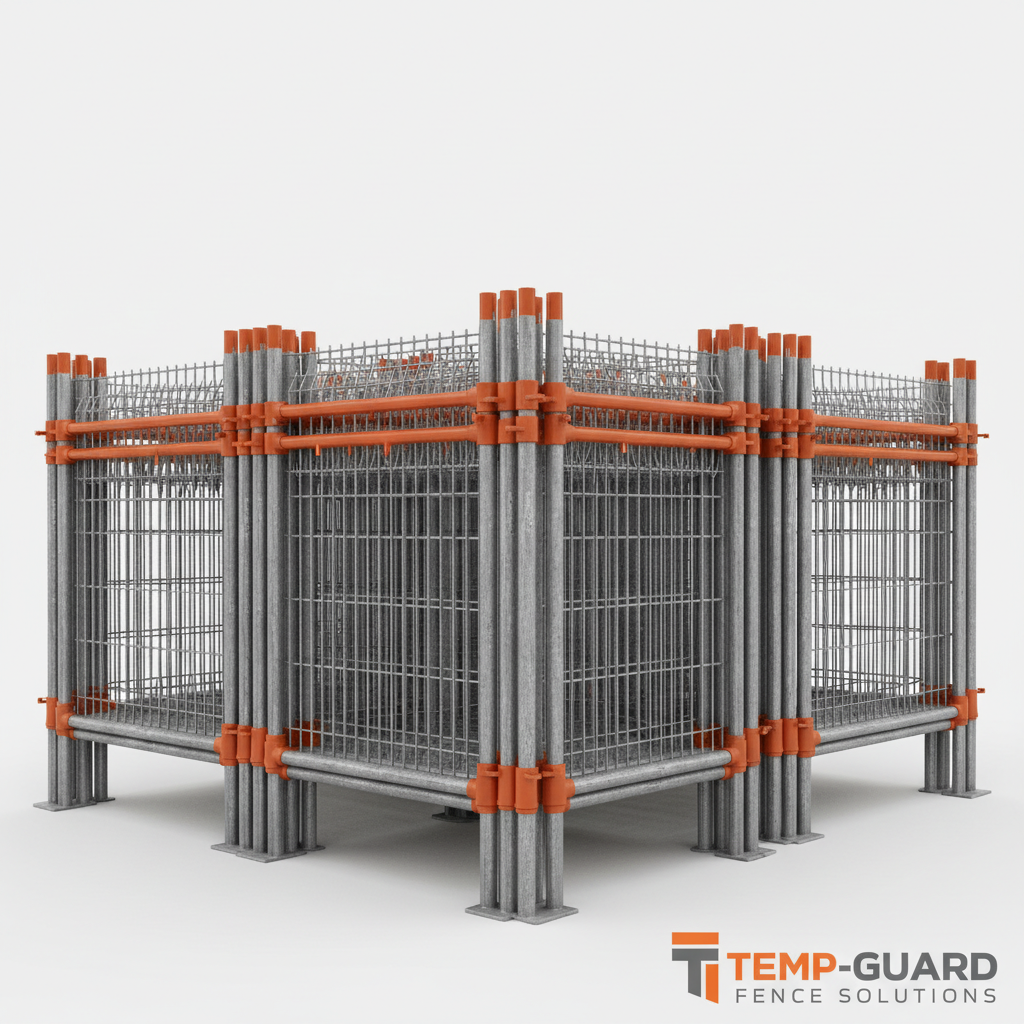
Look, wholesale wire mesh… it’s not exactly glamorous, is it? But honestly, it’s the backbone of a lot of what gets built. Been seeing a real push lately for lighter-gauge, high-tensile stuff. Everyone's chasing weight savings, especially in construction and agricultural fencing. Seems like every other spec sheet now has “galvanized after weld” plastered all over it. It's supposed to be better corrosion resistance, and it mostly is, but… you really gotta check the zinc coating thickness. I encountered a batch at the Qingdao factory last time that looked good on paper, but felt kinda thin when you handled it. Smelled a little off too, like they skimped on the galvanizing process. You get what you pay for, right?
One thing I've noticed is how many designs get bogged down in the details and forget about practicality. Take those fancy architectural mesh panels, for example. Beautiful to look at in the brochure, but try getting a panel perfectly flat on an uneven wall… it’s a nightmare. Always think about installation. Always. And don't even get me started on trying to cut some of that stainless steel mesh with anything other than a dedicated abrasive blade. Seriously, don’t bother.
We use a lot of different materials, obviously. The standard galvanized steel is still king for cost, but you're seeing more stainless 304 and 316, especially for coastal projects. That 316… smells kinda metallic, doesn’t it? Always reminds me of shipyards. And then there’s the PVC-coated stuff. That stuff's…well, it’s plasticky. Feels cheap, but it holds up surprisingly well in harsh environments. The trick with PVC is to make sure the coating is thick enough. A thin coating just peels and flakes after a few seasons.
Industry Trends and Design Pitfalls
To be honest, the biggest trend right now is sustainability. Everyone wants "green" materials. But "green" doesn't always mean cheap, you know? And a lot of times, the supposedly eco-friendly options just don’t hold up as well in the field. People are also obsessed with automation in fabrication. Which is fine, in theory, but it can lead to some pretty rigid designs. Strangely, I've seen a few projects where they optimized for machine cutting so much that it actually increased labor costs for installation because of all the custom fitting required.
And the design pitfall? Over-engineering. Seriously. I was on a site last month where they specified a mesh with a wire diameter that was completely overkill for the intended load. It added a ton of weight and cost, and didn't actually improve performance. It’s always a balance.
Materials & On-Site Handling
The steel itself… well, it’s steel. But the finish makes all the difference. Galvanizing is still the most common, but powder coating is gaining ground, especially for architectural applications. It offers better color options and can be more durable in certain environments. But if it gets scratched, forget it. Rust will creep in under the coating like crazy. Then you got your specialized alloys, like Monel or Inconel, for really corrosive environments. That stuff is expensive. Really expensive. Smells faintly of… I don't know, money, maybe?
Handling it on-site…that's the part nobody talks about. Those rolls of wire mesh are heavy. And the edges are sharp. I’ve lost count of the number of gloves I’ve gone through. You always need proper PPE, obviously, but even then, you’re gonna get little cuts and scrapes. It's just part of the job.
And don’t even think about trying to unroll a tightly coiled roll in cold weather. It’s like wrestling a grumpy python. You need to let it warm up a bit, or it’ll just spring back on you.
Real-World Testing and Quality Control
Lab tests are fine, I guess, but they don’t tell you the whole story. We do a lot of pull tests on-site, just to verify the material is what it’s supposed to be. We’ll grab a sample, clamp it in a hydraulic tester, and see how much force it takes to break it. Simple, but effective. But honestly, the best test is time. You want to see how it holds up after a year, two years, five years of exposure to the elements.
That's where things get tricky. I’ve seen supposedly “high-quality” mesh start to corrode within months, while cheaper stuff holds up surprisingly well. It all depends on the specific environment and the quality of the galvanizing or coating. We also do a bend test – see how much the mesh can deform without breaking. It's a good way to check for brittleness.
Honestly, a lot of the quality control comes down to visual inspection. Look for inconsistencies in the weave, uneven coating, any signs of damage. If it looks wrong, it probably is.
User Applications and Unexpected Use Cases
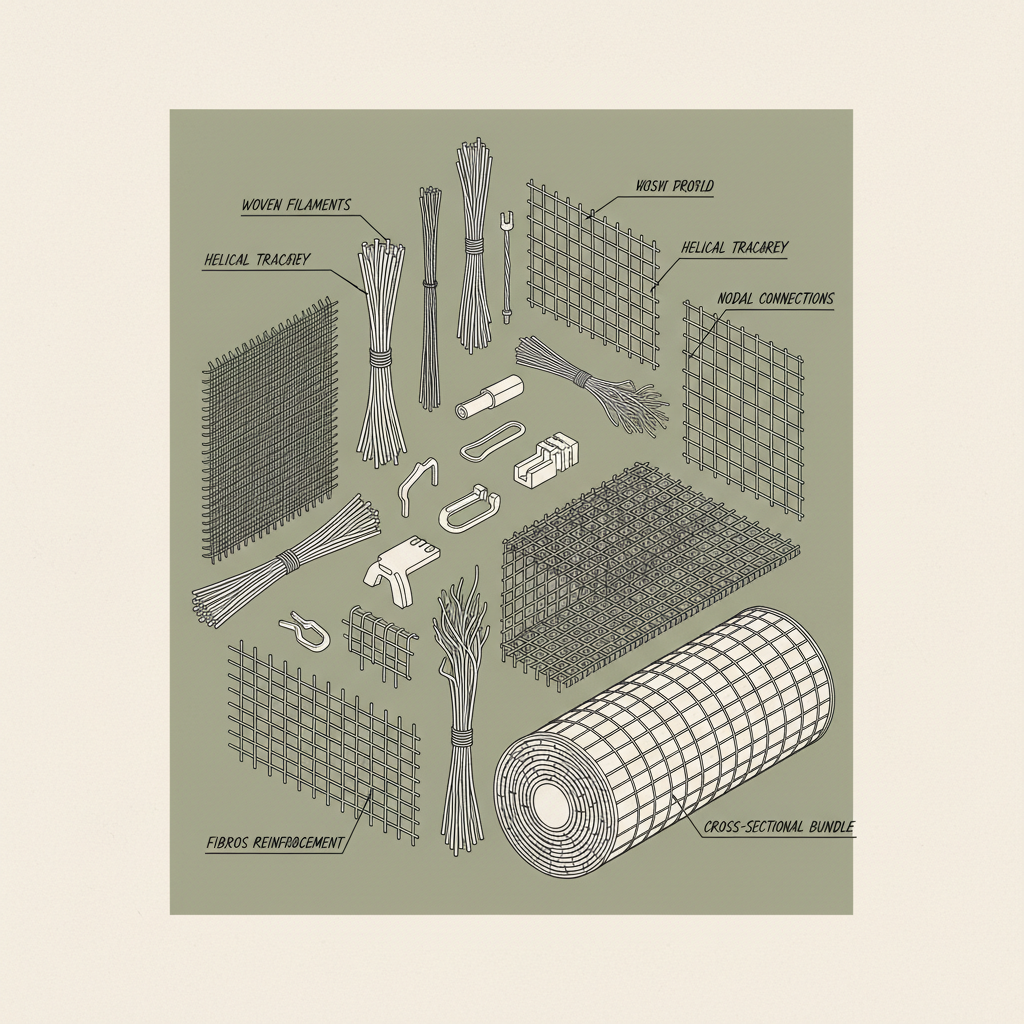
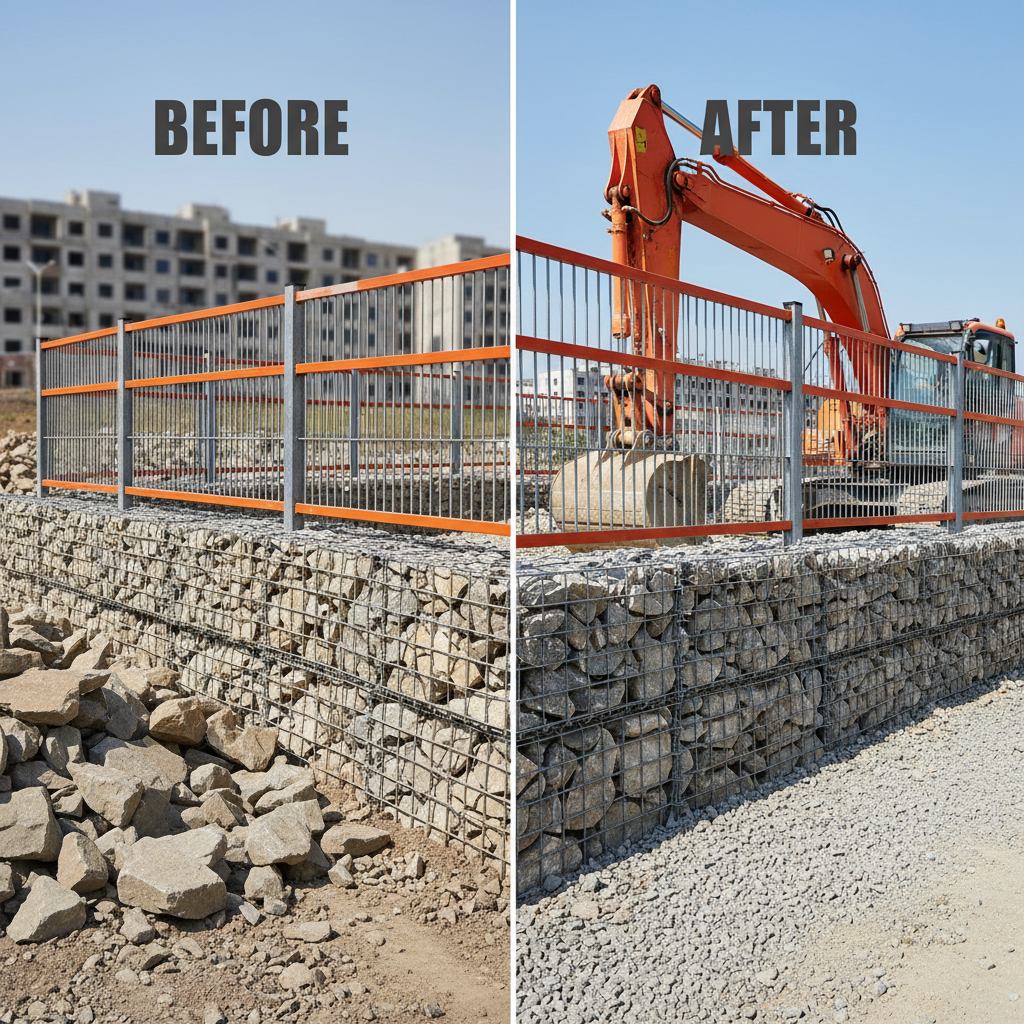
Everyone thinks of fencing, right? That's the big one. But it's used for so much more. Reinforcement in concrete, erosion control, even in decorative architectural panels. I saw one project where they used it to create a living wall – they filled the mesh with soil and planted vegetation. Looked pretty cool, actually.
I’ve also seen it used in some surprisingly creative ways. One guy was using it to create custom filters for his aquarium. Another was building a makeshift security screen for his truck bed. People are resourceful, I'll give them that. They’ll find a way to use it for something you never even thought of.
wholesale wire mesh Application Ratings
Advantages, Disadvantages, and Customization
The advantages are pretty obvious: strength, durability, cost-effectiveness. It's a workhorse material. You can cut it, bend it, weld it, shape it… it’s versatile. But it's also…well, it’s wire. It can corrode, it can be damaged, it can be a pain to handle. And it doesn’t look particularly pretty. Anyway, I think it's a solid choice for most applications.
Customization? Absolutely. We do a lot of custom sizes and shapes. Just last week, a customer needed a specific mesh pattern with a particular aperture size for a ventilation system. We had to adjust the weaving process to get it just right. It added a little to the cost, but it solved his problem.
A Customer Story from Shenzhen
Last month, that small boss in Shenzhen who makes smart home devices… a real firecracker of a guy, always in a rush… insisted on changing the interface to for the enclosures on his new sensor units. Said it was “more modern.” So, we had to modify the mesh panel to accommodate the larger connector. It wasn’t a huge change, but it required a new tooling setup and increased the lead time.
He was convinced it would boost sales. I told him, "Sir, your customers aren't buying these for the connector, they're buying them for the sensors!" He didn’t listen. Shipped the first batch, and…sales were actually down. Turns out, the connector made the unit more fragile and harder to install. He called me a week later, sheepish as could be, and asked us to revert to the old connector.
Later… Forget it, I won’t mention it.
Material Performance Analysis
Understanding how these materials behave under different conditions is crucial. Galvanized steel, for instance, provides good corrosion resistance in most environments, but it's susceptible to chloride attack, especially near saltwater. Stainless steel is more resistant, but also more expensive. PVC coatings offer a barrier against corrosion, but can become brittle in extreme temperatures.
We've seen variations in coating thickness significantly impact lifespan. A thin coating will fail quickly, leading to rust and structural weakness. Choosing the right alloy and coating is about balancing cost, performance, and the specific application requirements. It's not always about picking the "best" material; it’s about picking the right material for the job.
The mesh aperture size, wire diameter, and weave pattern also play a critical role. A tighter mesh offers greater security, but can restrict airflow. A larger aperture is more breathable, but provides less protection. Finding the sweet spot requires careful consideration of the intended use.
Summary of Wholesale Wire Mesh Material Performance
| Material Type |
Corrosion Resistance |
Tensile Strength |
Cost (1-10) |
| Galvanized Steel |
Moderate |
7/10 |
3/10 |
| Stainless Steel 304 |
High |
8/10 |
6/10 |
| Stainless Steel 316 |
Very High |
8.5/10 |
8/10 |
| PVC Coated Steel |
Good (barrier protection) |
6/10 |
4/10 |
| Aluminum Mesh |
Excellent |
5/10 |
7/10 |
| Galvanized After Weld |
Improved |
7/10 |
3.5/10 |
FAQS
That's a good one. Galvanizing before weld means the steel is coated then joined, leaving exposed metal at the weld. Galvanizing after weld coats the entire structure. After weld is generally better for corrosion protection, but you need a good quality coating and proper weld preparation to ensure adhesion. If the coating's thin, the weld will rust right through it. It's all about details, you know?
You can use a magnetic coating thickness gauge, though those can be pricey. Honestly, experience helps. A good coating should have a uniform, silvery-white appearance. If it looks dull or patchy, it's probably thin. You can also do a scratch test – carefully scratch the surface. If you see bare metal underneath, it's not enough. Don't go overboard scratching, though – you don’t want to damage the coating!
An abrasive cut-off wheel, no question. Forget about shears or wire cutters. Stainless is tough stuff. You need something that will grind through it without deforming the mesh. Wear safety glasses, a dust mask, and gloves, of course. And go slow. You don't want to overheat the material or create excessive burrs.
It can be, but be careful. High temperatures can cause the PVC to become brittle and crack over time. Look for a PVC coating that is UV stabilized and designed for outdoor use. Also, consider the color. Darker colors absorb more heat, which can accelerate degradation. Light colors are generally a better choice. And keep an eye on it for cracking, especially in areas with intense sunlight.
That depends on the environment. In a relatively mild climate, you can expect 10-20 years. In a coastal environment with salt spray, it might only last 5-10 years. Regularly inspect it for rust and corrosion. Applying a protective coating, like paint or sealant, can extend its lifespan. Proper maintenance is key.
Aluminum mesh is great for applications where corrosion is a major concern. It’s often used in marine environments, for insect screening, and for ventilation systems. It's lightweight and relatively easy to work with. Just be aware that it’s not as strong as steel, so it’s not suitable for high-load applications.
Conclusion
So, wholesale wire mesh. It's not flashy, it's not glamorous, but it's essential. It’s a surprisingly versatile material with a huge range of applications. From fencing and reinforcement to filtration and architectural features, it plays a crucial role in countless projects. Understanding the different materials, finishes, and application requirements is key to choosing the right mesh for the job. And don’t forget the importance of proper installation and maintenance.
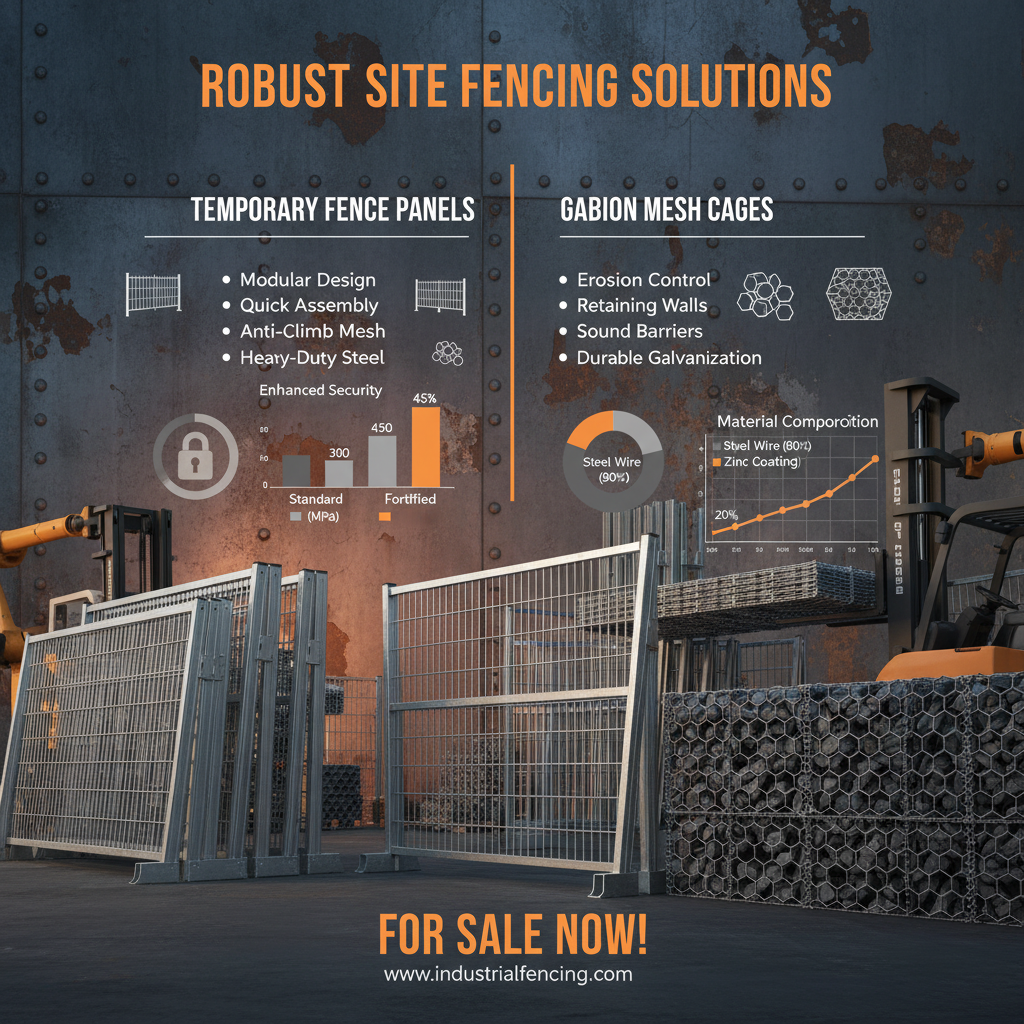
Ultimately, whether this thing works or not, the worker will know the moment he tightens the screw. That's the bottom line. You can spec the best materials, design the most elegant system, but if it doesn't hold up in the field, it's all for nothing. Check out wholesale wire mesh for all your fencing needs.