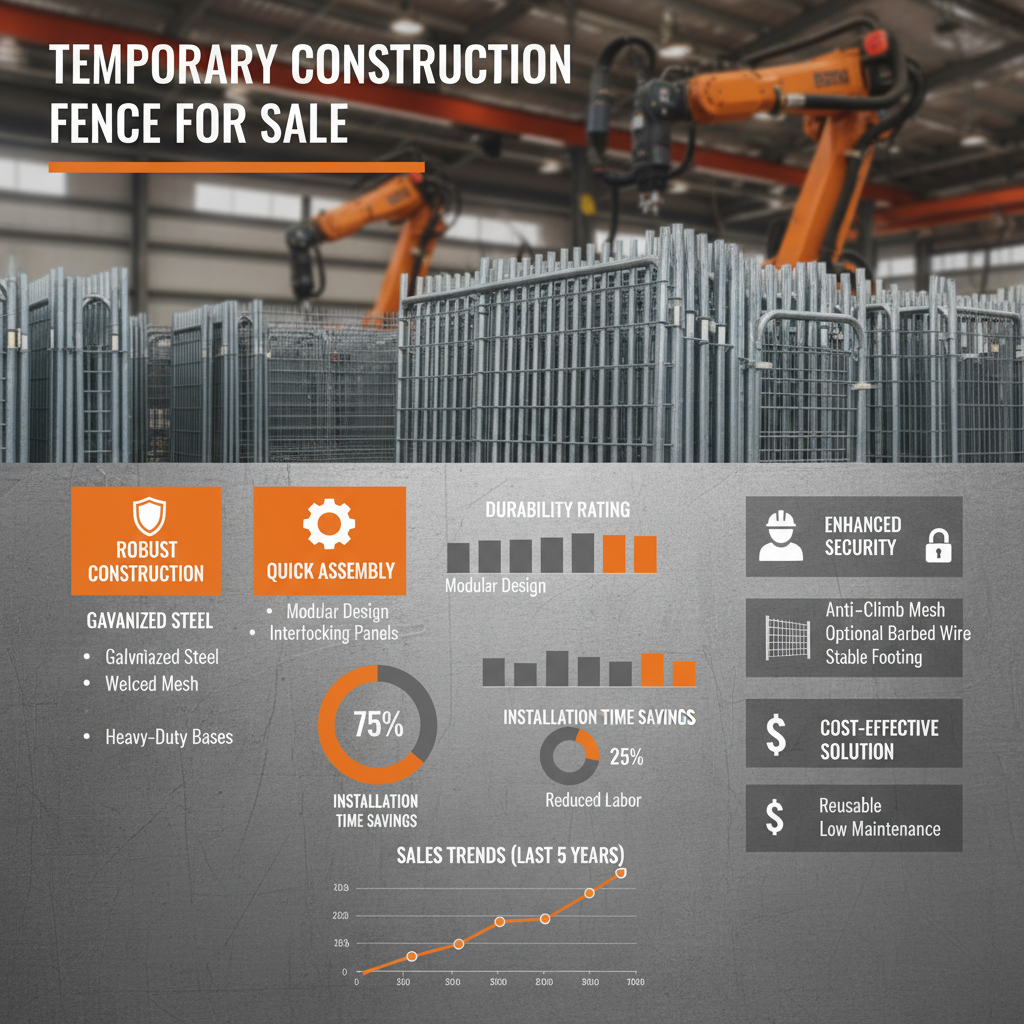
Construction fence panels are essential components in maintaining safety and security on construction sites globally. These panels, often constructed from welded wire mesh or chain-link, provide a physical barrier to prevent unauthorized access, mitigate risks associated with falling debris, and enhance overall site management. Their importance stems from increasing construction activity worldwide, coupled with stringent safety regulations and a growing awareness of site security vulnerabilities. Understanding the various types, applications, and standards associated with construction fence panels is crucial for contractors, developers, and safety professionals alike.
The global market for construction fence panels is driven by factors such as rapid urbanization, infrastructure development, and a rising emphasis on workplace safety. The United Nations projects continued population growth in urban areas, demanding increased construction activity, which directly correlates with the need for effective site containment solutions. Organizations like the International Organization for Standardization (ISO) set standards for material quality and performance, ensuring that construction fence panels meet rigorous safety requirements. However, challenges remain in addressing counterfeit products and ensuring consistent quality across different manufacturers.
Construction fence panels are temporary barriers used to enclose construction sites, protecting the public, preventing theft, and enhancing site security. They serve as a vital first line of defense against potential hazards and unauthorized entry, providing a controlled environment for construction operations. Their robust design and ease of installation make them a practical and cost-effective solution for a wide range of projects, from small-scale renovations to large-scale infrastructure developments.
The Significance of Construction Fence Panels
Construction fence panels are more than just a perimeter boundary; they represent a commitment to safety and risk management. In an industry frequently marked by potential hazards, these panels act as a critical preventative measure, safeguarding workers, the public, and property. Effective site containment minimizes the risk of accidents, reduces liability exposure, and contributes to a more secure and organized work environment.
The value of well-maintained construction fence panels extends beyond immediate safety concerns. They also play a role in protecting valuable equipment and materials from theft, reducing project delays, and preserving a professional image for the construction company. Investing in high-quality panels is therefore a proactive step toward efficient project completion and enhanced stakeholder confidence.
Introduction to Construction Fence Panels
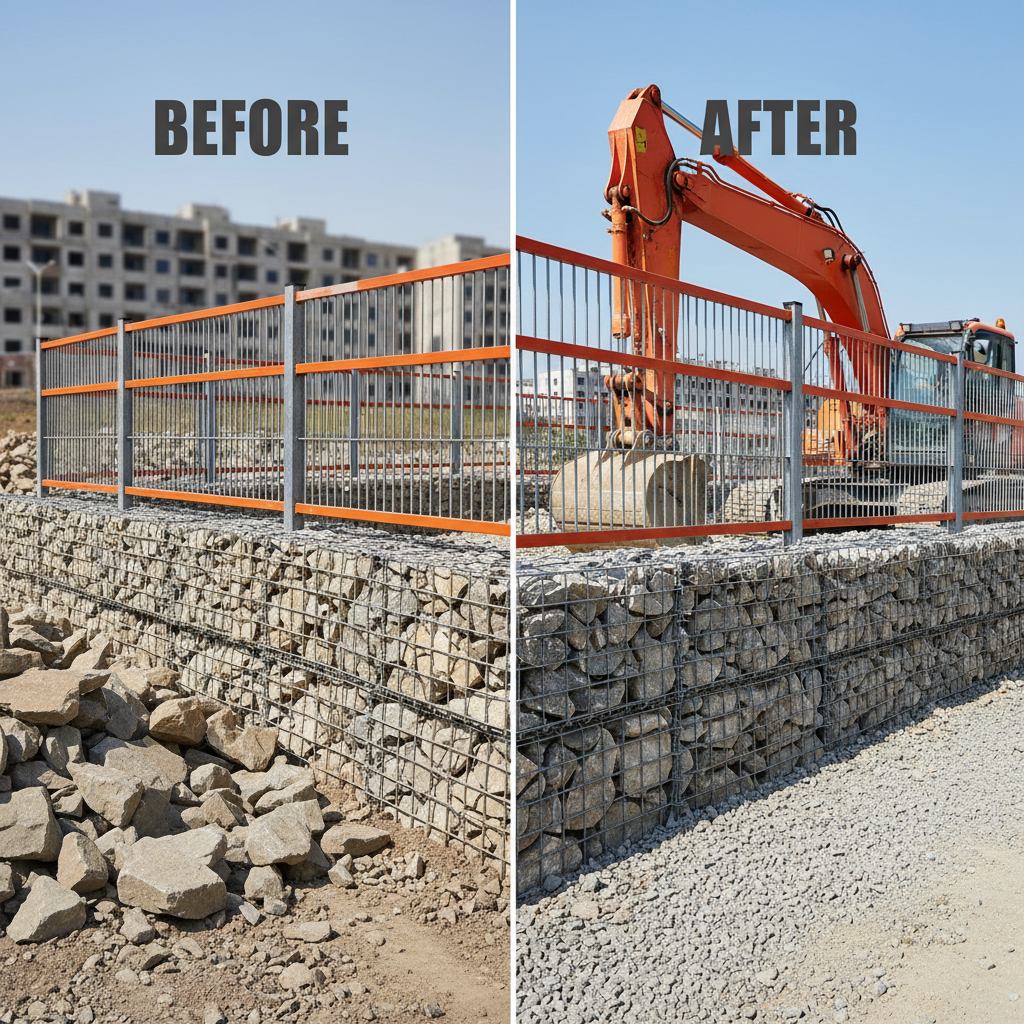
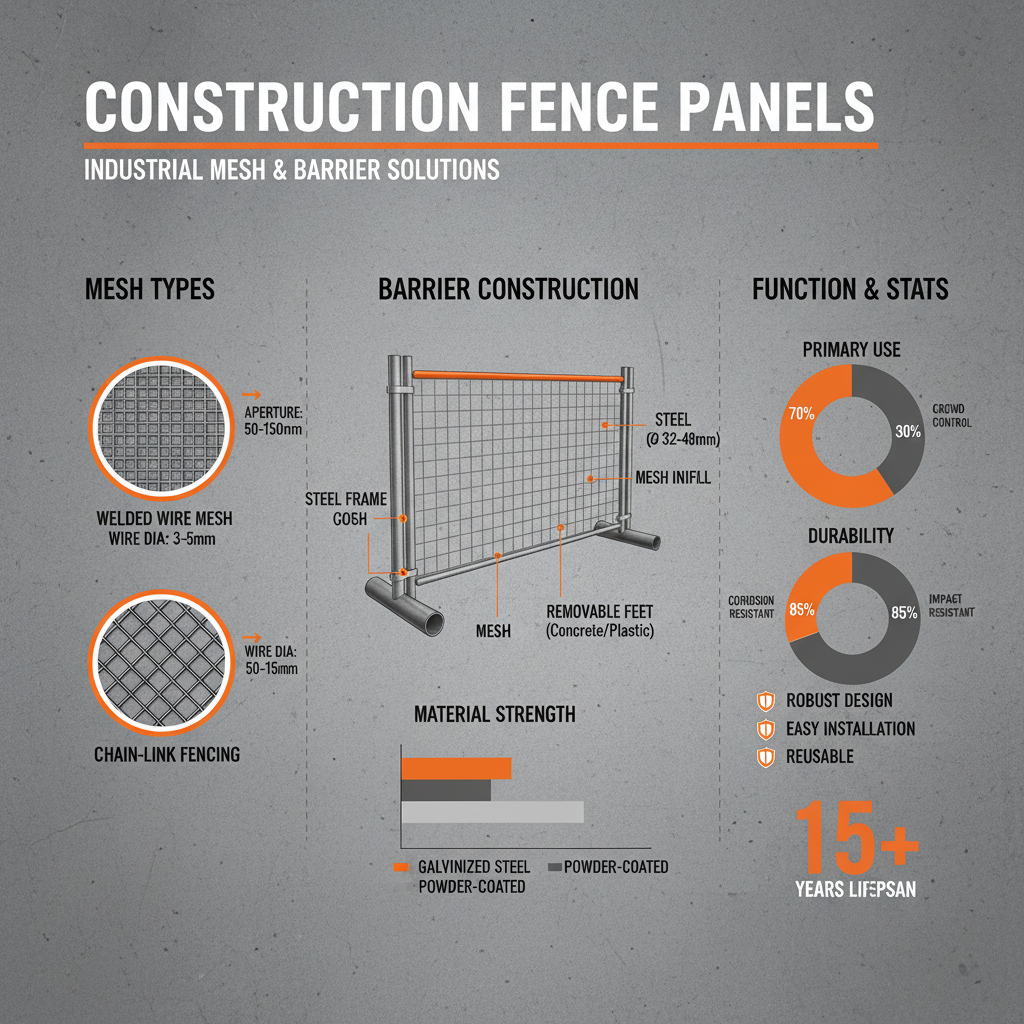
Construction fence panels are temporary or semi-permanent barriers designed to delineate a construction zone. Typically constructed from galvanized steel wire mesh welded together within a robust frame, they provide a visible and physical boundary. Panels vary in height and length to accommodate diverse site requirements, and are often secured with clamps, brackets, or concrete feet for stability. The modular design allows for easy installation, dismantling, and relocation, making them ideal for projects with evolving footprints.
These panels aren’t simply a modern invention. While the materials and construction techniques have evolved, the fundamental need for site perimeter control has existed for centuries. Modern construction fence panels represent a significant improvement in safety, durability, and efficiency compared to older methods like wooden fencing or rope barriers. They are integral to upholding industry best practices and adhering to Occupational Safety and Health Administration (OSHA) guidelines.
The connection between construction fence panels and modern industry is strong. As construction projects become increasingly complex and densely populated, the need for effective site management grows exponentially. Construction fence panels offer a practical and reliable solution for mitigating risks, maintaining order, and facilitating safe working conditions in a dynamic environment.
Key Characteristics of Quality Panels
Durability is paramount. High-quality construction fence panels should be constructed from heavy-gauge galvanized steel, capable of withstanding harsh weather conditions, accidental impacts, and potential vandalism. A robust coating protects against rust and corrosion, ensuring a long service life. The structural integrity of the weld points is also critical, requiring rigorous quality control during manufacturing.
Scalability refers to the ability to adapt the fencing system to different site configurations. Modular panels allow for easy extension or reduction of the perimeter, accommodating changes in project scope. Compatibility with various mounting options (concrete feet, ground stakes, vehicle barriers) ensures flexibility in deployment and suitability for diverse terrains.
Cost-effectiveness isn’t just about the initial purchase price; it encompasses the total cost of ownership. Durable, long-lasting panels minimize the need for frequent replacements, reducing long-term expenses. The ease of installation and dismantling lowers labor costs, and the reusability of the panels further enhances their value.
Applications Across Industries
Construction fence panels are ubiquitous across a broad spectrum of industries. Beyond traditional building construction, they are essential for road and highway projects, infrastructure upgrades (bridges, tunnels), and large-scale civil engineering works. They provide secure perimeters for excavation sites, demolition zones, and utility projects.
Their application extends beyond construction itself. Event organizers utilize construction fence panels for crowd control at festivals, concerts, and sporting events. Security companies deploy them to create temporary barriers for special events or to secure sensitive areas. In post-disaster relief operations, they provide secure zones for emergency responders and aid distribution.
Construction Fence Panel Applications by Industry
Benefits and Long-Term Value
The tangible benefits of using construction fence panels are numerous. Reduced theft and vandalism translate into significant cost savings. Improved site safety minimizes the risk of accidents and potential legal liabilities. Streamlined site access control enhances efficiency and reduces disruptions.
Beyond the practical advantages, construction fence panels contribute to a sense of professionalism and order. A well-secured site projects a positive image to clients, stakeholders, and the local community, fostering trust and confidence. This intangible benefit can be crucial for securing future business opportunities.
Future Trends in Construction Fencing
Innovation in construction fence panel technology is ongoing. Smart fencing systems, incorporating sensors and real-time monitoring capabilities, are gaining traction. These systems can detect intrusions, provide alerts, and integrate with security cameras for enhanced surveillance.
Sustainable materials are also becoming increasingly popular. Manufacturers are exploring the use of recycled plastics and eco-friendly coatings to reduce the environmental impact of construction fence panels. Lightweight, high-strength materials are also being developed to improve portability and ease of installation.
Challenges and Mitigation Strategies
One common challenge is ensuring consistent quality across different suppliers. Counterfeit or substandard panels can compromise safety and durability. Thorough vendor vetting and adherence to industry standards (ISO certification) are essential mitigation strategies.
Another challenge is dealing with challenging terrain or limited space. Creative installation techniques, such as utilizing adjustable feet or specialized mounting brackets, can overcome these obstacles. Proper site assessment and planning are crucial for optimizing the effectiveness of the fencing system.
Finally, maintaining the panels throughout the project duration is important. Regular inspections and prompt repairs can prevent minor issues from escalating into major safety hazards. A proactive maintenance program ensures the longevity and reliability of the fencing system.
Key Performance Indicators of Construction Fence Panel Systems
| Durability Score |
Installation Efficiency |
Cost per Meter |
Maintenance Requirements |
| 8/10 |
9/10 |
$15 |
Low |
| 7/10 |
7/10 |
$12 |
Medium |
| 9/10 |
8/10 |
$20 |
Low |
| 6/10 |
6/10 |
$10 |
High |
| 7.5/10 |
8.5/10 |
$17 |
Medium |
| 8.5/10 |
9.5/10 |
$22 |
Low |
FAQS
The lifespan of construction fence panels varies based on material quality, environmental conditions, and maintenance. Galvanized steel panels typically last 5-10 years with proper care. Regular inspection and cleaning can extend their service life, preventing rust and corrosion. Higher-quality panels with thicker coatings will generally last longer.
Construction fence panels should be inspected at least monthly, and more frequently in harsh weather conditions. Look for signs of damage, such as bent posts, loose connections, or corroded wire mesh. Address any issues promptly to prevent safety hazards. Maintain a log of inspections for documentation purposes.
Common mounting options include concrete feet, ground stakes, and vehicle barriers. Concrete feet provide the most stability, especially on uneven terrain. Ground stakes are suitable for softer surfaces. Vehicle barriers offer additional protection against accidental impacts. The best option depends on the specific site conditions and security requirements.
Yes, regulations vary by location, but OSHA guidelines generally require adequate site perimeter control to protect workers and the public. Local building codes may also specify requirements for fence height, materials, and installation. It’s crucial to comply with all applicable regulations to avoid penalties and ensure safety.
The appropriate height depends on the level of security required and the potential hazards on the construction site. A standard height is 6 feet, but higher panels may be necessary for sites with valuable equipment or increased security risks. Consider the surrounding environment and potential for unauthorized access when making your decision.
Galvanized steel offers excellent corrosion resistance, making it ideal for outdoor applications. The zinc coating protects the steel from rust and weathering, extending the panel’s lifespan. Galvanized steel is also strong and durable, providing a reliable barrier against impacts and intrusions. It's a cost-effective material offering long-term value.
Conclusion
In conclusion, construction fence panels are a critical element of safe and efficient construction operations. From protecting workers and preventing theft to maintaining site security and projecting a professional image, their benefits are far-reaching. Choosing high-quality panels, adhering to industry standards, and implementing a proactive maintenance program are essential for maximizing their long-term value.
Looking ahead, innovation in materials, smart technology, and sustainable practices will continue to shape the future of construction fencing. By staying informed about these trends and embracing new solutions, construction professionals can ensure that their fencing systems remain effective, reliable, and environmentally responsible. For robust and reliable construction fence panels, visit our website today.