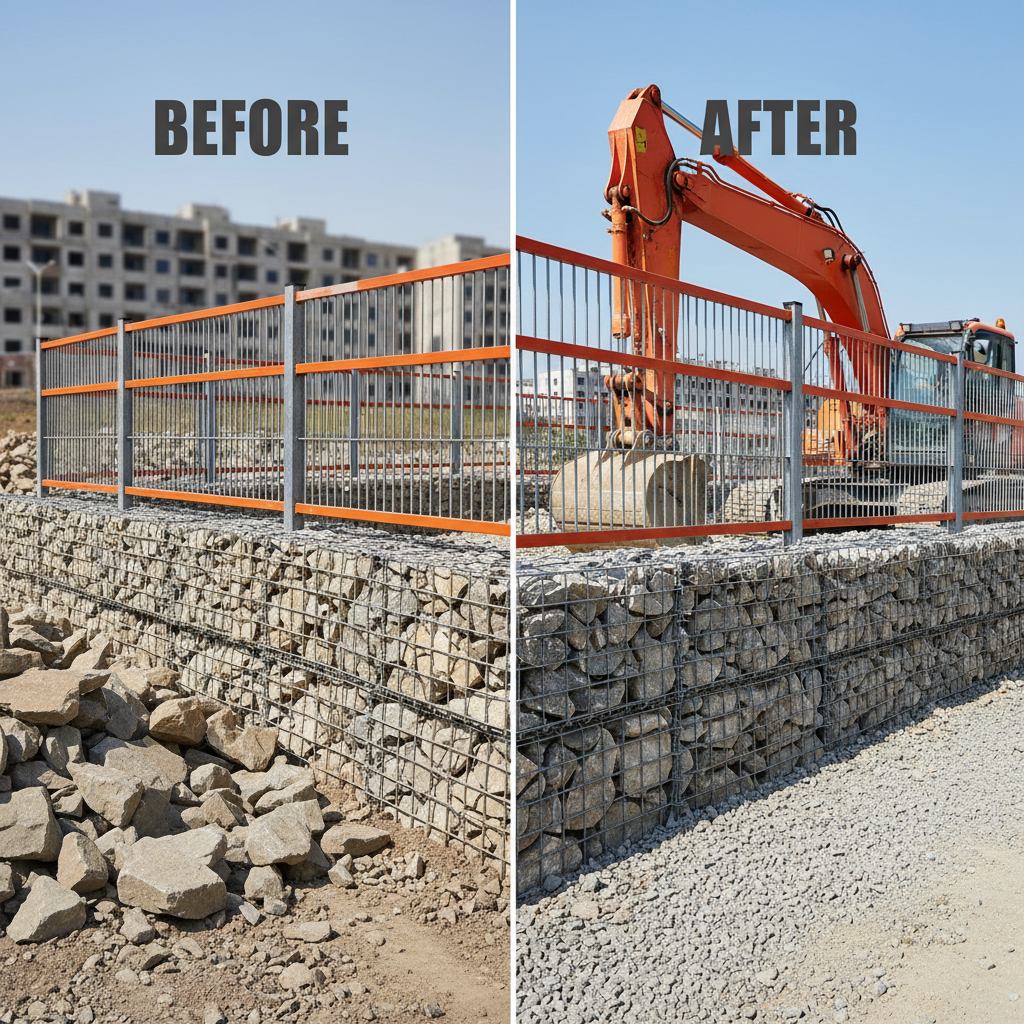
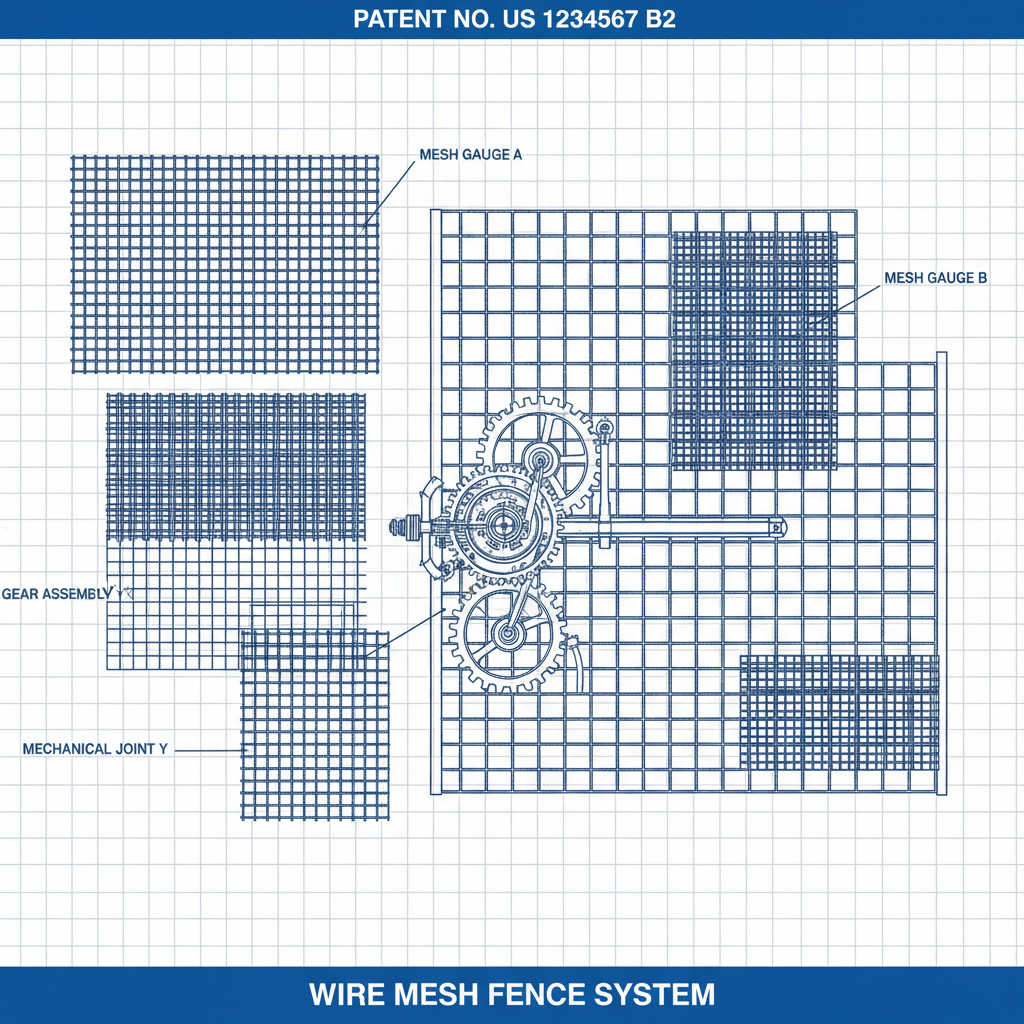
Portable fence panels are increasingly vital for a diverse range of applications, from securing construction sites and managing crowd control at events to creating temporary enclosures for livestock and providing rapid perimeter security in emergency situations. Their adaptability and ease of deployment make them a superior alternative to traditional fencing methods, offering significant cost and time savings. Understanding the nuances of portable fence panels – their materials, configurations, and best-use cases – is crucial for anyone involved in event management, construction, agriculture, or security.
Globally, the demand for effective and rapidly deployable fencing solutions is on the rise, driven by factors like increasing urbanization, a growing event industry, and a heightened need for security. The United Nations estimates that humanitarian crises requiring rapid perimeter establishment occur with increasing frequency, highlighting the need for logistical solutions like portable fence panels. This demand translates into a multi-billion dollar market with continuous innovation in materials and design, offering benefits in terms of durability, portability, and sustainability.
The portability of these fencing solutions addresses a critical need for flexibility in modern project management and emergency response. Traditional fencing methods often require significant installation time and labor, making them impractical for short-term needs or dynamic environments. Portable fence panels offer a quick and efficient solution, minimizing disruption and maximizing security where and when it's needed.
Introduction to Portable Fence Panels
Portable fence panels represent a versatile and efficient solution for temporary fencing needs across a multitude of industries. Unlike traditional permanent fencing, these panels are designed for quick assembly, disassembly, and relocation, offering unparalleled flexibility for projects with dynamic requirements. They’ve become an indispensable tool in event management, construction, security, and even agricultural settings.
The appeal of portable fence panels lies not just in their convenience but also in their cost-effectiveness. They eliminate the substantial labor costs associated with installing and removing traditional fencing, and their reusability contributes to significant long-term savings. Furthermore, advancements in materials have led to panels that are both durable and lightweight, maximizing their practicality for various applications.
Defining Portable Fence Panels
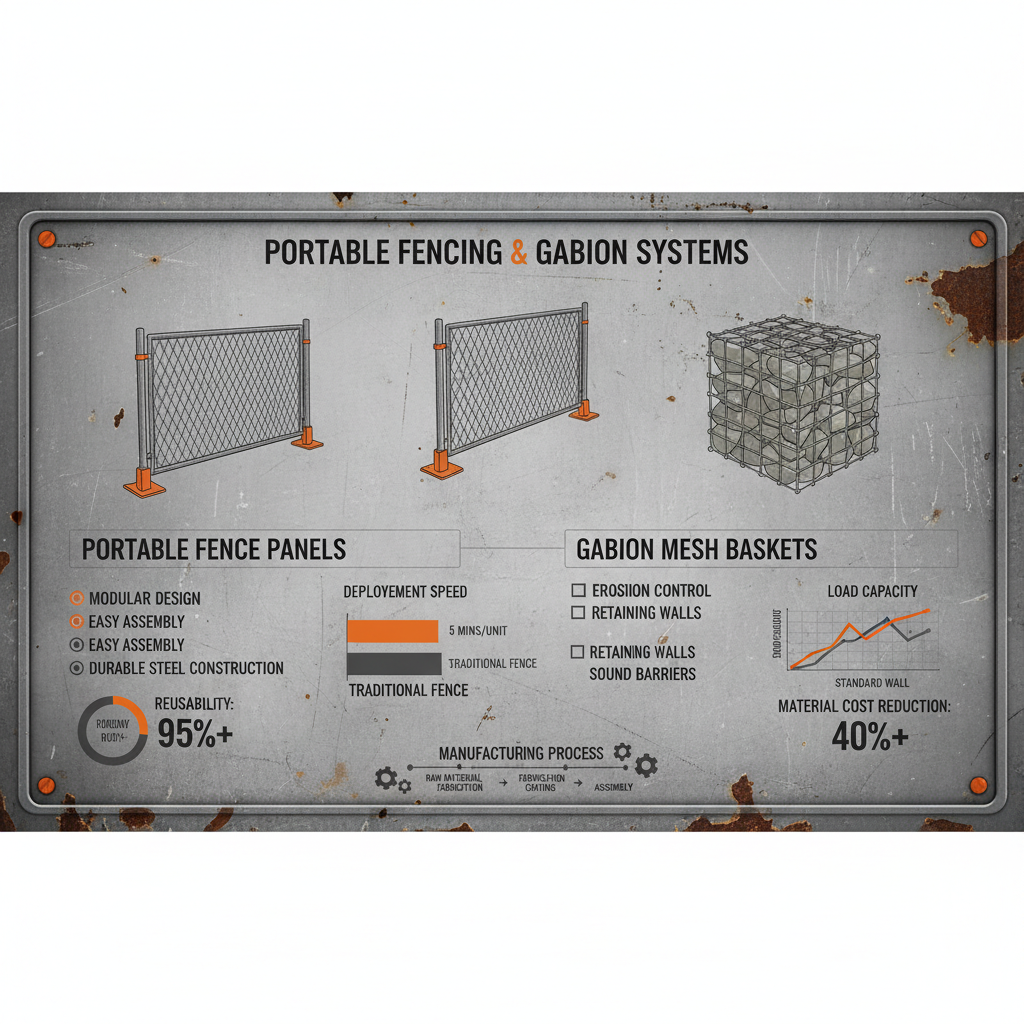
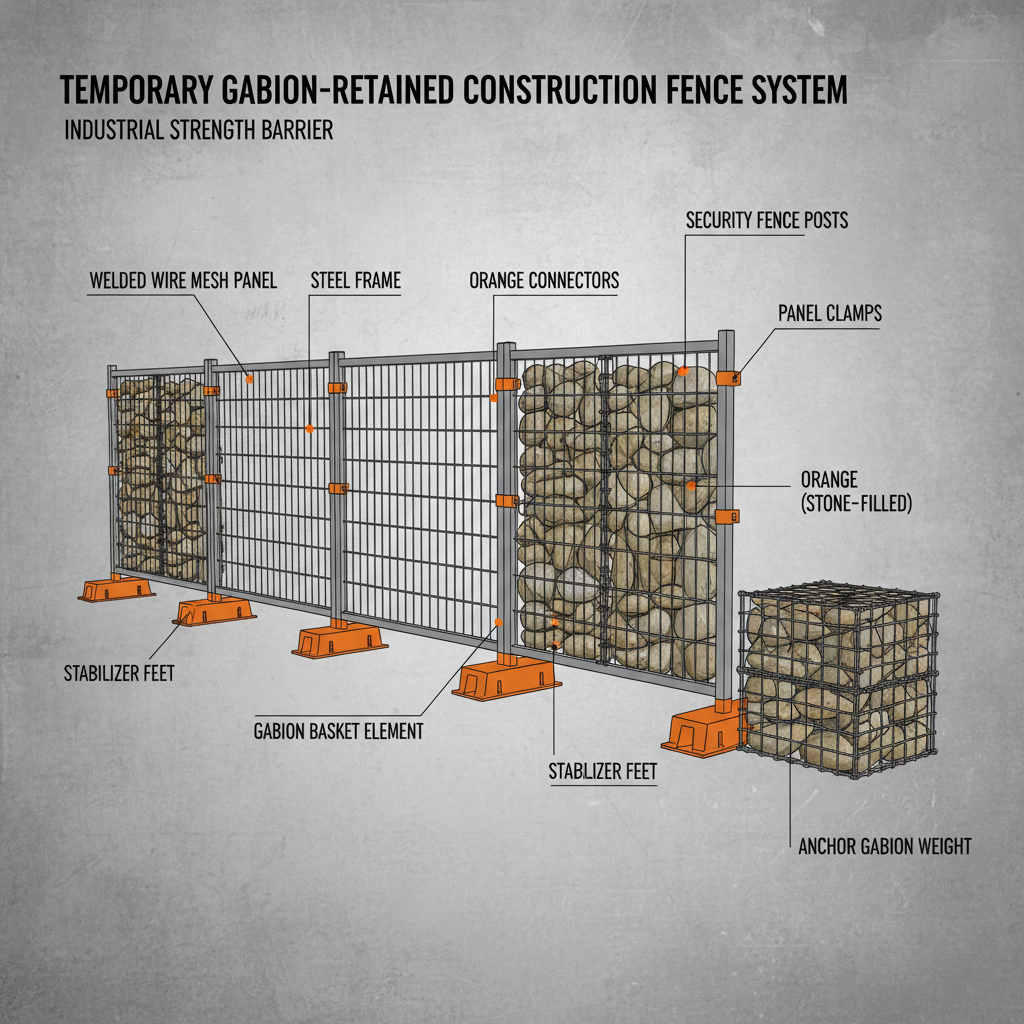
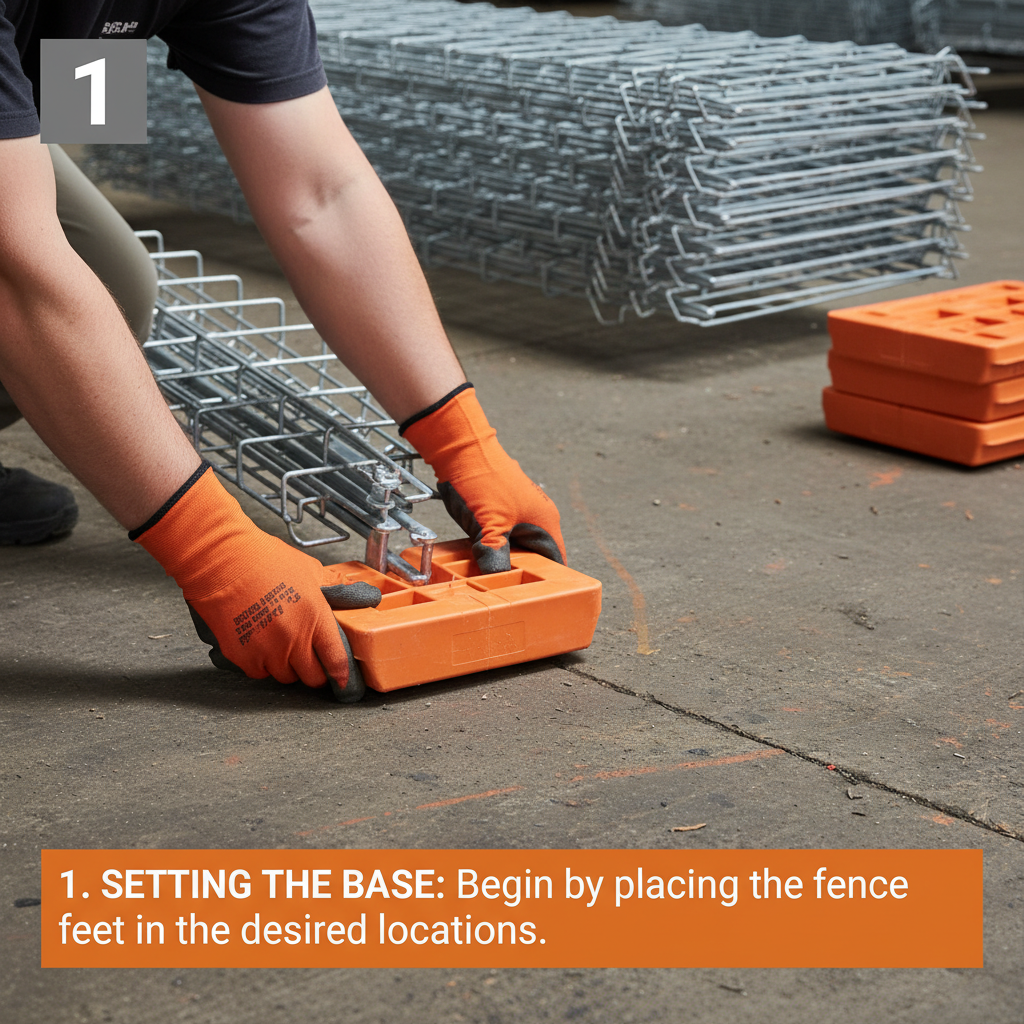
At their core, portable fence panels are prefabricated sections of fencing designed for easy transport and rapid deployment. Typically constructed from steel, aluminum, or durable plastics, these panels interlock to create a secure perimeter. They generally feature a framework with welded wire mesh infill, although variations exist based on intended use. The defining characteristic is their lack of permanent foundations, relying instead on weighted feet, stakes, or water-filled bases for stability.
This concept of easily deployable barriers isn't new, but the modern portable fence panel has evolved significantly. Historically, temporary fencing often involved cumbersome and time-consuming setups. The introduction of standardized panel sizes and quick-connect mechanisms has revolutionized the industry, making it possible to secure large areas in a matter of hours rather than days.
Portable fence panels play a crucial role in responding to contemporary challenges like rapid urbanization, increased security concerns, and the demand for adaptable infrastructure. They are instrumental in securing construction zones, managing crowds at large events, and providing temporary enclosures for emergency situations, offering a readily available and effective perimeter solution.
Key Factors Influencing Portable Fence Panel Selection
When selecting portable fence panels, several key factors come into play. Durability is paramount – the panels must withstand environmental conditions and potential impact. Steel panels generally offer the highest strength, while aluminum provides a lighter weight alternative. The gauge (thickness) of the wire mesh also significantly impacts the panel’s resistance to cutting and damage.
Portability is, naturally, a core consideration. Lighter weight panels are easier to transport and handle, reducing labor costs and accelerating deployment. Panel size and the availability of compatible transport carts also affect portability. Scalability refers to the ease with which the fencing can be extended or reconfigured. Systems with standard panel sizes and simple connection mechanisms offer greater scalability.
Cost Efficiency is always a factor. While initial purchase price is important, consider the panel's lifespan, maintenance requirements, and reusability. Investing in higher-quality panels can often result in lower long-term costs. Finally, Security Level dictates the mesh size and overall panel construction. For higher security applications, smaller mesh openings and reinforced frameworks are essential.
Global Applications of Portable Fence Panels
The versatility of portable fence panels extends across a wide spectrum of industries and applications worldwide. In the construction industry, they are essential for securing work sites, protecting materials, and controlling access. In the event management sector, they are used for crowd control, VIP areas, and perimeter security at concerts, festivals, and sporting events.
In agriculture, portable fence panels provide temporary enclosures for livestock, rotational grazing, and protecting crops. They are particularly valuable for farmers needing flexible fencing solutions for seasonal needs. Emergency response teams utilize them for establishing temporary perimeters at disaster sites, providing security, and controlling access to affected areas. For example, in post-disaster relief operations following earthquakes or hurricanes, quick deployment of portable fencing can secure vital aid distribution points.
Even in remote industrial zones, such as mining operations or temporary oil and gas facilities, portable fence panels offer a practical and secure boundary solution. They’re also gaining prominence in urban environments for traffic management during road work and temporary event closures.
Portable Fence Panel Application Ratings
Advantages and Long-Term Value
The benefits of employing portable fence panels extend beyond mere convenience. From a cost perspective, the reusability of these panels significantly reduces the need for frequent replacements, offering substantial savings compared to traditional fencing materials. Reduced labor costs, due to quicker installation and removal times, further enhance their economic appeal.
In terms of sustainability, the durability and recyclability of many portable fence panel materials contribute to a reduced environmental footprint. Steel, for instance, is readily recyclable, minimizing waste and promoting resource conservation. The enhanced security provided by these panels offers peace of mind, protecting assets, personnel, and the public. Finally, the ability to quickly adapt to changing requirements enhances reliability and operational efficiency.
Future Trends and Innovations
The future of portable fence panels is poised for innovation, driven by advancements in materials science and technology. We’re seeing increased use of lightweight, high-strength alloys like aluminum-magnesium blends, offering enhanced portability without sacrificing durability. Smart fencing systems, incorporating sensors and connectivity for remote monitoring and access control, are also emerging.
Sustainability is becoming a major focus, with research into bio-based plastics and recycled materials for panel construction. Automation in panel assembly and deployment is another trend, potentially utilizing robotic systems for rapid perimeter establishment, especially in hazardous environments. These innovations aim to create even more efficient, secure, and environmentally responsible fencing solutions.
Challenges and Solutions in Portable Fence Panel Implementation
Despite their advantages, implementing portable fence panels isn't without its challenges. Stability on uneven terrain can be an issue, requiring careful footing selection or the use of specialized stabilizing mechanisms. Vandalism and theft pose a risk, particularly in public areas, necessitating robust panel construction and potential security measures.
Logistics of transport and storage can also be complex, particularly for large-scale deployments. Solutions involve investing in dedicated transport carts and optimizing storage space. Ensuring proper installation is crucial for maintaining security and stability, requiring trained personnel and adherence to best practices.
Addressing these challenges involves a combination of proactive planning, durable material selection, and innovative design. The development of self-leveling feet, tamper-proof connection systems, and integrated security features are all contributing to more reliable and secure portable fencing solutions.
Summary of Portable Fence Panel Challenges and Solutions
| Challenge |
Impact on Project |
Potential Solution |
Cost Estimate (USD) |
| Uneven Terrain |
Compromised Stability, Security Risk |
Self-Leveling Feet, Weighted Bases |
$5 - $20 per panel |
| Vandalism/Theft |
Asset Loss, Project Delays |
Tamper-Proof Connectors, Security Cameras |
$10 - $50 per panel (connectors) |
| Transportation Costs |
Increased Project Budget |
Dedicated Transport Carts, Optimized Loading |
$50 - $200 per cart |
| Improper Installation |
Reduced Security, Panel Failure |
Trained Installation Teams, Clear Instructions |
$50 - $100 per hour (labor) |
| Wind Resistance |
Panel Overturning, Structural Damage |
Wind Screens, Anchoring Systems |
$10 - $30 per panel (wind screen) |
| Corrosion (Steel Panels) |
Reduced Lifespan, Structural Weakness |
Galvanized Coating, Powder Coating |
$2 - $5 per panel (coating) |
FAQS
The lifespan of portable fence panels varies depending on the material and level of maintenance. Galvanized steel panels, with proper care, can last 10-15 years or more. Aluminum panels offer excellent corrosion resistance and can have a similar lifespan. Regular inspection and cleaning, particularly in harsh environments, are key to maximizing their longevity. Avoiding prolonged exposure to salt water, if applicable, is also crucial.
Portable fence panels are generally more cost-effective for temporary or short-term fencing needs. While the initial cost per foot might be slightly higher than some permanent options, the elimination of installation labor, foundation costs, and the reusability of the panels result in significant long-term savings. For projects requiring a fixed, permanent barrier, traditional fencing might be more suitable, but for flexibility and cost efficiency, portable panels are often the better choice.
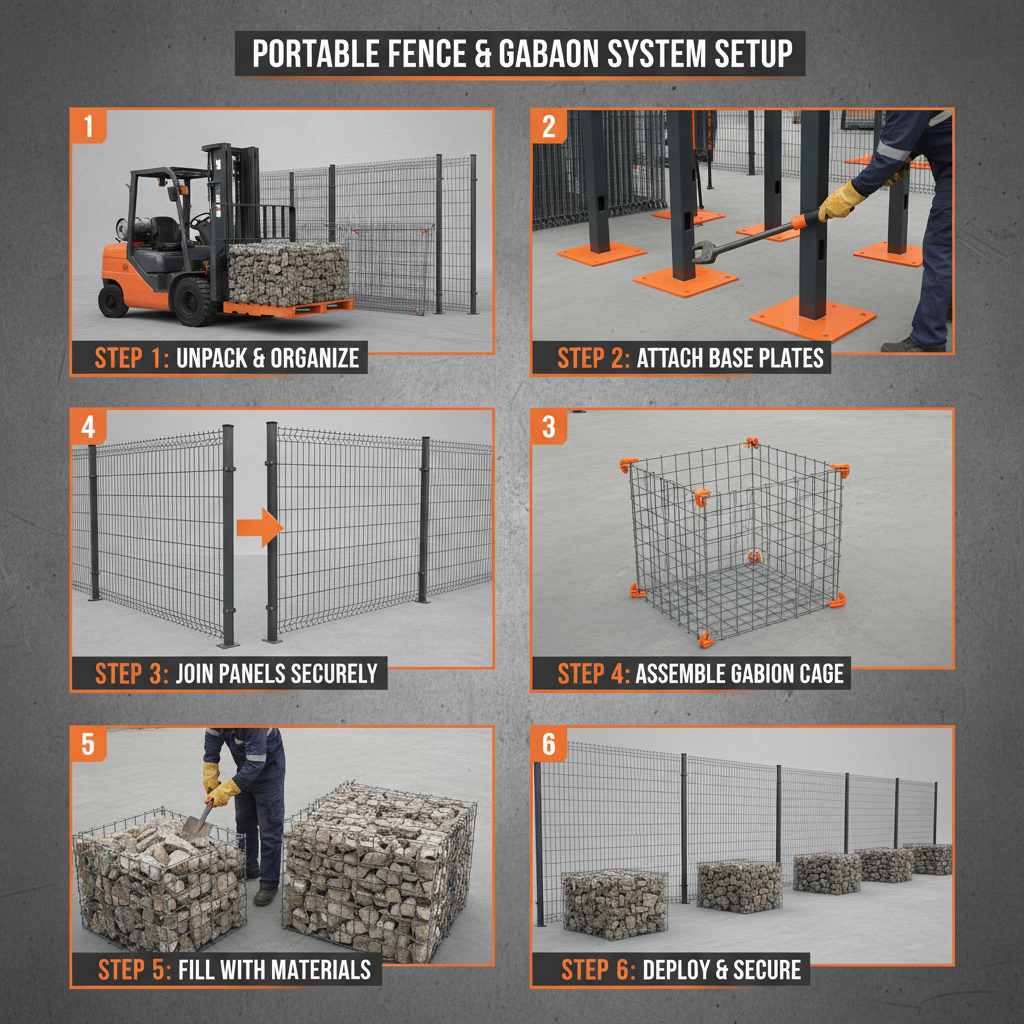
Yes, one of the key benefits of portable fence panels is their ease of installation and removal. Most systems utilize simple interlocking mechanisms that require no specialized tools or expertise. A team of two or three people can typically install or dismantle a significant length of fencing in a matter of hours, minimizing disruption and labor costs. Detailed instructions are usually provided with the panels.
Portable fence panels can be used on a variety of ground surfaces, including grass, asphalt, concrete, and gravel. However, stability is crucial. For softer surfaces like grass, stakes or weighted feet are recommended. On hard surfaces like concrete, rubber feet or weighted bases are ideal. Uneven terrain may require additional support or leveling adjustments to ensure the panels remain stable and secure.
The security level depends on the panel’s construction and mesh size. Standard wire mesh panels offer a moderate level of security, deterring casual trespassers. For higher security needs, panels with smaller mesh openings, reinforced frames, and tamper-proof connectors are available. Combining portable fencing with security cameras and lighting can further enhance protection.
Regulations regarding the use of portable fence panels vary depending on the location and application. In many cases, permits may be required for temporary fencing in public areas or for events. It’s essential to check with local authorities and obtain any necessary permits before installing portable fencing to ensure compliance with local ordinances.
Conclusion
Portable fence panels have emerged as an indispensable solution for a wide range of temporary fencing needs. Their adaptability, cost-effectiveness, and ease of deployment make them a superior alternative to traditional fencing methods in countless applications, from construction and event management to security and disaster relief. Understanding their key features, advantages, and potential challenges is vital for anyone seeking a flexible and reliable perimeter solution.
Looking ahead, continued innovation in materials, design, and smart technologies will further enhance the capabilities of portable fence panels. Investing in high-quality panels, prioritizing proper installation, and staying informed about emerging trends will ensure that you harness the full potential of this versatile and valuable asset. To learn more about our comprehensive range of portable fence panels, visit our website today: www.dqfences.com.