Wire mesh installation is a crucial element in a diverse range of applications, from robust security fencing and durable animal enclosures to intricate industrial filtering systems and essential construction reinforcement. Its prevalence stems from the material’s inherent strength, cost-effectiveness, and adaptability. Understanding the nuances of proper wire mesh installation is paramount to ensuring longevity, safety, and optimal performance across these varied uses.
Globally, the demand for effective and reliable barrier solutions is consistently increasing, driven by factors such as population growth, urbanization, and heightened security concerns. This translates to a significant and expanding market for wire mesh products and, consequently, skilled wire mesh installation professionals. The ability to efficiently and accurately install these systems is vital for protecting assets, containing environments, and ensuring public safety.
Beyond traditional security, wire mesh installation is increasingly relevant in humanitarian aid, particularly in rapid deployment housing and disaster relief scenarios. Its lightweight nature and ease of assembly make it an ideal material for creating temporary shelters and secure perimeters in challenging environments, providing crucial support to communities in need.
The Importance of Wire Mesh Installation
Effective wire mesh installation isn’t merely about securing a perimeter; it's about establishing a lasting infrastructure component. Proper installation techniques directly impact the longevity of the mesh, its resistance to corrosion, and its overall structural integrity. Investing in skilled installation professionals and adhering to industry best practices translates to significant cost savings in the long run by minimizing the need for repairs or replacements.
The significance extends beyond economic considerations. Well-installed wire mesh solutions contribute to enhanced security, improved animal welfare, and safer working environments. In critical applications, like earthquake-prone zones or areas susceptible to landslides, correctly installed wire mesh reinforcement can be the difference between structural stability and catastrophic failure.
Defining Wire Mesh Installation
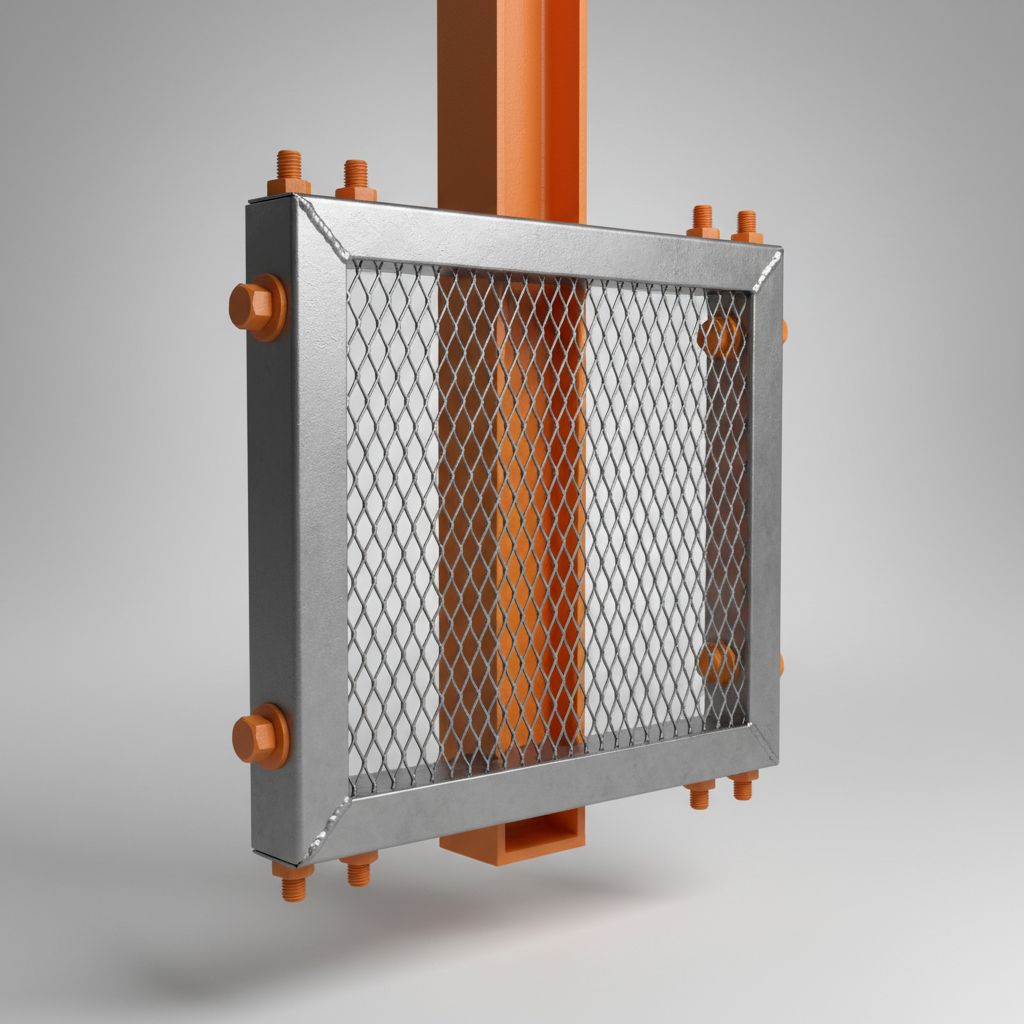
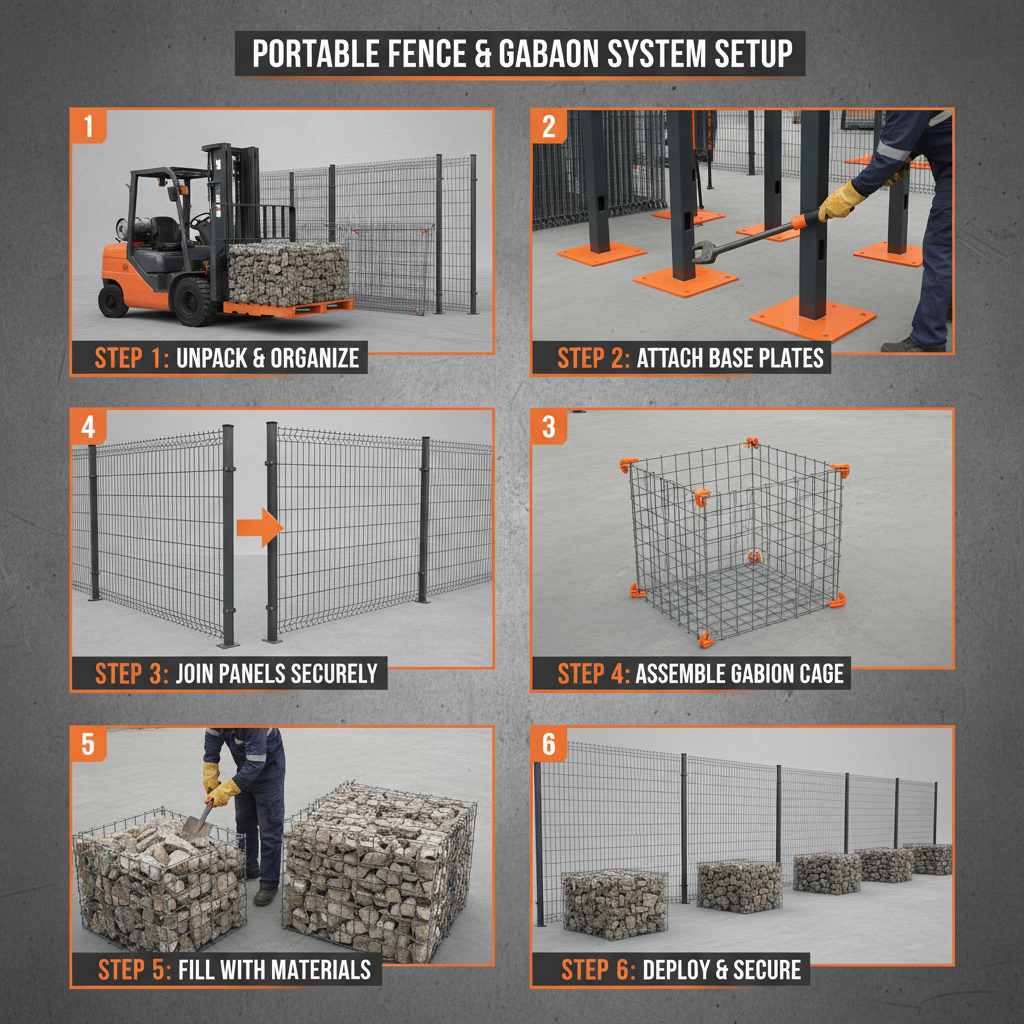
Wire mesh installation encompasses the process of securely attaching wire mesh panels or rolls to supporting structures, such as posts, frames, or existing walls. It goes beyond simply fixing the mesh in place; it involves careful consideration of tensioning, fastening methods, and environmental factors to create a robust and durable barrier or reinforcement.
This practice is deeply intertwined with modern industry and humanitarian needs. From the agricultural sector requiring secure animal containment to the construction industry utilizing mesh for concrete reinforcement, wire mesh plays a fundamental role. Its versatility and adaptability make it a cornerstone material in both developed and developing nations.
The connection to humanitarian efforts is particularly noteworthy. The speed and ease of deployment offered by wire mesh structures are invaluable in disaster response, offering rapid shelter solutions and establishing secure perimeters for aid distribution. This makes wire mesh installation a vital skill in addressing global challenges.
Core Components of Effective Installation
A successful wire mesh installation relies on several key components working in harmony. Firstly, the selection of appropriate fastening materials – staples, clips, or specialized wire ties – is crucial for ensuring a secure and long-lasting connection. The chosen method should be compatible with both the mesh material and the supporting structure.
Secondly, proper tensioning is paramount. Over-tensioning can distort the mesh and compromise its structural integrity, while insufficient tension can lead to sagging and reduced effectiveness. Skilled installers use specialized tools and techniques to achieve optimal tension without damaging the material.
Finally, adequate surface preparation of the supporting structures is essential. Removing rust, debris, or loose paint ensures a clean and reliable bonding surface for the fastening materials, further enhancing the installation’s durability and performance.
Key Factors Influencing Installation Success
Several factors significantly influence the success of wire mesh installation. Environmental conditions, particularly exposure to corrosive elements like saltwater or industrial pollutants, necessitate the use of corrosion-resistant mesh materials and protective coatings. The type of wire mesh itself – galvanized steel, stainless steel, or coated wire – plays a critical role in determining its longevity in specific environments.
The intended application also dictates the installation approach. A security fence requires a different level of reinforcement and fastening compared to a mesh screen used for filtering or insect control. Understanding the specific requirements of the project is essential for choosing the appropriate installation techniques.
Wire Mesh Installation Method Comparison
Global Applications and Diverse Use Cases
Wire mesh installation finds application across a remarkably broad spectrum of industries and scenarios worldwide. In agriculture, it’s used extensively for creating secure animal enclosures, protecting crops from pests, and supporting plant growth. In the construction sector, it serves as reinforcement within concrete structures, enhancing their strength and durability.
In post-disaster relief operations, rapidly deployable wire mesh shelters provide immediate housing and security for displaced populations. In remote industrial zones, it's used for perimeter security and containment of hazardous materials. Even in artistic endeavors, wire mesh is utilized as a sculpting medium, showcasing its versatility.
Advantages and Long-Term Value Proposition
The advantages of utilizing correctly installed wire mesh are substantial. The cost-effectiveness of wire mesh compared to other barrier materials is a significant benefit, particularly for large-scale projects. Its durability ensures a long service life, minimizing maintenance and replacement costs. Furthermore, it's relatively lightweight, facilitating easier handling and installation.
Beyond the tangible benefits, there’s a strong long-term value proposition. Proper wire mesh installation contributes to enhanced safety, improved security, and increased operational efficiency. It provides peace of mind, knowing that assets are protected and environments are secure. This fosters trust and reliability, crucial elements in any successful operation.
Future Trends and Innovations in Wire Mesh Installation
The field of wire mesh installation is continually evolving, driven by advancements in materials science and construction technology. The development of self-healing wire mesh materials, capable of repairing minor damage, promises to significantly extend the lifespan of installations. The integration of smart sensors within the mesh structure is also gaining traction, enabling real-time monitoring of security breaches or structural stress.
Automation is playing an increasing role, with robotic systems being developed to streamline the installation process, particularly for large-scale projects. Sustainability is also a key focus, with a growing demand for eco-friendly mesh materials and installation practices that minimize environmental impact.
Analysis of Wire Mesh Installation Challenges and Solutions
| Challenge |
Impact Severity (1-10) |
Proposed Solution |
Implementation Cost (USD) |
| Corrosion in Coastal Environments |
8 |
Use of Stainless Steel or Polymer-Coated Mesh |
$50 - $150/meter |
| Improper Tensioning |
7 |
Training Installers on Tensioning Techniques |
$200 - $500/installer |
| Vandalism and Cutting |
6 |
Use of High-Security Mesh with Small Apertures |
$100 - $200/meter |
| Difficult Terrain Access |
5 |
Utilizing Lightweight Mesh and Portable Installation Equipment |
$500 - $1000/project |
| Lack of Skilled Labor |
9 |
Investment in Comprehensive Training Programs |
$1000 - $3000/program |
| Substandard Fasteners |
7 |
Sourcing High-Quality, Corrosion-Resistant Fasteners |
$20 - $50/100 fasteners |
FAQS
Galvanized steel offers a cost-effective solution with moderate corrosion resistance, suitable for inland applications. Stainless steel, while more expensive, provides superior corrosion resistance, making it ideal for coastal or chemically aggressive environments. The choice depends on the specific environmental factors and budget constraints. Proper installation techniques are crucial for maximizing the lifespan of both materials, but stainless steel generally requires less maintenance over time.
Regular inspections are vital for ensuring the long-term integrity of wire mesh installations. At a minimum, inspections should be conducted annually, but more frequent checks are recommended in harsh environments or areas prone to vandalism. Look for signs of corrosion, damage to fasteners, sagging mesh, or cuts. Addressing minor issues promptly can prevent more costly repairs down the line. Detailed records of inspections should be maintained.
Staples are a common and cost-effective method for attaching wire mesh to wooden posts, but it's essential to use corrosion-resistant staples. Alternatively, wire ties can provide a more secure and adjustable connection. Ensure that the staples or ties are driven in at an angle to maximize holding power. It’s crucial to avoid over-tightening, which can damage the wood or the mesh. Pre-drilling pilot holes can also help prevent splitting the wood.
The mesh gauge, measured in wire diameter, directly correlates with the security level of a fence. Lower gauges (thinner wire) are suitable for general containment, while higher gauges (thicker wire) provide greater resistance to cutting and climbing. Smaller mesh openings also enhance security by making it more difficult to breach. Choosing the appropriate gauge depends on the level of security required and the potential threats.
Safety is paramount during wire mesh installation. Always wear appropriate personal protective equipment (PPE), including gloves, safety glasses, and a dust mask. Be cautious when handling sharp wire edges. Use proper lifting techniques to avoid back injuries. If working at height, use appropriate fall protection equipment. Ensure the work area is clear of hazards and that all tools are in good working condition.
Yes, different wire mesh weaves—such as welded wire, woven wire, and hexagonal wire netting—require slightly different installation techniques. Welded wire is generally more rigid and requires careful tensioning to avoid distortion. Woven wire offers more flexibility but may require more frequent fastening. Hexagonal wire netting is often used for animal enclosures and requires secure attachment to prevent escape. Consult the manufacturer's recommendations for specific guidance.
Conclusion
In conclusion, wire mesh installation represents a fundamental practice with far-reaching implications across numerous industries and humanitarian efforts. Its versatility, cost-effectiveness, and inherent strength make it an indispensable material for security, containment, and structural reinforcement. By understanding the core components, key factors, and emerging trends in wire mesh installation, professionals can ensure optimal performance, longevity, and safety.
Looking ahead, continued innovation in materials, automation, and sustainable practices will further enhance the capabilities and applications of wire mesh systems. Investing in skilled training programs and adopting best practices are crucial for maximizing the benefits of this essential technology. For expert wire mesh solutions and professional installation services, visit our website: www.dqfences.com.