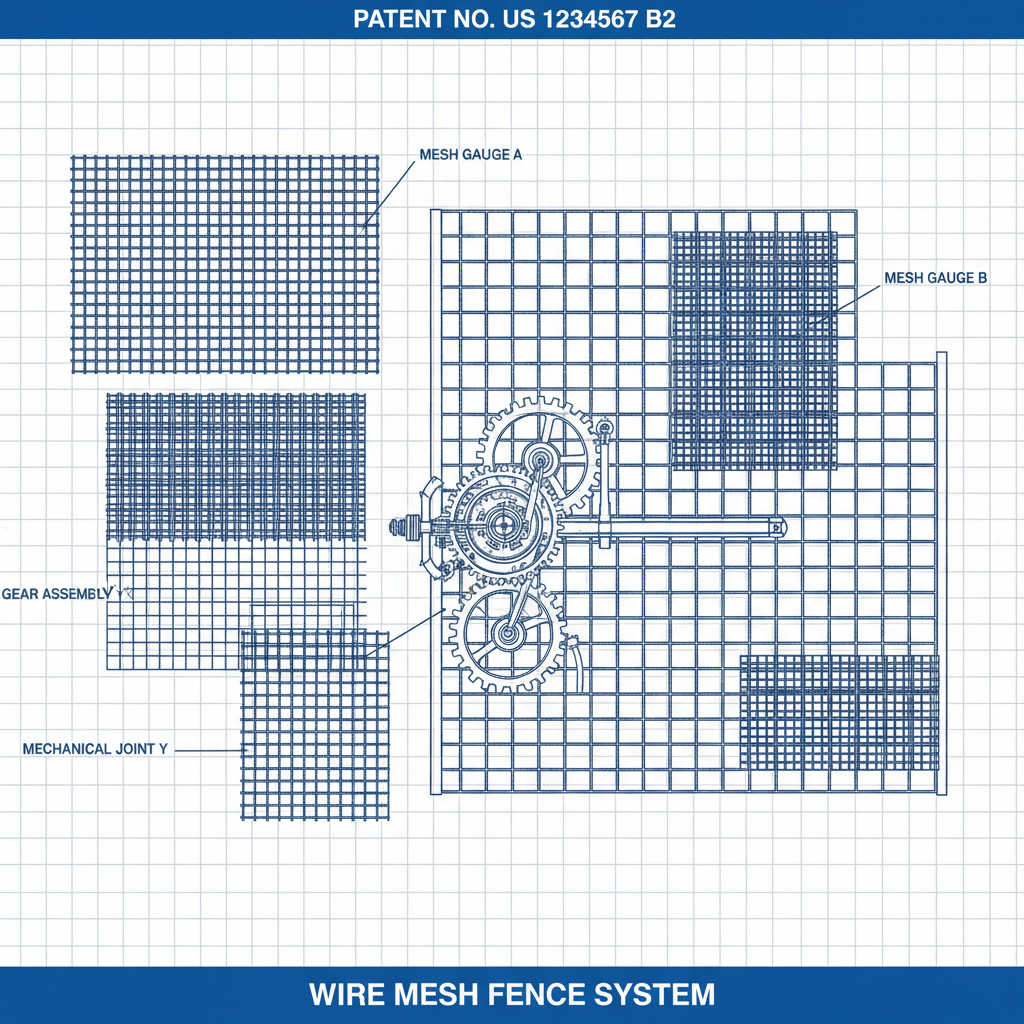
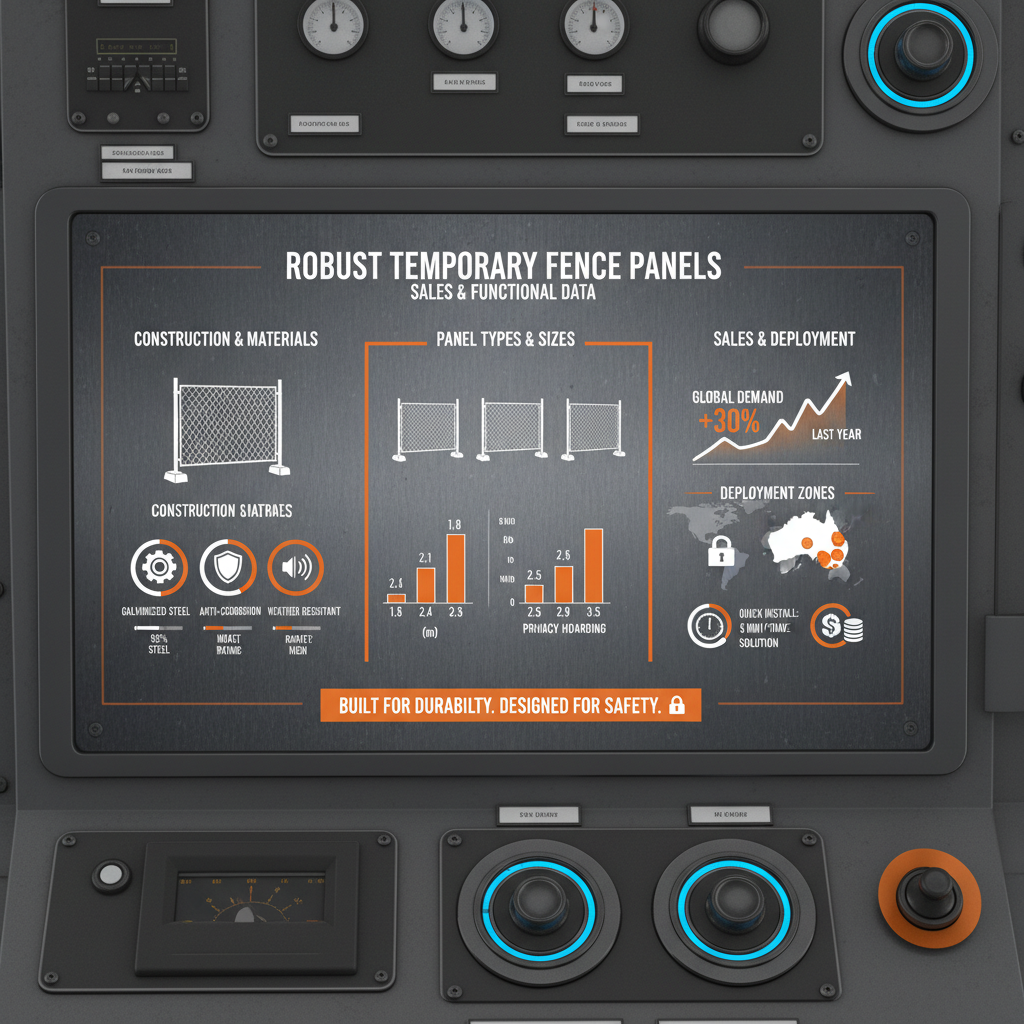
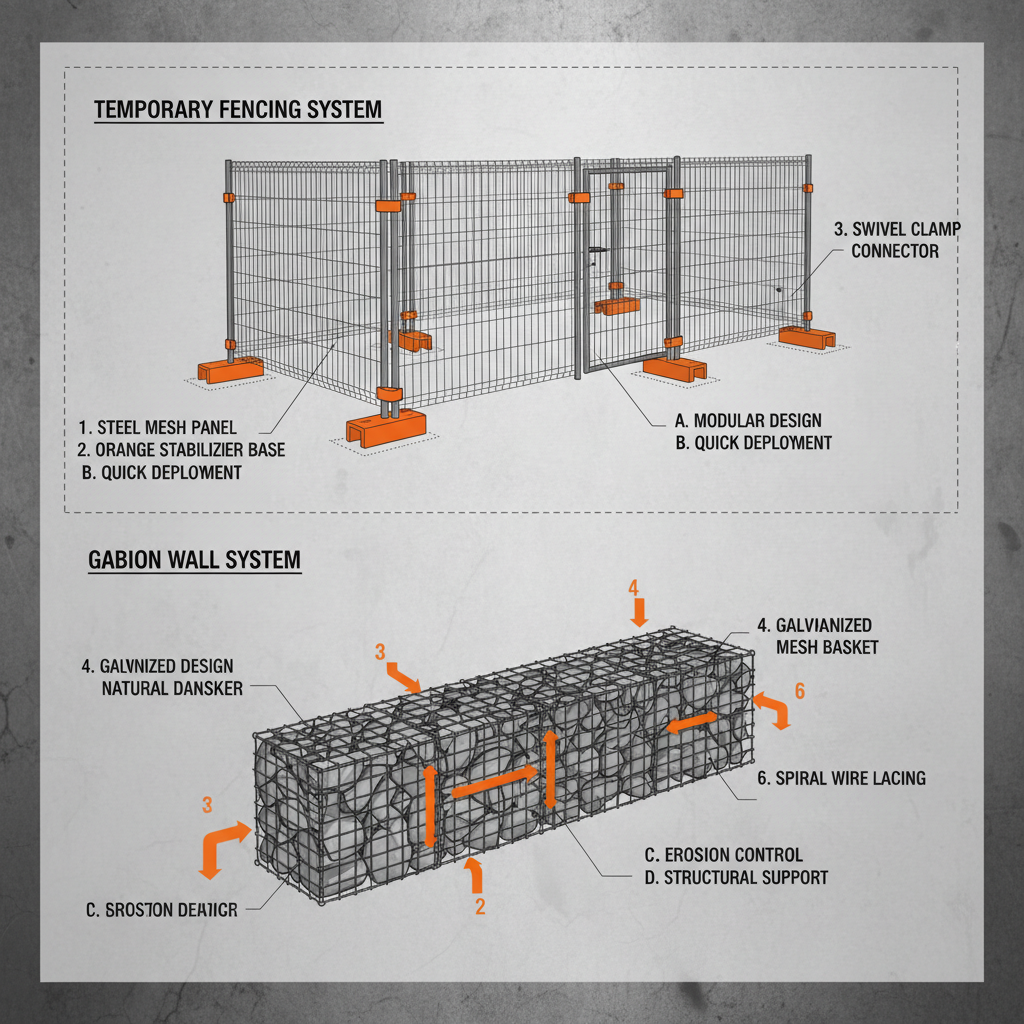
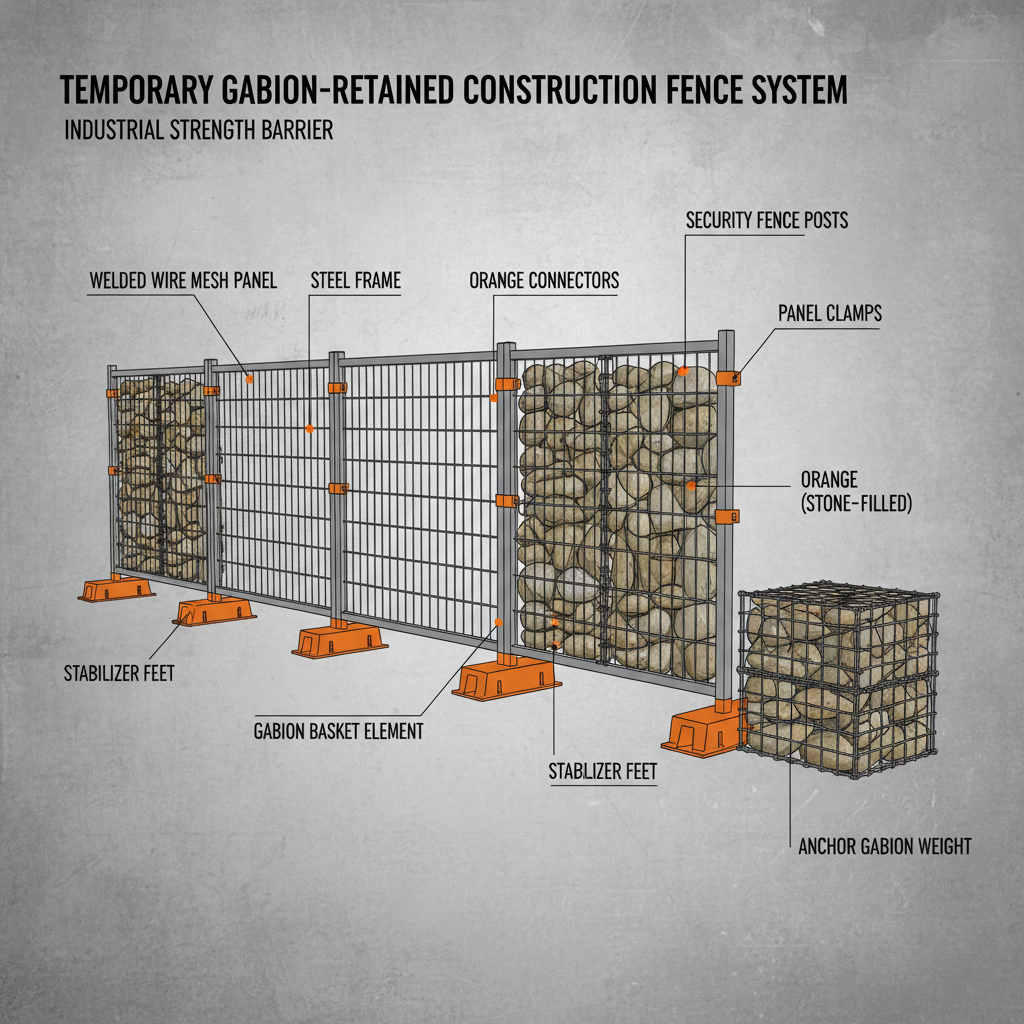
Wire mesh fence sizes are a critical component in a vast array of applications, from agricultural containment and industrial security to rapid deployment housing and humanitarian aid. Understanding the nuances of these sizes—the gauge of the wire, the mesh opening, the height and length of the fencing—is paramount for ensuring effectiveness, safety, and cost-efficiency. Properly selected wire mesh fence sizes contribute to robust enclosures, protecting assets, livestock, and even lives.
Globally, the demand for wire mesh fencing is driven by increasing infrastructure development, security concerns, and a growing need for sustainable and adaptable solutions. From sprawling urban areas to remote rural locations, wire mesh fencing provides a versatile and reliable barrier. The selection of appropriate wire mesh fence sizes is impacted by local regulations, environmental factors, and the specific requirements of the application, creating a complex landscape for buyers and specifiers.
The significance of choosing the correct wire mesh fence sizes extends beyond simple containment. Factors such as the type of animal being contained, the level of security needed, and the potential for environmental corrosion all influence the optimal size and material selection. Consequently, a comprehensive understanding of these parameters is essential for making informed decisions and maximizing the lifespan and functionality of the fencing.
The Importance of Wire Mesh Fence Sizes
Choosing the right wire mesh fence sizes isn't just about getting a barrier in place; it's about ensuring that barrier effectively meets its intended purpose. Incorrect sizing can lead to breaches in security, escapes of livestock, or even structural failures, resulting in costly repairs and potential hazards. The correct wire mesh fence sizes provide a balance between functionality, durability, and cost.
Furthermore, variations in wire mesh fence sizes cater to diverse environments and applications. Coastal regions require corrosion-resistant materials and potentially smaller mesh openings to prevent saltwater intrusion, while agricultural settings may prioritize larger openings for visibility and airflow. Understanding these nuances is critical for long-term performance and minimizing maintenance.
Defining Wire Mesh Fence Sizes
Wire mesh fence sizes are primarily defined by three key characteristics: wire gauge, mesh opening size, and fence height/length. Wire gauge refers to the thickness of the wire used, with lower numbers indicating thicker, stronger wires. Mesh opening size describes the space between the wires, typically measured in inches or millimeters. Finally, height and length determine the overall dimensions of the fence panel. wire mesh fence sizes are specified to cater to the intended application.
These dimensions are often expressed in a standardized format, such as “6-gauge, 2x2 mesh, 48-inch height.” This indicates a wire gauge of 6, a mesh opening of 2 inches by 2 inches, and a fence height of 48 inches. Different mesh patterns – welded wire, woven wire, hexagonal wire – also influence the overall characteristics and suitability of the fencing.
The specification of wire mesh fence sizes also includes consideration of the coating applied to the wire. Galvanization, vinyl coating, and powder coating are common treatments used to enhance corrosion resistance and extend the lifespan of the fencing. These coatings don’t alter the core dimensions, but they are crucial for determining long-term performance, especially in harsh environments.
Key Factors Influencing Wire Mesh Fence Sizes
Durability is a primary factor. Thicker wire gauges and smaller mesh openings generally increase the strength and resistance to damage, making the fencing more suitable for high-security applications or areas prone to vandalism. The environment also plays a crucial role; corrosive environments necessitate heavier coatings or corrosion-resistant materials.
Scalability refers to the ability to adapt the fencing to different terrains and configurations. Flexible wire mesh fencing can conform to uneven ground, while rigid panels require careful planning and installation. The height of the fence must also be considered in relation to the potential for climbing or jumping. Selecting appropriate wire mesh fence sizes to account for this is vital.
Cost-efficiency is another important consideration. While thicker wires and smaller mesh openings provide greater durability, they also increase the overall cost of the fencing. Balancing these factors to achieve the desired level of security and longevity within budget constraints is essential. The total cost should include not just the material but also installation and ongoing maintenance.
Applications Across Industries
In agriculture, wire mesh fence sizes are carefully selected to contain livestock, prevent predators from entering fields, and protect crops from wildlife. Different animal types necessitate different mesh opening sizes and heights to ensure effective containment. In industrial settings, wire mesh fencing provides security for warehouses, construction sites, and other facilities.
Security applications often demand specific wire mesh fence sizes to deter intruders and protect sensitive areas. High-security fencing utilizes smaller mesh openings, thicker wires, and reinforced construction to resist cutting, climbing, and other forms of attack. Municipalities utilize wire mesh fences for public parks, schools, and other public spaces.
Comparison of Wire Mesh Fence Sizes for Different Applications
Advantages and Long-Term Value of Proper Sizing
Selecting the correct wire mesh fence sizes translates into significant cost savings over the lifespan of the fencing. Durable materials and appropriate mesh openings reduce the frequency of repairs and replacements, minimizing maintenance expenses. A well-designed fence provides a long-term security solution.
From a sustainability perspective, choosing durable and long-lasting wire mesh fencing reduces waste and minimizes the environmental impact associated with frequent replacements. Properly sized fencing also contributes to improved safety by providing a reliable barrier against hazards and unwanted intrusions.
Future Trends in Wire Mesh Fencing
The future of wire mesh fencing is likely to see increased integration of smart technologies, such as sensors and alarms, to enhance security and monitoring capabilities. Development of more sustainable and eco-friendly materials, including recycled plastics and biodegradable coatings, are also expected.
Automation in manufacturing processes will contribute to greater precision in wire mesh fence sizes and improved quality control. Furthermore, customization options will expand, allowing customers to tailor fencing solutions to their specific needs and aesthetic preferences.
The demand for lightweight, high-strength materials, like aluminum alloys and advanced polymers, will likely increase, offering improved performance and ease of installation compared to traditional steel fencing.
Challenges and Solutions in Implementing Correct Sizes
One common challenge is accurately assessing the specific requirements of the application. Often, clients underestimate the level of security or durability needed, leading to premature failures. Proper site assessments and consultations with fencing professionals are crucial.
Another challenge lies in navigating the wide range of available wire mesh fence sizes and materials. Choosing the optimal combination can be overwhelming. Providing clear and concise specifications, along with expert guidance, can simplify the selection process.
Finally, improper installation can compromise the integrity of the fencing, even if the correct wire mesh fence sizes are selected. Employing qualified and experienced installers is essential to ensure a robust and long-lasting barrier.
Summary of Common Challenges and Solutions Related to Wire Mesh Fence Sizes
| Challenge |
Impact on Wire Mesh Fence Sizes |
Solution |
Implementation Cost (1-10) |
| Inaccurate Needs Assessment |
Undersized/Oversized Fencing |
Professional Site Assessment |
4 |
| Complex Specification Choices |
Confusion and Incorrect Selection |
Simplified Specification Guides |
3 |
| Environmental Corrosion |
Reduced Lifespan of Fencing |
Corrosion-Resistant Coatings/Materials |
6 |
| Improper Installation |
Compromised Fence Integrity |
Qualified Installation Team |
7 |
| Budget Constraints |
Compromised Quality for Cost |
Value Engineering & Material Selection |
5 |
| Lack of Long-Term Planning |
Premature Fencing Replacement |
Life Cycle Cost Analysis |
2 |
FAQS
For effectively preventing rabbits and similar small animals from entering an enclosed area, a wire gauge of 16 or lower is generally recommended. This provides sufficient strength and a small enough mesh opening to deter digging and squeezing through. Smaller mesh openings (like 1x1 inch) are preferable to larger ones. The right wire mesh fence sizes will deter unwanted guests.
The height of a wire mesh fence is critical for livestock containment, varying based on the animal type. For cattle, a minimum height of 54 inches is often recommended, while horses typically require at least 60 inches. Smaller livestock, like sheep and goats, may need lower fences but with smaller mesh openings to prevent escapes. Choosing the appropriate height and wire mesh fence sizes is crucial.
Galvanized wire mesh fencing is coated with zinc to protect against rust and corrosion, offering a good level of durability. Vinyl-coated fencing adds a layer of PVC coating over the galvanization, providing superior corrosion resistance and a more aesthetically pleasing finish. Vinyl coating also protects hands during handling and reduces the risk of injury. Considering the environment is key to selecting the best wire mesh fence sizes.
For security fencing, smaller mesh openings are generally preferred to deter cutting or climbing. A 1x1 inch or smaller opening is common for high-security applications. The level of threat and the specific security requirements should guide the selection. It's essential to choose wire mesh fence sizes that align with the level of protection needed.
Installing wire mesh fencing on uneven terrain requires careful planning and flexible materials. Using a woven wire mesh fence or a chain-link fence with tension bars can help conform to the contours of the land. Properly setting posts and ensuring consistent tension are crucial for a secure and aesthetically pleasing installation. Selecting flexible wire mesh fence sizes is highly recommended.
A properly installed wire mesh fence, using quality materials and appropriate coatings, can last for 20-30 years or even longer. Regular maintenance, such as cleaning and repairing any damage, can significantly extend its lifespan. The lifespan is also influenced by the environment and the level of corrosion resistance of the materials. Selecting the right wire mesh fence sizes is the first step toward longevity.
Conclusion
In conclusion, understanding wire mesh fence sizes is critical for a successful and cost-effective fencing project. From agricultural applications to high-security installations, choosing the correct wire gauge, mesh opening, and height significantly impacts the performance, durability, and longevity of the fence. Careful consideration of the application, environmental factors, and budget constraints is essential.
As technology advances and sustainability becomes increasingly important, the future of wire mesh fencing promises innovative materials, smart features, and more efficient installation methods. By staying informed about these trends and prioritizing quality and proper sizing, we can ensure that wire mesh fencing continues to provide reliable and effective solutions for a wide range of needs. Visit our website at www.dqfences.com to explore our wide range of wire mesh fencing options and find the perfect solution for your project.