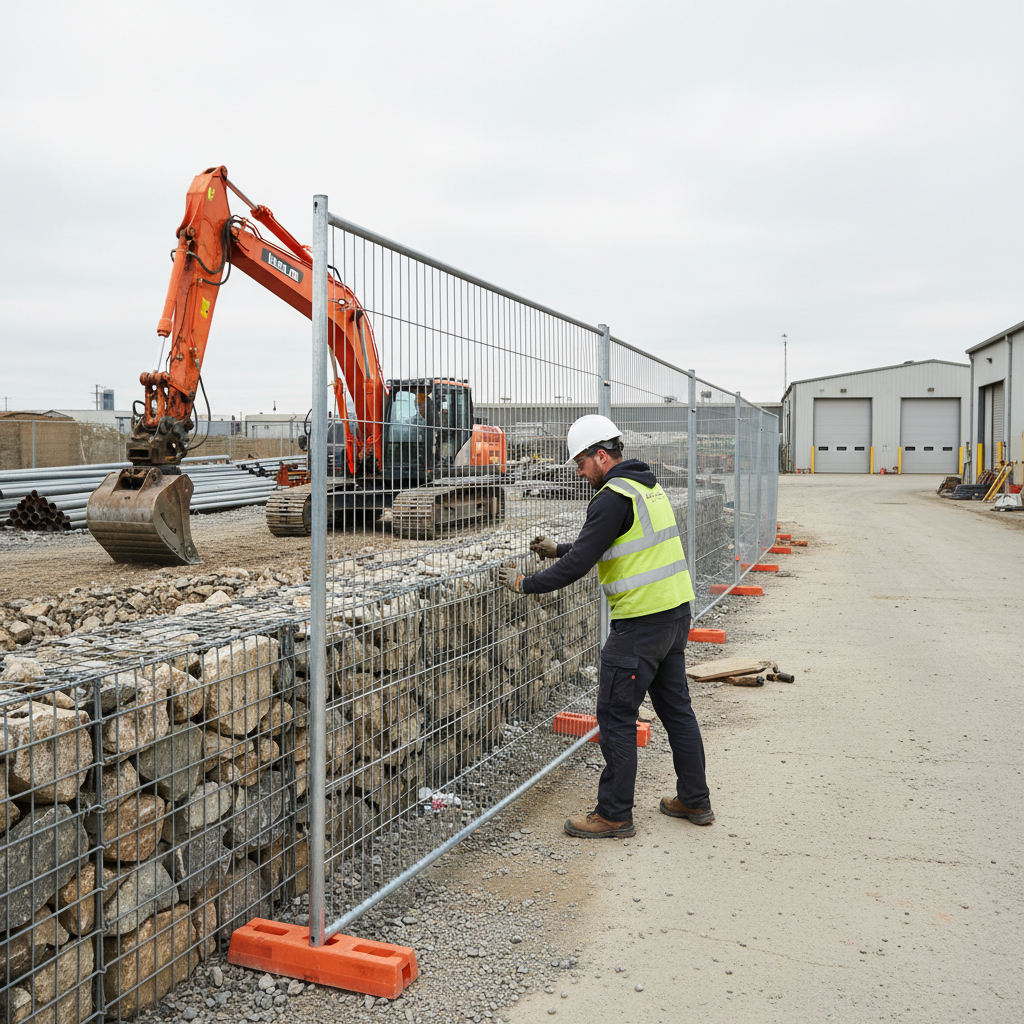
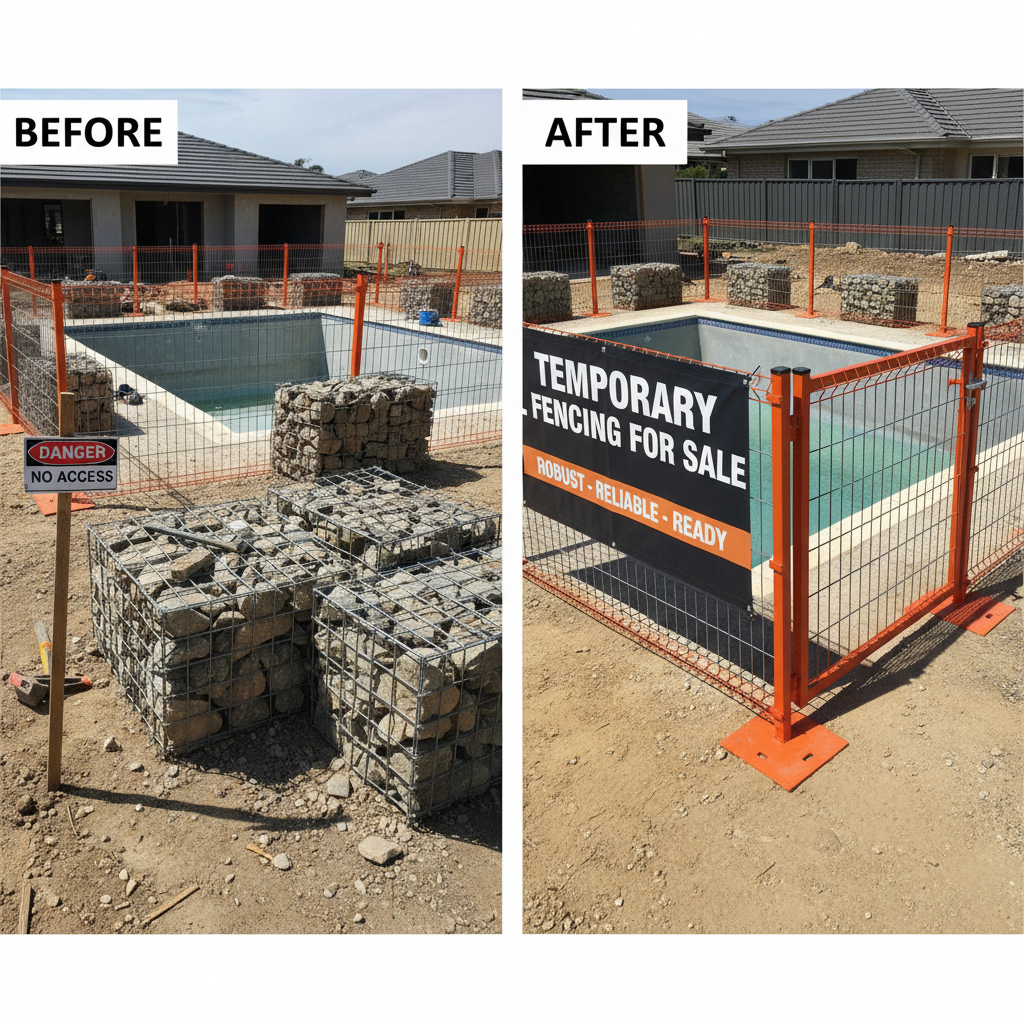
Look, I’ve been walking construction sites for over fifteen years, and you learn a thing or two about keeping things secure, safe, and moving. One thing that consistently comes up, regardless of the project – from small renovations to massive infrastructure builds – is the need for reliable perimeter control. That's where the importance of temporary construction fence really shines through. It’s not just about keeping people out; it's about protecting assets, managing access, and creating a safe working environment. We’ve all seen projects delayed and budgets blown because of security breaches or accidents stemming from poor site control. A good temporary fence setup is a fundamental layer of risk mitigation.
The demand for effective temporary solutions is skyrocketing globally. Post-disaster reconstruction, rapid infrastructure development in emerging economies, and even the boom in residential building all contribute to a massive, ongoing need. According to the UN, the global construction industry is projected to reach $18.5 trillion by 2030, and with that growth comes increased pressure to prioritize safety and security. We're seeing more complex project sites in urban areas, demanding fencing that's not only strong but also adaptable and aesthetically considerate.
Frankly, for too long, temporary fencing has been an afterthought. Something you grab off the shelf because it's cheap. But a poorly chosen fence can cause more problems than it solves. It can be a safety hazard, require constant repair, and ultimately cost more in the long run. That's why understanding the nuances of temporary construction fence – its features, applications, and the latest innovations – is critical for any project manager looking to deliver a successful, and most importantly, safe project.
The Core Importance of Temporary Construction Fence
I’ve seen firsthand the chaos that ensues when a site isn’t properly secured. Not just theft of tools and materials – which is a huge issue – but also unauthorized access that leads to safety violations and potential liabilities. A solid temporary construction fence isn’t just a line in the sand; it’s a clear message: “This is a controlled environment. Safety is paramount.” It also helps manage public perception. A clean, secure perimeter projects professionalism and demonstrates a commitment to responsible construction practices.
Choosing the right fence isn't about finding the cheapest option; it's about finding the best value. That means considering durability, ease of installation, and how well it integrates with other site security measures. There are plenty of different types available – chain link, plastic mesh, concrete barriers – and each has its strengths and weaknesses. Knowing those nuances is what separates a seasoned pro from someone just trying to get by.
Defining Temporary Construction Fence
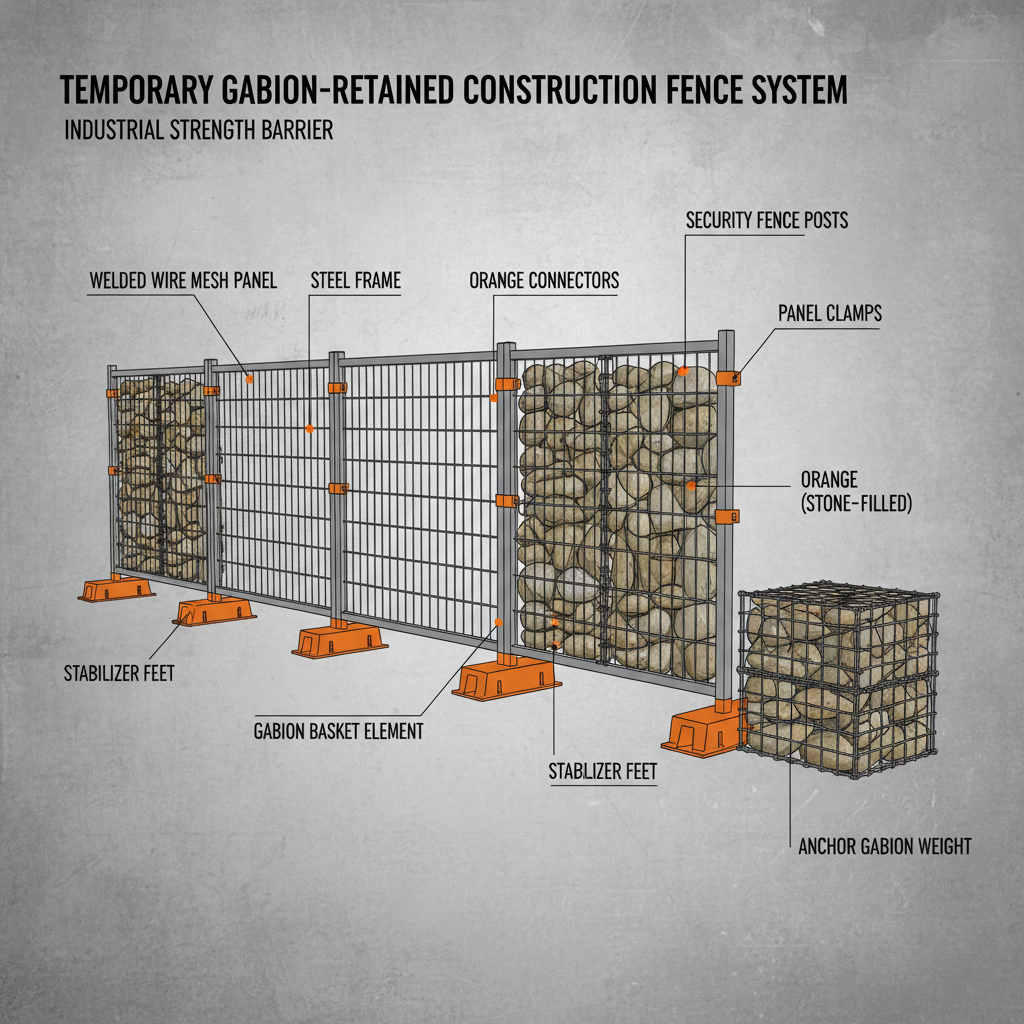
Simply put, temporary construction fence is a portable barrier system used to define and secure a construction site. It’s designed to be quickly deployed, easily adjusted, and removed when no longer needed. Unlike permanent fencing, it doesn't require extensive foundations or long-term permits. But don't let the "temporary" label fool you. Modern temporary fencing can be incredibly robust and capable of withstanding harsh weather conditions and even deliberate attempts at intrusion.
The need for these systems grew exponentially alongside the boom in rapid urbanization and large-scale infrastructure projects. We've moved beyond simply needing to 'keep people out.' Now, it’s about controlling access for subcontractors, managing deliveries, and ensuring the safety of the public, especially in densely populated areas. It’s also vital for compliance with local regulations and insurance requirements.
It’s a core component of site logistics, enabling a safe and organized workflow. Think of it as a flexible, adaptable skin for your project – one that needs to evolve alongside the construction process.
Key Factors: What Makes a Fence Work
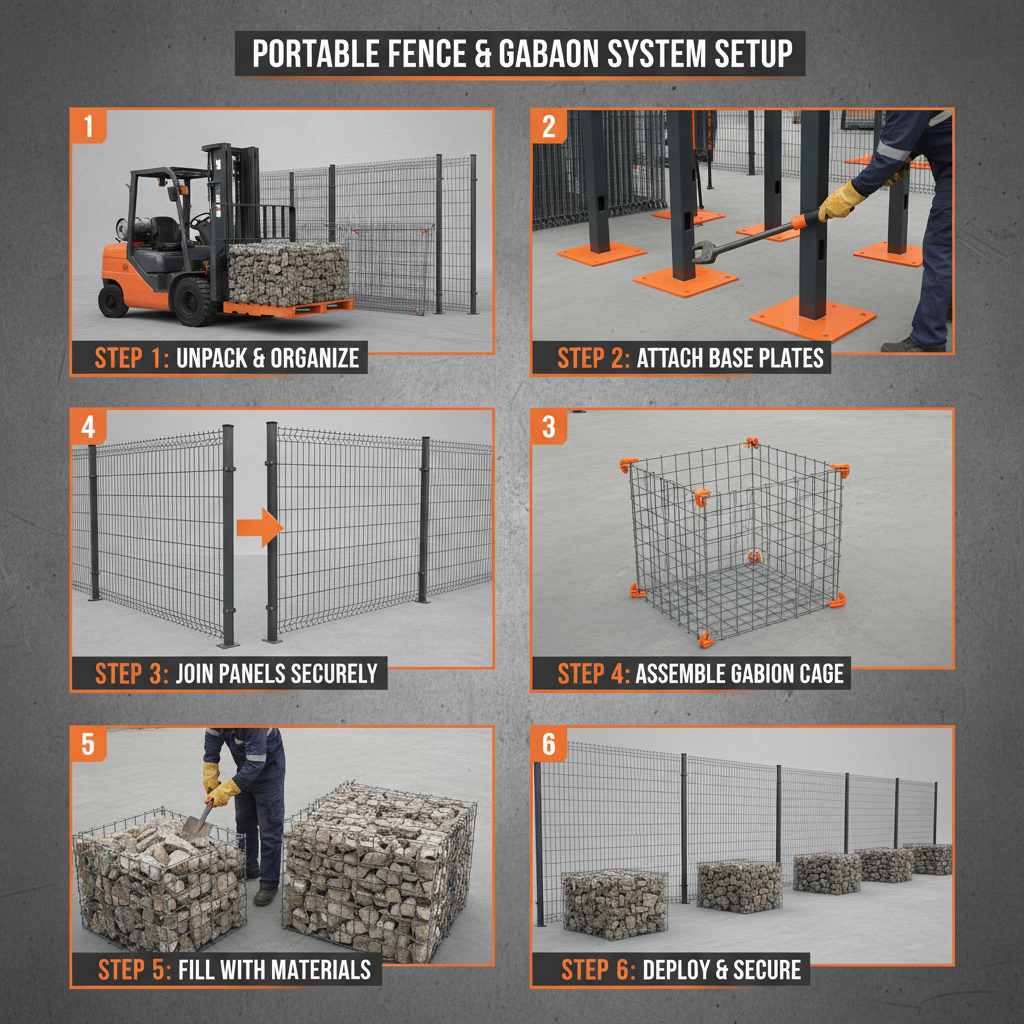
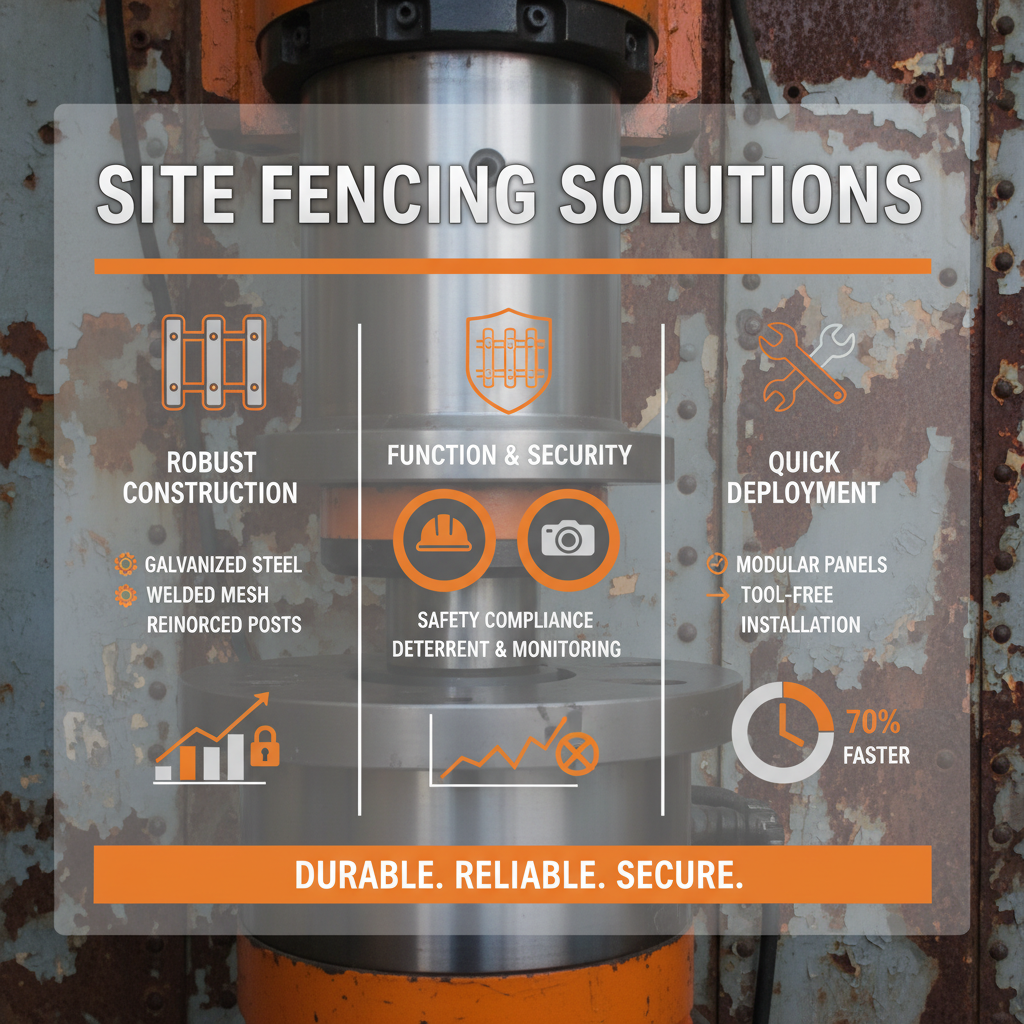
There are a few critical factors that determine the effectiveness of any temporary construction fence system. First, Durability is huge. You need something that can withstand weather, impact, and general wear and tear. Cheap plastic fencing might seem appealing upfront, but it often ends up costing more in replacements. Secondly, Ease of Installation is key. Time is money on a construction site, and wrestling with a complicated fence system just isn’t efficient.
Third, Scalability is essential. Projects change. You need a fence that can be easily extended, reconfigured, or removed as your needs evolve. Fourth, Security Level is paramount. Depending on the site and the materials stored, you may need a higher level of security, such as anti-climb features or monitored access points. Fifth, Cost-Effectiveness needs consideration. Finding a balance between price and performance is always a priority. Finally, Compliance is crucial; make sure the fence meets local regulations and safety standards.
Global Applications and Real-World Use Cases
I’ve seen temporary construction fence deployed in some pretty challenging environments. In post-disaster relief operations, for example, quick-erect fencing is critical for establishing secure zones for aid distribution and temporary housing. We used it extensively after the earthquake in Nepal, creating safe perimeters around medical camps and supply depots.
In remote industrial zones, like oil and gas fields, temporary fencing provides a secure perimeter against unauthorized access and protects sensitive equipment. I worked on a project in the Canadian oil sands where we needed to fence off a massive area – miles of perimeter – and the fencing had to withstand extreme temperatures and harsh weather.
Even in urban settings, temporary fencing is vital for managing pedestrian traffic around construction zones and preventing accidents. Think about the constant roadwork happening in major cities; that orange mesh you see everywhere is a lifeline for both workers and the public. It's also heavily used for large events, festivals, and concerts to control crowds and secure VIP areas.
Temporary Construction Fence Performance Metrics
Advantages and Long-Term Value
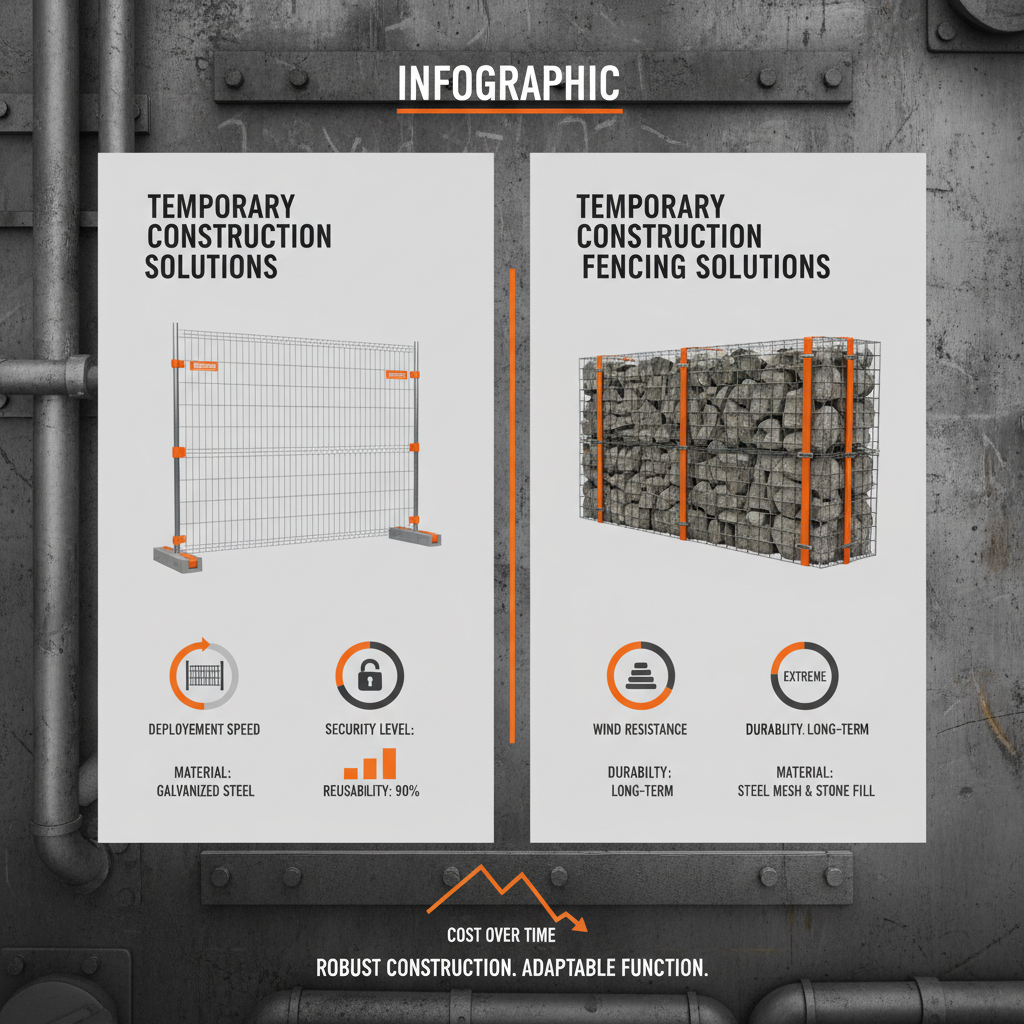
The benefits of investing in a quality temporary construction fence go far beyond just security. From a cost perspective, a durable, reusable system will save you money in the long run compared to constantly replacing cheaper alternatives. It also contributes to sustainability by reducing waste.
But perhaps the biggest advantage is the enhanced safety it provides. A secure perimeter protects workers from unauthorized access, reduces the risk of accidents, and helps maintain a safe and organized work environment. That peace of mind is invaluable. And, let’s be honest, a professional-looking site instills confidence in clients and stakeholders. It shows you care about quality and safety.
Future Trends and Innovations in Fencing
We're starting to see some really interesting innovations in the temporary fencing space. Smart fencing systems with integrated sensors and remote monitoring are becoming more common. These systems can alert you to breaches in security, monitor environmental conditions, and even track the movement of personnel on site.
There’s also a growing demand for more sustainable fencing materials – recycled plastics and biodegradable options are gaining traction. Manufacturers are also focusing on developing fencing systems that are easier and faster to install, reducing labor costs and project timelines. I predict we’ll see more modular systems that can be quickly adapted to different site configurations.
Common Challenges and Practical Solutions
One of the biggest challenges I see is dealing with uneven terrain. It’s rarely a perfectly flat construction site, and getting a fence to sit securely on sloping ground can be tricky. Using adjustable fence feet and bracing is essential in these situations. Another common issue is wind loading. In exposed areas, you need to ensure the fence is adequately anchored to withstand strong gusts.
Vandalism is also a concern, particularly in urban areas. Choosing a fence with anti-climb features and regularly inspecting it for damage can help mitigate this risk. Finally, proper storage and maintenance are crucial. Keeping the fence clean and well-maintained will extend its lifespan and ensure it’s ready when you need it.
And honestly, the biggest challenge remains simply planning ahead. Too often, fencing is an afterthought. It needs to be integrated into the overall site logistics plan from the very beginning.
Key Considerations for Temporary Construction Fence Selection
| Fence Type |
Durability Rating (1-10) |
Installation Complexity (1-10) |
Cost per Meter |
| Chain Link Fence |
8 |
6 |
$15 |
| Plastic Mesh Fence |
5 |
2 |
$8 |
| Concrete Barrier |
10 |
8 |
$40 |
| Welded Wire Mesh |
7 |
5 |
$12 |
| Crowd Control Barrier |
4 |
1 |
$5 |
| Anti-Climb Fence |
9 |
7 |
$20 |
FAQS
When selecting a temporary construction fence, prioritize durability to withstand site conditions, scalability to adapt to project changes, and ease of installation to save time and labor. Security level, cost-effectiveness, and compliance with local regulations are also essential considerations. Don’t skimp on quality; a robust fence protects assets, ensures worker safety, and avoids costly replacements.
Regular inspections are critical. At a minimum, inspect your temporary construction fencing weekly, and after any significant weather events. Look for damage, missing components, or signs of tampering. Address any issues immediately to maintain security and prevent accidents. Maintaining a log of inspections demonstrates due diligence and can be valuable in case of incidents.
Uneven ground requires specific techniques. Utilize adjustable fence feet to level the fence panels. Bracing and sandbags can provide additional support and stability. Consider using a stepped approach, adjusting the fence height to follow the contours of the land. Ensure the base of the fence is firmly anchored to prevent shifting or collapse.
Absolutely! That’s one of the key benefits of investing in quality temporary fencing. Properly maintained, fencing can be reused multiple times, saving you money in the long run. After each project, clean the fence, inspect it for damage, and store it properly to protect it from the elements. This reduces waste and increases your return on investment.
We're seeing a shift towards more sustainable materials, like recycled plastics and biodegradable options. Smart fencing systems with integrated sensors are also becoming increasingly popular. Lightweight, high-strength materials are making installation faster and easier. Manufacturers are also focusing on modular designs that offer greater flexibility and adaptability.
Legal requirements vary significantly depending on your location. It’s crucial to check with your local building department and safety regulations to ensure compliance. Requirements may cover fence height, materials, signage, and access control. Failing to comply can result in fines and project delays.
Conclusion
Investing in the right temporary construction fence isn’t just about ticking a box on a safety checklist; it’s about building a safer, more efficient, and more professional project. It's a foundational element of site control that protects your assets, your workers, and your reputation. The advantages – from cost savings and sustainability to enhanced security and peace of mind – are substantial.
Looking ahead, the industry will continue to innovate, with a focus on smarter, more sustainable, and more adaptable fencing solutions. Don’t wait until an incident happens to realize the importance of a robust perimeter. Take the time to plan carefully, choose the right materials, and prioritize safety. Visit our website at www.dqfences.com to learn more about how we can help you secure your next project.