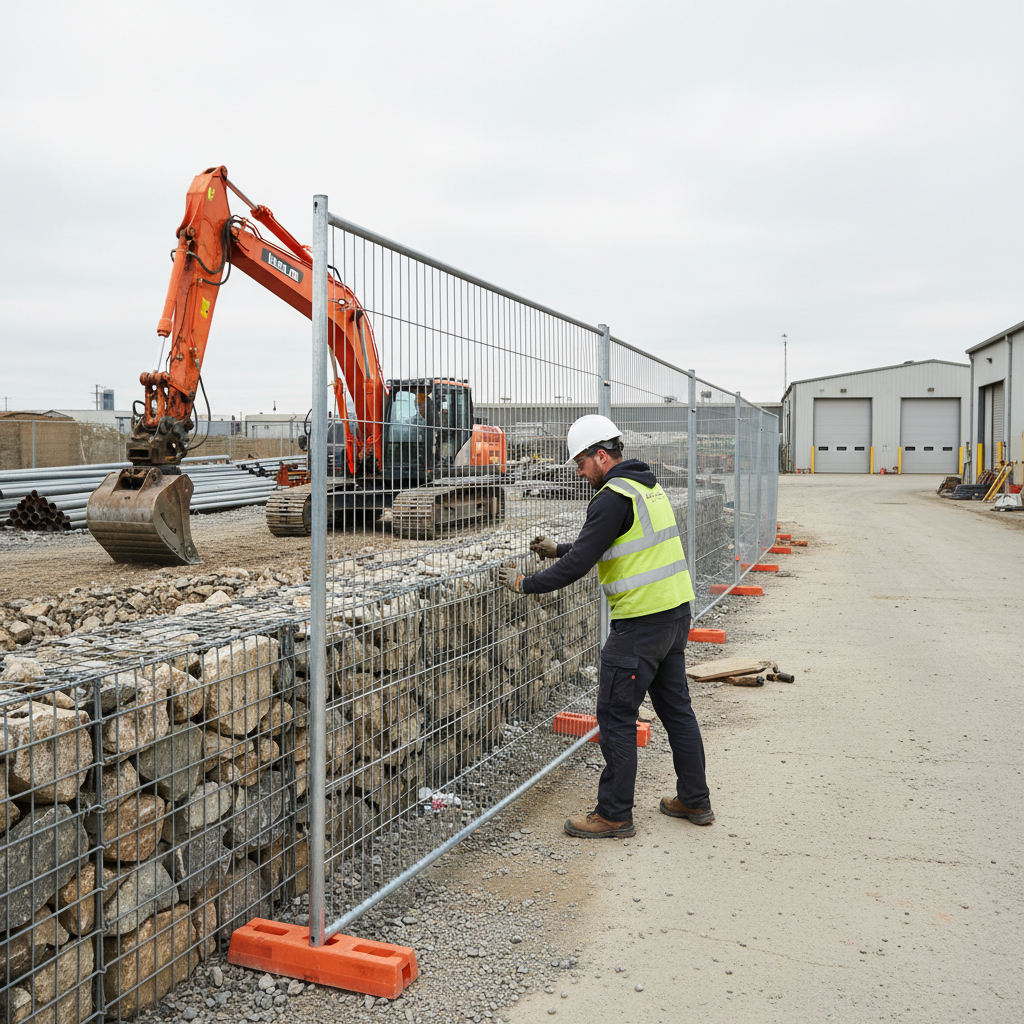
In the fast-paced world of modern construction and event management, the demand for rapid, secure, and flexible perimeter solutions has never been higher. temp fence panels provide an essential bridge between immediate site security and long-term infrastructure development, allowing project managers to delineate boundaries and protect assets without the permanence of traditional masonry.
From urban redevelopment projects in bustling metropolises to remote industrial sites, these modular systems offer a scalable response to evolving spatial needs. The ability to deploy, relocate, and reuse these panels not only optimizes operational efficiency but also significantly reduces the waste typically associated with disposable site hoarding.
Understanding the technical nuances of materials, coating options, and stability mechanisms is crucial for ensuring site safety and regulatory compliance. By leveraging high-grade galvanized steel and intuitive locking systems, temp fence panels ensure that security is never compromised, regardless of the environmental challenges or the duration of the project.
Global Market Context of Temp Fence Panels
The global construction landscape is currently undergoing a paradigm shift toward modularity and rapid deployment. Industry data suggests that the integration of temp fence panels has become standard practice across ISO-certified sites to mitigate risks associated with unauthorized access and site accidents. As urban density increases, the necessity for precise, non-permanent boundaries becomes a logistical imperative.
Moreover, the rise in temporary infrastructure for large-scale public events and disaster relief operations has pushed the demand for high-durability, lightweight fencing. The challenge remains in balancing the need for extreme structural stability with the requirement for rapid assembly, a gap that modern engineering in galvanized steel has successfully filled.
Defining Temp Fence Panels and Their Industrial Role
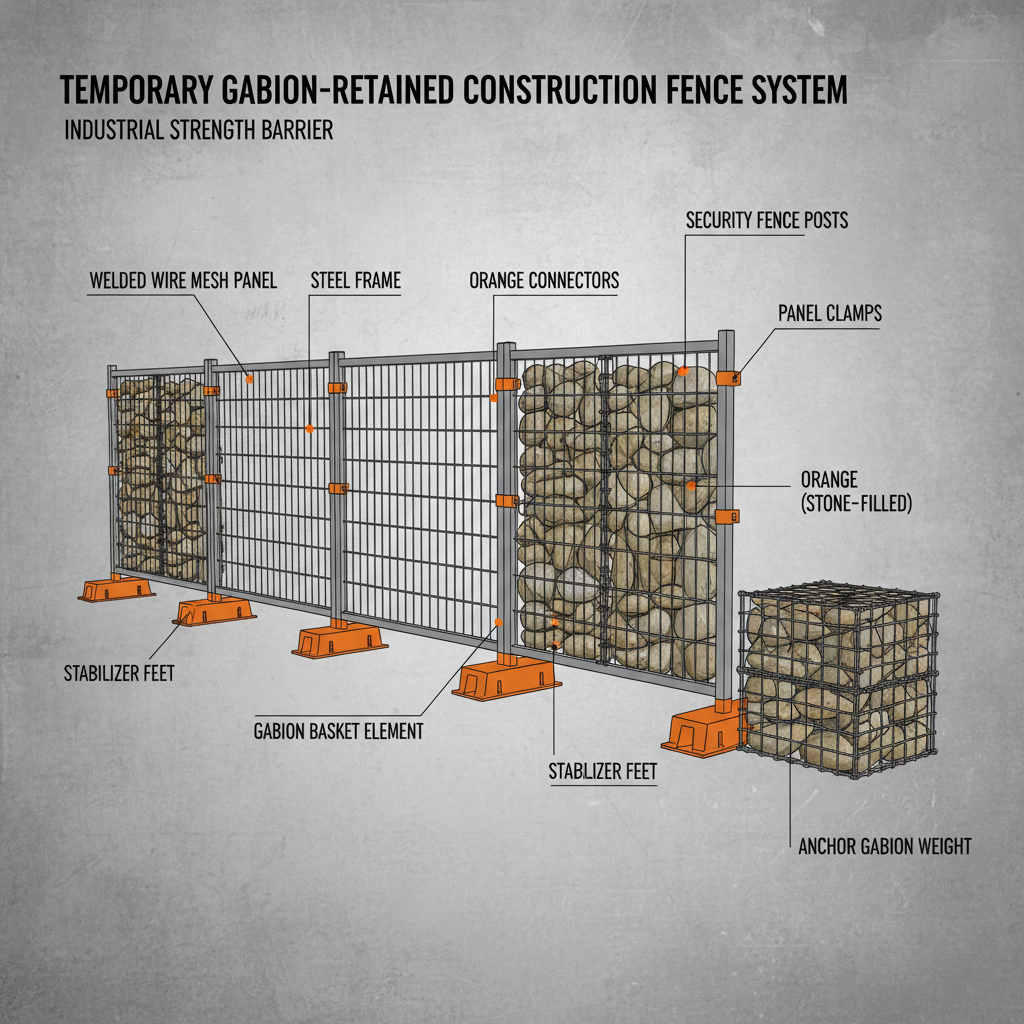
At its core, temp fence panels are prefabricated, modular barrier units designed for short-to-medium term installation. Unlike permanent welded fences, these systems utilize a clamp-and-foot mechanism that allows them to be erected and dismantled without the need for concrete foundations, making them an environmentally conscious choice for temporary site management.
In the context of modern industrial needs, these panels serve as a critical safety layer. They are not merely physical barriers but are integrated into a broader site security strategy that involves crowd control, hazardous area demarcation, and the protection of high-value construction machinery from theft and vandalism.
The connection to humanitarian needs is equally significant. In post-disaster scenarios or refugee camp setups, these panels provide immediate organization and security, allowing NGOs and government agencies to establish safe zones quickly. The versatility of the design ensures that they can be adapted to various terrains, from sandy coastlines to rocky industrial zones.
Core Components for High-Performance Fencing
The effectiveness of temp fence panels relies heavily on the quality of the galvanization process. Hot-dip galvanizing ensures that the steel remains resistant to oxidation and corrosion, even when exposed to harsh maritime environments or acidic industrial pollutants, thereby extending the lifecycle of the equipment.
Scalability is achieved through the intuitive interlocking mechanism. By using standardized dimensions, temp fence panels can be expanded linearly or configured into complex shapes to surround irregular site footprints, ensuring no gaps are left for potential security breaches.
Stability is the third pillar, typically managed through specialized foot plates—either flat or spiked. These supports distribute the weight of the panel and resist wind loads, preventing the fence from tipping over during severe weather, which is a critical safety requirement for any professional construction site.
Performance Metrics and Cost Efficiency
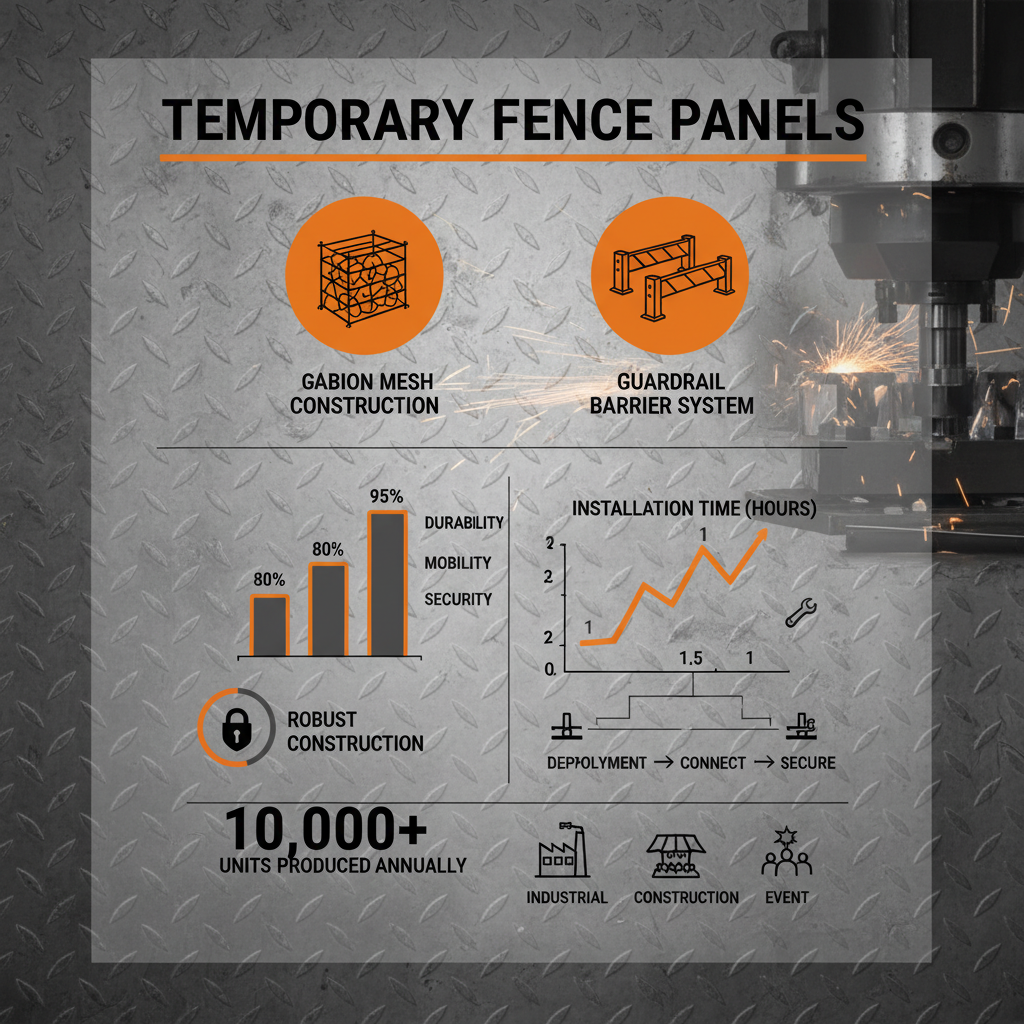
When analyzing the return on investment for temp fence panels, the focus shifts from the initial purchase price to the "cost-per-use" metric. Because these panels are designed for hundreds of deployments, the long-term expenditure is significantly lower than utilizing disposable wooden hoarding or temporary fabric barriers.
The efficiency is further amplified by the reduction in labor hours. A skilled crew can install hundreds of meters of modular fencing in a fraction of the time required for traditional methods, directly reducing the operational overhead of project startup phases.
Comparative Efficiency of Temp Fence Panels Systems
Diverse Global Applications and Use Cases
In North American and European urban centers, temp fence panels are ubiquitous in roadwork and utility repairs. They provide a clear visual warning to pedestrians and motorists while ensuring that dangerous open pits or machinery are inaccessible to the public, thereby reducing the liability of the contractor.
In the Asia-Pacific region, these systems are frequently employed in rapid industrialization zones. For instance, in large-scale manufacturing plant expansions, they are used to segregate active production zones from construction areas, allowing business continuity while the facility grows.
Long-term Value and Sustainability Benefits
The sustainability profile of temp fence panels is one of their strongest commercial advantages. Because steel is infinitely recyclable, these panels contribute to a circular economy. When a panel finally reaches the end of its usable life, it can be melted down and repurposed without loss of quality.
Beyond the environmental impact, there is an emotional value linked to safety and trust. A site that is professionally secured with high-quality panels signals a level of professionalism and care for public safety, which enhances the reputation of the construction firm and builds trust with the surrounding community.
Furthermore, the ability to rent and return these systems means that small-scale contractors can access professional-grade security without the heavy capital expenditure of purchasing equipment, democratizing high-safety standards across the industry.
Future Innovations in Temporary Perimeter Security
The future of temp fence panels is leaning toward "smart" integration. We are seeing the emergence of panels equipped with IoT sensors that can detect breaches or vibrations in real-time, sending instant alerts to site managers via mobile applications, thus transforming a passive barrier into an active security system.
Material science is also evolving, with the introduction of lightweight high-strength alloys and advanced polymer coatings that offer even greater corrosion resistance than traditional galvanizing. These innovations aim to reduce the carbon footprint associated with transporting heavy steel panels over long distances.
Automation is another key trend, with the development of rapid-deployment mechanical systems that can unfold and lock panels into place with minimal human intervention, significantly increasing the speed of site mobilization.
Technical Analysis of Temp Fence Panels Material Variations
| Material Type |
Corrosion Resistance |
Installation Speed |
Lifespan (Years) |
| Hot-Dip Galvanized |
High |
Fast |
15-20 |
| Electro-Galvanized |
Medium |
Fast |
5-10 |
| PVC Coated Steel |
Very High |
Medium |
20+ |
| Aluminum Alloy |
High |
Very Fast |
10-15 |
| Powder Coated |
Medium-High |
Fast |
10-12 |
| Standard Mild Steel |
Low |
Fast |
2-5 |
FAQS
Unlike wooden hoarding, temp fence panels are modular, reusable, and significantly faster to install. They offer better visibility for safety while providing a more durable barrier that doesn't rot or warp. Additionally, they have a much lower environmental impact since they are made of recyclable steel and don't require permanent ground penetration.
The lifespan depends on the coating. Hot-dip galvanized temp fence panels can last 15-20 years even in humid conditions. For extreme maritime environments, PVC-coated options are recommended as they provide an extra layer of protection against salt spray and moisture, effectively preventing rust for two decades or more.
Yes, provided they are installed with the correct support systems. By using heavy-duty foot plates and additional bracing or wind-load supports, temp fence panels can remain stable in high-wind areas. It is always recommended to consult a site engineer to determine the necessary bracing based on local wind speed data.
Most manufacturers offer standardized sizes for compatibility, but custom dimensions are possible for specialized industrial requirements. Whether you need extra height for high-security zones or narrower panels for tight urban corridors, temp fence panels can be fabricated to meet specific site blueprints.
Because they are flat-packed and modular, temp fence panels can be stacked vertically on pallets, maximizing truck space. For storage, it is best to keep them in a dry area or on raised racks to prevent ground moisture from affecting the bottom edges of the frames.
Yes, when sourced from reputable manufacturers, temp fence panels are designed to meet OSHA and ISO safety standards. They ensure clear demarcation of danger zones and provide the necessary physical deterrent to prevent unauthorized access, which is a key requirement for site safety audits.
Conclusion
In summary, temp fence panels represent a critical intersection of security, efficiency, and sustainability. By transforming a simple boundary into a modular system of high-grade galvanized steel, industries can ensure site safety and asset protection while maintaining the flexibility required for modern, dynamic project management. The long-term value is found not just in the physical barrier, but in the reduced labor costs and the commitment to environmental stewardship through material recyclability.
Looking ahead, the integration of smart technology and advanced materials will continue to elevate the role of temporary fencing from a passive tool to an intelligent security asset. For project managers and developers, investing in high-quality, durable modular solutions is no longer optional—it is a strategic necessity for operational success and public safety.
Visit our website for more professional fencing solutions: www.dqfences.com