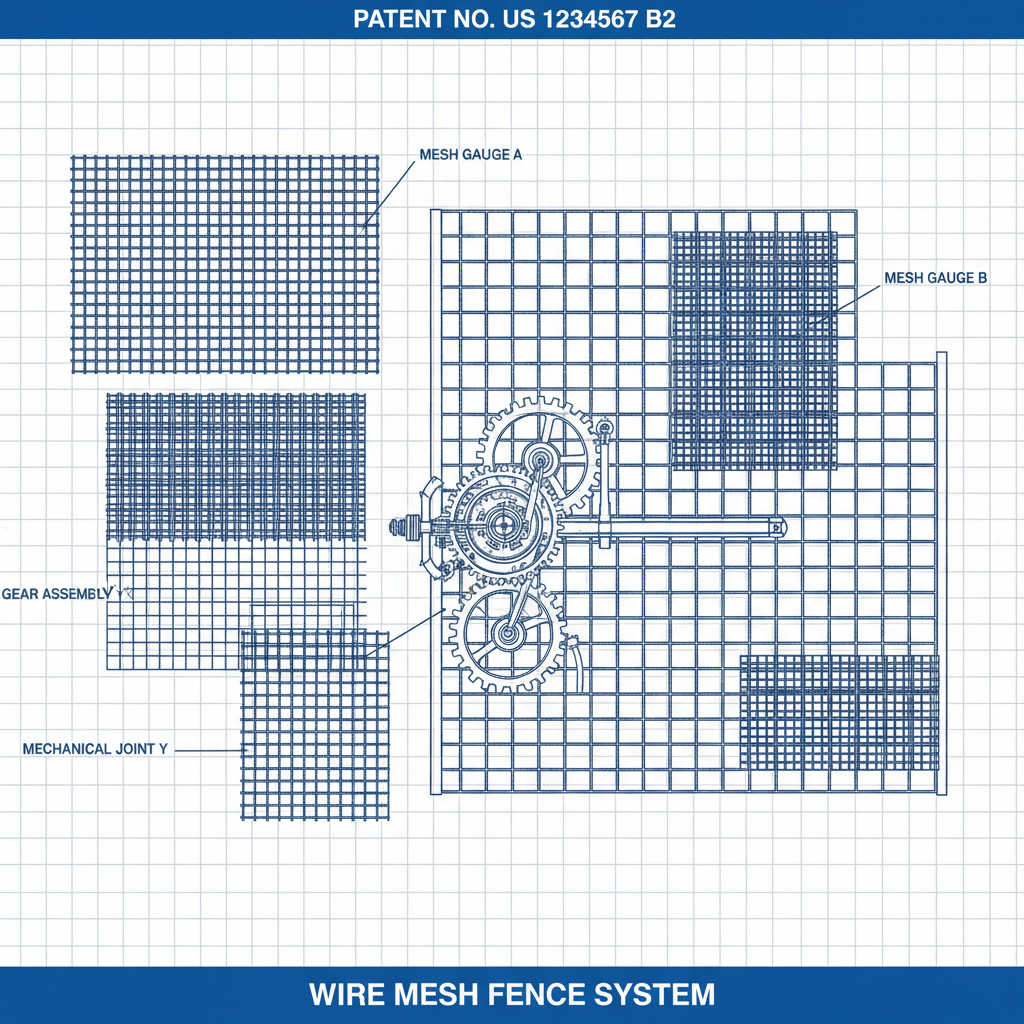
Ensuring the safety of aquatic environments has become a paramount concern for homeowners and commercial property managers globally. A portable pool fence offers a versatile and immediate solution to mitigate the risk of accidental drownings, providing a critical barrier without the need for permanent structural alterations to the landscape.
In the broader context of the metal products industry, the evolution of safety barriers has shifted toward modularity and rapid deployment. Modern engineering allows these fences to balance high tensile strength with lightweight portability, ensuring that safety does not come at the cost of aesthetic appeal or operational flexibility.
Understanding the technical nuances of a portable pool fence—from its material composition to its installation mechanism—is essential for anyone seeking a reliable, non-permanent security measure that complies with international safety standards while remaining adaptable to various pool shapes and sizes.
Global Relevance of Portable Pool Fence Systems
On a global scale, the demand for temporary safety solutions has surged as residential pool ownership increases in developing urban areas. According to international safety guidelines and ISO standards for barrier heights and gap widths, the implementation of a portable pool fence addresses a critical gap for families who require seasonal protection or temporary barriers during home renovations.
The challenge often lies in the rigidity of local building codes, which frequently mandate permanent installations that can be costly and invasive. By utilizing high-grade welded wire mesh and modular posts, the industry has created a viable alternative that meets safety benchmarks while allowing the user to reclaim their space when the barrier is no longer needed.
Defining the Mechanics of Portable Pool Fences
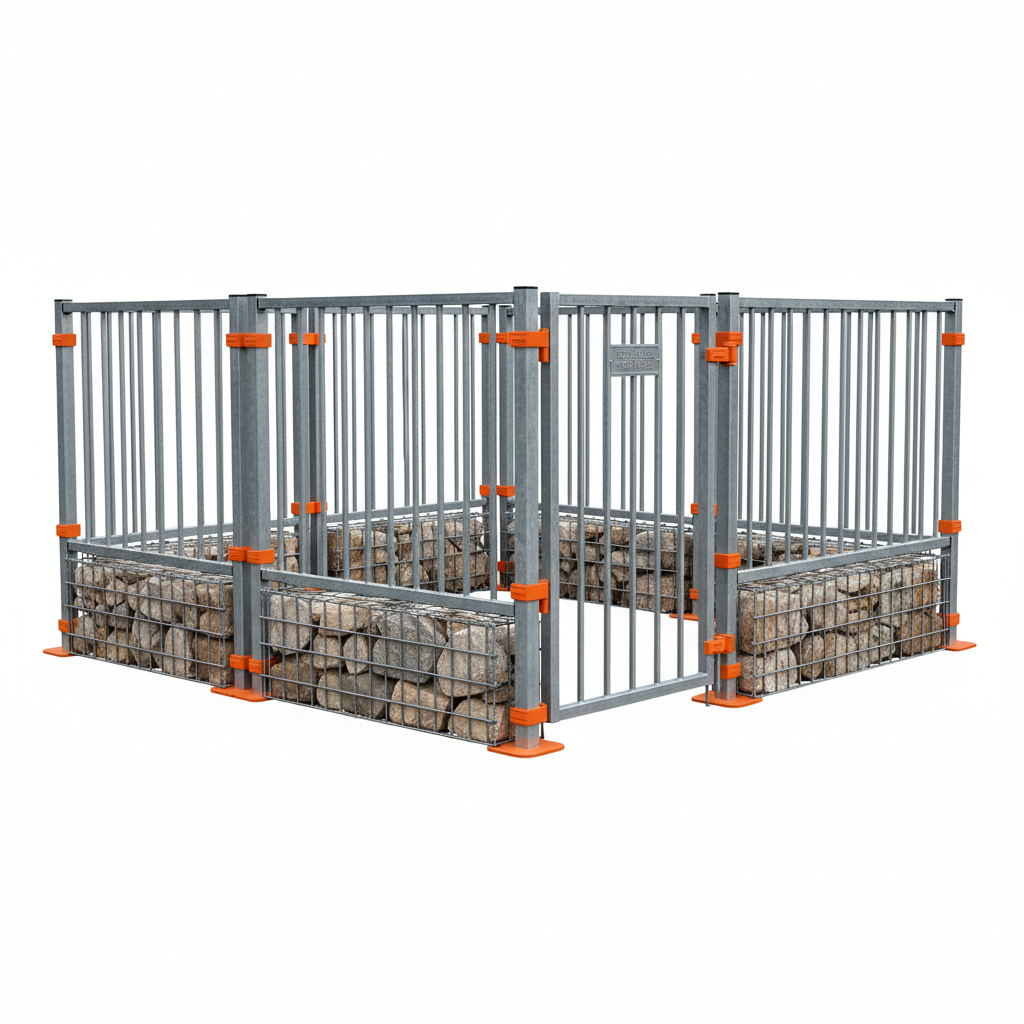
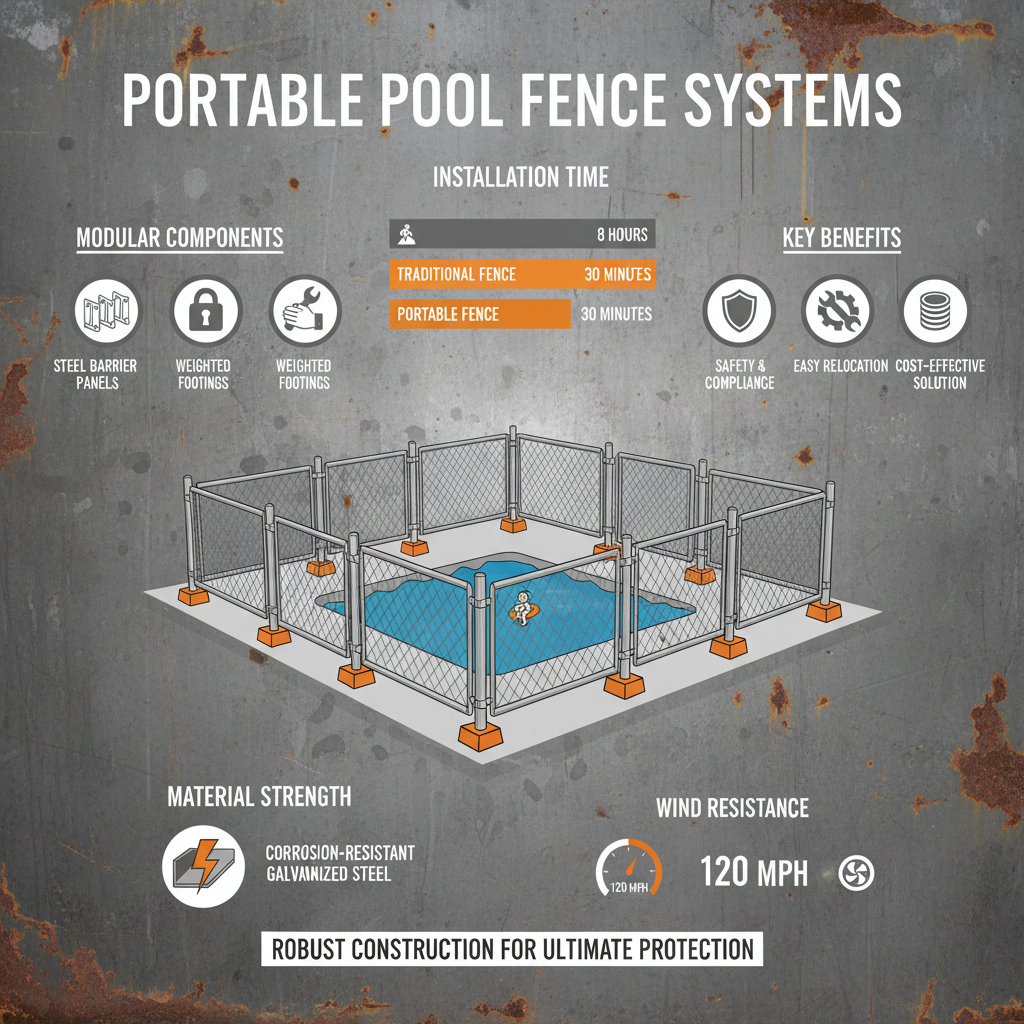
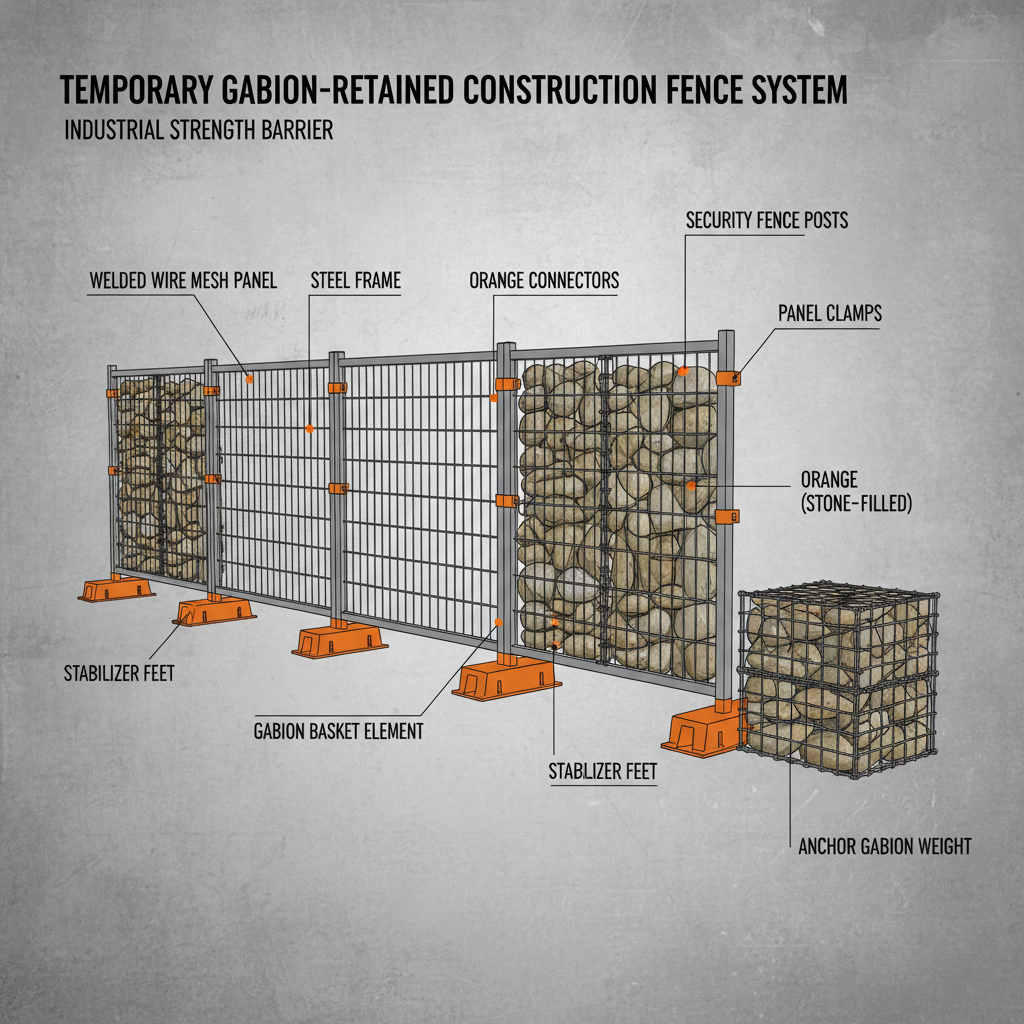
A portable pool fence is essentially a removable safety perimeter designed to prevent unsupervised access to swimming pools. Unlike traditional fences that are anchored deep into concrete, these systems typically employ weighted bases, tension-based anchoring, or interlocking panel systems that provide stability without permanent damage to the pool deck.
From an industrial perspective, these systems are a marriage of material science and ergonomic design. They utilize galvanized steel or powder-coated aluminum to resist the corrosive effects of chlorine and salt water, ensuring that the structural integrity of the fence remains intact over multiple seasons of use.
Beyond simple physical barriers, these solutions serve a humanitarian purpose by reducing the incidence of childhood accidents. In many regions, the ability to quickly deploy a safety perimeter allows for immediate risk management in temporary housing or vacation rentals where permanent fencing is not feasible.
Core Components for Maximum Durability
The effectiveness of a portable pool fence relies heavily on its structural components. High-tensile wire mesh is the primary defense, engineered to prevent climbing and ensuring that gaps are narrow enough to stop a small child from squeezing through, typically adhering to a maximum gap of 4 inches.
Corrosion resistance is the most critical factor for longevity. By employing a hot-dip galvanization process or advanced powder coating, a portable pool fence can withstand harsh outdoor environments, including high humidity and chemical exposure, preventing rust and structural degradation over time.
Lastly, the locking mechanisms must be intuitive yet secure. Self-closing gates and child-proof latches are integrated into the design of the portable pool fence to ensure that the barrier remains closed even after a user forgets to latch it, eliminating human error from the safety equation.
Global Applications and Use Cases
The application of the portable pool fence extends far beyond residential backyards. In the hospitality industry, resorts often use these modular systems to create temporary "child-safe zones" around communal pools during peak holiday seasons, allowing them to adjust the restricted area based on occupancy and guest demographics.
In industrial or commercial zones, such as temporary worker housing or facility maintenance sites, these fences are used to secure water reservoirs or decorative pools. Their ability to be transported and re-installed makes them an ideal choice for organizations that operate across multiple sites and require a standardized safety protocol.
Efficiency Analysis of Portable Pool Fence Configurations
Long-Term Value and Safety Benefits
Investing in a portable pool fence provides tangible economic value by avoiding the high labor and material costs associated with permanent masonry or heavy-duty steel installations. For renters or those in temporary housing, it represents a one-time purchase that can be moved from property to property, maintaining a constant level of safety regardless of the location.
Beyond the financial aspect, the emotional value is immeasurable. The peace of mind provided by a reliable barrier allows parents and caregivers to focus on leisure rather than constant surveillance. This marriage of logical cost-efficiency and the emotional necessity of safety makes the portable pool fence an indispensable tool in modern home management.
Future Innovations in Pool Barrier Technology
The future of the portable pool fence is leaning heavily toward the integration of smart materials. We are seeing the emergence of carbon-fiber reinforced polymers that offer the strength of steel with a fraction of the weight, making deployment even faster and easier for the end-user.
Digital transformation is also making its mark, with the introduction of IoT-enabled sensors. Future iterations of these fences may include sensors that alert a smartphone via an app the moment a gate is left open or if the fence is pushed or tampered with, adding a layer of electronic security to the physical barrier.
Sustainability is another driving force. Manufacturers are moving toward recycled aluminum and eco-friendly powder coatings that reduce the environmental footprint of production. This ensures that the portable pool fence not only protects lives but also respects the planet.
Overcoming Challenges in Fence Deployment
One of the most common challenges with a portable pool fence is the "gap issue" caused by uneven pool decks. To solve this, industry experts are developing adjustable-height base plates and flexible mesh extensions that can contour to the terrain, ensuring there are no crawl-spaces beneath the fence.
Another limitation is the perception of stability compared to permanent walls. This is being addressed through the engineering of hybrid anchoring systems—using lightweight ground screws that provide immense stability but can be removed in minutes without leaving a lasting mark on the surface.
Lastly, navigating varying international regulations can be daunting for consumers. The solution lies in the adoption of a "universal safety standard" design, where a portable pool fence is manufactured to exceed the strictest global codes (such as those in Australia or the US), making it compliant regardless of where it is deployed.
Comparative Analysis of Portable Pool Fence Deployment Methods
| Deployment Type |
Installation Speed |
Surface Impact |
Stability Score |
| Weighted Base |
Very Fast |
Zero |
7/10 |
| Ground Screw |
Moderate |
Minimal |
9/10 |
| Tension-Fit |
Fast |
Zero |
8/10 |
| Interlocking Panel |
Fast |
Zero |
6/10 |
| Hybrid Anchor |
Moderate |
Minimal |
10/10 |
| Modular Clamp |
Fast |
Low |
7/10 |
FAQS
Yes, when engineered with high-tensile materials and secure anchoring (like ground screws or heavy bases), a portable pool fence provides a robust physical barrier that prevents unsupervised entry. While a permanent wall is physically immovable, a high-quality portable system meets the same safety standards for height and gap spacing, providing equivalent protection against accidental access.
Depending on the configuration, installation typically ranges from 30 minutes to 3 hours. Systems using weighted bases or interlocking panels are the fastest to deploy, requiring almost no tools. Those utilizing ground screws may take slightly longer but offer superior stability in windy conditions or high-traffic areas.
Premium portable pool fences are treated with hot-dip galvanization or industrial-grade powder coating. These processes create a protective layer that shields the metal from oxidation and the corrosive effects of chlorine and salt water. Regular rinsing with fresh water can further extend the lifespan of the coating.
In most jurisdictions, any barrier that meets specific height and gap requirements is considered compliant. However, laws vary. We recommend choosing a system that exceeds international ISO standards to ensure it meets the most stringent local safety codes. Always check with your local building authority for specific mandates.
Absolutely. The core advantage of a portable pool fence is its modularity. You can add or remove panels and reposition the poles without any demolition. This flexibility makes it ideal for those who periodically change their backyard configuration or move between different properties.
Maintenance is minimal. We suggest checking the tightness of the locking mechanisms and the stability of the bases once a month. Periodically wiping down the mesh with a damp cloth to remove chemical buildup will prevent surface wear and keep the fence looking new for years.
Conclusion
The adoption of a portable pool fence represents a smart convergence of safety, flexibility, and cost-efficiency. By utilizing advanced metal fabrication and modular design, these systems provide a critical line of defense against aquatic accidents without the permanence or expense of traditional fencing. From the use of corrosion-resistant coatings to the implementation of child-proof locking systems, every aspect is engineered to prioritize life safety.
Looking forward, the integration of smart sensors and sustainable materials will only enhance the value of these barriers. For homeowners and commercial operators alike, prioritizing a high-quality, adaptable safety solution is not just a matter of compliance, but a commitment to protecting the most vulnerable. We encourage you to evaluate your pool safety needs today. Visit our website: www.dqfences.com