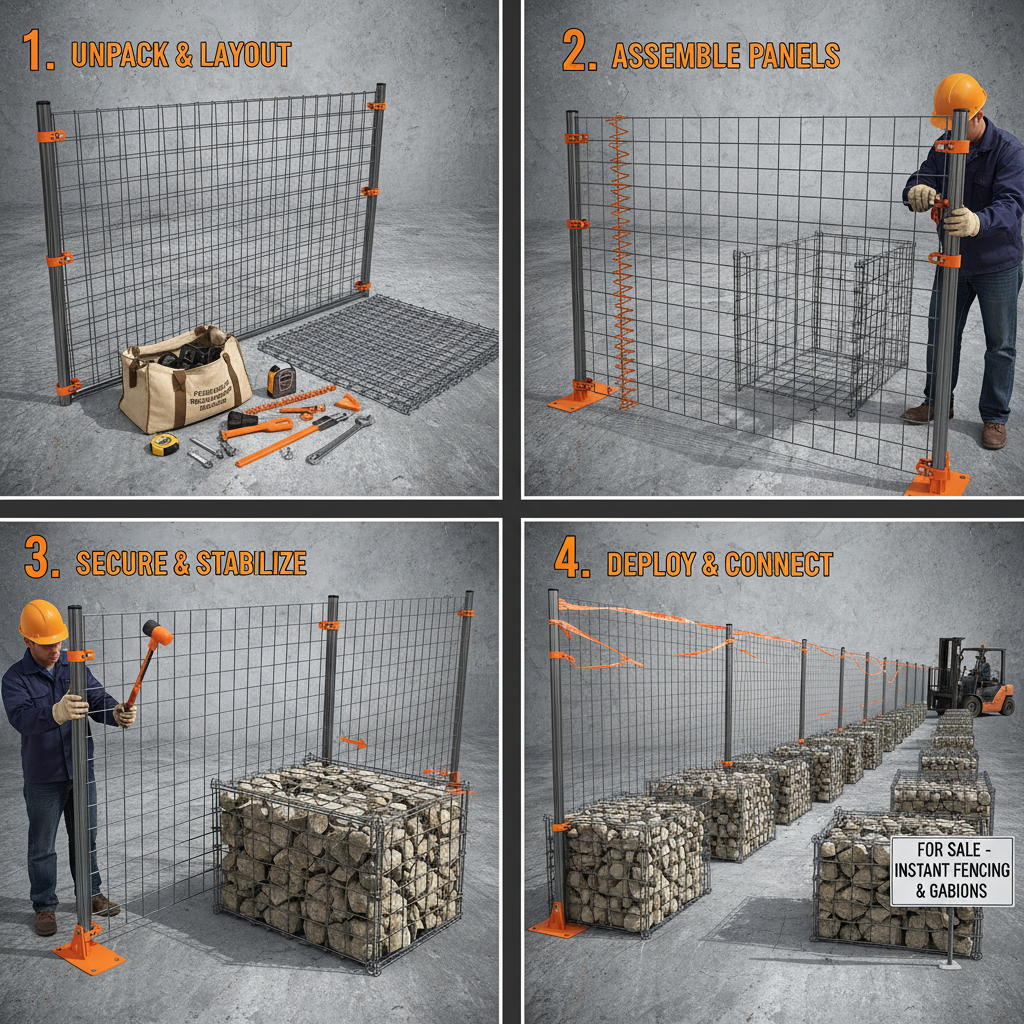
In the modern landscape of construction and facility management, the demand for versatility has led to the rise of the removable fence, a solution designed to provide security without the permanence of traditional masonry or welded installations. Whether it is for managing crowds at a large-scale event or creating temporary livestock boundaries, these systems offer an unparalleled balance of strength and flexibility. Understanding the nuances of these modular systems is essential for any project manager looking to optimize site logistics and resource allocation.
Globally, the shift toward modularity is not just a trend but a response to the increasing need for rapid deployment and sustainable land use. The ability to install a high-quality barrier and subsequently remove it without leaving permanent scars on the landscape is a critical requirement for environmental compliance and urban planning. As industries evolve, the removable fence has become a cornerstone for those who require professional-grade security that can adapt to changing spatial requirements in real-time.
By integrating advanced metallurgical processes and intuitive interlocking mechanisms, today's temporary fencing solutions solve the age-old conflict between stability and portability. From agricultural zones in Australia to industrial hubs in Europe, the adoption of these systems reduces long-term labor costs and material waste. This guide explores the technical specifications, global applications, and future innovations that make the modern removable fencing system an indispensable tool in the metal products industry.
Global Industry Context of Removable Fence
The global market for perimeter security is undergoing a significant transformation, with an increasing lean toward non-permanent installations. According to industry trends aligned with ISO quality standards, the transition toward modularity is driven by the need for agility in urban development and the rise of the "gig economy" in construction and event management. The removable fence addresses the critical challenge of maintaining strict security protocols while ensuring that land remains versatile and reusable.
In many regions, strict zoning laws and environmental regulations prevent the installation of permanent concrete footings for temporary projects. This has created a massive surge in demand for high-tensile steel and galvanized wire solutions that can be deployed in hours rather than days. By utilizing a removable fence, companies can mitigate the risk of permanent land degradation and significantly lower the cost of site decommissioning.
Definition and Engineering Logic of Removable Systems
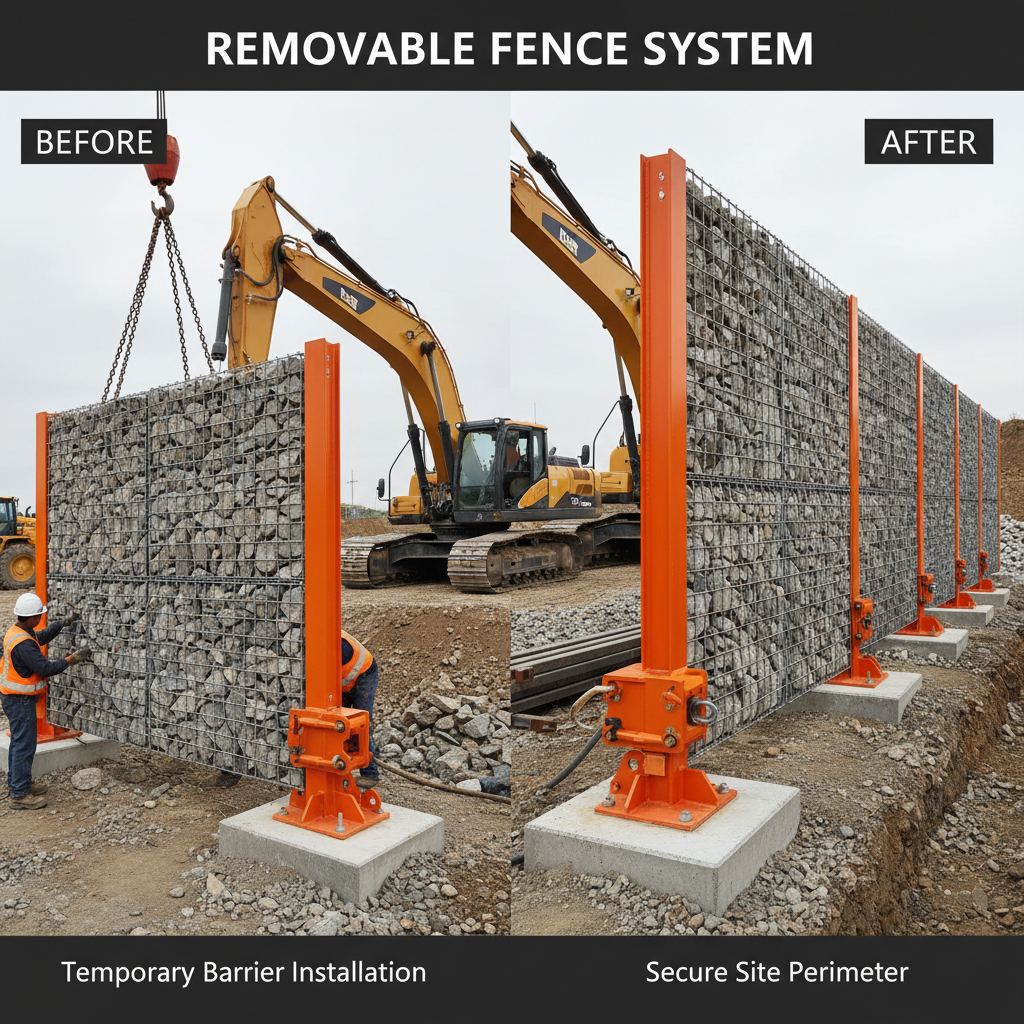
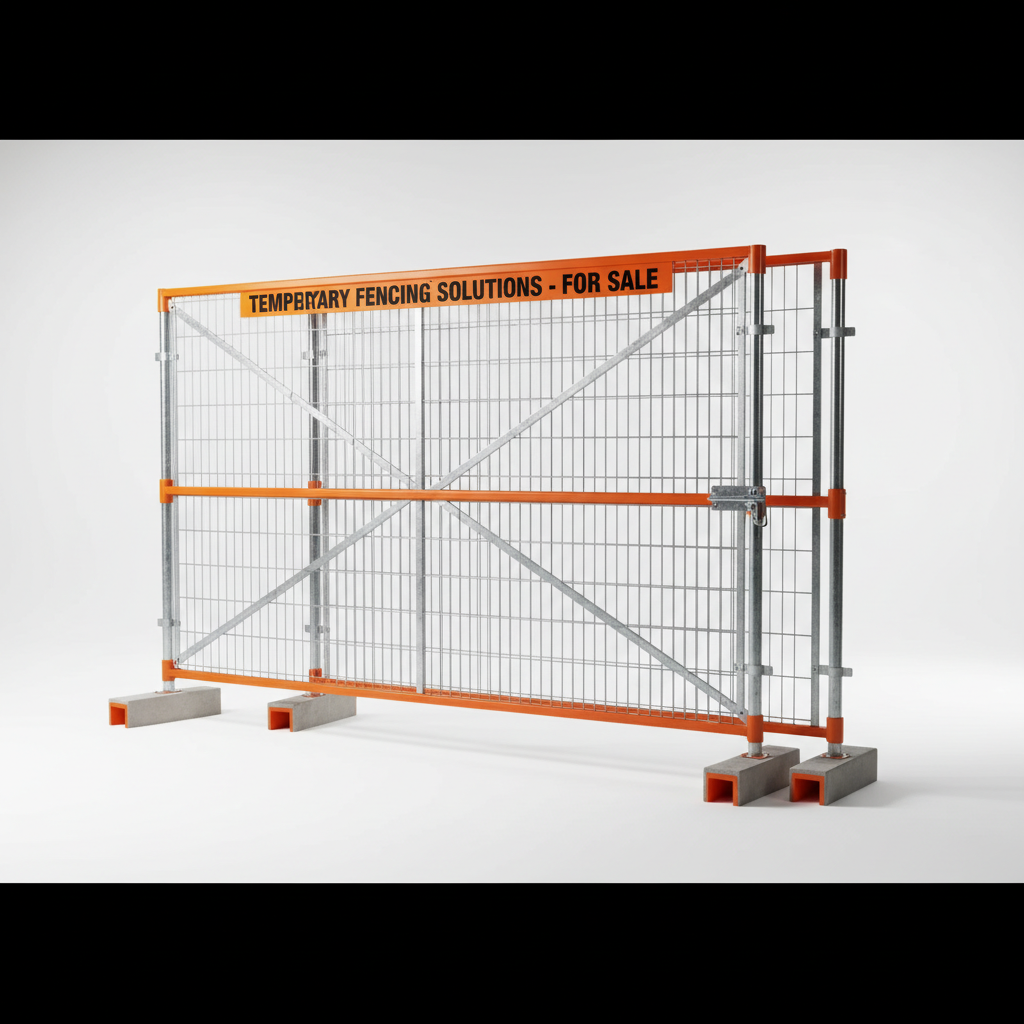
At its core, a removable fence is a modular perimeter barrier designed for easy assembly, disassembly, and relocation without the need for permanent structural alterations to the ground. Unlike traditional fences that rely on cast-in-place concrete, these systems utilize a combination of heavy-duty base plates, interlocking clamps, and precision-engineered panels. This engineering approach ensures that the fence remains structurally sound under wind loads and physical pressure while remaining completely portable.
The connection to modern industrial needs is evident in its scalability. Whether it is a livestock fence panel for seasonal grazing or a temporary fence for a high-security construction site, the logic remains the same: maximize the strength-to-weight ratio. By using galvanized steel and high-grade coatings, these fences resist corrosion in harsh environments, making them a sustainable alternative to single-use wooden or plastic barriers.
Furthermore, the integration of "plug-and-play" mechanisms allows for rapid deployment by unskilled labor, reducing the reliance on specialized contractors. This democratization of installation is key for humanitarian agencies providing rapid shelter or NGOs managing temporary refugee zones, where the speed of establishing a secure boundary can be a matter of safety and dignity.
Key Factors Influencing Removable Fence Performance
Durability is the primary benchmark for any removable fence. Because these systems are frequently transported and handled, they must be resistant to mechanical deformation and surface abrasion. The use of hot-dip galvanization ensures that the steel remains protected against oxidation, ensuring a lifespan that can span decades despite repeated assembly cycles.
Scalability and adaptability are equally vital. A professional removable fence system must be compatible with various accessories, such as privacy screens, wind-breaks, or additional support struts. This allows the user to modify the fence's function on the fly—turning a simple boundary into a wind-resistant wall or a high-visibility security perimeter.
Cost efficiency is realized not just in the initial purchase, but in the total cost of ownership (TCO). The ability to reuse the same panels across multiple projects eliminates the need for recurring material purchases. When compared to permanent installations, the reduction in labor costs for installation and the total absence of demolition costs make the removable fence a financially superior choice for temporary needs.
Global Applications and Use Cases
The practical application of the removable fence spans across diverse sectors and geographies. In the agricultural heartlands of North America and Australia, livestock fence panels are used to manage rotational grazing, allowing farmers to move herds without investing in permanent infrastructure for every paddock. This flexibility is crucial for soil health and sustainable farming practices.
In urban industrial zones, particularly in Asia and Europe, temporary fences are indispensable for construction site security. They prevent unauthorized access to hazardous areas while allowing for the fluid movement of machinery and personnel. Similarly, in post-disaster relief operations, these fences are deployed by international aid organizations to create safe zones, organize supply distribution points, and protect temporary housing clusters.
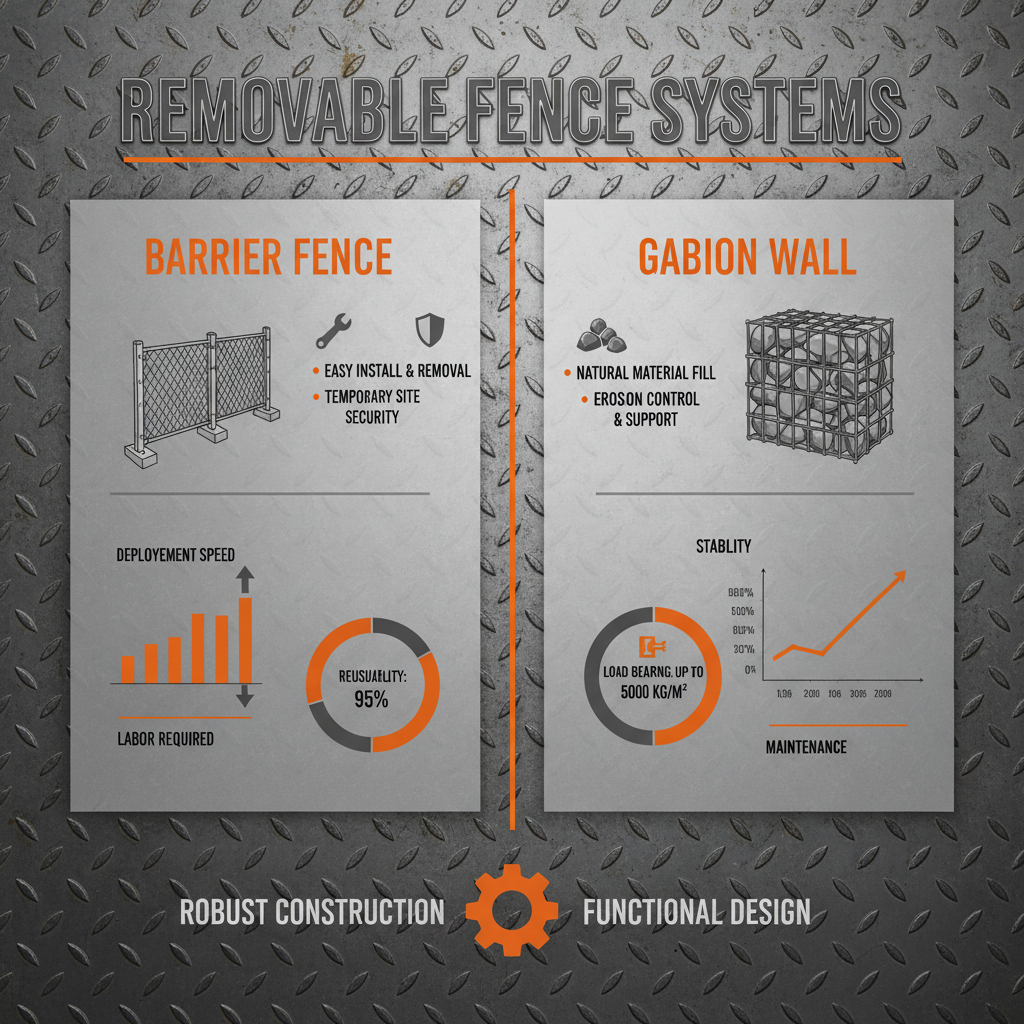
Efficiency Comparison of Removable Fence Deployment Methods
Long-Term Value and Sustainability Advantages
The long-term value of a removable fence lies in its alignment with circular economy principles. Traditional fencing often results in significant waste, as concrete footings are left in the ground and broken wooden posts are discarded in landfills. Modular steel systems, conversely, are 100% recyclable at the end of their life cycle and can be refurbished multiple times, drastically reducing the carbon footprint of site security.
Beyond the environmental impact, there is a profound emotional and logical value in the reliability these systems provide. The peace of mind that comes from knowing a perimeter is secure, yet can be removed without damaging a rented property or a protected natural site, fosters trust between contractors and landowners. Innovation in coatings also means less maintenance, ensuring that the aesthetic and functional integrity of the barrier remains intact over years of use.
Future Trends in Modular Fencing Innovation
The future of the removable fence is being shaped by materials science and digital integration. We are seeing the emergence of high-strength, low-weight alloys that maintain the rigidity of steel while reducing transport costs. Additionally, the integration of "smart" sensors into removable panels allows site managers to monitor perimeter breaches in real-time via mobile apps, transforming a passive barrier into an active security system.
Sustainability is also driving the adoption of eco-friendly powder coatings that are VOC-free, ensuring that the fences do not leach chemicals into the soil during long-term deployment in agricultural or forest zones. The shift toward automation is another key trend, with some companies developing rapid-deployment machinery that can lay out hundreds of meters of fencing in a fraction of the time required for manual labor.
Furthermore, the rise of "green urbanism" is encouraging the design of removable fence systems that can incorporate vertical gardening elements or solar-powered lighting. This ensures that temporary barriers do not just serve as walls, but contribute to the functionality and beauty of the urban space they temporarily occupy.
Challenges and Professional Solutions
Despite their advantages, removable fence systems face challenges, primarily regarding wind resistance and stability on uneven terrain. In high-wind areas, a lightweight modular fence can act as a sail, risking overturn. The professional solution involves the strategic use of weighted base plates and reinforced support struts (outriggers) that increase the footprint of the fence, effectively anchoring it against lateral forces.
Another common limitation is the potential for "gap creep," where the interlocking joints loosen over time due to thermal expansion or physical impact. To overcome this, engineers have developed precision-toleranced locking pins and adjustable tensioners that allow the user to tighten the connection between panels, ensuring a seamless and secure wall regardless of the installation duration.
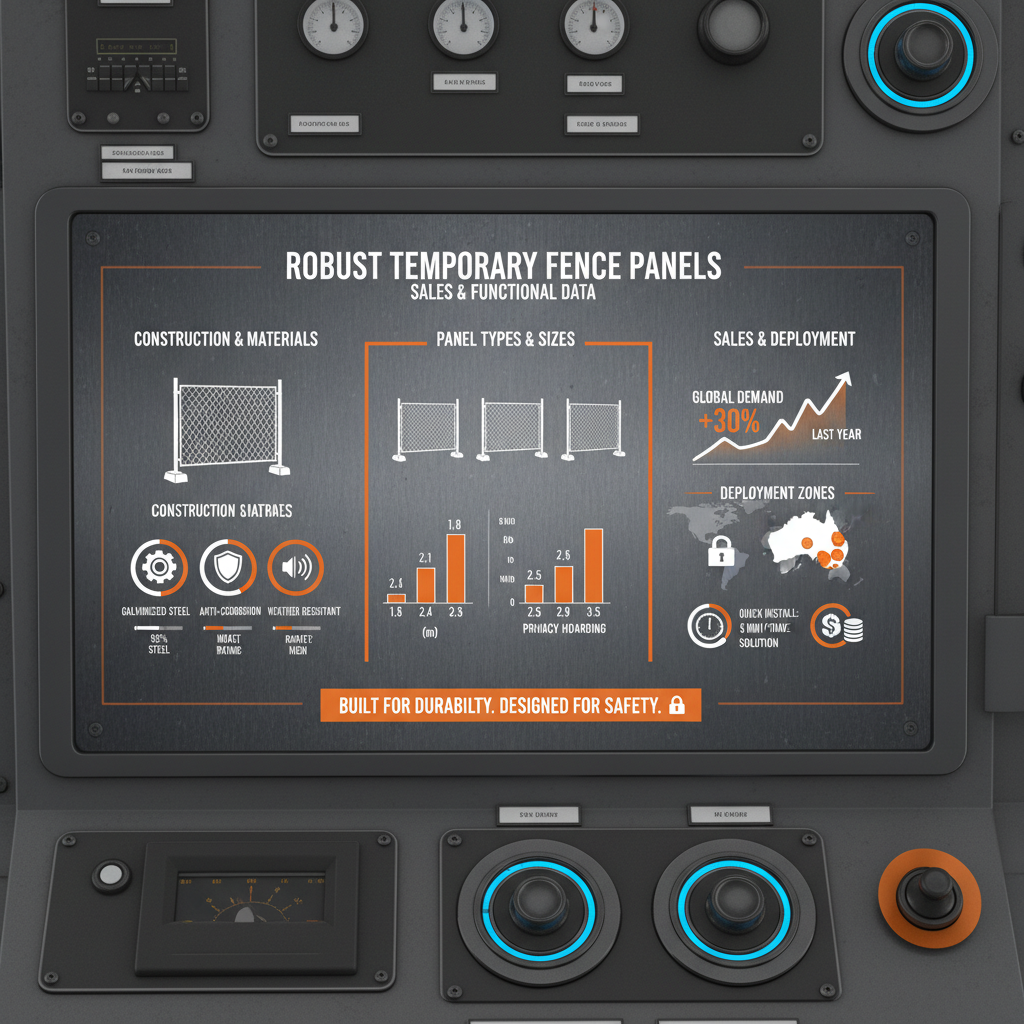
Finally, the logistics of storing large quantities of disassembled panels can be a burden. The industry is solving this through nested design—creating panels that can be stacked more efficiently for transport. By optimizing the geometry of the removable fence, manufacturers are reducing shipping volumes by up to 30%, further enhancing the cost-effectiveness of the solution.
Technical Analysis of Removable Fence System Specifications
| System Type |
Stability Score (1-10) |
Installation Speed |
Reusability Index |
| Heavy-Duty Steel Panel |
9 |
Moderate |
Very High |
| Galvanized Wire Mesh |
7 |
Fast |
High |
| Modular Livestock Panel |
8 |
Very Fast |
High |
| Security Temporary Fence |
10 |
Moderate |
Very High |
| Lightweight Event Barrier |
6 |
Instant |
Moderate |
| Reinforced Gabion Support |
10 |
Slow |
Very High |
FAQS
The primary advantage is flexibility. A removable fence can be adjusted as the site layout changes, moved to create new access points, and completely removed once the project is finished without leaving concrete debris. This reduces site restoration costs and allows for rapid deployment, ensuring that security is in place the moment the project begins.
With high-quality hot-dip galvanization and proper maintenance, a professional removable fence can last for 15 to 25 years. The key is to avoid deep structural damage during transport and to ensure that the interlocking clamps are kept free of debris. Because the materials are typically high-grade steel, they resist the wear and tear of repeated assembly.
Yes, provided the correct specification is chosen. Security-grade removable fences use high-tensile welded mesh and locking mechanisms that are difficult to bypass without tools. When combined with weighted bases and secure clamps, they provide a formidable physical barrier that meets the security requirements of most industrial and commercial sites.
Absolutely. While traditional fences require level concrete, removable systems can be adapted. For soft ground, we recommend using longer ground spikes or wider base plates to distribute the weight. For uneven terrain, the modular nature of the panels allows them to be stepped or adjusted in height to follow the contour of the land.
Yes, they are significantly more eco-friendly because they eliminate the need for concrete and reduce material waste. From a cost perspective, the initial investment is offset by the fact that you can reuse the same assets across dozens of different projects, effectively reducing your per-project security expenditure to nearly zero over time.
The most efficient way is to source nested, modular designs that minimize shipping volume. By choosing a manufacturer that optimizes packaging, you can reduce freight costs. Additionally, ensuring the product meets international ISO standards ensures a smooth customs process and guaranteed quality upon arrival at the project site.
Conclusion
The removable fence represents a critical evolution in perimeter management, merging the strength of industrial steel with the agility of modular design. By addressing the needs of durability, scalability, and environmental responsibility, these systems provide a superior alternative to permanent barriers in a world that demands rapid adaptability. From the efficiency of their deployment to the long-term value of their reusability, the modular approach minimizes waste and maximizes operational freedom.
Looking forward, the integration of smart technology and sustainable alloys will only further enhance the utility of these systems. For businesses and organizations, investing in high-quality removable fencing is not just a purchase of hardware, but a strategic move toward more sustainable and flexible site management. We encourage you to evaluate your current perimeter needs and transition toward modular solutions that grow with your projects. Visit our website: www.dqfences.com