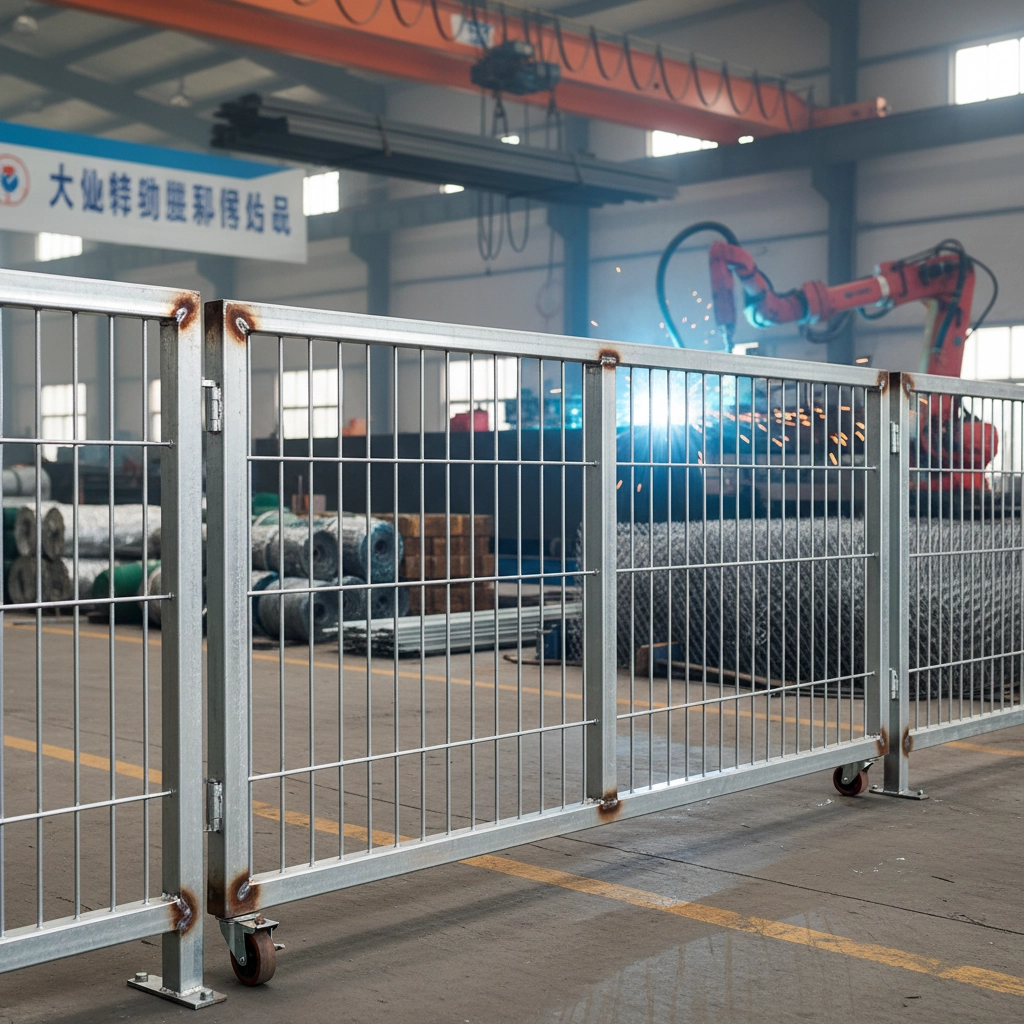
In the fast-paced world of construction and event management, the ability to secure a perimeter quickly and effectively is paramount. temporary security fencing provides a versatile, high-strength solution designed to protect assets, manage crowds, and prevent unauthorized access without the need for permanent installation. Whether it is a high-profile urban development project or a large-scale music festival, these systems ensure that safety protocols are maintained with minimal downtime.
The global demand for modular security barriers has surged as urban infrastructure projects become more complex and safety regulations more stringent. From preventing theft on construction sites to creating secure zones for public gatherings, the flexibility of these systems allows for rapid deployment and just-as-fast removal. This agility is critical in maintaining project timelines while adhering to strict Occupational Safety and Health (OSH) standards across different jurisdictions.
Understanding the nuances of temporary security fencing—from material grade and coating to stability mechanisms—is essential for project managers and site supervisors. By choosing the right configuration, organizations can significantly reduce liability, protect expensive machinery, and ensure the wellbeing of both workers and the general public. This comprehensive guide explores the technical specifications and strategic applications of modern security barriers.
Global Industry Context of Temporary Security Fencing
On a global scale, the construction and events sectors are under increasing pressure to implement rigorous safety measures. According to industry trends aligned with ISO security standards, the implementation of temporary security fencing has become a non-negotiable requirement for risk mitigation. In rapidly developing urban centers across Asia and North America, the proliferation of "mega-projects" has led to a critical need for barriers that can be deployed in hours rather than days.
The primary challenge facing the industry is the balance between extreme durability and ease of transport. Many sites struggle with "perimeter breach" incidents due to poorly installed or low-grade fencing. By adopting professional-grade modular systems, companies can mitigate these risks, ensuring that their sites remain compliant with international safety codes while providing a psychological and physical deterrent to trespassers.
Defining Temporary Security Fencing and Its Purpose
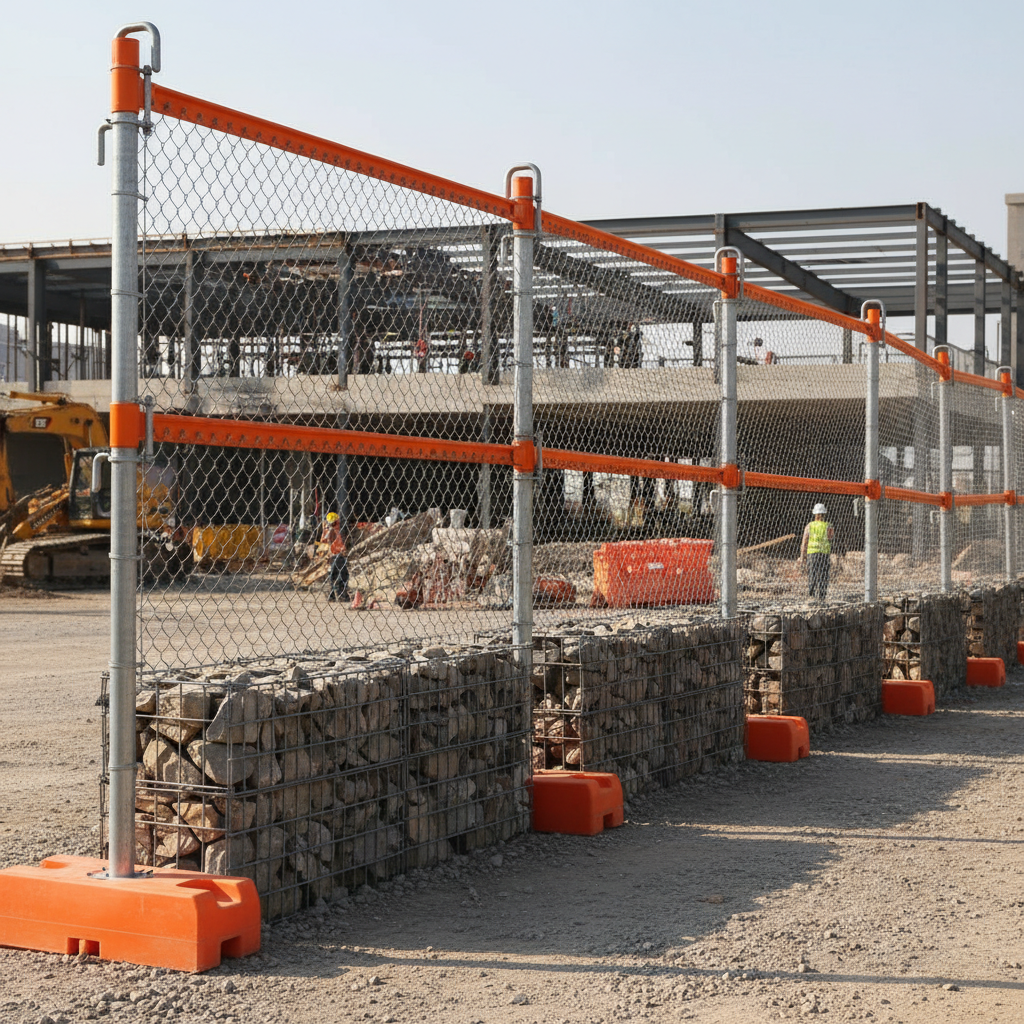
At its core, temporary security fencing refers to a modular system of galvanized steel panels and support bases designed for short-to-medium term installation. Unlike permanent welded fences, these systems utilize a "plug-and-play" mechanism, where panels are clamped together to form a continuous, sturdy wall. This design allows for rapid reconfiguration as the needs of a site evolve over the project's lifecycle.
Beyond mere physical obstruction, these systems serve a critical humanitarian and organizational purpose. In disaster relief zones or refugee camp setups, they are used to create safe corridors, separate administrative zones from residential areas, and protect aid distribution points. The goal is to create order out of chaos, providing a structured environment where safety and logistics can be managed efficiently.
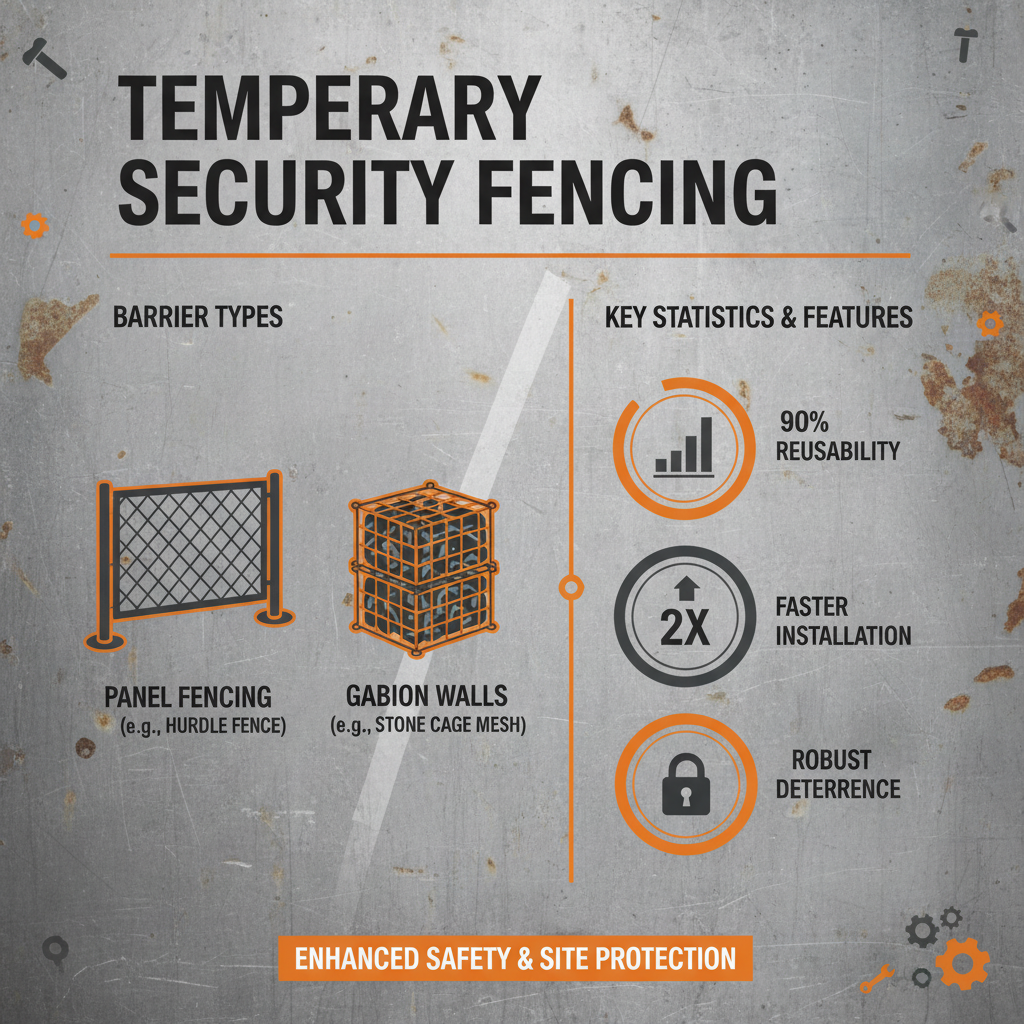
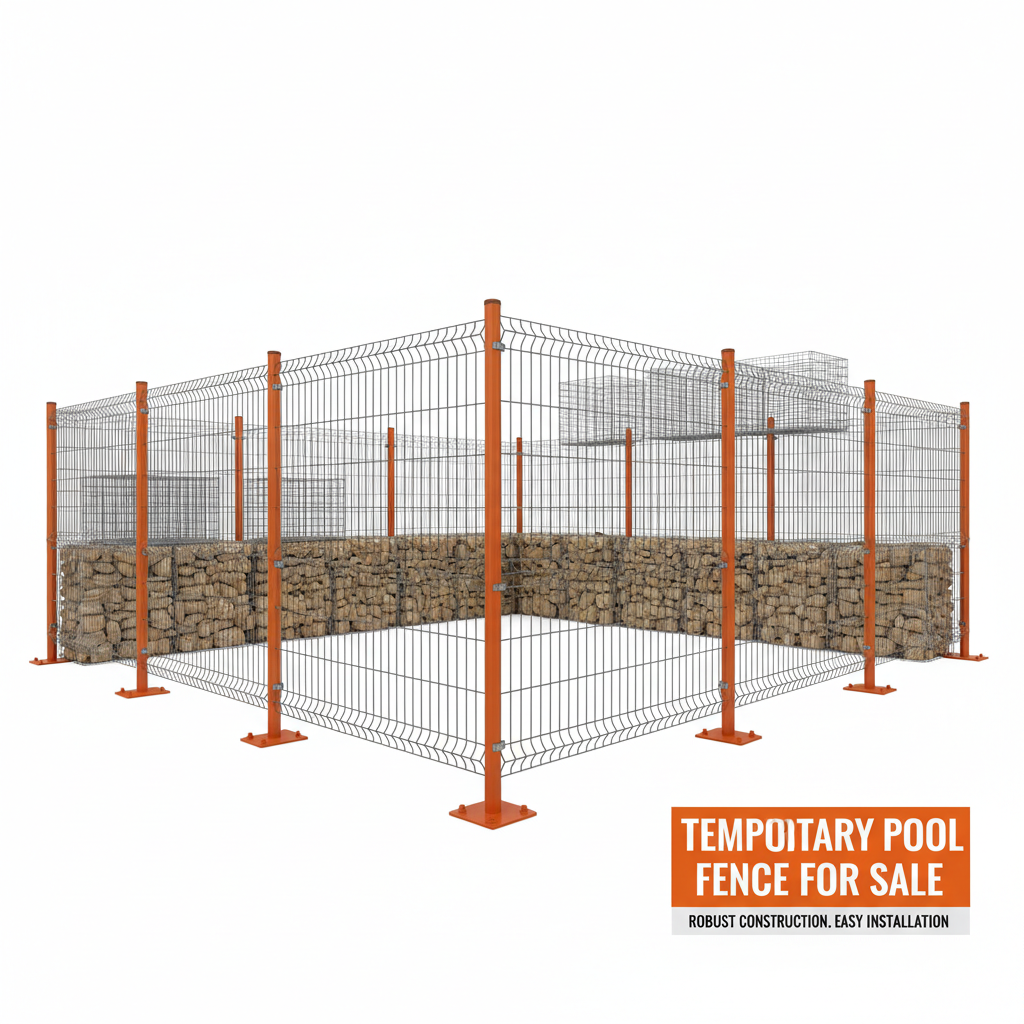
In a modern industrial context, this fencing is often integrated with other products like Gabion Baskets for erosion control or Livestock Fence Panels for rural security. The synergy of these products allows a developer to secure an entire project site—from the dusty outskirts to the urban core—using a unified approach to metal fabrication and installation.
Core Components for Maximum Perimeter Stability
The effectiveness of temporary security fencing relies heavily on the quality of its individual components. The most critical element is the panel itself, typically constructed from high-tensile steel wire with a hot-dip galvanized finish to prevent corrosion. This ensures that the fence can withstand harsh weather conditions, from coastal salt spray to industrial humidity, without losing structural integrity.
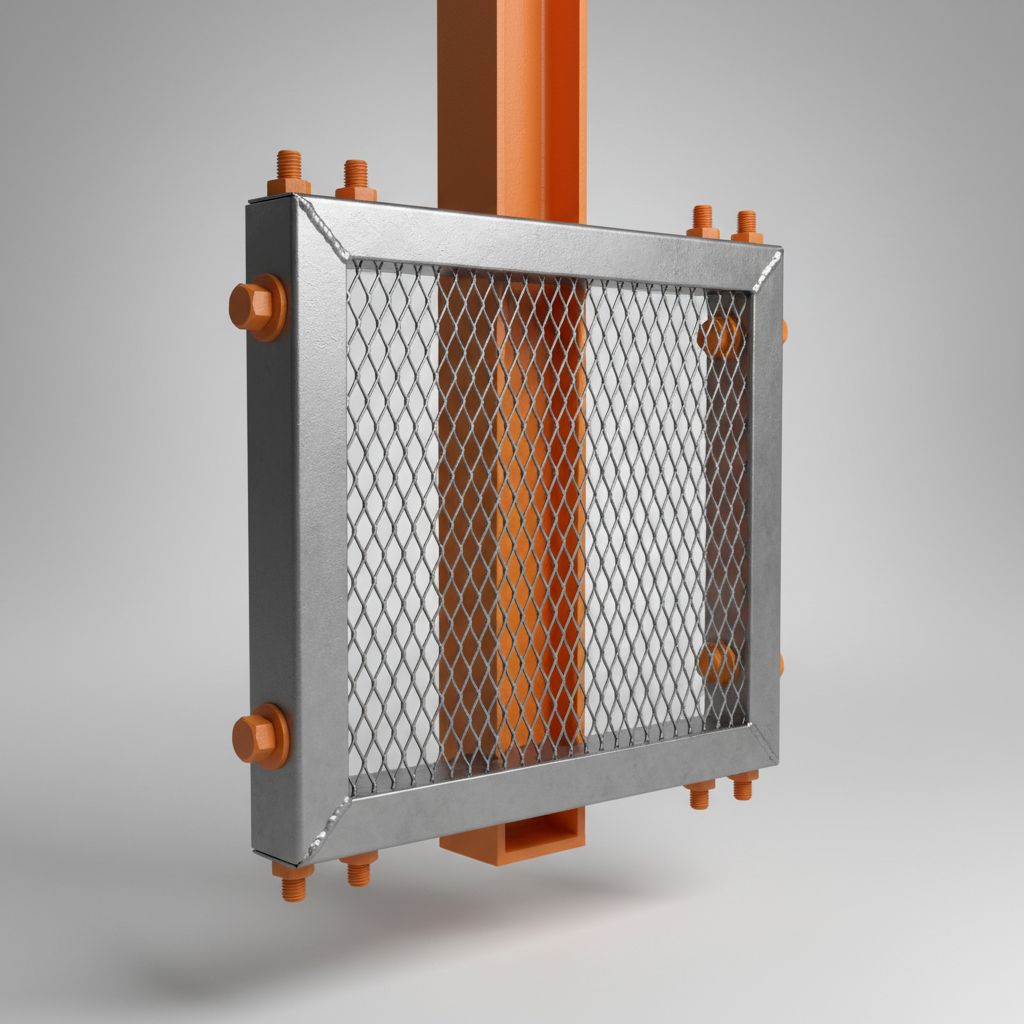
Stability is achieved through a combination of heavy-duty base plates and specialized clamps. The base plates—available as flat feet or concrete blocks—provide the necessary ballast to prevent the panels from tipping under wind load. When paired with high-tension clamps, these components create a rigid network that is remarkably difficult to displace, ensuring the perimeter remains secure 24/7.
Finally, accessory additions such as privacy screens and anti-climb attachments enhance the utility of the system. Privacy mesh not only hides sensitive construction activity from public view but also acts as a windbreak, reducing the stress on the fence posts. By combining these elements, a basic barrier is transformed into a comprehensive security solution tailored to specific site risks.
Key Performance Factors in Security Barriers
When evaluating different types of temporary security fencing, project managers typically focus on four primary metrics: deployment speed, wind resistance, anti-intrusion capability, and cost-per-linear-meter. High-quality systems prioritize the "lock-and-load" speed, allowing a small crew to secure hundreds of meters of perimeter in a single shift.
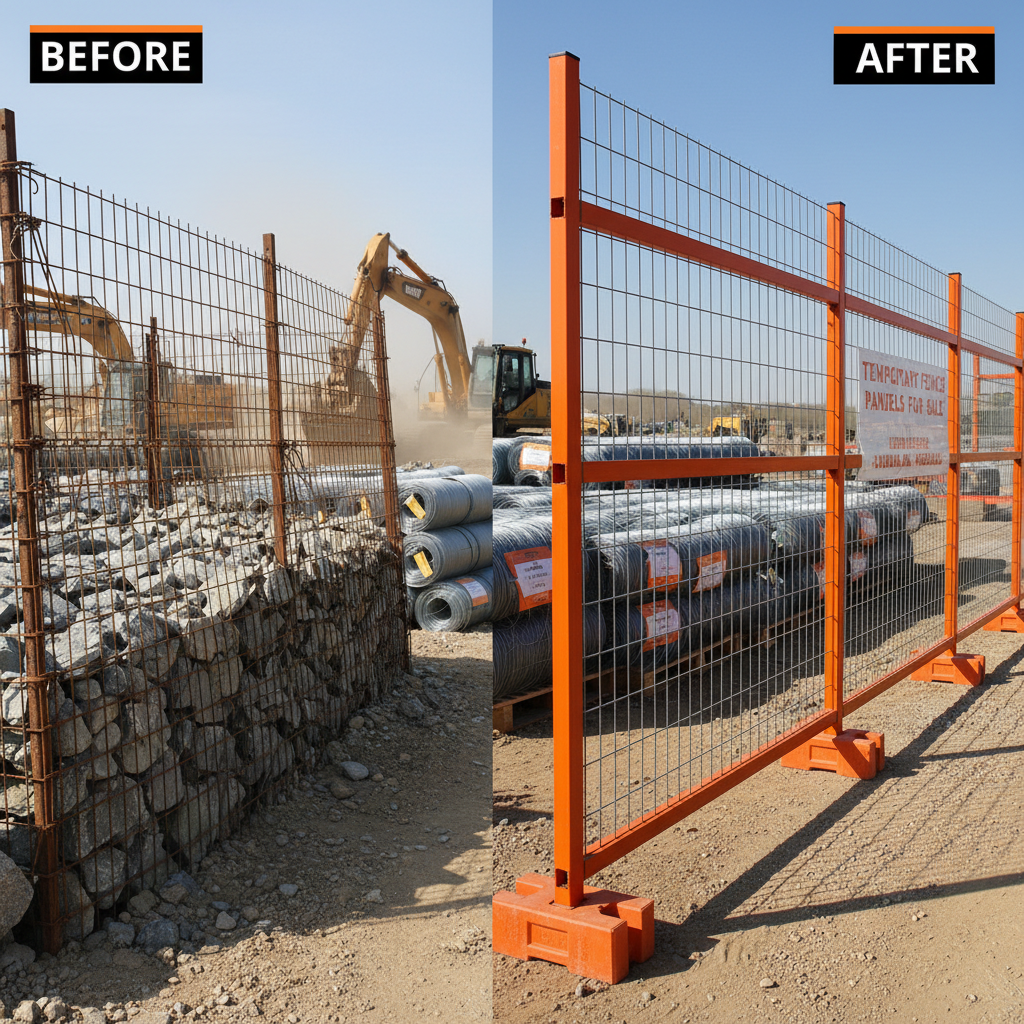
Another critical factor is the material's resilience. The use of hot-dip galvanization ensures that the fencing can be reused across multiple projects over several years, shifting the expense from an operational cost to a long-term capital asset. This sustainability is vital for large construction firms looking to reduce their environmental footprint and material waste.
Comparative Performance Analysis of Temporary Security Fencing Types
Global Applications and Use Cases
The application of temporary security fencing spans a vast array of industries. In the construction sector, it is used to delineate the "danger zone" from public sidewalks, ensuring that pedestrians are safe from falling debris and that expensive equipment is protected from theft. In urban redevelopment projects, these fences are often the first things to arrive on site, establishing a legal boundary and a secure base of operations.
Beyond construction, these systems are indispensable for event management. From Olympic venues to international trade fairs, modular fencing is used to create queue lines, VIP areas, and secure entrances. In these contexts, the aesthetic quality and the ease of removal are just as important as the security aspect, as the site must be returned to its original state immediately after the event concludes.
Long-Term Value and Sustainability Benefits
Investing in premium temporary security fencing offers significant long-term financial advantages. Unlike disposable barriers or low-grade wooden fences, high-quality steel modular systems are designed for a circular economy. They can be disassembled, transported, and redeployed dozens of times without a significant drop in performance, drastically lowering the cost-per-use over a five-year period.
From a sustainability perspective, the use of recyclable steel reduces the reliance on single-use plastics and treated lumber, which often end up in landfills after a project is completed. By utilizing a rental or reusable model, companies can align their site security needs with Corporate Social Responsibility (CSR) goals, proving that safety does not have to come at the expense of the environment.
Furthermore, the emotional value of a secure site cannot be overlooked. A professional, sturdy perimeter communicates stability and reliability to clients and stakeholders. It fosters a sense of trust and discipline among workers and provides peace of mind to the surrounding community, knowing that the site is managed by a company that prioritizes safety and precision.
Future Innovations in Temporary Fencing Technology
The future of temporary security fencing is moving toward the integration of "smart" technologies. We are seeing the emergence of IoT-enabled fencing, where vibration sensors and cameras are mounted directly onto the panels. These systems can alert site managers in real-time via a mobile app the moment a breach is attempted, transforming a passive barrier into an active surveillance system.
Material science is also evolving, with the introduction of lightweight, high-strength alloys and advanced polymer coatings that offer even greater corrosion resistance than traditional galvanization. These innovations are reducing the weight of the panels, which in turn lowers transportation costs and makes installation even faster for small teams.
Additionally, the shift toward automation is bringing us closer to robotic deployment systems. In high-risk environments—such as contaminated sites or extreme weather zones—the ability to deploy security perimeters using remote-controlled machinery will redefine how we approach site safety and risk management.
Technical Comparison of Temporary Security Fencing Specifications
|
Fence Model
|
Material Grade
|
Deployment Speed
|
Durability Score (1-10)
|
| Standard Mesh Panel |
Q235 Galvanized Steel |
Very Fast |
8 |
| Heavy-Duty Security |
Q345 Reinforced Steel |
Moderate |
10 |
| Event Barrier Lite |
Aluminum Alloy |
Instant |
6 |
| Industrial Anti-Climb |
Hot-Dip Galvanized |
Fast |
9 |
| Coastal Grade Fence |
PVC Coated Steel |
Moderate |
9 |
| Modular Crowd Control |
Powder Coated Steel |
Very Fast |
7 |
FAQS
Unlike wooden barriers, temporary security fencing is modular, reusable, and far more durable. Steel panels offer superior strength and are virtually impossible to breach without heavy equipment. Additionally, the installation time is a fraction of what is required for timber, and the removal process leaves no permanent damage to the ground, making it more eco-friendly and cost-effective in the long run.
When treated with high-quality hot-dip galvanization or PVC coating, temporary security fencing can last for several years even in high-humidity or coastal areas. The protective layer prevents oxidation and rust, ensuring the structural integrity of the steel remains intact. For extreme environments, we recommend PVC-coated options to provide an extra layer of defense against salt spray and chemical exposure.
Yes. For high-wind zones, we recommend using heavier concrete base blocks instead of flat feet to increase ballast. Additionally, avoiding the use of solid privacy screens—which act like sails—or using specialized perforated wind-mesh allows air to flow through the fence while maintaining security. Strengthening the perimeter with additional bracing poles is also a standard practice for wind-prone regions.
Absolutely. Modern systems are designed to be compatible with various electronic additions. You can easily attach motion-sensor lights, CCTV cameras, or vibration sensors to the top rails of the temporary security fencing. Some advanced setups even use magnetic contact switches on the gates to notify security personnel immediately if a gate is opened without authorization.
To calculate the requirement, measure the total linear perimeter of the area you wish to secure. Divide this total length by the width of a single panel (typically 2.2m to 3.5m depending on the model). Always add an extra 5-10% to your total count to account for corners, overlaps, and potential replacements due to on-site accidents. Don't forget to include a dedicated gate panel for access.
Yes, our temporary security fencing is manufactured following strict ISO and industry-specific safety guidelines. The materials used are tested for tensile strength and corrosion resistance. When installed according to the manufacturer's guidelines—using the correct bases and clamps—these systems meet the safety requirements for most construction and public event sites worldwide.
Conclusion
In summary, temporary security fencing is far more than a simple barrier; it is a strategic tool for risk management, site organization, and public safety. By combining high-tensile galvanized steel with a modular design, these systems provide the perfect balance of rapid deployment and uncompromising security. From the technical precision of the base plates to the long-term sustainability of the reusable panels, every component is engineered to protect assets and people in the most demanding environments.
As the industry moves toward smarter, more sustainable infrastructure, the role of adaptable security solutions will only grow. We encourage project managers and event organizers to move beyond makeshift barriers and invest in professional-grade modular systems that offer guaranteed stability and a lower total cost of ownership. Secure your site today and ensure a safer tomorrow by visiting our website: www.dqfences.com.