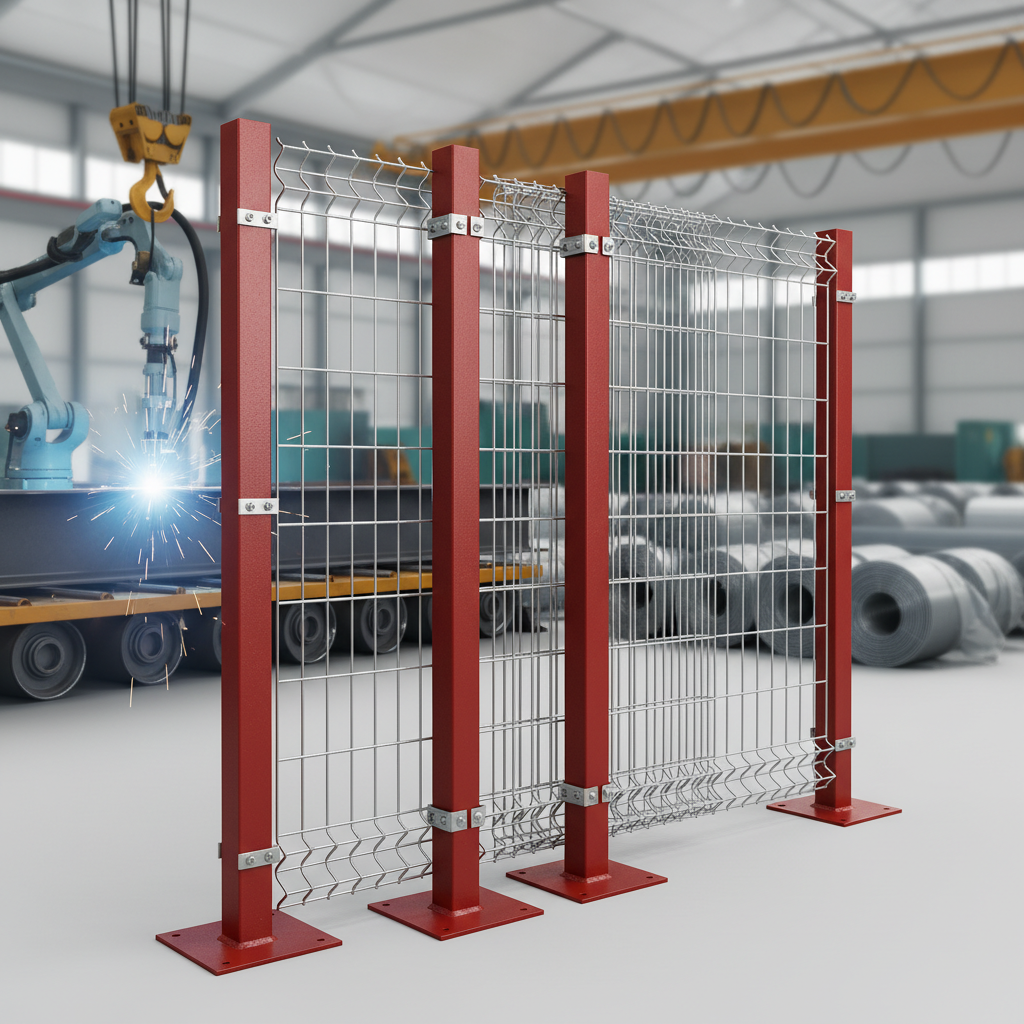
Securing a perimeter quickly without sacrificing structural integrity is a recurring challenge for construction managers and event organizers. When professionals decide to buy temporary fence systems, they aren't just looking for a physical barrier, but a scalable security solution that minimizes liability and maximizes site efficiency.
The effectiveness of a temporary enclosure depends heavily on the synergy between material grade—such as hot-dipped galvanized steel—and the ease of deployment. In a high-stakes environment, the difference between a standard wire mesh and a professional-grade temporary panel can be the difference between a secure site and a costly safety breach.
Selecting the right vendor requires a deep dive into technical specifications, including zinc coating weights and tensile strength, to ensure the equipment withstands environmental stressors. This guide examines the critical procurement metrics and application strategies for implementing high-performance temporary fencing.

Analyzing Site Requirements for Temporary Perimeter Security

The primary objective of a temporary fence is to establish a clear boundary that prevents unauthorized access while maintaining visibility. Unlike permanent installations, these systems must be rapidly deployable and equally easy to dismantle without leaving significant site footprints.
Effective planning begins with an assessment of the terrain and the specific risks associated with the location. For instance, a construction site in a high-traffic urban area requires a more robust, wind-resistant panel than a rural livestock enclosure, where flexibility and livestock safety are the priority.
Understanding the balance between permeability and security is essential. While a dense mesh prevents small object intrusion, it may increase wind load, requiring heavier base plates or additional bracing to prevent the system from tipping during adverse weather conditions.
Technical Specifications of Industrial Grade Temporary Panels
The longevity of a temporary fence is determined by its metallurgical properties. High-quality systems typically utilize hot-dipped galvanized wire, which creates a protective zinc layer that prevents oxidation and corrosion in humid or coastal environments.
Zinc content is a critical metric; for example, heavy galvanized options with coatings exceeding 215 g/m2 offer significantly longer life cycles compared to electro-galvanized wires. This is particularly vital for projects spanning several years or those exposed to salt spray.
Furthermore, the tensile strength and elongation properties of the steel ensure that the panels do not warp under pressure. A tensile strength range of 350-500 N/mm² provides the necessary rigidity to maintain a straight perimeter under moderate mechanical stress.
Deployment Scenarios and Application-Specific Needs
Temporary fencing is utilized across diverse sectors, each with distinct operational requirements. In the construction industry, the focus is on safety compliance and theft prevention, requiring panels that can be integrated with privacy screens or warning signage.
Event management relies on crowd control capabilities, where the speed of installation and the visual neatness of the fence are paramount. In these cases, lightweight yet stable panels with quick-lock clamps are preferred to allow for rapid reconfiguration as the event progresses.
Agricultural and livestock applications differ significantly, prioritizing animal safety and cost-efficiency. Livestock fence panels must balance strength with flexibility to avoid injuring animals, often employing a specific wire diameter and mesh spacing tailored to the species being contained.
Evaluating Material Durability and Performance Metrics
Quantifying the performance of a fence involves analyzing its "expected rust period" against the project duration. A low-grade coating may fail within six months, whereas Galfan coatings (zinc-aluminum alloy) can extend the lifespan to over 20 years.
When comparing standard galvanized steel to high-performance alloys, the difference in corrosion resistance becomes evident in high-moisture zones. The following data illustrates the relative performance efficiency in terms of durability and stability.
buy temporary fence Performance Metrics
As shown, the integration of Galfan or heavy galvanized coatings significantly reduces maintenance intervals and increases the reusability of the panels, leading to a lower total cost of ownership despite a higher initial investment.
Procurement Strategies for Large Scale Fencing Projects
For procurement officers, the decision to buy temporary fence systems should be based on a Total Cost of Ownership (TCO) model. This includes the purchase price, transportation costs, installation labor, and the salvage value after the project ends.
Verification of ISO 9001 compliance is essential to ensure that the manufacturing process—from wire drawing to galvanization—meets international quality standards. This reduces the risk of "zero-defect" failures in the field.
Customization options, such as varying wire diameters (from 2.0mm to 4.0mm) or specific mesh hole sizes, allow buyers to tailor the security level to the specific threat model of their site, whether it be simple boundary marking or high-security containment.
Future Trends in Modular Security Barriers
The industry is moving toward "smarter" modularity. We are likely to see an increase in the adoption of composite coatings that combine the corrosion resistance of Galfan with PVC outer layers for enhanced aesthetics and added durability in chemical-rich environments.
Sustainability is also becoming a key driver. Manufacturers are focusing on reducing the environmental impact of the galvanization process and increasing the recyclability of the steel components, making the entire lifecycle of the temporary fence more eco-friendly.
Integration with IoT sensors for perimeter breach detection may become a standard for high-security temporary sites, allowing managers to monitor fence integrity in real-time via mobile applications, thereby reducing the need for physical patrols.
Comparative Analysis of Temporary Fencing Solutions
Choosing between different temporary fencing options requires a clear understanding of the trade-offs between cost, durability, and application. The following table compares common technical approaches used in the industry.
By evaluating these dimensions, buyers can determine whether a basic galvanized solution is sufficient or if a high-performance alloy is required for the specific operating conditions of their project.
| Coating Type | Rust Resistance | Primary Use Case | Life Expectancy |
|---|---|---|---|
| Electro-Galvanized | Low | Short-term indoor events | 1-6 Months |
| Hot-Dip Galvanized | Medium | Standard construction sites | 2-5 Years |
| Heavy Galvanized | High | Industrial outdoor projects | 10-15 Years |
| Galfan (95% Zn) | Very High | Coastal/High-corrosion zones | 20+ Years |
| PVC Coated | High | Aesthetic/Chemical areas | 10-15 Years |
| Welded Mesh | Variable | Permanent-Temporary Hybrid | 5-10 Years |
Ultimately, the selection should be driven by the project's environment. While electro-galvanized options are cost-effective for a few weeks of use, they represent a liability for multi-year infrastructure projects where structural failure could lead to safety hazards.
Frequently Asked Questions
Conclusion
Securing a site effectively requires a strategic approach to material selection and deployment. By focusing on technical parameters such as zinc coating weight and tensile strength, procurement managers can ensure their temporary perimeters provide reliable security while minimizing long-term maintenance costs.
Whether for a short-term event or a multi-year construction project, the right fencing solution balances cost with durability. Professionals evaluating these options can review the relevant product specifications and company information available through www.dqfences.com to optimize their site security strategy.