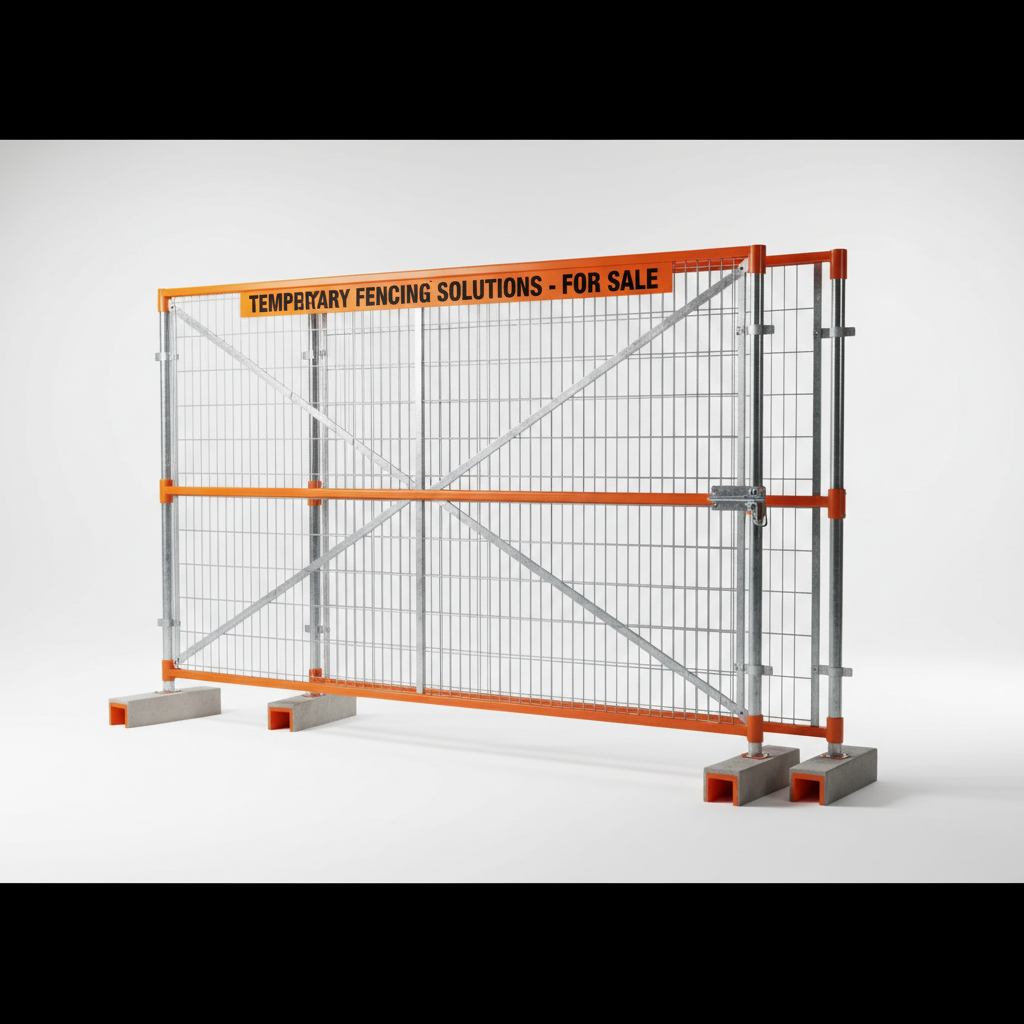
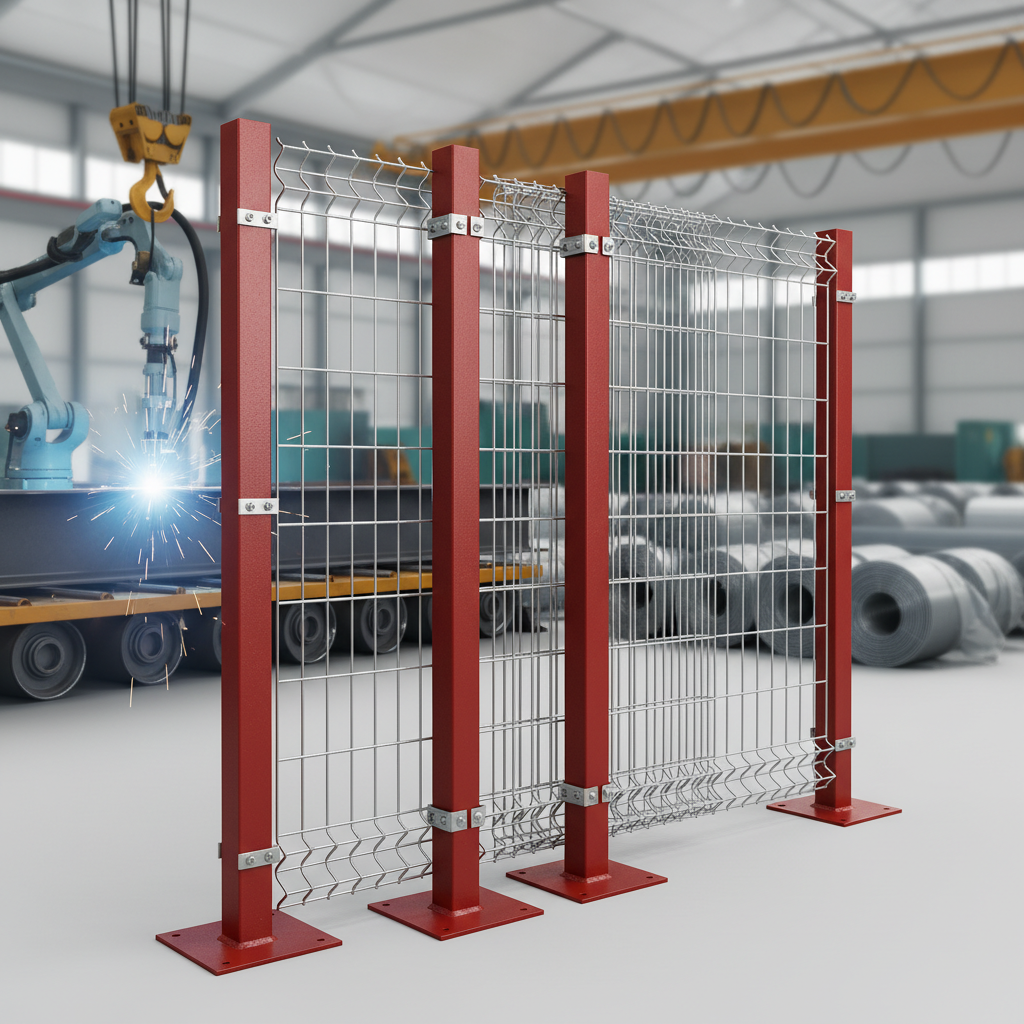
When businesses look to buy temporary fencing, the primary objective is typically to establish immediate security or crowd control without the permanence of traditional installations. In the specialized field of metal products manufacturing, specifically within the construction and security fencing sector, selecting the right temporary barrier is a balance between deployment speed and structural integrity.
The challenge for most procurement managers is navigating the trade-off between low-cost utility and long-term durability. Whether for a construction site, a public event, or industrial zoning, the wrong choice can lead to stability failures or premature corrosion, increasing the total cost of ownership and compromising site safety.
This comprehensive procurement analysis provides a framework for evaluating materials, assessing supplier capabilities, and matching specific fencing specifications to operational needs, ensuring a secure and cost-effective investment.

Critical Factors in Temporary Fencing Selection

Selecting a temporary fencing solution requires a detailed understanding of the site's environmental stresses and security requirements. Buyers must evaluate the wind load capacity and the stability of the ground surface, as these factors dictate whether a standard panel is sufficient or if reinforced bracing and specialized base plates are necessary for safety.
Beyond physical stability, the intended duration of use is a key driver. For short-term events, lightweight galvanized steel is often preferred for ease of transport. However, for long-term construction projects, the focus shifts toward corrosion resistance and the ability to integrate additional security features like privacy screening or barbed wire extensions.
Material Specifications and Coating Technologies
The longevity of temporary fencing is almost entirely dependent on its surface treatment. In the metal fabrication industry, hot-dip galvanizing remains the gold standard for outdoor exposure, providing a thick zinc layer that prevents oxidation. For environments with high salinity or chemical exposure, PVC coating offers an additional protective barrier that significantly extends the service life of the wire mesh.
Specifications typically involve a choice between electric galvanizing for interior or very short-term use and hot-dipped galvanizing for rugged outdoor applications. Hebei Dunqiang Hardware Mesh Co Ltd utilizes these varying treatments—including Galfan coating and PVC options—to ensure that the fence panels can withstand unpredictable weather without losing structural integrity.
Application-Specific Deployment Strategies
Different scenarios demand different configurations of temporary barriers. Construction sites require high-visibility, robust panels that can be quickly reconfigured as the project evolves. In contrast, livestock management or farm breeding requires a focus on tensile strength and animal safety, where welded wire mesh prevents sagging and ensures a secure perimeter.
Industrial isolation projects, such as railway or expressway protection, often integrate temporary fencing with gabion baskets for slope support and erosion control. This hybrid approach combines the rapid deployment of temporary panels with the heavy-duty stability of rock-filled wire mesh boxes to manage high-stress terrain.
Evaluating Operational Priority Metrics
When deciding to buy temporary fencing, procurement teams often weigh five competing priorities. This conceptual framework allows buyers to normalize their needs based on a relative importance scale (1-10), helping to determine whether to prioritize initial cost, installation speed, or extreme durability.
As illustrated in the conceptual index, high-security industrial sites typically prioritize Durability and Security over Installation Speed. Conversely, event organizers prioritize Speed and Portability to meet strict setup deadlines, accepting a lower relative score in long-term durability.
Comparing Procurement Models: Purchase vs. Rental
The decision to buy temporary fencing rather than rent depends on the project's lifecycle and the organization's asset management strategy. Purchasing is generally more cost-effective for companies with recurring needs or projects exceeding six months. Owning the assets eliminates monthly rental fees and allows for customization of the panels to fit specific site dimensions.
However, purchasing introduces the need for storage and logistics management. Organizations must account for the cost of transporting panels and the warehouse space required to maintain them between projects. A professional manufacturer can provide guidance on the most durable specifications to ensure the assets retain value over multiple deployment cycles.
Common Integration Risks and Mitigation
One of the most frequent mistakes when deploying temporary fences is neglecting the stability of the connection points. Over time, clamps can loosen due to vibration or wind, leading to panel collapse. Implementing a regular inspection schedule and using high-grade galvanized clamps is essential for maintaining site safety.
Another risk involves poor ground assessment. Placing heavy fence panels on soft or uneven soil without proper footings can cause the perimeter to lean. Utilizing adjustable base plates or integrating the fencing with ground anchors can mitigate these risks, ensuring the barrier remains upright under stress.
Technical Decision Matrix for Buyers
To simplify the selection process, buyers can use the following comparative matrix. This table categorizes different fencing approaches based on their technical strengths, primary application, and the most critical risk factor associated with each type.
| Fence Type | Primary Strength | Best Use Case | Main Risk |
|---|---|---|---|
| Standard Welded | Rapid Deployment | Construction Sites | Wind Instability |
| PVC Coated | Corrosion Resistance | Coastal/Industrial | Higher Initial Cost |
| Heavy-Duty Mesh | High Tensile Strength | Livestock/Security | Weight/Transport |
| Hybrid Gabion | Structural Stability | Slope/River Protection | Installation Time |
| Modular Panel | Extreme Flexibility | Public Events | Lower Security |
| Galvanized Steel | Cost-to-Life Ratio | General Zoning | Surface Oxidation |
The matrix emphasizes that no single solution fits every scenario. For those looking to buy temporary fencing for high-stress environments, the Heavy-Duty Mesh or PVC Coated options provide the necessary durability to prevent frequent replacements.
Frequently Asked Questions
Electric galvanizing provides a thinner layer of zinc, suitable for indoor use or very short-term outdoor needs. Hot-dip galvanizing involves immersing the steel in molten zinc, creating a much thicker, more durable coating that is essential for long-term outdoor exposure and rust prevention.
Panel height should be based on the security level required; higher panels deter intruders more effectively. Mesh opening is determined by what you are keeping in or out—smaller openings (e.g., 50x50mm) are better for security and small animals, while larger openings are sufficient for basic zoning.
Yes, professional manufacturers can customize panel lengths, heights, and wire diameters according to buyer drawings. Customization is often necessary for non-standard perimeters or specific industrial safety requirements.
Stacking panels in bundles on pallets with protective plastic film is the most efficient method. This maximizes truck space and protects the coatings from scratching during transit, which prevents premature corrosion.
PVC coating acts as a physical barrier that prevents moisture and oxygen from reaching the steel core. This is particularly useful in high-humidity or coastal areas where salt air would quickly degrade standard galvanized coatings.
Check for ISO 9001 compliance in production, the availability of multiple coating options, and the capacity to produce based on technical drawings. A supplier with their own production workshop and significant warehouse capacity generally offers better lead times and quality control.
Conclusion
The decision to buy temporary fencing should be driven by a technical analysis of the site environment, the required security level, and the projected duration of the project. By prioritizing the correct coating technologies—such as hot-dip galvanizing for durability or PVC for corrosive environments—and matching the panel specifications to the specific application, buyers can significantly reduce operational risks and long-term costs.
For organizations seeking high-standard security and boundary solutions, reviewing technical specifications and production capabilities is the first step. Detailed product information and application-specific configurations can be explored at www.dqfences.com to ensure the chosen system meets all safety and durability requirements.