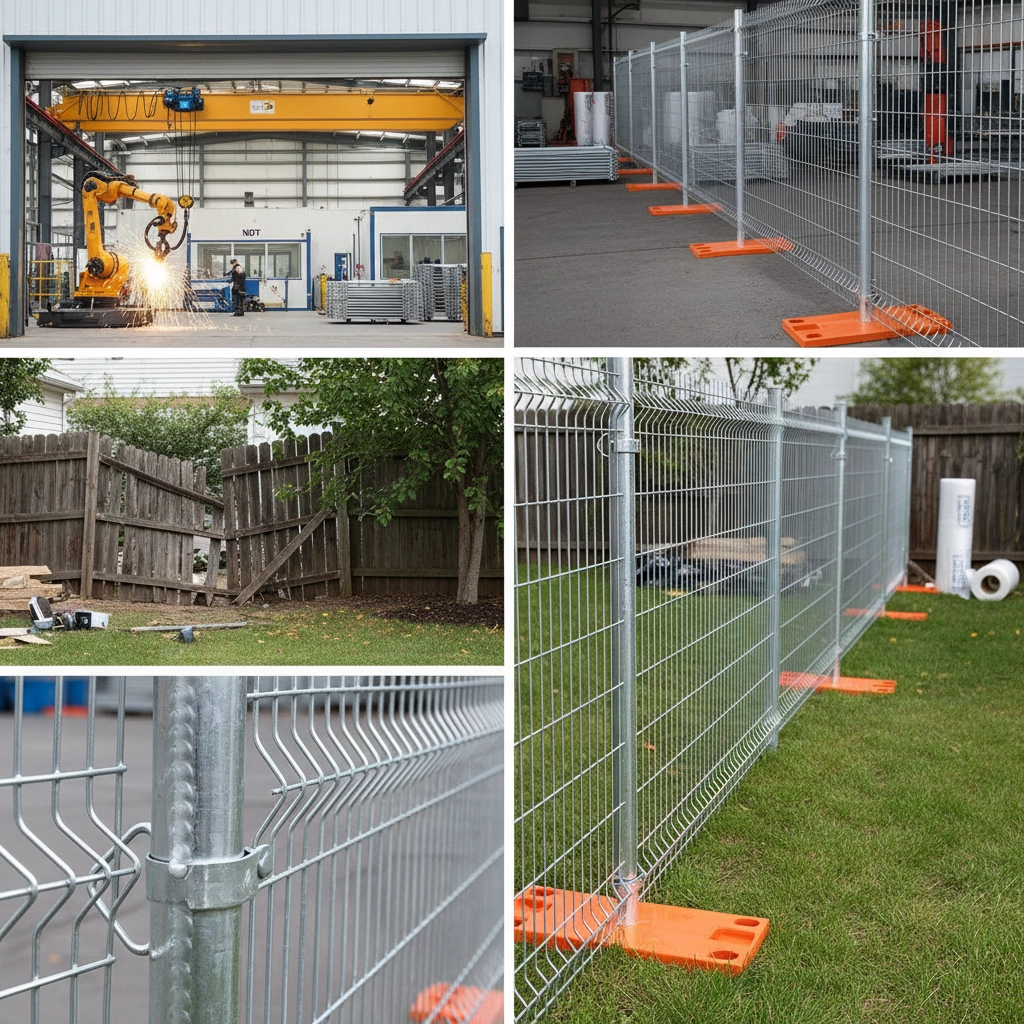
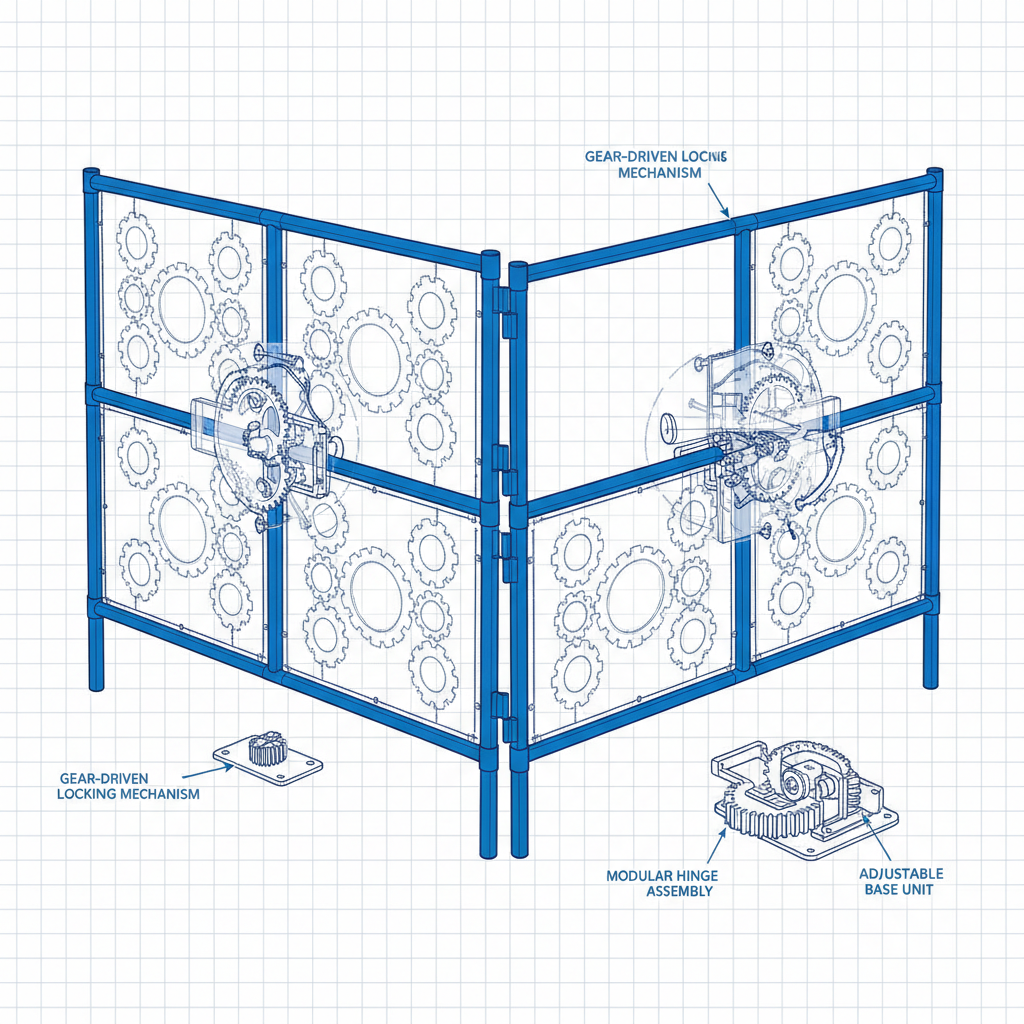
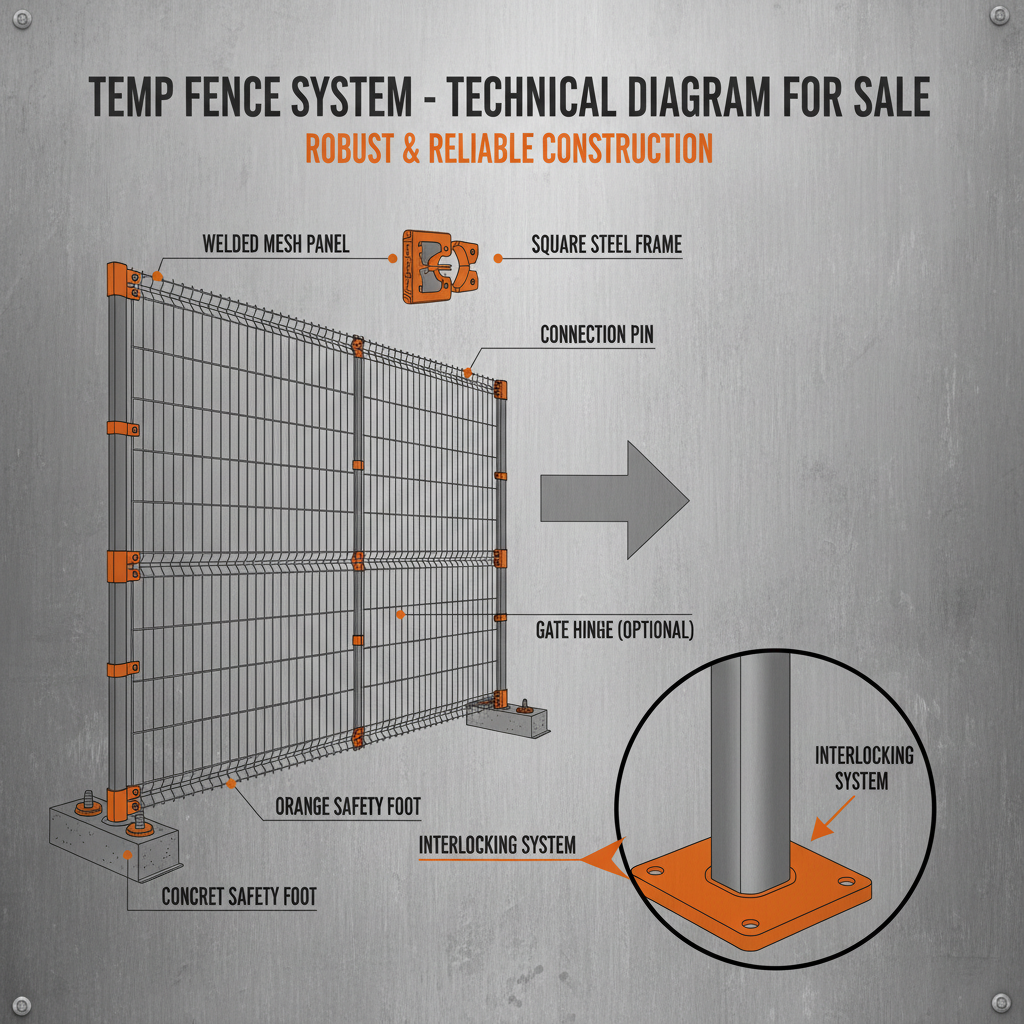
Securing a residential perimeter often requires a balance between immediate necessity and long-term planning. A temporary fence for backyard serves as an agile solution for homeowners who need to delineate boundaries, protect children or pets, or secure a site during renovations without committing to a permanent concrete installation.
From a global perspective, the demand for modular fencing has surged as urban living spaces become more versatile. Whether it is for a seasonal garden project, a temporary pool enclosure, or managing a construction zone in a suburban neighborhood, the ability to deploy and remove a barrier quickly is becoming a standard requirement for modern property management.
Understanding the nuances of material selection—ranging from galvanized steel to high-density polymers—ensures that your temporary setup provides actual security rather than just a visual suggestion. By focusing on stability and ease of assembly, homeowners can maintain the aesthetic value of their landscape while achieving critical safety goals.
The Fundamentals of Temporary Backyard Fencing
A temporary fence for backyard is essentially a modular barrier designed for rapid deployment and non-destructive removal. Unlike traditional fences that require deep post-holes and permanent footings, temporary systems typically rely on surface-mounted bases or shallow stakes, making them ideal for renters or those planning future landscaping changes.
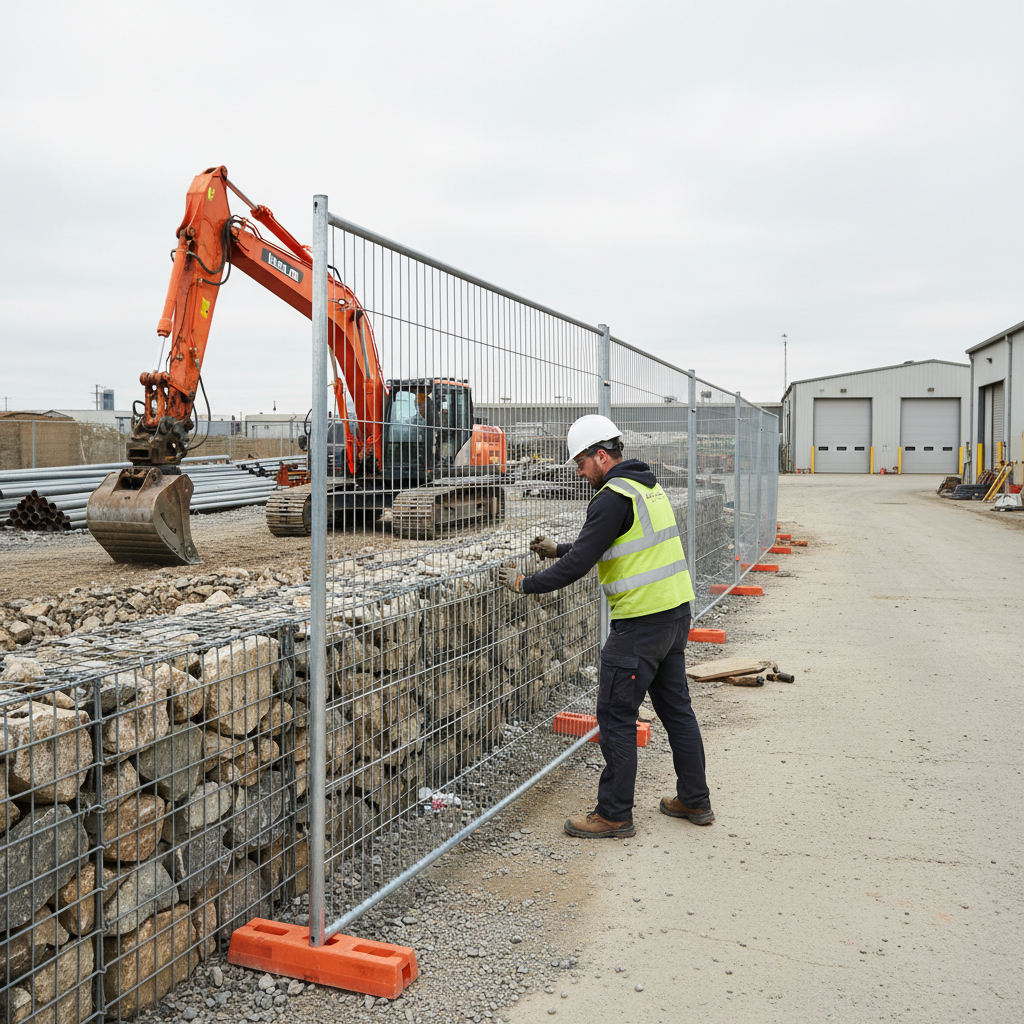
The core purpose is to provide an immediate layer of security or privacy. By using prefabricated panels—such as those found in welded wire mesh or livestock-style panels—users can create a secure zone in a matter of hours, ensuring that hazardous areas (like open trenches or swimming pools) are inaccessible to unauthorized persons.
Material Selection for Optimal Durability
Choosing the right material is the most critical decision when implementing a temporary fence for backyard projects. Galvanized steel remains the industry gold standard due to its resistance to oxidation and structural rigidity. For those in coastal regions where salt air accelerates corrosion, hot-dipped galvanization provides a thicker protective layer than standard electro-galvanizing, extending the lifespan of the temporary structure.
Alternatively, lightweight aluminum or high-tensile wire mesh offers a more discreet profile, reducing the visual impact on the garden while maintaining sufficient strength to deter pets or toddlers. The choice often depends on the intended duration of the fence; for a few weeks of construction, standard steel is sufficient, but for a multi-season garden partition, powder-coated options are preferred for their aesthetic appeal.
Furthermore, the integration of synthetic privacy screens—often made from HDPE (High-Density Polyethylene)—can be added to these metal frames. This transforms a simple security barrier into a private sanctuary, blocking the view from neighbors while allowing wind to pass through, preventing the fence from acting like a sail during heavy storms.
Installation Strategies for Maximum Stability
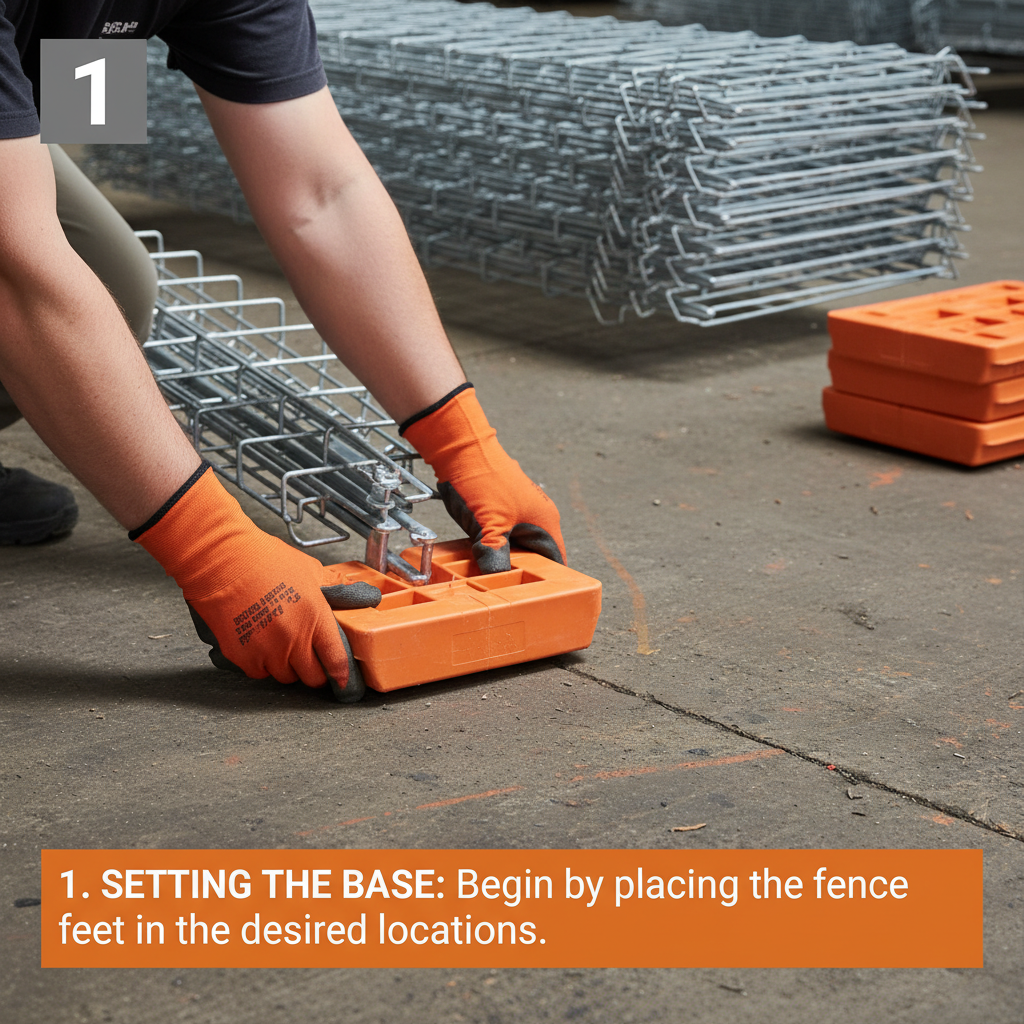
Successful deployment of a temporary fence for backyard begins with a comprehensive site survey. Identifying underground utility lines and assessing soil density ensures that the anchoring system—whether it be weighted plastic feet or steel spikes—is appropriate for the terrain.
The stability of the temporary fence for backyard setup relies heavily on the connection points between panels. Utilizing heavy-duty clamps or interlocking hooks prevents the fence from sagging over time, especially when installed on uneven slopes where gravity puts additional stress on the joints.
Finally, implementing "wind-bracing" or diagonal supports is a professional touch that separates a flimsy barrier from a secure one. By adding a few strategic anchors to the corners, the entire perimeter of the temporary fence for backyard remains taut and upright, even under the pressure of high winds or accidental impact.
Comparative Analysis of Fencing Systems
When evaluating different configurations for a temporary fence for backyard, it is essential to weigh the trade-offs between setup speed, cost, and security level. Some systems prioritize rapid deployment for short-term events, while others focus on semi-permanent security for long-term construction.
The following data illustrates how different temporary fencing methods perform across key residential metrics, helping homeowners select the system that best fits their specific backyard needs.
Performance Comparison of Temporary Backyard Fencing Methods
Global Use Cases and Residential Applications
Across North America and Europe, the temporary fence for backyard is frequently employed during "seasonal transitions." For instance, homeowners often install these barriers to create a safe zone for puppies or young children during the spring and summer months, removing them in winter to reclaim full yard access.
In more industrial-residential hybrid zones, such as those in Southeast Asia or South America, temporary fencing is vital for securing home-based workshops or small-scale livestock areas. These systems provide a cost-effective way to comply with local zoning laws while maintaining a flexible layout that can evolve as the business grows.
Long-Term Value and Sustainability Benefits
One of the most overlooked advantages of a temporary fence for backyard is its contribution to environmental sustainability. Unlike permanent fences that require large amounts of concrete for footings—a process that permanently alters the soil structure and releases significant carbon during cement production—modular systems leave a negligible footprint.
From a financial perspective, the "circular economy" applies perfectly to these products. High-quality galvanized panels can be dismantled and reused for a decade or more, or sold on the secondary market once the project is complete. This transforms the purchase from an expense into an asset.
Moreover, the emotional peace of mind provided by an immediate security barrier cannot be quantified. Knowing that a hazardous construction zone is effectively sealed off allows homeowners to focus on the project at hand without the constant anxiety of potential accidents, thereby increasing the overall quality of the home improvement experience.
Future Innovations in Modular Boundary Solutions
The future of the temporary fence for backyard is leaning heavily toward "smart" materials and rapid-assembly technology. We are seeing the emergence of composite polymers that offer the strength of steel with a fraction of the weight, making it possible for a single person to install an entire perimeter without professional assistance.
Integration with IoT (Internet of Things) is another burgeoning trend. Imagine temporary panels equipped with low-energy sensors that alert a homeowner's smartphone if a panel has been moved or if an intruder has breached the boundary. This adds a layer of digital security to the physical barrier.
Sustainability is also driving the adoption of recycled ocean plastics and bio-based resins in the production of fence posts and connectors. This shift ensures that the temporary nature of the product is matched by a temporary (and minimal) impact on the planet's ecosystem.
Comparative Analysis of Temporary Backyard Fencing Material Innovations
| Material Type |
Installation Speed |
Environmental Impact |
Expected Lifespan |
| Galvanized Steel |
Medium |
Moderate (Recyclable) |
10-15 Years |
| Aluminum Alloy |
Fast |
Low (High Recyclability) |
20+ Years |
| Recycled HDPE |
Very Fast |
Very Low (Eco-friendly) |
5-8 Years |
| Powder-Coated Wire |
Medium |
Moderate |
7-12 Years |
| Composite Wood |
Slow |
Low |
10-15 Years |
| Smart-Mesh Steel |
Fast |
Moderate |
12-15 Years |
FAQS
Depending on the material, a high-quality galvanized steel temporary fence can last between 10 to 15 years if properly maintained. Aluminum options can last even longer due to their natural resistance to rust. While designed for "temporary" use, the durability of industrial-grade materials allows these systems to be deployed and redeployed over a decade without significant loss of structural integrity.
In most jurisdictions, temporary fences that are not sunk into the ground (non-permanent) do not require a building permit. However, local HOA (Homeowners Association) rules or city ordinances regarding "fence height" may still apply. It is always recommended to check your local zoning laws to ensure your temporary setup doesn't exceed height limits or obstruct public sightlines.
Yes, provided you choose a system with a welded wire mesh or a heavy-duty chain link. The key is the anchoring system; using steel stakes or heavy weighted bases prevents a determined animal from pushing the fence over. For high-energy dogs, we recommend adding a "bottom rail" or pinning the mesh directly to the grass to prevent digging underneath.
The most user-friendly options are "interlocking panel" systems. These panels slide into one another or use simple clamps, eliminating the need for complex tools. To install alone, start from one corner and work your way along the perimeter, using a temporary support (like a stake) to hold the first panel in place while you align the second.
Absolutely, for short-to-medium term needs. You save on the cost of concrete, professional excavation, and permanent labor. Additionally, because the materials are modular, you can buy only what you need and expand the system later. The ability to resell the panels after use further reduces the effective cost of the project.
Wind is the biggest enemy of temporary fencing. To prevent collapse, avoid solid privacy screens during storms, or use "wind-permeable" mesh. Additionally, use diagonal bracing (cross-beams) at every corner and every 20 feet of straight run. Increasing the weight of the bases with sandbags is also a highly effective low-cost solution.
Conclusion
Implementing a temporary fence for backyard is a strategic decision that blends immediate security with long-term flexibility. By selecting the right materials—such as galvanized steel or eco-friendly composites—and employing professional installation techniques like diagonal bracing and site surveying, homeowners can effectively manage their space without the permanence of traditional construction.
As we move toward more sustainable and modular living, the value of adaptable boundary solutions will only grow. Whether you are securing a renovation site or creating a seasonal safe-zone, investing in a high-quality modular system ensures safety, saves costs, and protects the natural integrity of your land. Visit our website for professional solutions: www.dqfences.com