In the fast-paced world of construction and event management, the ability to secure a perimeter quickly and efficiently is paramount. A temporary gate serves as the critical access point in these temporary barriers, balancing the need for rigorous security with the necessity of fluid traffic flow. Whether it is for a high-profile music festival or a multi-million dollar infrastructure project, these gates provide the essential transition between public access and restricted zones.
Beyond simple access control, the implementation of a high-quality temporary gate significantly reduces the risk of unauthorized entry and enhances site safety. By utilizing modular designs, industries can deploy these solutions in a fraction of the time required for permanent installations, ensuring that deadlines are met without compromising on the integrity of the enclosure.
Understanding the nuances of temporary access solutions—from material gauges to locking mechanisms—allows project managers to optimize their logistical workflows. As global urbanization increases and the demand for short-term infrastructure grows, the role of the temporary gate has evolved from a simple fence opening to a sophisticated tool for site management and risk mitigation.
Global Relevance of Temporary Access Systems
On a global scale, the demand for temporary security infrastructure has surged alongside the growth of the global construction market, which is projected to continue its expansion according to World Bank infrastructure trends. The temporary gate is no longer just a convenience but a regulatory requirement in many jurisdictions to ensure ISO-compliant safety standards on industrial sites.
The challenge lies in the tension between rapid deployment and structural stability. In emerging economies, where rapid urbanization leads to a proliferation of short-term work sites, the lack of standardized access control often leads to security breaches and safety accidents. Implementing a standardized temporary gate system solves this by providing a predictable, sturdy, and easily auditable point of entry.
Defining the Modern Temporary Gate
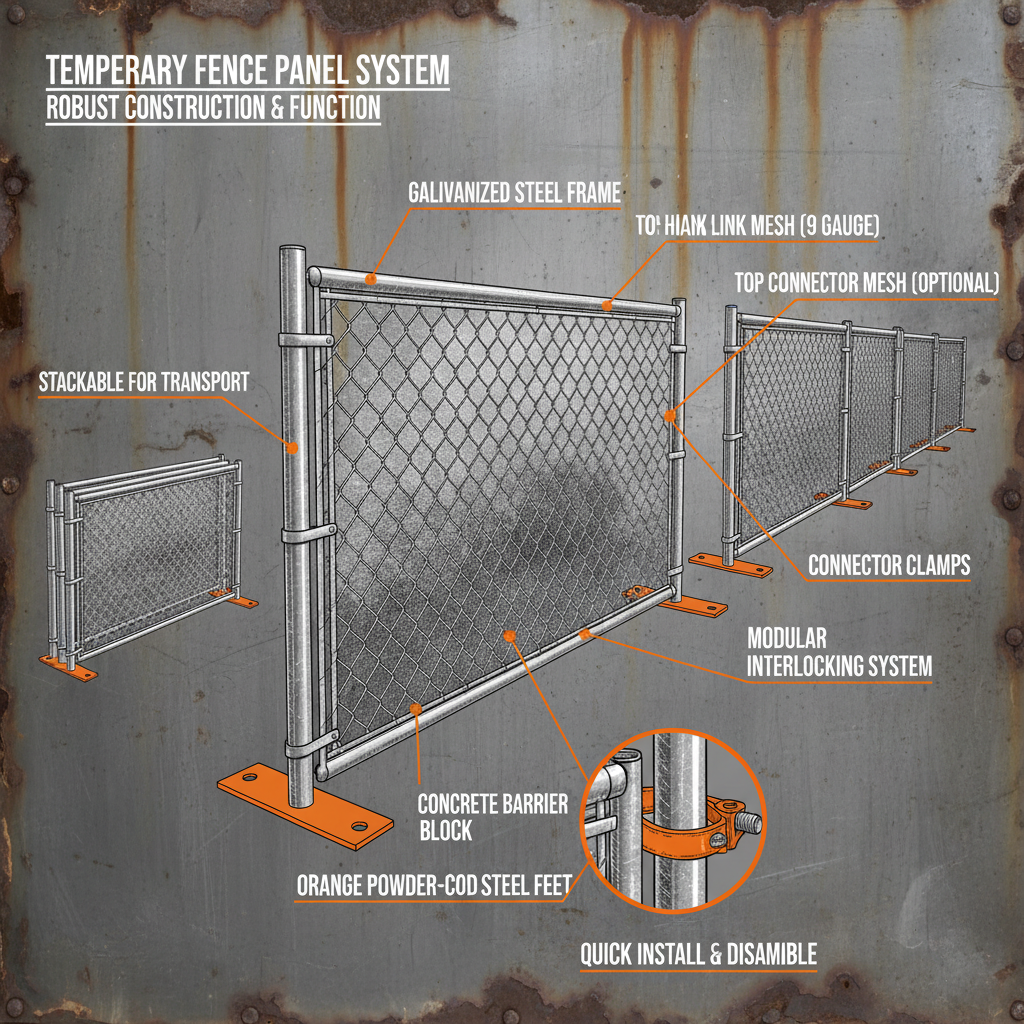
In simple terms, a temporary gate is a portable, non-permanent entry point integrated into a temporary fencing system. Unlike permanent gates that require concrete footings and permanent hinges, these systems are designed for "plug-and-play" installation, often utilizing clamps or slip-on brackets that allow them to be moved as the project perimeter shifts.
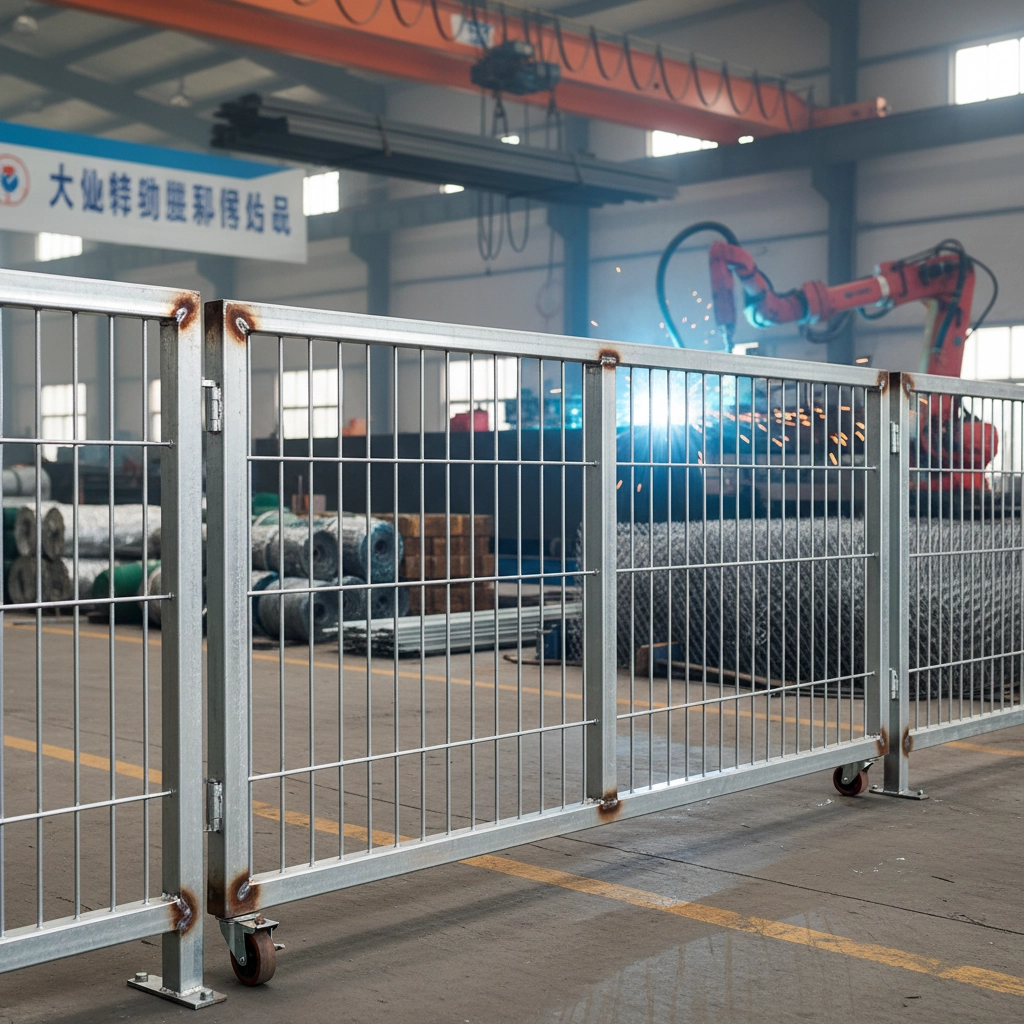
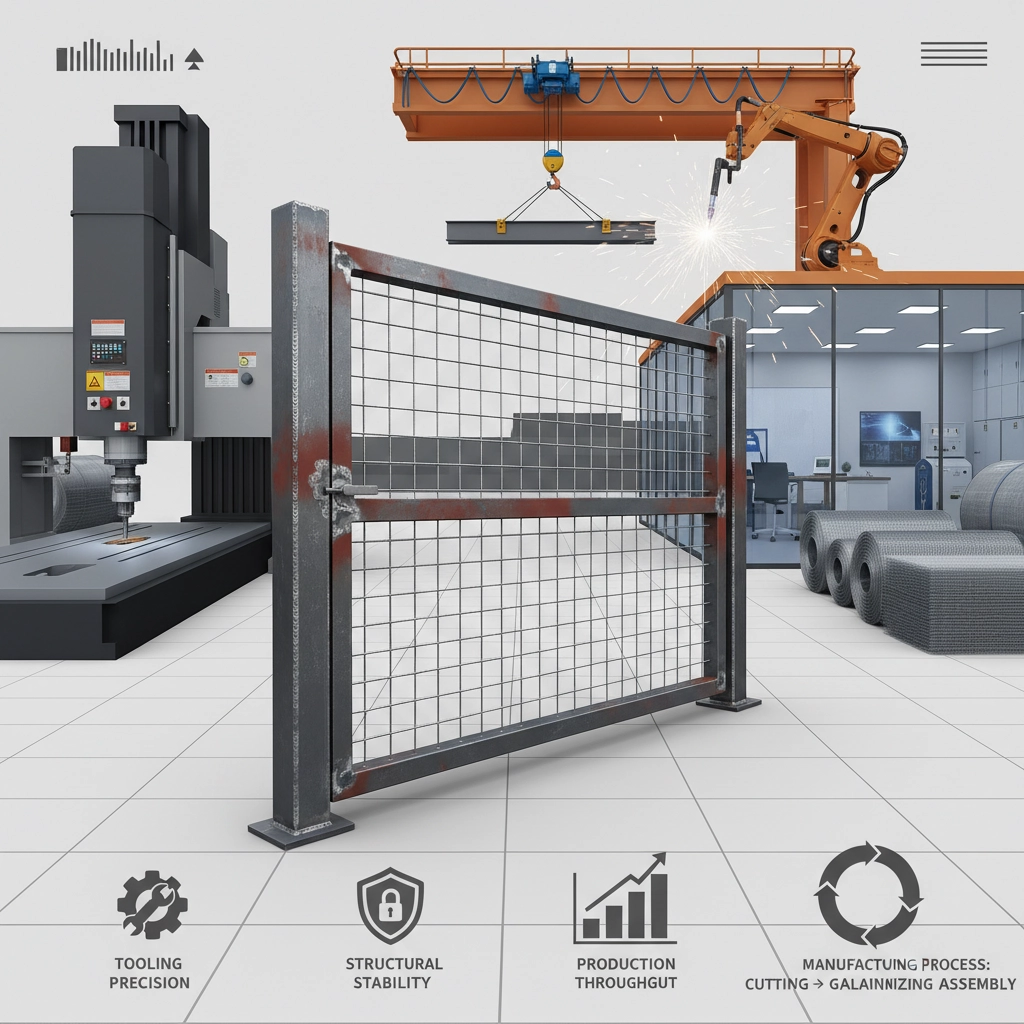
From a technical perspective, these gates are typically constructed from galvanized steel wire mesh or welded panels, designed to resist corrosion while remaining light enough for manual handling. This modularity is what connects them to modern industrial needs, where "agility" is the primary operational goal. The ability to scale a perimeter up or down in hours rather than days is a critical advantage.
Furthermore, in humanitarian contexts—such as the setup of rapid-response medical camps or disaster relief zones—the temporary gate provides an essential layer of dignity and organization. It allows aid organizations to manage the flow of people and supplies safely, preventing chaos in high-stress environments and ensuring that critical resources reach their intended destinations.
Core Components of High-Performance Gates
The effectiveness of a temporary gate depends heavily on its structural durability. High-grade galvanized steel is the industry standard, providing a barrier that can withstand wind loads and physical impact without warping. This ensures that the gate remains functional throughout the entire duration of a project, regardless of weather conditions.
Scalability is another core component; a versatile temporary gate should be available in various widths—from narrow pedestrian walkways to wide vehicle access points. The use of standardized interlocking mechanisms allows these gates to be swapped out or upgraded without needing to replace the surrounding fence panels.
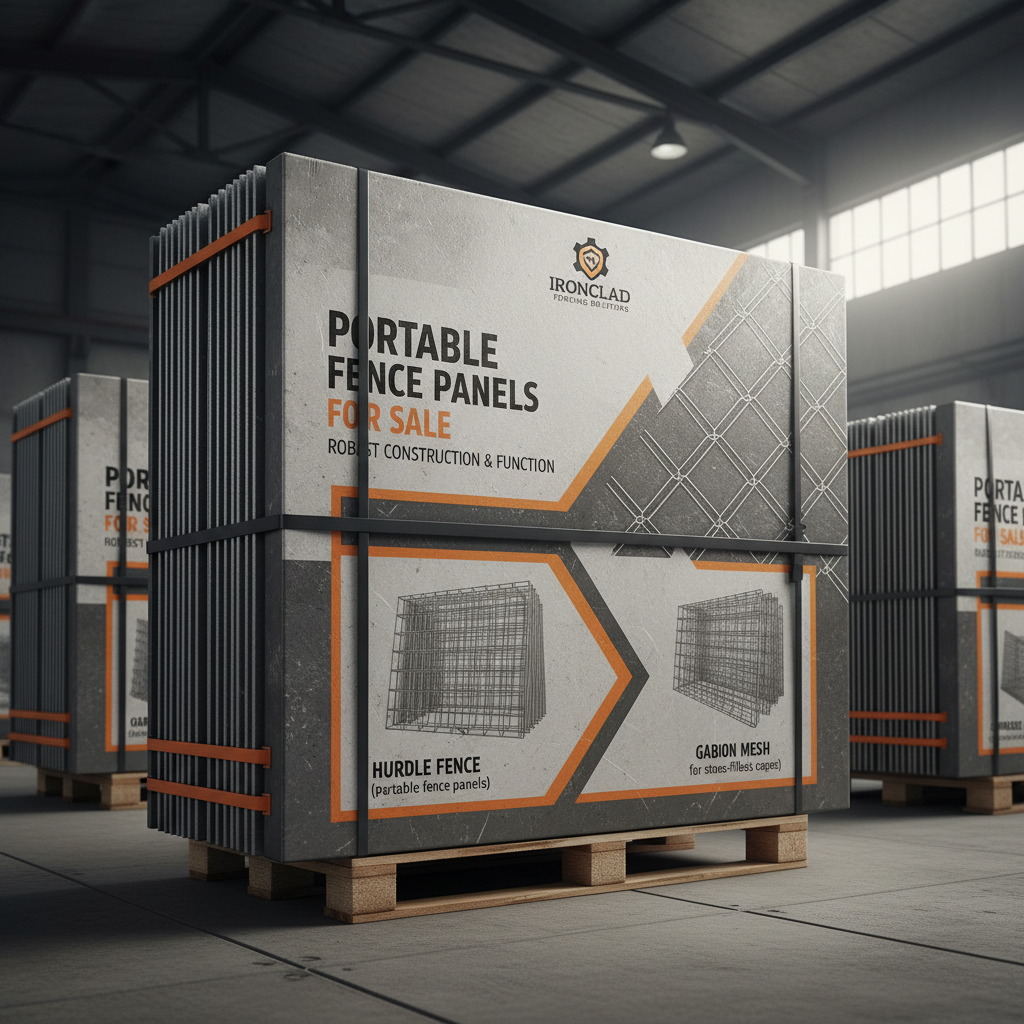
Finally, cost-efficiency is realized through the "rental-ready" design of these systems. Because a professional temporary gate is designed for repeated assembly and disassembly, the long-term cost per use is remarkably low. This makes them an attractive option for companies that manage multiple rotating sites across different geographic regions.
Key Performance Factors for Site Security
When evaluating a temporary gate, the primary focus is often on the balance between ease of installation and security strength. A gate that is too heavy may slow down deployment, while one that is too light may be easily bypassed or damaged. The ideal solution utilizes optimized weight-to-strength ratios, ensuring a secure lock-down without requiring heavy machinery for placement.
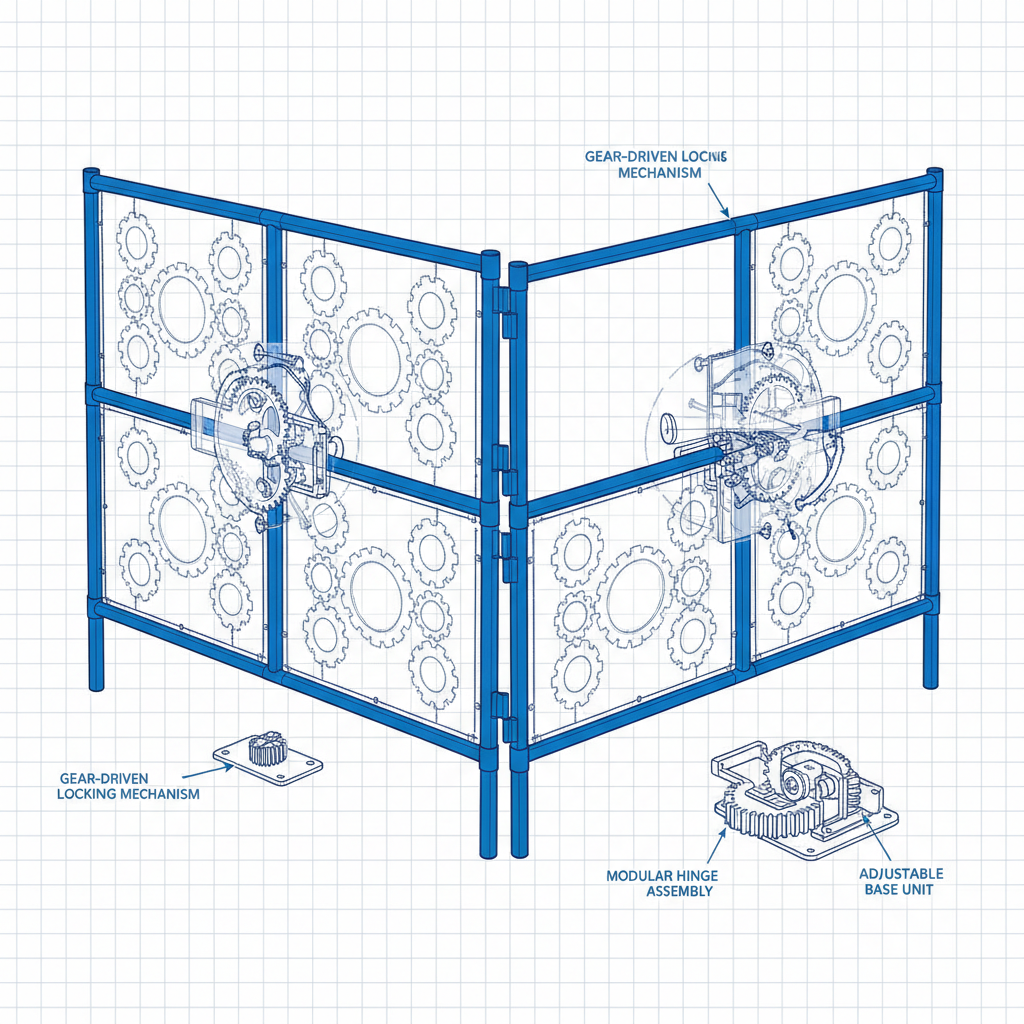
Another critical factor is the integration of locking mechanisms. Modern sites require a variety of access levels, from simple gravity latches for internal zones to high-security padlocks for external perimeters. Ensuring that the temporary gate supports multiple locking options allows the user to adapt to the security level of the specific site environment.
Security Performance Metrics for Temporary Gate Types
Global Applications and Industry Use Cases
In the realm of large-scale public events, such as the Olympics or World Cup, the temporary gate is used to create complex crowd-control labyrinths. These gates allow security personnel to open and close sections of the venue instantly, managing the flow of thousands of people while preventing stampedes and ensuring that only ticketed guests enter specific zones.
In industrial zones, particularly in mining or remote oil fields, these gates are used to secure equipment depots. In these harsh environments, the corrosion-resistant coating of a professional temporary gate is vital. It prevents the salt air or chemical exposure from compromising the hinges, ensuring that the site remains secure without requiring constant maintenance in remote locations.
Long-term Value and Sustainability Benefits
The long-term value of investing in high-quality temporary access solutions extends beyond simple utility. By opting for a reusable temporary gate, companies significantly reduce their carbon footprint. Unlike wooden or low-grade plastic barriers that end up in landfills after a single project, galvanized steel is 100% recyclable and can be reused for decades.
From a psychological perspective, the presence of a sturdy temporary gate conveys a sense of professionalism and trust. When clients or inspectors visit a site and see well-maintained, secure access points, it reflects a commitment to safety and organization. This "invisible" value often translates into better contract ratings and higher trust from stakeholders.
Moreover, the reliability of these systems reduces the cost of insurance. Many insurance providers offer lower premiums to construction firms that can prove they use industry-standard perimeter controls, including secure temporary gate installations, as it minimizes the risk of theft and liability claims from trespassing.
Future Trends in Temporary Perimeter Control
The future of the temporary gate is being shaped by the digital transformation of the construction site. We are seeing the integration of smart-locks and RFID scanners into temporary frames, allowing project managers to track exactly who enters and exits a site in real-time. This automation removes the need for manual logbooks and increases the accuracy of labor tracking.
Material science is also evolving. New lightweight alloys and high-strength polymers are being tested to create a temporary gate that is even lighter to transport but stronger than traditional steel. These "green" materials are often produced using low-emission processes, aligning with the global push toward Net Zero construction.
Additionally, we anticipate the rise of modular, automated gates that can be controlled remotely via a smartphone app. This would allow a single security officer to manage multiple temporary gate points across a vast site, optimizing manpower and further enhancing the speed of response during emergencies.
Comparative Analysis of Temporary Gate Material and Design Specifications
| Gate Model |
Material Grade |
Installation Speed |
Durability Score (1-10) |
| Standard Mesh Gate |
Galvanized Steel Q195 |
Fast (5-10 mins) |
7 |
| Heavy Duty Vehicle Gate |
Reinforced Steel Q235 |
Moderate (15-20 mins) |
9 |
| Pedestrian Quick-Gate |
Light Galvanized Steel |
Very Fast (2-5 mins) |
6 |
| Anti-Climb Security Gate |
Small-Aperture Welded Wire |
Moderate (10-15 mins) |
8 |
| Industrial Wide-Access |
Hot-Dipped Galvanized |
Slow (30+ mins) |
10 |
| Eco-Polymer Hybrid Gate |
Composite Alloy/Polymer |
Fast (5-8 mins) |
7 |
FAQS
A temporary gate is designed for rapid deployment and portability, typically utilizing clamps or brackets instead of permanent concrete foundations. While permanent gates are fixed structures, a temporary gate can be moved, resized, or removed entirely once a project is complete, making it ideal for construction sites and events.
Professional-grade temporary gates are made from hot-dipped galvanized steel, which prevents rust and corrosion. Depending on the environment (e.g., coastal vs. inland), they can easily last for several years of repeated use. Regular inspections of the hinges and locking mechanisms are recommended for long-term outdoor deployment.
Yes, most manufacturers offer various widths. From standard pedestrian gates (approx. 1.2m) to wide vehicle access gates (3.5m to 6m+), there are options to accommodate everything from personnel to heavy machinery like excavators and delivery trucks.
While no temporary system is impenetrable, a high-quality temporary gate with a sturdy locking mechanism significantly deters casual theft and unauthorized entry. For high-security needs, we recommend adding anti-climb mesh panels and using heavy-duty industrial padlocks.
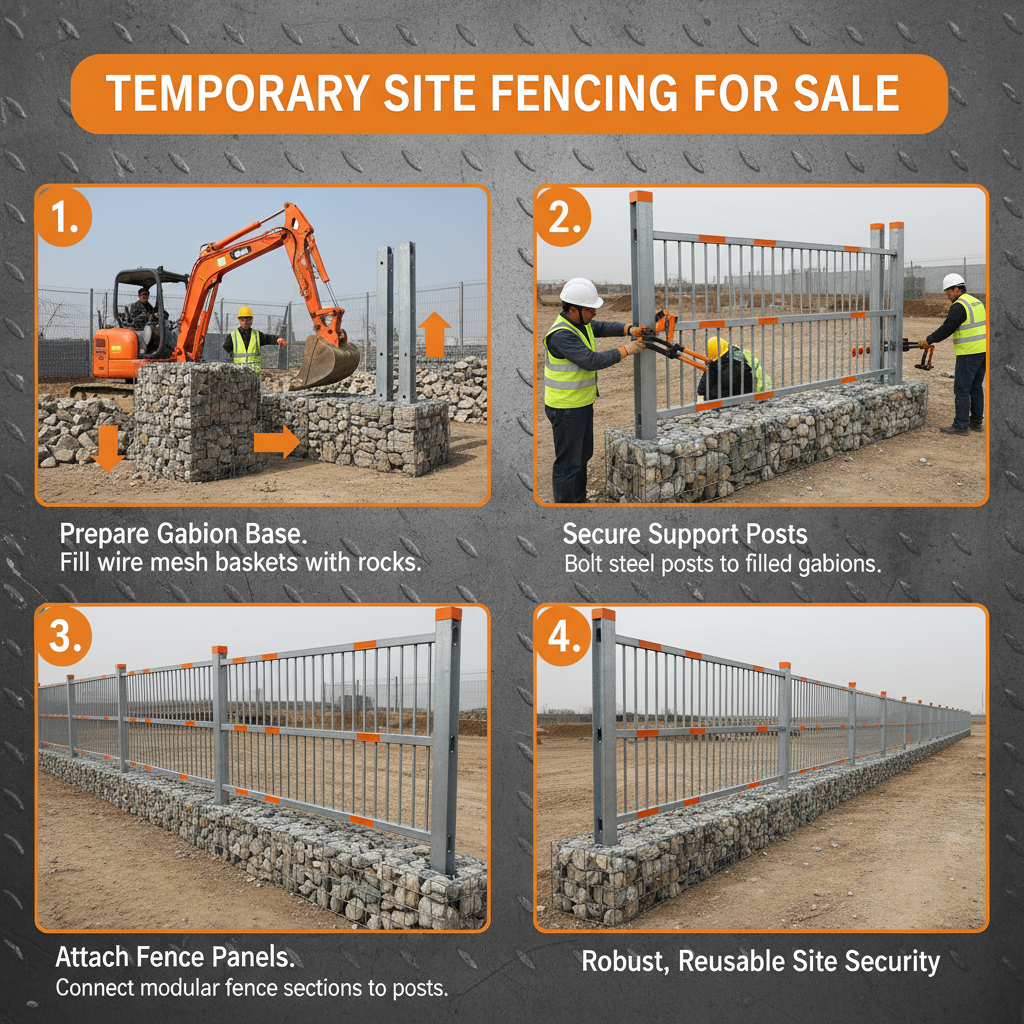
Most temporary gates are installed using freestanding supports or weighted blocks (such as concrete or plastic bases). This eliminates the need for digging or drilling, ensuring the ground is left in its original condition once the gate is removed.
For a single short-term project (under 3 months), renting is usually more economical. However, for companies with ongoing projects or those needing a permanent fleet of portable barriers, purchasing provides a better long-term ROI, as the equipment can be reused across dozens of different sites.
Conclusion
In summary, the temporary gate is a fundamental component of modern site management, blending the requirements of security, flexibility, and speed. From its role in disaster relief and large-scale public events to its daily application on construction sites, the ability to control access efficiently is a key driver of project success and safety. By focusing on material quality, scalability, and sustainable design, industries can ensure their perimeters are not only secure but also cost-effective over the long term.
Looking forward, the integration of smart technology and sustainable materials will further redefine the capabilities of temporary access systems. We encourage project managers and site owners to move beyond basic barriers and invest in high-performance, modular solutions that can evolve with their needs. To secure your next project with the highest industry standards, visit our website: www.dqfences.com.