When looking to buy temp fence panels, procurement managers and site supervisors prioritize a balance between rapid deployment and structural integrity. Temporary fencing serves as the primary security layer for construction sites, event perimeters, and livestock containment, requiring materials that can withstand environmental stress while remaining easy to relocate.
The challenge often lies in selecting a system that prevents unauthorized access without incurring excessive installation costs or long-term material degradation. From galvanized steel mesh to specialized Y-posts, the technical specifications of the fencing components directly impact the overall safety and efficiency of the project site.
This comprehensive guide analyzes the essential criteria for selecting temporary fencing, evaluates the mechanical advantages of high-grade steel components, and provides a strategic framework for buyers to optimize their procurement process for long-term durability.

1Understanding Temporary Fence Panel Systems

Temporary fence panels are modular security barriers designed for short-to-medium term deployment. Unlike permanent installations, these systems rely on interconnected panels and standalone posts—such as the Y-post or star picket—to create a secure perimeter without the need for deep concrete footing. This modularity allows for rapid reconfiguration as site needs evolve during a project's lifecycle.
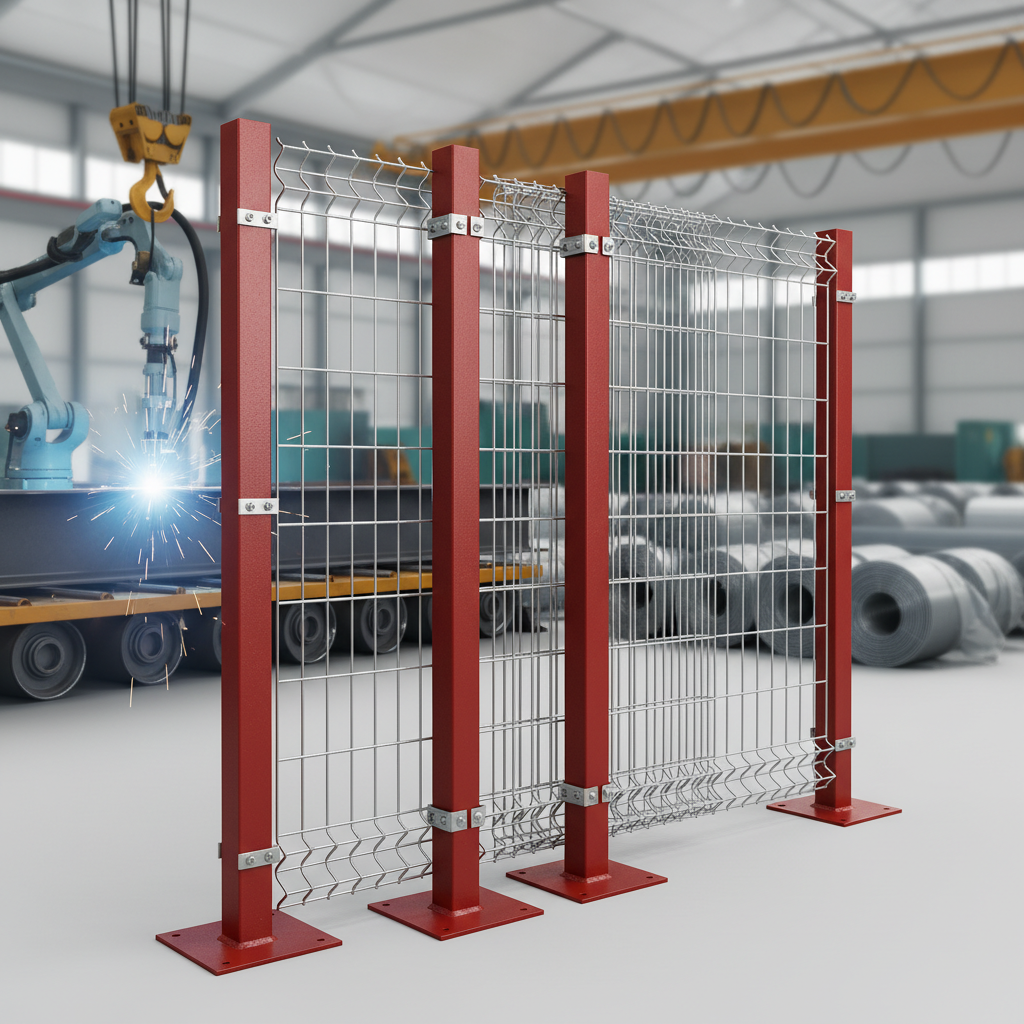
The efficiency of these systems is rooted in their standardized dimensions and interlocking mechanisms. By utilizing galvanized steel, manufacturers ensure that the panels resist oxidation, which is critical for sites exposed to coastal air or high humidity. The integration of specialized posts ensures that the fence remains vertical and taut under pressure.
From a logistical perspective, the ability to stack and transport large quantities of panels reduces shipping overhead. When you buy temp fence panels, you are investing in a reusable asset that can be deployed across multiple projects, significantly lowering the per-project cost over time.
2Core Technical Specifications and Material Value
The structural integrity of a temporary fence depends heavily on the quality of the steel and the coating process. High-quality panels typically utilize hot-dip galvanization or bitumen coating to prevent corrosion. For instance, the Y-post design, featuring a three-pointed star cross-section, provides superior mechanical stability compared to round or square posts of the same weight.
Material weight is a critical performance indicator. For Y-posts, specifications range from 1.58kg/m to 3.50kg/m, allowing users to choose a post that balances weight for transport with the strength required for high-security perimeters. Heavier posts are generally reserved for livestock fencing or high-wind zones where structural rigidity is paramount.
Furthermore, the surface treatment options—such as posts with holes for wire fastening or posts with teeth for panel gripping—allow for tailored security levels. This versatility ensures that the fencing can be adapted for everything from simple boundary marking to high-security industrial enclosures.
3Application Scenarios for Temporary Fencing
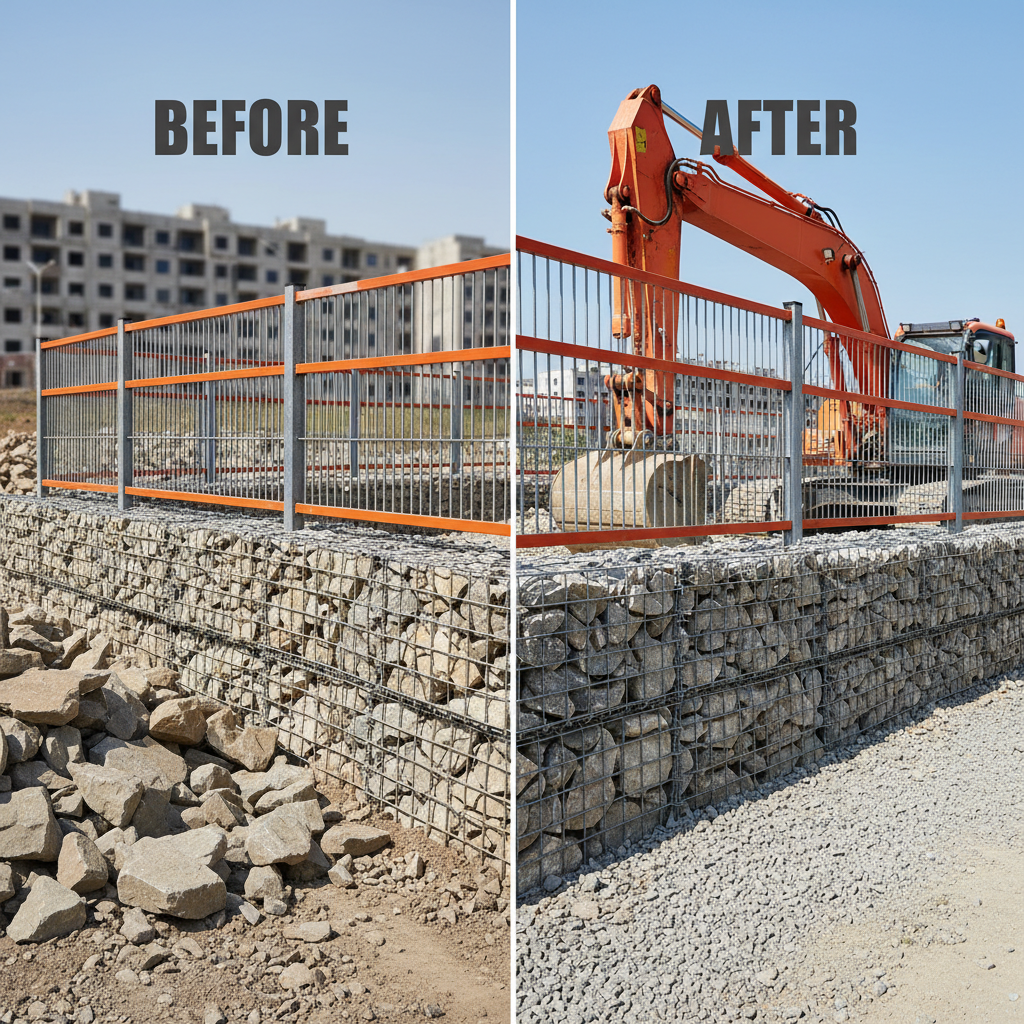
Temporary fencing is deployed across a wide array of industries, each with unique requirements. In the construction sector, panels are used to isolate hazardous work zones and protect the public from site debris. In these environments, high visibility and ease of assembly are the primary drivers for selecting specific panel types.
Agricultural applications, such as cattle and sheep farming, require different specifications. Here, the focus shifts to livestock containment and forestry protection. The use of Y-posts and star pickets is standard in Australia and New Zealand due to their ability to support heavy netting and withstand the pressure of livestock leaning against the fence.
Beyond construction and farming, temporary fencing is essential for event management and roadwork. Highway and railway projects utilize protective wire mesh to prevent unauthorized access to active transit lines, requiring systems that meet strict safety compliance standards and can be installed without disrupting traffic flow.
4Performance Analysis of Steel Fencing Components
Evaluating the performance of temporary fencing requires looking at the mechanical properties of the steel. Specialized Y-posts, for example, often exhibit a 30% improvement in mechanical and physical properties compared to standard steel posts of the same section size. This increase in strength allows for fewer posts per linear meter without sacrificing stability.
The efficiency of the installation process is another key metric. Systems that utilize tapered ends and plain heads for easy hammering significantly reduce labor hours. When analyzed against traditional permanent fencing, the deployment speed of modular temporary panels is exponentially higher, which is critical for time-sensitive project deadlines.
buy temp fence panels Performance Metrics
As shown in the data, the transition to high-specification temporary panels improves overall security levels and wind resistance. While the initial procurement cost may be slightly higher for galvanized, high-gauge steel, the reduction in replacement frequency and labor costs provides a superior return on investment (ROI) over the project's duration.
5Strategic Procurement and Selection Criteria
To successfully buy temp fence panels, buyers must first define the intended duration of use and the environmental conditions. For projects lasting over six months, hot-dip galvanized steel is non-negotiable to avoid rust-induced structural failure. For very short-term events, lighter-weight panels may suffice to reduce transportation costs.
Compatibility is another critical factor. Ensure that the panels are compatible with the chosen post system. For example, panels designed for "tooth-type" posts will not sit securely on smooth posts, potentially creating gaps that compromise security. Always verify the locking mechanism—whether it is a clamp, sleeve, or bolt system—before finalizing the order.
Finally, evaluate the supplier's production capacity and quality control. Companies with integrated workshops and large warehouses, such as Hebei Dunqiang Hardware Mesh Co Ltd, can offer customized drawings and standardized quality, which reduces the risk of receiving mismatched panels that complicate on-site assembly.
6Operational Constraints and Maintenance Needs
Despite their durability, temporary fence systems face operational constraints. In extremely soft or sandy soils, standard Y-posts may lean or sink, requiring the use of additional stabilization plates or slightly longer posts to reach a firm substrate. Failure to account for soil density often leads to fence failure during high-wind events.
Maintenance is often overlooked in temporary installations. While galvanized steel is low-maintenance, mechanical joints and clamps can loosen over time due to vibration or temperature fluctuations. Regular inspections of the connection points are necessary to maintain the security perimeter's integrity.
At the end of a project, the decommissioning process is just as important as installation. Panels should be cleaned of debris and stacked systematically to prevent warping. Proper storage in a dry environment extends the reusable life of the panels, ensuring they remain a viable asset for future procurement cycles.
7Comparing Temporary Fencing Solutions
Choosing the right fencing solution requires a comparative analysis of material types and post configurations. Depending on whether the goal is livestock containment, site security, or simple boundary marking, the trade-offs between cost, weight, and strength vary significantly.
For those needing high security, welded wire mesh panels combined with heavy-duty galvanized Y-posts offer the best resistance to intrusion. Conversely, for agricultural use, bitumen-coated star pickets provide the necessary corrosion resistance at a lower price point than full hot-dip galvanization.
| Fencing Option | Primary Use Case | Key Strength | Main Limitation |
|---|---|---|---|
| Construction Sites | High Security | Higher Initial Cost | |
| Farm/Livestock | Corrosion Resistance | Lower Aesthetics | |
| Event Perimeters | Rapid Deployment | Low Wind Resistance | |
| High-Stress Boundaries | Max Stability | Difficult Transport | |
| Industrial Zones | Flexibility | Requires More Tensioning | |
| Specialized Infrastructure | Exact Fit | Longer Lead Times |
Ultimately, the decision to buy temp fence panels should be based on a matrix of site-specific needs. By balancing the mechanical properties of the steel with the operational requirements of the environment, procurement teams can ensure maximum site safety while minimizing waste and unnecessary expenditure.
Frequently Asked Questions
Conclusion
The decision to buy temp fence panels requires a technical approach that considers material science, environmental factors, and long-term ROI. By prioritizing high-grade galvanized steel and correctly specified Y-posts, organizations can establish a secure, durable, and flexible perimeter that protects both assets and people.
For procurement teams seeking reliable, ISO-certified fencing solutions tailored to specific project drawings, reviewing the technical capabilities at www.dqfences.com can provide the necessary guidance to optimize site security and operational efficiency.