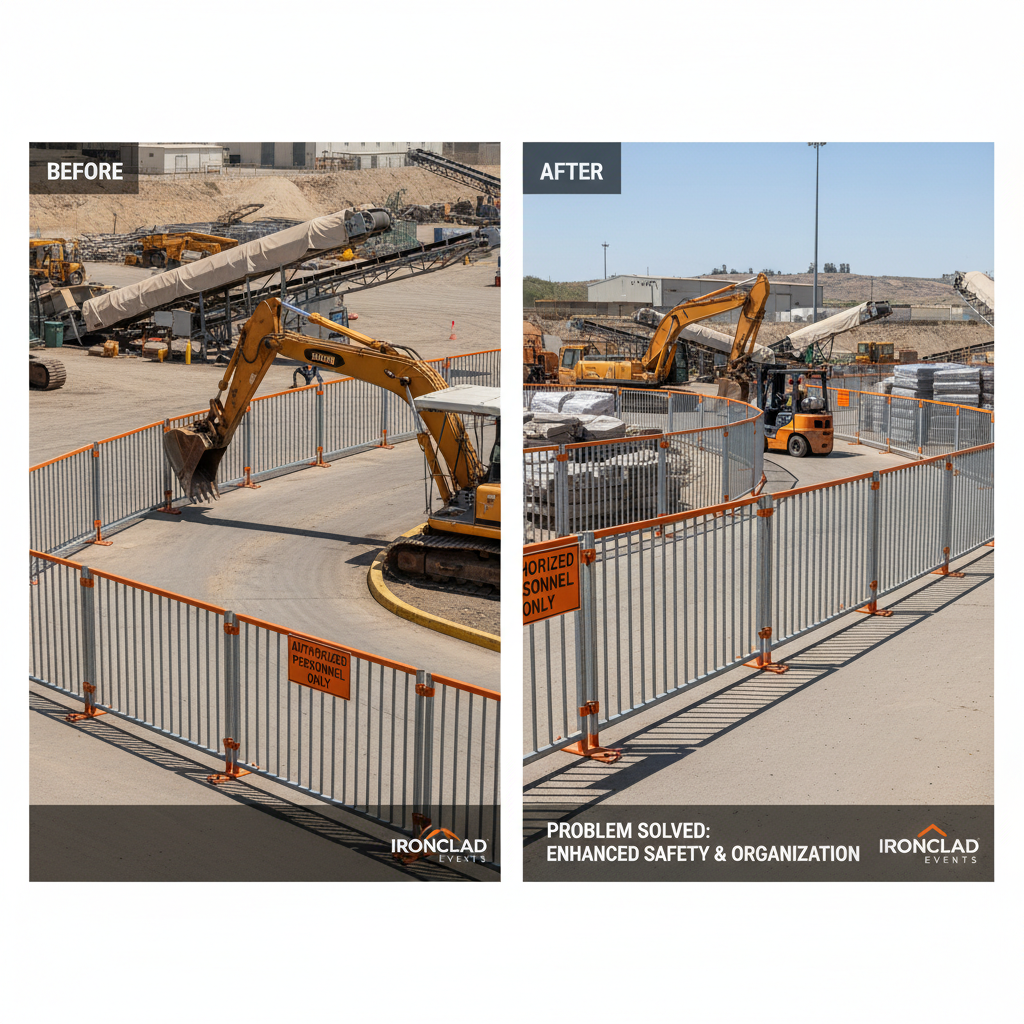
In the modern construction and industrial landscape, the implementation of robust site fencing serves as the primary line of defense for asset protection and personnel safety. Whether it is a high-profile urban development project or a remote industrial facility, the ability to effectively demarcate boundaries and restrict unauthorized access is not merely a logistical preference but a critical legal and safety requirement.
The global demand for high-quality temporary and permanent fencing has surged as infrastructure projects become more complex and safety regulations, such as ISO 45001, become more stringent. Effective site perimeter management reduces the risk of theft, prevents costly accidents involving trespassing civilians, and ensures that work zones remain organized and efficient.
Understanding the nuances of different fencing systems—from rapid-deployment temporary panels to heavy-duty welded wire mesh—allows project managers to balance budget constraints with maximum security. By selecting the right materials and installation methods, companies can significantly lower their liability and improve the overall operational flow of their construction sites.
The Global Importance of Site Fencing
Across the globe, the construction industry is evolving toward smarter, safer, and more sustainable practices. site fencing is no longer viewed as a simple barrier but as a strategic tool for risk mitigation. In regions experiencing rapid urbanization, such as Southeast Asia and the Middle East, the deployment of standardized fencing systems has become a prerequisite for obtaining building permits and insurance coverage.
The integration of high-grade galvanized steel and specialized coatings ensures that these barriers can withstand extreme weather conditions, from the humid tropics to arid desert environments. By implementing professional-grade site fencing, operators can maintain a sterile environment, ensuring that only authorized personnel enter high-risk zones, thereby reducing workplace fatalities and equipment damage.
Defining Modern Site Fencing Systems
In technical terms, site fencing refers to the temporary or permanent enclosure of a specific area of land to control access, provide security, and ensure public safety. Unlike residential fencing, industrial site fencing is engineered for high stress, rapid deployment, and modular scalability. It encompasses a wide range of products, including temporary panels, welded wire mesh, and reinforced fence posts, designed to be installed and dismantled with minimal effort.
Beyond mere physical obstruction, modern systems are designed to meet humanitarian and safety standards. For instance, in disaster relief zones or temporary refugee camps, fencing is used to organize logistics and provide a sense of structured security. This intersection of industrial utility and human safety makes the choice of materials—such as the tension of the wire or the thickness of the coating—critical to the system's success.
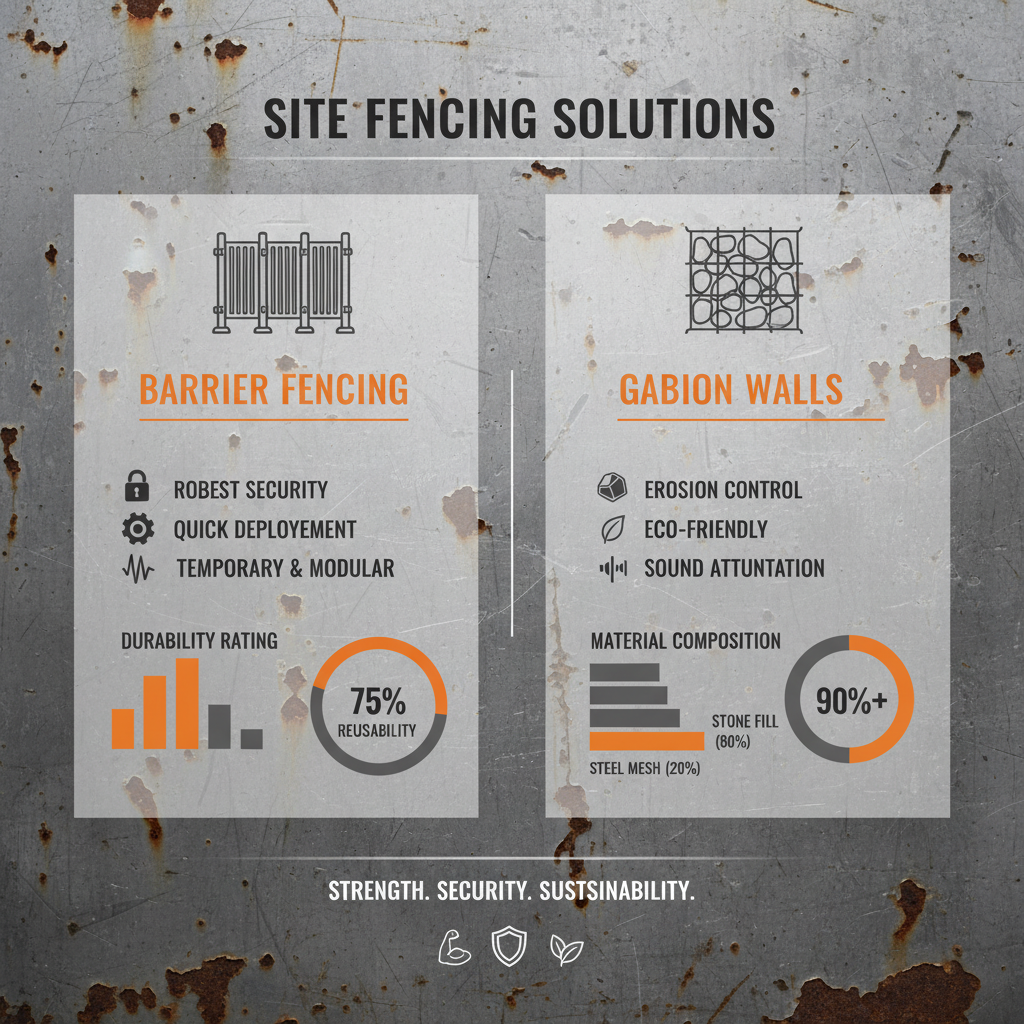
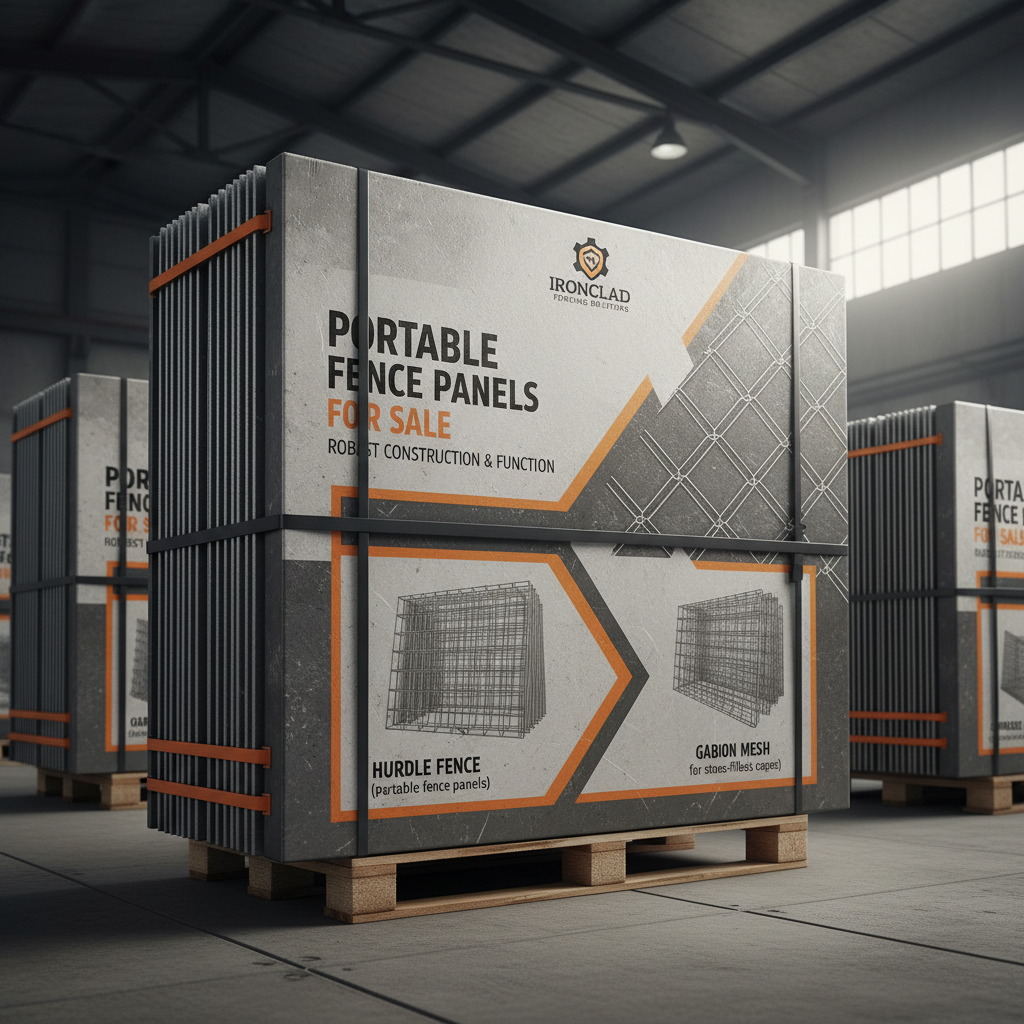
The versatility of these systems is further enhanced by the use of various configurations. From Gabion baskets used for erosion control and boundary reinforcement to livestock fence panels adapted for perimeter security in rural industrial zones, the definition of site fencing has expanded to include any engineered metal barrier that protects a designated work or storage area.
Core Components for Maximum Durability
The effectiveness of any site fencing installation depends on several core components. First and foremost is the material composition; the use of hot-dipped galvanized steel is the industry standard to prevent corrosion and rust, especially in coastal areas where salt spray can degrade untreated metals rapidly.
Another critical factor is structural scalability. Modular designs allow for the rapid expansion or contraction of the perimeter as the project evolves. Using standardized fence posts and interlocking panels ensures that the site fencing can be adjusted without requiring entirely new materials, which significantly reduces waste and project downtime.
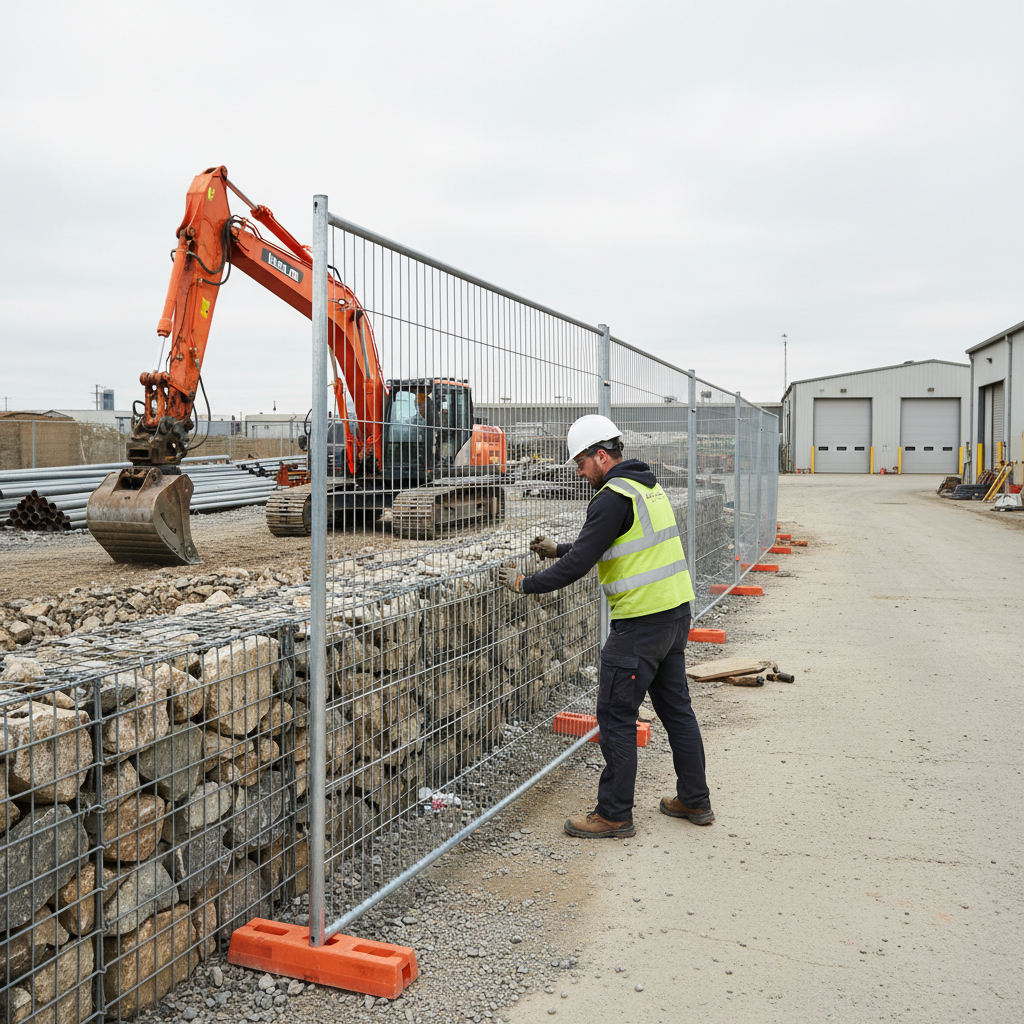
Finally, stability and anchoring mechanisms play a vital role. Whether using concrete footings for permanent welded fences or weighted bases for temporary panels, the ability of the fence to resist wind loads and physical impact is paramount. High-tensile wire mesh and precision-engineered joints ensure that the barrier remains taut and secure over long periods.
Comparative Efficiency of Fencing Methods
Selecting the right method of site fencing requires an analysis of the project's duration, security level, and environmental conditions. For example, temporary fence panels offer the fastest deployment time, making them ideal for short-term roadworks, while welded wire mesh provides superior longevity and security for permanent industrial installations.
To provide a clearer picture, we evaluate common fencing methods based on installation speed, security level, cost-effectiveness, and durability. While temporary solutions excel in agility, permanent installations offer the peace of mind required for high-value asset protection.
Efficiency Analysis of Site Fencing Methods
Global Applications and Industrial Use Cases
The application of site fencing varies significantly across different sectors. In the oil and gas industry, for example, heavy-duty welded fences are used to secure remote drilling sites, preventing wildlife interference and unauthorized human entry. In urban centers, temporary fencing is ubiquitous around skyscraper construction sites to manage pedestrian traffic and prevent debris from leaving the site.
Beyond construction, these systems are critical in event management and large-scale public gatherings, where crowd control is essential for safety. In agricultural settings, specialized livestock fence panels provide the necessary boundaries for animal containment while maintaining the structural integrity needed to resist pressure from livestock, demonstrating the versatility of wire mesh products across diverse environments.
Long-Term Economic and Safety Value
Investing in high-quality site fencing delivers tangible long-term value by reducing insurance premiums and minimizing the risk of theft. A secure site is a productive site; when workers know the perimeter is secure, they can focus on their tasks without the constant threat of tool theft or external interruptions, which directly correlates to project timeline adherence.
From a psychological perspective, a well-fenced site communicates professionalism and trust. It signals to the community and stakeholders that the project is managed with a commitment to safety and regulatory compliance. This reputation for diligence can be a competitive advantage for contractors when bidding for high-value government or corporate contracts.
Furthermore, the sustainability of modular site fencing adds to its economic appeal. Instead of using single-use barriers that end up in landfills, reusable galvanized steel panels can be deployed across multiple projects over several years. This circular approach reduces the total cost of ownership and aligns with global ESG (Environmental, Social, and Governance) goals.
Future Innovations in Perimeter Security
The future of site fencing is moving toward "smart perimeters." We are seeing the integration of IoT (Internet of Things) sensors into fence posts, allowing project managers to receive real-time alerts on their smartphones the moment a breach is detected. This transition from passive barriers to active monitoring systems is revolutionizing how security is handled in high-risk zones.
Material science is also advancing, with the development of new polymer-coated alloys that offer even greater corrosion resistance than traditional galvanization. These materials are lighter, stronger, and more environmentally friendly, reducing the carbon footprint associated with transporting heavy steel components to remote sites.
Additionally, automation in installation is on the horizon. Robotic fence installers and pre-fabricated modular sections are being developed to further reduce the labor cost and time required to secure a site. As these technologies mature, the efficiency of site fencing will reach new heights, blending physical strength with digital intelligence.
Analysis of Site Fencing Material Performance and Application
|
Material Type
|
Corrosion Resistance
|
Installation Speed
|
Primary Use Case
|
| Galvanized Steel Panel |
High |
Very Fast |
Temporary Construction |
| Welded Wire Mesh |
Very High |
Moderate |
Industrial Perimeters |
| PVC Coated Steel |
Excellent |
Moderate |
Coastal Areas/Parks |
| Gabion Mesh |
High |
Slow |
Erosion & Heavy Security |
| High-Tensile Wire |
Moderate |
Fast |
Agricultural/Rural Sites |
| Reinforced Steel Post |
High |
Moderate |
Structural Support |
FAQS
Temporary site fencing is designed for rapid installation and removal, typically using modular panels and weighted bases without permanent ground penetration. Permanent fencing, such as welded wire mesh, is installed with fixed posts set in concrete, offering higher security and long-term durability for permanent industrial boundaries.
The most effective way to prevent rust is to choose hot-dipped galvanized steel, which creates a protective zinc layer. For extremely humid or coastal areas, adding a PVC or powder coating provides an extra barrier against salt and moisture, significantly extending the lifespan of the fence.
Yes, modular site fencing is ideal for crowd control. Its ability to be quickly configured into corridors, barriers, and perimeters makes it a standard choice for festivals and sporting events, ensuring a safe flow of people and protecting restricted areas.
While requirements vary by region, most local laws mandate that sites be fully enclosed to prevent public trespassing and ensure safety. This often includes specific height requirements and the addition of warning signs to comply with occupational health and safety regulations (OSHA/ISO).
Yes, Gabion baskets are specialized site fencing used when both structural stability and security are needed. They are often used for perimeter reinforcement in rugged terrain or to create heavy-duty barriers that are nearly impossible to breach through standard means.
The choice depends on the intended security level. For basic boundary marking, a lighter gauge is sufficient. However, for high-security industrial sites, a thicker gauge (heavier wire) is necessary to resist cutting and physical impact, ensuring the perimeter remains intact.
Conclusion
Effective site fencing is an indispensable component of modern industrial and construction management. From the initial deployment of temporary panels to the installation of permanent welded mesh and Gabion systems, the right fencing strategy ensures a secure, safe, and professional working environment. By focusing on material quality, structural scalability, and adherence to global safety standards, businesses can protect their assets and reduce liability.
Looking forward, the integration of smart technology and sustainable materials will further refine how we secure our perimeters. As the industry shifts toward greener and more automated solutions, the value of high-quality fencing will only increase. We encourage project managers to prioritize durability and versatility in their fencing choices to ensure long-term operational success. Visit our website for professional solutions: www.dqfences.com