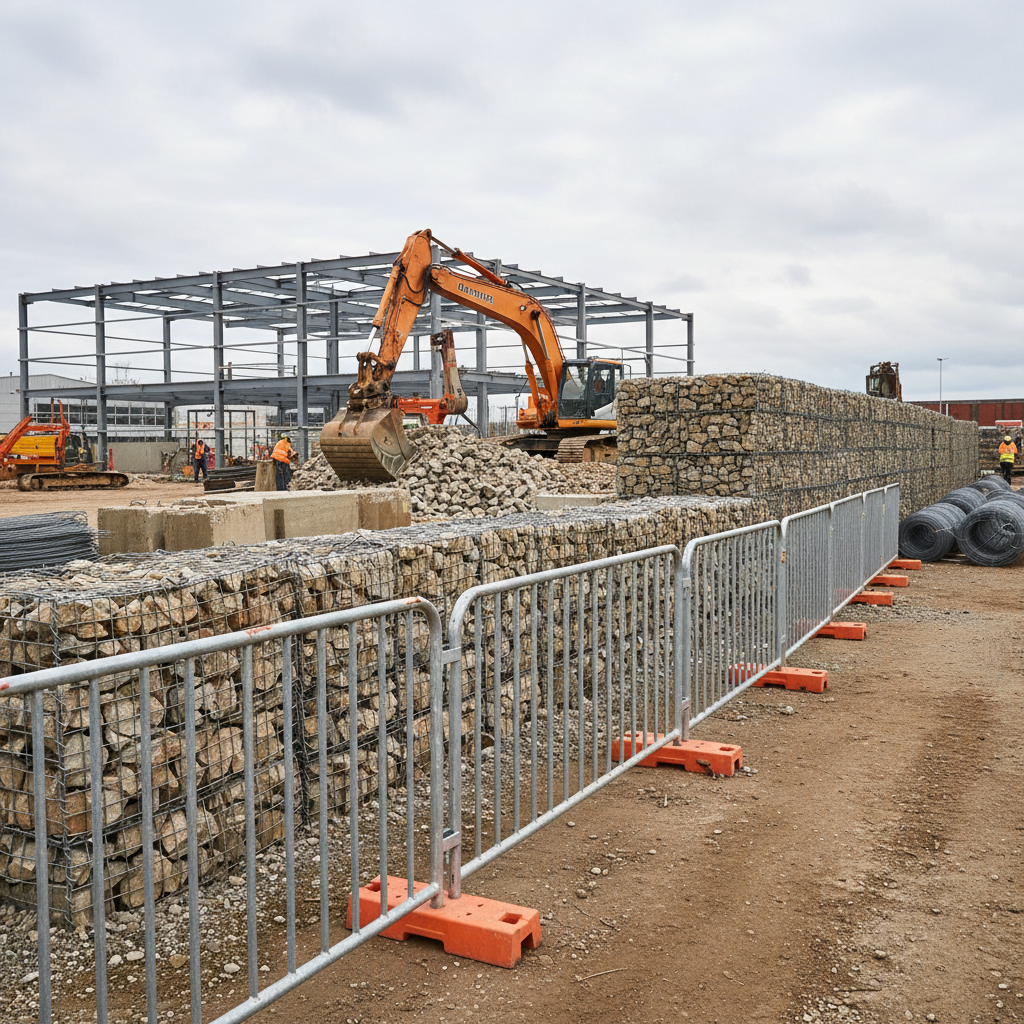
Construction fencing. It's more than just orange plastic mesh, believe me. After years on sites, hauling materials, and talking to the guys doing the real work, you quickly realize it’s the first line of defense—not just for security, but for safety, for public perception, and even for project efficiency. We’re talking about a multi-billion dollar industry globally, driven by infrastructure development, residential booms, and the constant need for temporary enclosures. Organizations like the UN and World Bank rely on secure perimeter control in peacekeeping and humanitarian efforts, and increasingly, that means durable, rapidly deployable fencing solutions. Good fencing isn't just about keeping people out; it’s about protecting everyone inside and showcasing a professional operation.
The demand is rising steadily, fueled by urbanization and increasing construction spending worldwide. Estimates show a consistent growth rate in the temporary fencing market, especially in developing economies. The problem? Too often, you see flimsy, unreliable fencing that fails to withstand weather, wear, or determined attempts at intrusion. This leads to delays, increased costs, and, most importantly, safety risks. I've seen sites shut down due to inadequate perimeter security; it's a mess nobody wants.
Ultimately, a good system isn’t about a low price tag; it's about value. It's about minimizing risk, maximizing efficiency, and demonstrating a commitment to safety. And that’s where understanding the nuances of construction fencing really comes into play. It’s not just a commodity; it’s a critical component of any successful project.
The Importance of Construction Fencing
Look, I’ve seen sites where they skimp on fencing, thinking it’s a minor expense. It always backfires. Beyond the obvious security aspect – preventing theft and vandalism – proper construction fencing is a massive safety component. It keeps the public away from hazards like excavations, moving equipment, and falling debris. It’s about liability, plain and simple. A robust fence is a clear signal that you’re taking safety seriously.
And it’s not just about what’s happening on the site. Perimeter control manages access, reducing the risk of unauthorized personnel introducing safety hazards or disrupting operations. A well-maintained fence also projects a professional image to the surrounding community, building trust and minimizing complaints. That matters, especially on long-term projects.
Defining Construction Fencing
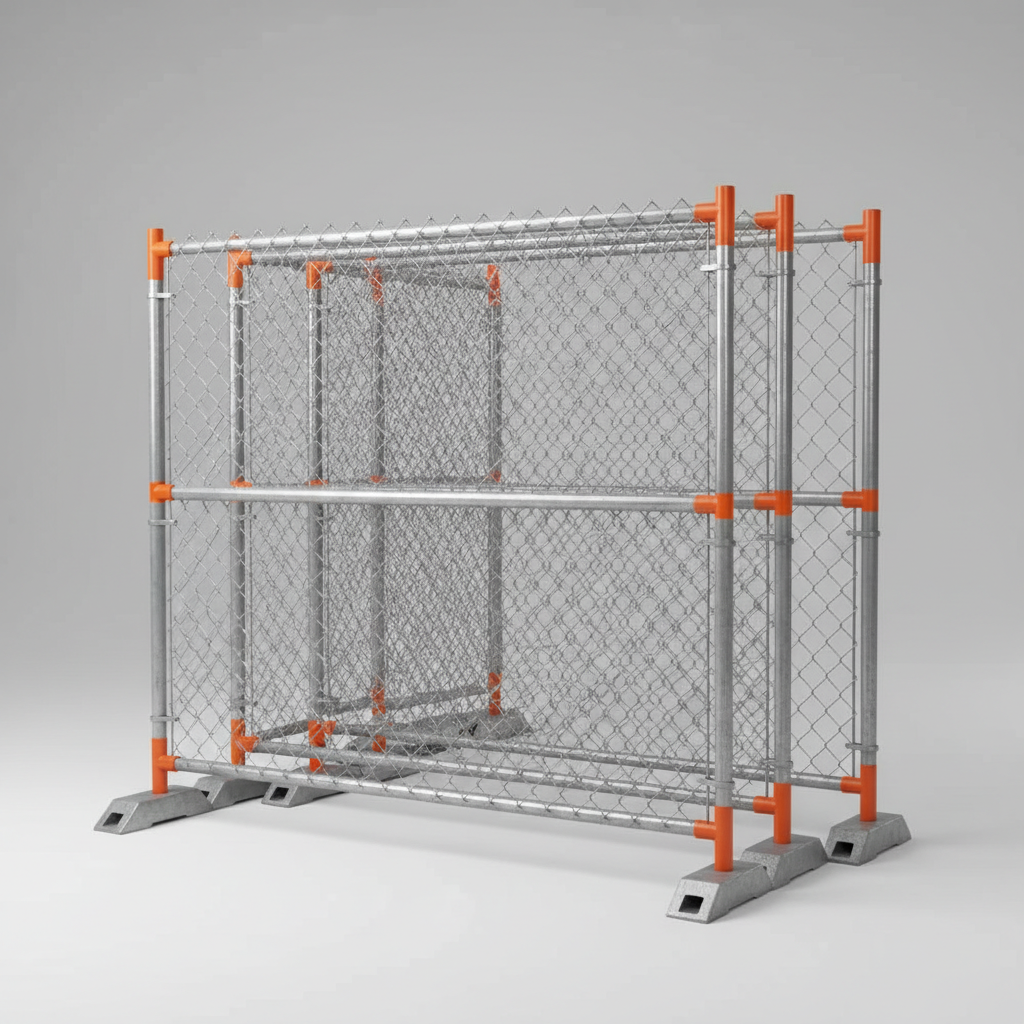
Construction fencing, at its core, is a temporary barrier used to define a work zone and control access. It's more than just the orange plastic you see everywhere. It encompasses a range of materials and systems – chain link, welded wire, wood, composite materials, even concrete barriers – all designed for temporary deployment. The choice depends on the site’s specific needs: security level, weather conditions, site layout, and budget.
Today, it’s evolving rapidly. We're moving beyond basic perimeter control to integrated systems that include security cameras, access control points, and even lighting. It's all about creating a smart, secure, and efficient work environment. This ties directly into modern building information modeling (BIM) processes, where site logistics and security are planned digitally before ground is broken.
Really, construction fencing reflects a fundamental need for order and control in a chaotic environment. It’s about establishing clear boundaries and protecting people and property during a period of significant change. It’s a basic requirement for responsible construction practice.
Key Factors of Effective Construction Fencing
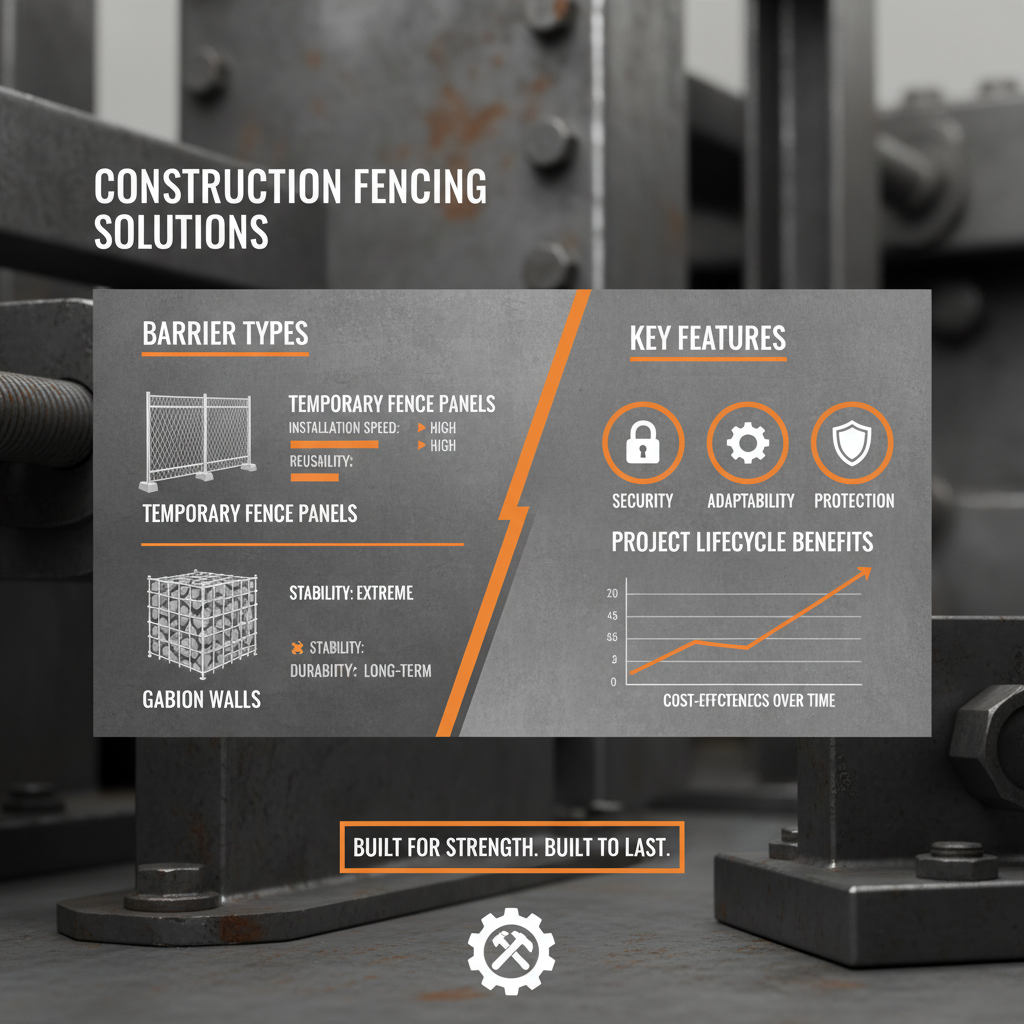
When I’m evaluating a fencing solution, there are a few non-negotiables. First, durability. It needs to withstand the elements – wind, rain, snow – and resist damage from impact or vandalism. I’ve seen cheap plastic fencing ripped to shreds by a strong gust of wind; it's useless. Second, stability. It has to remain upright and secure, even on uneven terrain. You don’t want gaps or weak points.
Then you’ve got installation speed and ease. Time is money on a construction site. A system that takes days to install is a non-starter. We need something that can be deployed quickly and efficiently, minimizing disruption. Next is visibility. The fence needs to be clearly visible to prevent accidents. High-visibility colors and reflective materials are crucial. And finally, compliance. It has to meet all relevant safety regulations and local building codes.
Don’t underestimate the importance of scalability. A project’s needs can change rapidly. You might start with a small enclosure and need to expand it as the site evolves. A modular system that allows for easy expansion and reconfiguration is invaluable. The best systems let you adapt without having to start from scratch. This is where thinking long-term about the project's trajectory is critical; you need a solution that can grow with the site.
And let’s not forget cost-effectiveness. It’s tempting to go with the cheapest option, but that’s often a false economy. A more durable, reliable system will save you money in the long run by reducing repairs, replacements, and potential safety incidents. Consider the total cost of ownership, not just the upfront price.
Global Applications and Use Cases
Construction fencing isn't limited to just building sites. It’s essential for roadwork, bridge construction, utility projects, and even large-scale events. I’ve seen it used extensively in infrastructure projects across Southeast Asia, where rapid urbanization demands secure and controlled work zones. In post-disaster relief operations, it's invaluable for creating temporary shelters, establishing secure perimeters, and managing the flow of aid.
Think about remote industrial zones – oil and gas facilities, mining operations – where security is paramount. They rely heavily on robust fencing systems to protect valuable assets and personnel. Even in urban environments, construction fencing plays a vital role in pedestrian management and traffic control during road closures and building renovations.
We’re also seeing increased demand in environmentally sensitive areas, where fencing is used to protect habitats and prevent disturbance during construction projects. This often requires specialized fencing materials and installation techniques to minimize environmental impact.
Construction Fencing Application Ratings
Advantages and Long-Term Value
The benefits go way beyond simply keeping people out. A well-implemented construction fencing strategy minimizes risk – reducing the potential for accidents, injuries, and theft. This translates directly into lower insurance costs and fewer project delays. Think about the cost of even one day of downtime due to a security breach; it’s substantial.
From a sustainability perspective, choosing durable, reusable fencing materials can significantly reduce waste. And let's be honest, a clean, well-secured site builds trust with the community. It demonstrates a commitment to responsible construction practices, which is crucial for maintaining positive relationships.
Future Trends and Innovations
We're starting to see a lot of innovation in this space. Smart fencing systems that integrate with IoT devices are becoming more common. These systems can provide real-time alerts for security breaches, monitor environmental conditions, and even track equipment. We're also seeing a move towards more sustainable materials – recycled plastics and composite materials that offer comparable durability to traditional options.
Automation is another key trend. Robotic installation systems could dramatically reduce labor costs and installation times. And with the increasing focus on prefabrication and modular construction, we’ll likely see more integrated fencing solutions that are designed to work seamlessly with these building methods.
Challenges and Solutions
One of the biggest challenges is dealing with uneven terrain. Traditional fencing systems can be difficult to install securely on sloping ground or rocky surfaces. The solution? Modular systems with adjustable bases and flexible panel connections. Another challenge is maintaining the fence over the long term. Damage from weather or vandalism can compromise its integrity. Regular inspections and prompt repairs are essential.
We also need to address the issue of material theft. Fencing itself can be a target for thieves. Using tamper-proof fasteners and security cameras can help deter theft. And finally, there's the challenge of balancing security with accessibility. You need a fence that is secure but doesn't impede emergency access or create unnecessary obstacles for workers. That's where careful planning and thoughtful design come into play.
I've seen too many projects struggle with these issues because they didn’t invest in a properly designed and maintained fencing system. It's a mistake that can cost you time, money, and potentially, lives.
Key Considerations for Choosing the Right Construction Fencing
| Site Conditions |
Security Level |
Budget Allocation |
Installation Timeline |
| Flat, Stable Ground |
Low (Basic Deterrence) |
$5 - $10 per linear foot |
Less than 1 day |
| Sloping or Uneven Terrain |
Medium (Preventing Casual Access) |
$10 - $20 per linear foot |
1-3 days |
| High Wind Exposure |
High (Protecting Assets, Preventing Intrusion) |
$20+ per linear foot |
3-5 days |
| Remote or Unattended Site |
Critical (High Security, Surveillance) |
$30+ per linear foot |
5+ days |
| Residential Area Proximity |
Moderate (Public Safety, Noise Reduction) |
$15 - $25 per linear foot |
2-4 days |
| Environmentally Sensitive Area |
Variable (Protecting Ecosystem, Minimizing Impact) |
$25+ per linear foot |
4+ days |
FAQS
The most common materials are chain link, welded wire mesh, and polyethylene (plastic) mesh. Chain link provides high security, while welded wire offers better visibility. Polyethylene is a cost-effective option for basic perimeter control. Increasingly, we’re seeing composite materials offering a balance of durability and sustainability. The best choice depends on the specific project requirements and budget. It’s about finding the right balance between security, cost, and environmental impact.
The ideal height typically ranges from 6 to 8 feet. Lower heights (4-6 feet) may be sufficient for basic perimeter control, but higher fences are recommended for increased security. Consider the risk of climbing and potential trespassers. Also, check local regulations, as some jurisdictions may have specific height requirements. It's always better to err on the side of caution and choose a height that provides adequate protection.
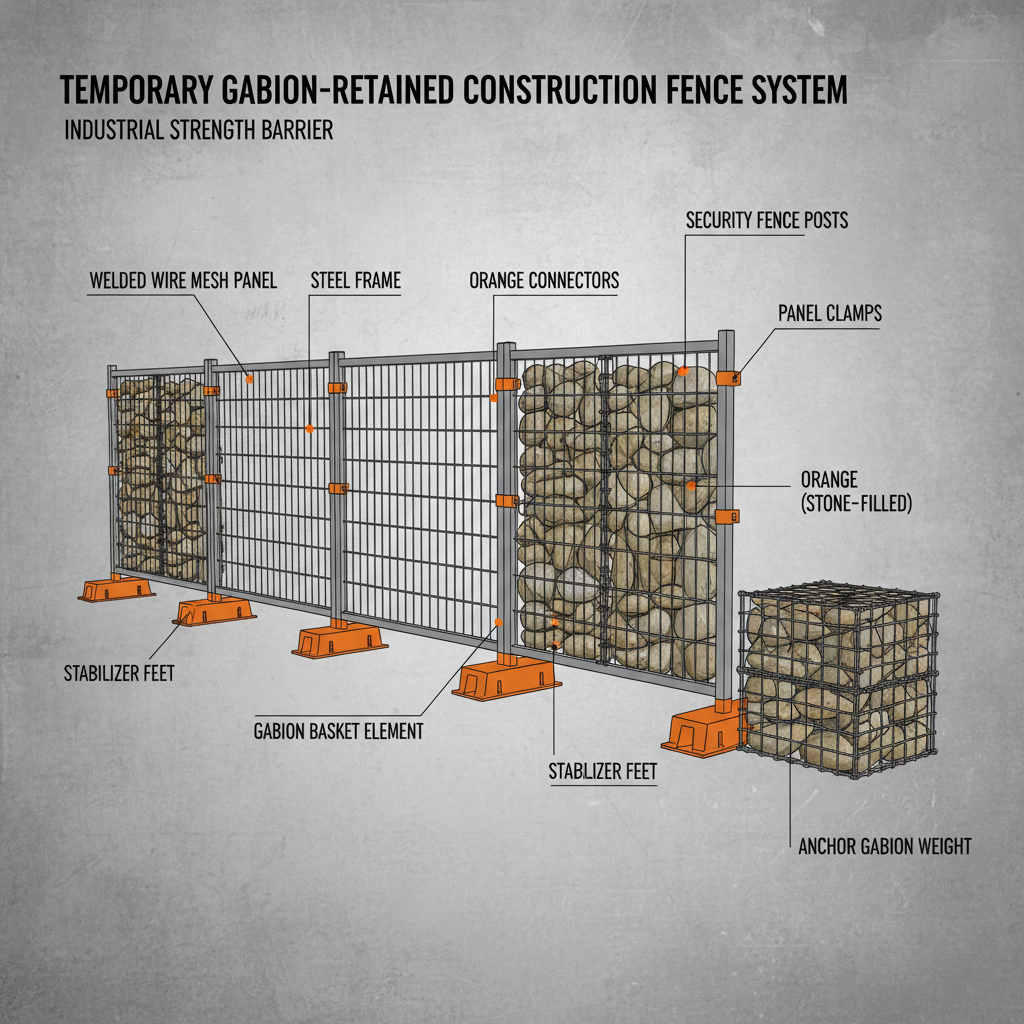
Using adjustable bases or feet is crucial. These allow you to level the fence panels even on sloping ground. Consider using a staggered installation pattern, where panels are slightly offset to follow the contours of the land. You may also need to use additional bracing or supports to ensure the fence remains stable. It's important to avoid leaving gaps or weak points where people could easily gain access.
Use tamper-proof fasteners and consider installing security cameras to monitor the perimeter. Regularly inspect the fence for any signs of damage or tampering. If possible, anchor the fence panels securely to the ground using concrete or other heavy materials. In high-risk areas, you may want to consider hiring security personnel to patrol the site.
Yes, in most jurisdictions, construction fencing is considered a temporary structure and requires a permit. The specific requirements vary depending on the location and the size of the project. It's essential to check with your local building department to ensure you have the necessary permits before installing the fence. Failing to do so can result in fines or project delays.
Renting offers flexibility and cost savings, especially for short-term projects. You avoid the upfront cost of purchasing materials, as well as the expenses associated with storage and maintenance. Rental companies also typically handle installation and removal, saving you time and labor. It’s a good option if you don't have the resources or expertise to manage fencing in-house.
Conclusion
Construction fencing is far more than just a visual barrier; it's a fundamental element of safety, security, and project efficiency. From protecting workers and the public to safeguarding assets and maintaining a professional image, a well-planned and executed fencing strategy is essential for success. Understanding the various materials, installation techniques, and emerging trends allows project managers to make informed decisions that minimize risk and maximize value.
Looking ahead, we’ll see even greater integration of technology and sustainability in construction fencing. Smart fencing systems, eco-friendly materials, and automated installation processes will become increasingly commonplace. Investing in a robust and forward-thinking fencing solution is an investment in the overall success of any construction project. For more information and to explore our range of construction fencing solutions, visit our website: construction fencing.