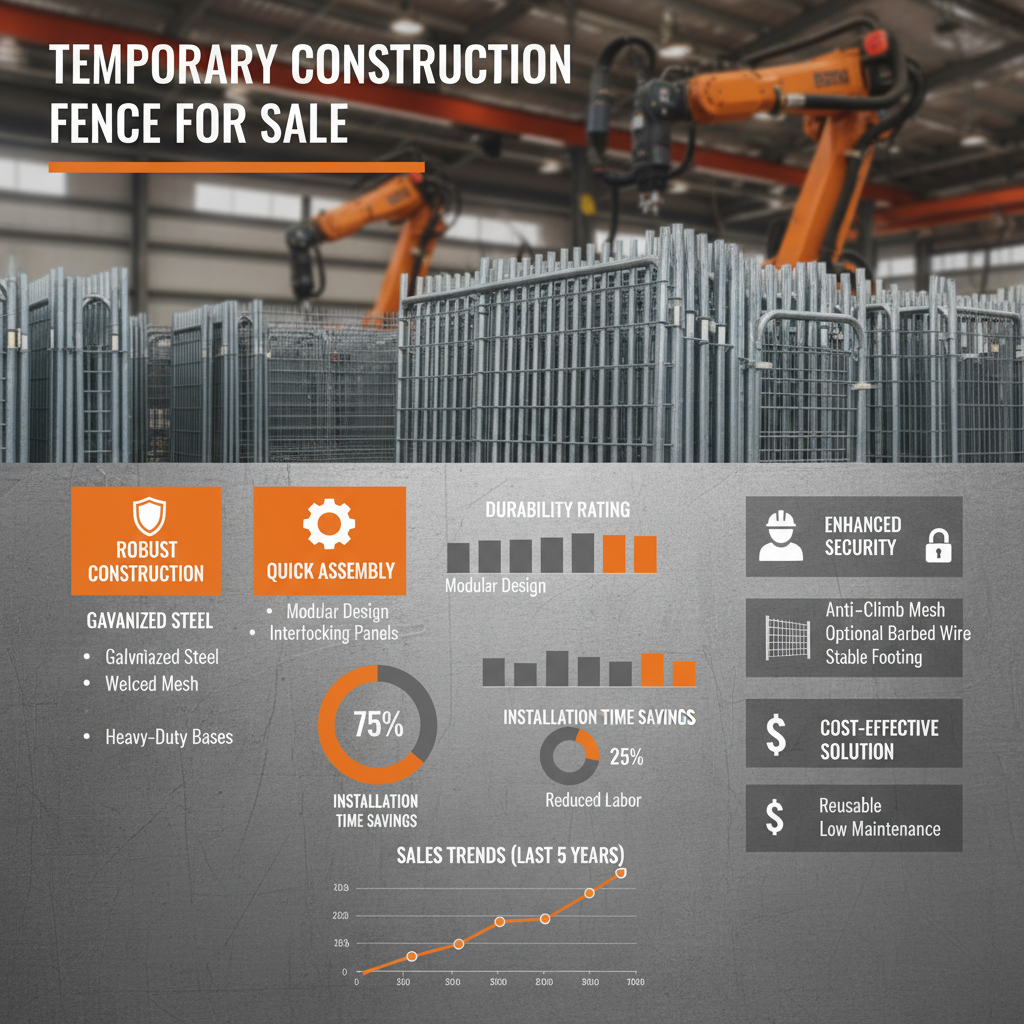
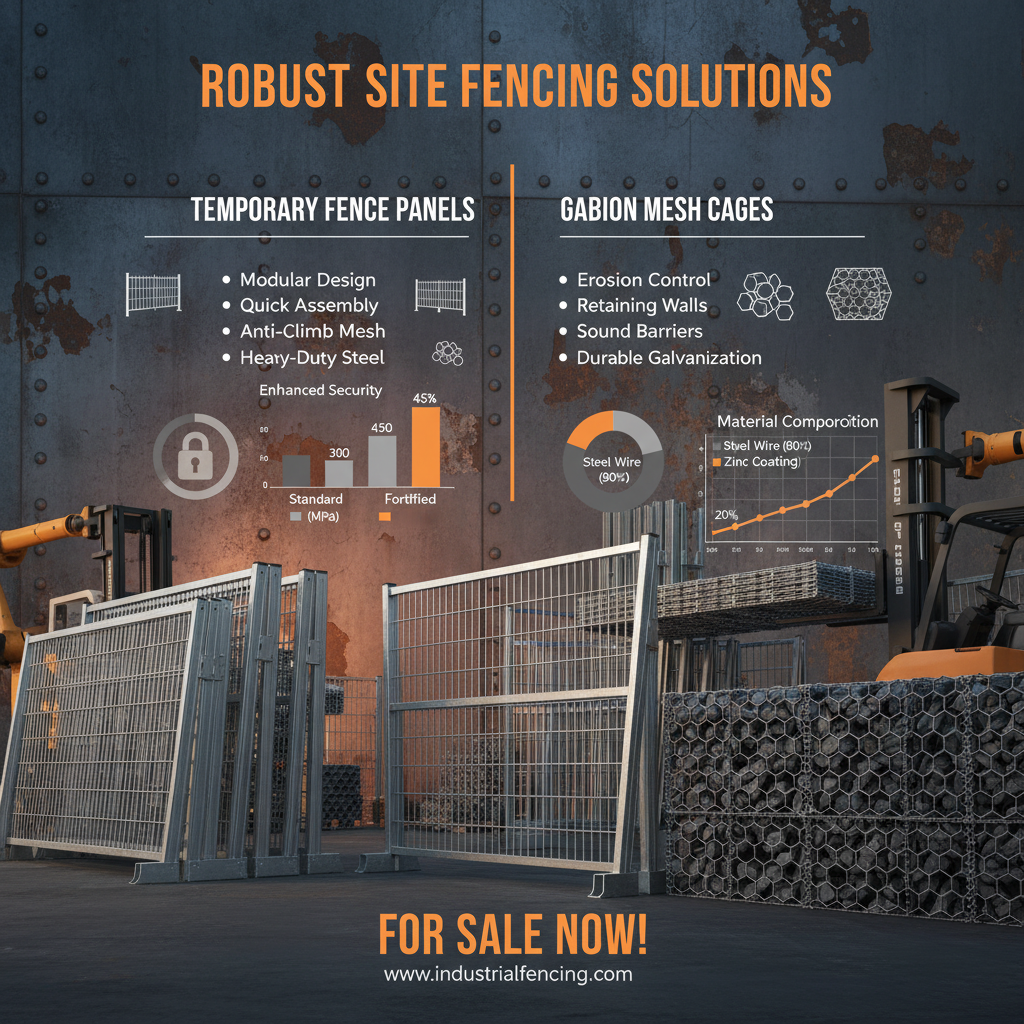
Look, I've spent the last fifteen years on dirt, rain or shine, watching things get built. And I'll tell you, keeping a site secure and organized isn’t glamorous, but it's critical. That's where good temp fencing comes in. It's not just about keeping people out; it's about controlling access, protecting materials, and frankly, keeping everyone safe. A messy site is a dangerous site, and good fencing is the first line of defense.
The demand is constant. Every project, big or small, needs it. Construction booms, disaster relief, even large events – they all rely on temporary perimeter security. Globally, the need is massive. The UN estimates billions are spent annually on emergency response and infrastructure projects, and a significant chunk of that goes into site security. We’ve seen projects stalled, budgets blown, and even serious injuries because someone skimped on the fencing. It sounds simple, but it's a huge piece of the puzzle.
And it’s evolving. It used to be just chain link. Now, you're seeing more engineered solutions, wind-rated panels, even smart fencing with sensors. The pressure to build faster, cheaper, and safer is constant, and temp fencing needs to keep up. It's not a commodity; it’s a crucial component of project success.
The Importance of Temp Fencing in Modern Construction
You talk to guys who actually build things, and they’ll tell you the same thing: temp fencing is the first thing that goes up, and often the last thing that comes down. It defines the perimeter, dictates traffic flow, and protects valuable assets. It’s not sexy, but it's the backbone of site management. We've seen projects where inadequate fencing led to theft, vandalism, and even unauthorized access, costing companies serious money and delaying timelines.
It's about mitigating risk. Every day on a construction site presents hazards. Good temp fencing reduces those risks. It’s a relatively small investment compared to the potential cost of an accident or security breach. And frankly, it shows you're taking safety seriously, which builds trust with workers, clients, and the community.
Defining Temp Fencing: More Than Just a Barrier
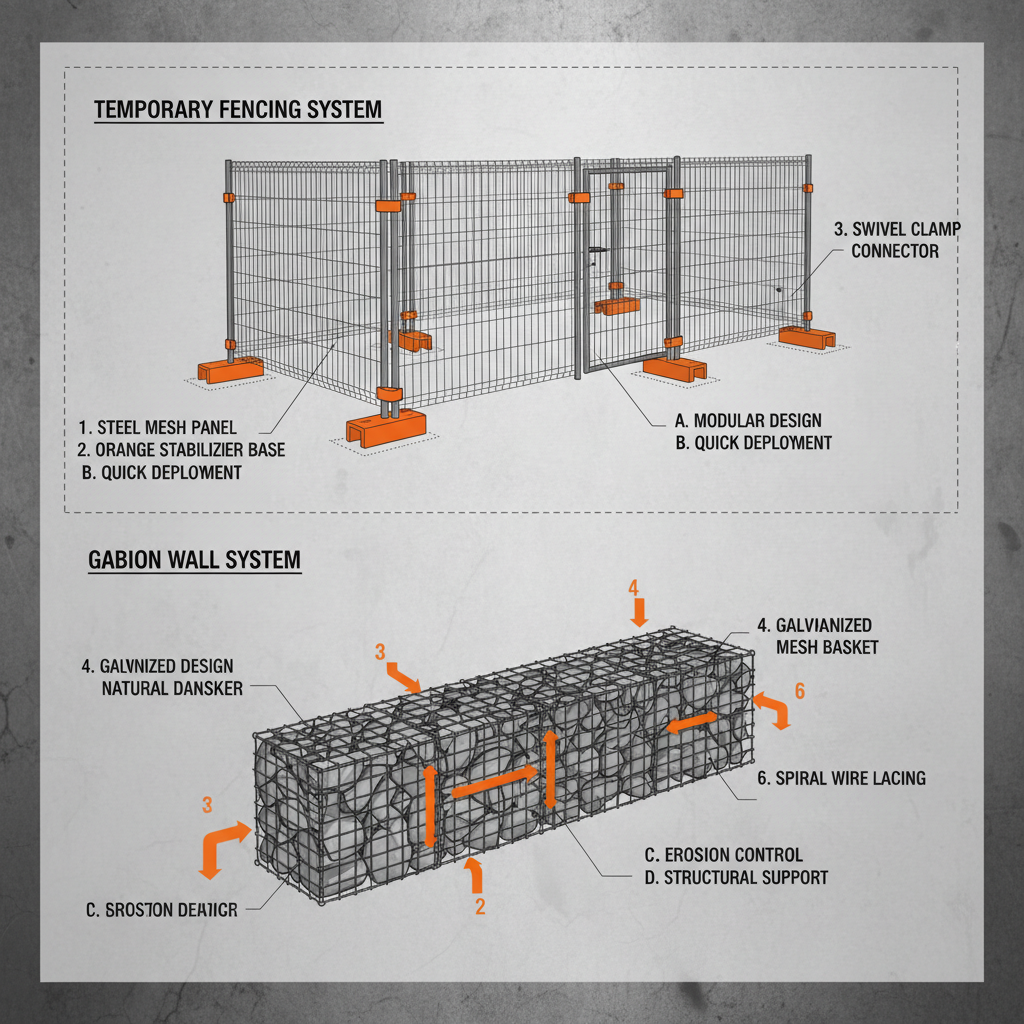
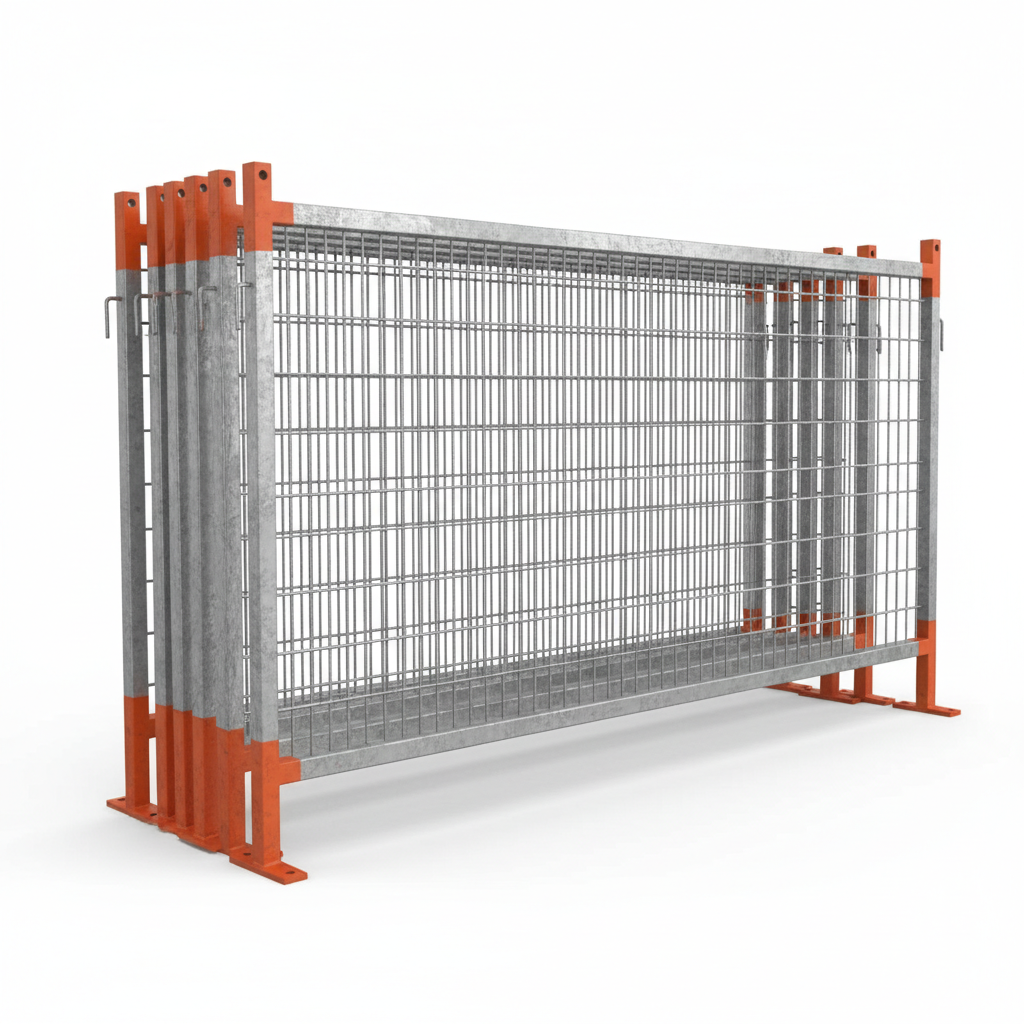
People think of chain link, and that’s still a big part of it. But temp fencing now encompasses a whole range of solutions. It's any portable, easily-deployable barrier used to create a temporary perimeter. That can be chain link, welded wire mesh, plastic barriers, even concrete Jersey barriers in some cases. The key is temporary. It’s designed to be installed quickly, relocated easily, and removed without leaving a permanent mark.
It's a direct response to the demands of modern industry. We're building faster, moving more frequently, and responding to emergencies with greater speed. Permanent fencing just doesn't cut it anymore. The need for adaptable security solutions has driven innovation in materials, design, and installation techniques.
And it's about more than just construction. Think about event security, crowd control, disaster relief, even agriculture. Any situation where you need to define a space and control access requires a temporary fencing solution. It's a versatile tool with applications far beyond the job site.
Key Factors: What Makes Good Temp Fencing?
First, it’s gotta be durable. Construction sites are brutal environments. Fencing gets leaned on, hit with equipment, and exposed to the elements. Cheap fencing buckles, bends, and fails. You want something that can withstand the abuse and stay standing. That means heavier gauge wire, sturdy posts, and proper bracing.
Scalability is huge. You rarely know exactly how much fencing you’ll need upfront. Projects change scope, unexpected obstacles appear. A good system allows you to easily add or remove sections as needed. Modular designs are key here. You don't want to be stuck buying a whole new system because your initial estimate was off.
Cost-efficiency matters, obviously. But don’t just go for the cheapest option. Consider the total cost of ownership. A slightly more expensive, higher-quality system will often save you money in the long run by reducing maintenance, repairs, and replacements. And don't forget labor costs – a system that's easy to install and remove will save you time and money on the job site.
Global Applications and Real-World Use Cases
I’ve seen temp fencing used everywhere. In post-disaster relief operations in Haiti, securing temporary shelters and supply distribution points. In remote industrial zones in Australia, protecting mining equipment and personnel. On massive infrastructure projects like the Channel Tunnel, defining work zones and controlling access.
Event security is a massive market. Think about music festivals, sporting events, political rallies. You need to control crowds, prevent unauthorized access, and ensure public safety. Temp fencing is essential for creating secure perimeters and directing traffic flow. We supplied fencing for a major music festival last year, and the organizers were really impressed with the speed of installation and the overall security it provided.
Even in agriculture, temporary fencing is used to manage livestock, protect crops, and create secure grazing areas. It’s a versatile solution with applications across a wide range of industries. And with increasing global instability, the need for rapidly deployable security solutions is only going to grow.
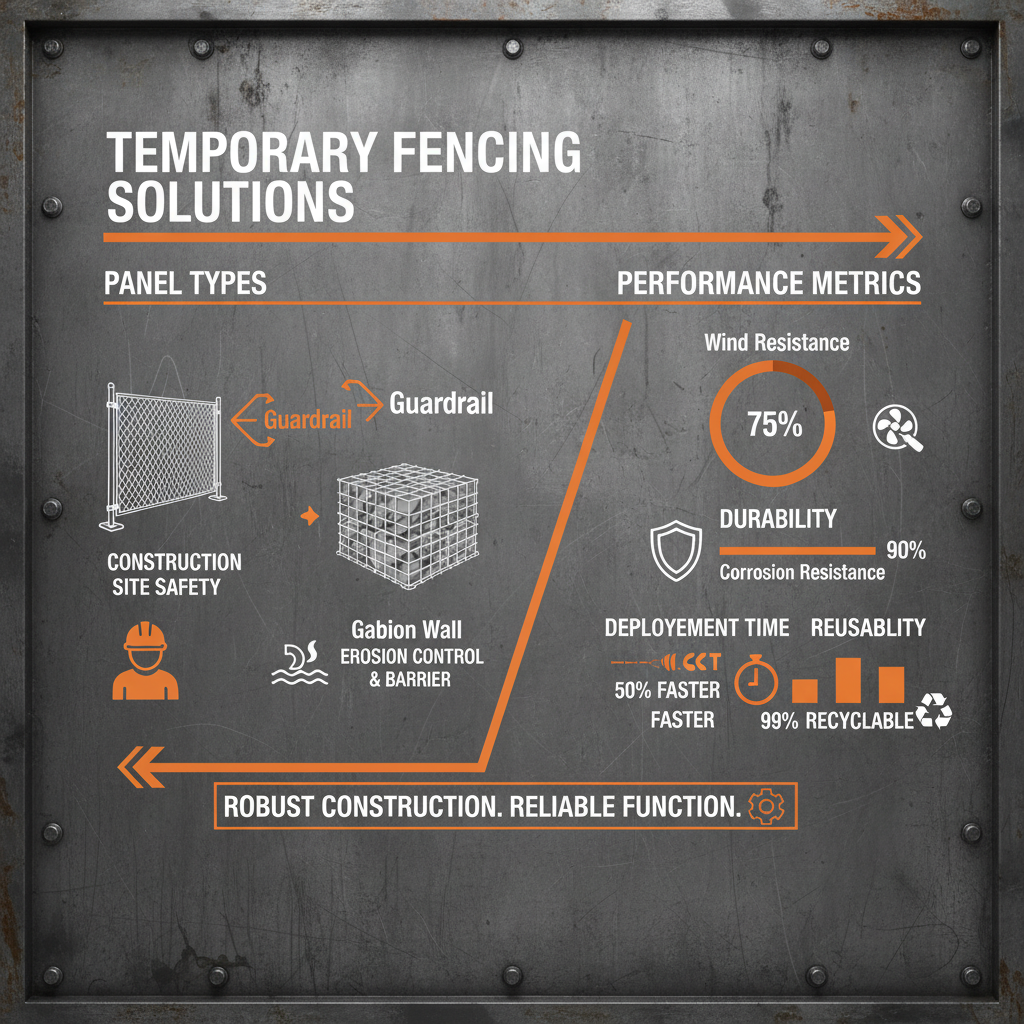
Temp Fencing Performance Metrics
Advantages and Long-Term Value Proposition
Let’s be real, it's not just about keeping people out. It's about peace of mind. Knowing your site is secure, your materials are protected, and your workers are safe. That translates to fewer delays, lower insurance costs, and a more productive workforce. The initial investment pays for itself pretty quickly.
From a sustainability standpoint, a good temp fencing system can be reused multiple times, reducing waste and minimizing environmental impact. We’re seeing more demand for recycled materials and eco-friendly options, and the industry is responding. It's a small step, but it adds up.
Future Trends and Innovations in Temp Fencing
Smart fencing is going to be huge. We're talking about sensors that detect intrusion, alert security personnel, and even integrate with video surveillance systems. It adds another layer of security and provides real-time monitoring. It’s not cheap, but it’s becoming more affordable and the benefits are clear.
We're also seeing more use of composite materials – lighter, stronger, and more durable than traditional steel. And with the rise of prefabrication and modular construction, we'll need fencing systems that can adapt to those evolving building methods. The future is about integration and automation.
Expect more emphasis on sustainable materials and circular economy principles. Companies will be looking for fencing systems that can be easily recycled or repurposed at the end of their life cycle. It’s not just good for the environment, it's good for business.
Challenges and Solutions in Temp Fencing Implementation
One of the biggest challenges is wind load. Especially in coastal areas or exposed sites. You need fencing that can withstand high winds without collapsing or blowing over. Proper bracing, heavier-duty posts, and wind-rated panels are essential.
Another challenge is uneven terrain. Trying to install fencing on a sloping or rocky surface can be a nightmare. Adjustable feet and flexible panels can help overcome these obstacles. And sometimes, you just need to get creative with the installation technique. I’ve seen some pretty ingenious solutions out there.
And then there's the issue of theft. Fencing itself can be stolen, especially in areas with high crime rates. Using tamper-proof fasteners, security cameras, and regular site patrols can help deter thieves. It's a constant battle, but you have to stay vigilant.
Key Temp Fencing Implementation Considerations
| Project Type |
Key Fencing Requirements |
Potential Challenges |
Recommended Solutions |
| Construction Site |
Durability, Security, Scalability |
Theft, Vandalism, High Wind |
Heavy-gauge chain link, Security Cameras, Wind-rated panels |
| Event Perimeter |
Crowd Control, Quick Deployment, Visibility |
Large crowds, Limited space, Emergency access |
Barrier fencing, Crowd control barriers, Emergency gates |
| Disaster Relief |
Rapid deployment, Portability, Security |
Difficult terrain, Limited resources, Urgent need |
Lightweight mesh fencing, Portable panels, Pre-assembled sections |
| Agricultural Zone |
Livestock Containment, Crop Protection, Flexibility |
Animal damage, Uneven ground, Weather exposure |
Woven wire fencing, Electric fencing, Adjustable posts |
| Industrial Facility |
Asset Protection, Restricted Access, Long-Term Use |
Security breaches, Heavy machinery, Harsh environments |
Welded wire mesh, Reinforced posts, Security gates |
| Road Construction |
Traffic Management, Worker Safety, Visibility |
Moving traffic, Limited space, Nighttime work |
Plastic barriers, Reflective tape, Warning signs |
FAQS
Chain link is more flexible and often cheaper, making it good for general perimeter control. Welded wire is much more rigid and provides a higher level of security, as it's harder to cut or climb. It’s also a cleaner look. The choice depends on your specific needs and budget. For high-security applications or sites prone to vandalism, welded wire is the better option.
Measure the perimeter of the area you need to secure. Don't forget to account for gates, doorways, and any obstacles. It’s always a good idea to add a little extra – 5-10% – to account for uneven terrain or unexpected changes. And remember to factor in the height of the fencing – taller fencing provides greater security but costs more.
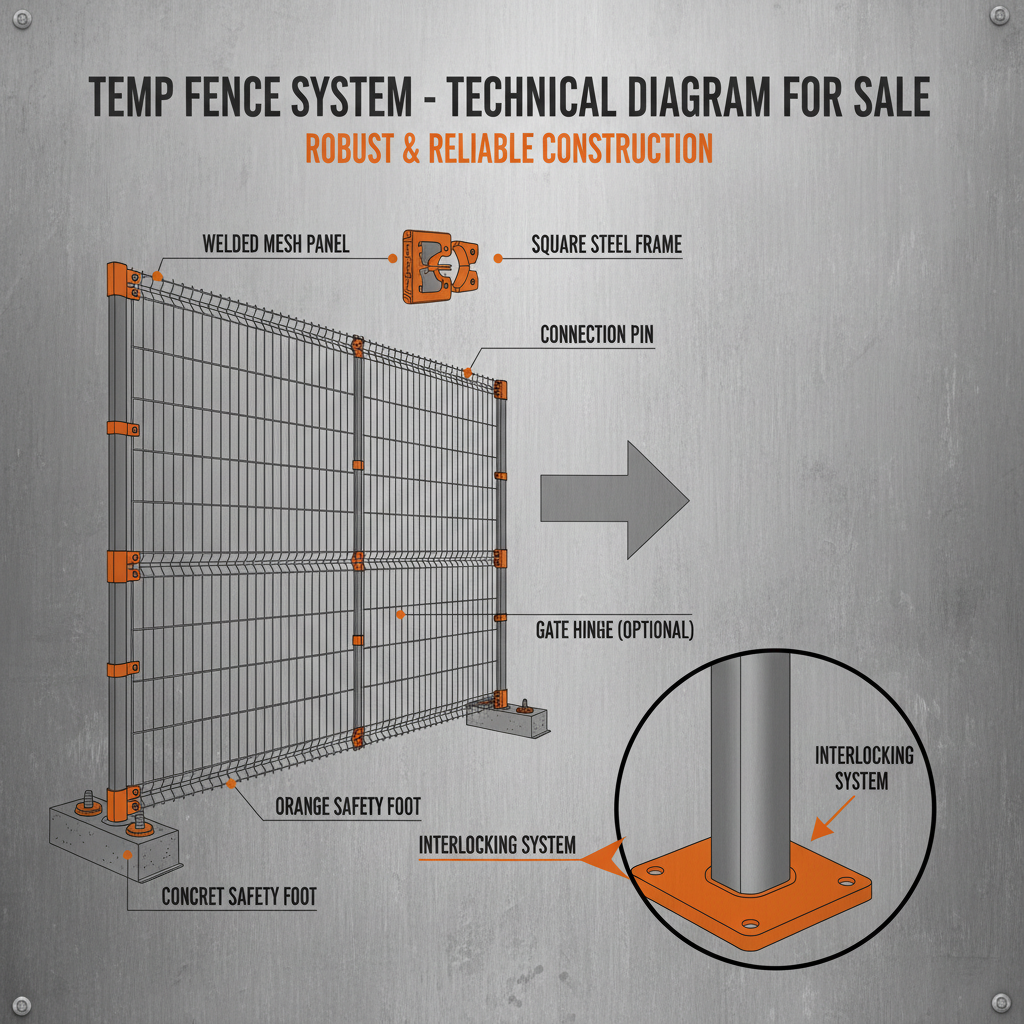
Use heavy-duty fence clamps to connect the panels to the posts. Don't skimp on the clamps – cheap ones will slip and compromise the security of the fence. Also, make sure the posts are securely anchored in the ground. You can use concrete, sandbags, or ground stakes, depending on the soil conditions. Regularly inspect the connections to ensure they’re still tight.
Adjustable feet are your friend. They allow you to level the panels even on sloping terrain. Alternatively, you can use step-down panels or create a terraced effect with the fencing. The key is to ensure the fencing remains stable and secure, even on uneven ground. Avoid creating gaps or weak points that could be exploited.
Wind load requirements vary depending on your location and local building codes. Generally, you need to ensure the fencing can withstand the maximum expected wind speed in your area. This often means using heavier-duty posts, bracing, and wind-rated panels. Check with a qualified engineer to determine the specific wind load requirements for your project.
Yes! Look for fencing made from recycled materials or materials that can be easily recycled at the end of their life. Some manufacturers are also offering rental programs, which reduce waste and minimize environmental impact. Choosing sustainable options is good for the planet and can also enhance your company’s reputation.
Conclusion
Good temp fencing isn’t just about keeping people in or out; it’s about building a safe, secure, and efficient work environment. It's a fundamental part of any successful project, from construction to disaster relief to large-scale events. Choosing the right fencing, installing it properly, and maintaining it regularly are all essential for mitigating risk and protecting your investment.
The industry is evolving, with new materials, technologies, and sustainability initiatives emerging all the time. Staying informed about these advancements and adopting best practices will be crucial for meeting the challenges of the future. If you’re serious about security and site management, don't underestimate the importance of a solid fencing strategy. Visit our website at www.dqfences.com to learn more about our temp fencing solutions.