Cattle Fence Cost Analysis: Total Ownership Expenses

Evaluating livestock perimeter investments across a five to ten year horizon shifts procurement priorities away from immediate acquisition tags. The financial viability of boundary materials relies directly on replacement frequency and recurrent upkeep labor.
Analyzing financial returns for modular steel fencing versus traditional timber and wire alternatives reveals significant variances in ongoing expenditure. Procurement managers can determine long-term operational impact by reviewing specific durability benchmarks.
Initial Capital Outlay Versus Ongoing Upkeep
Agricultural procurement managers balancing multi-year expenditure evaluate initial acquisition tags alongside cumulative maintenance bills. Upfront purchasing invoices for modular steel fencing carry higher nominal costs than historical wood options, yet this initial outlay prevents recurring expenditures.
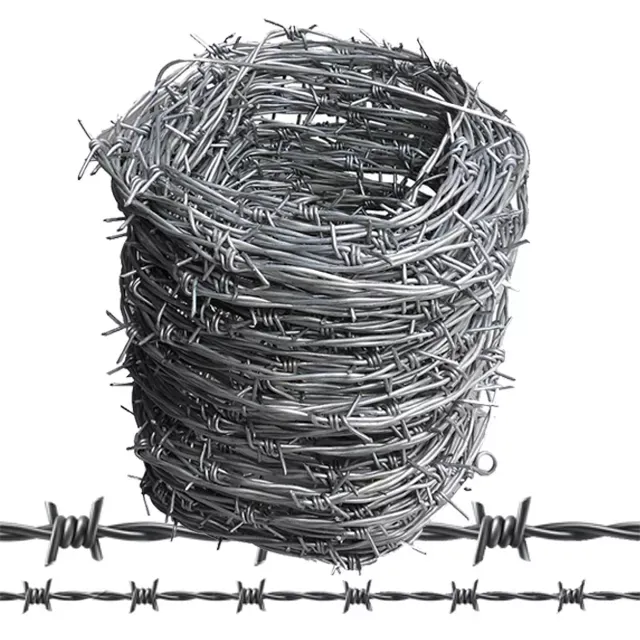
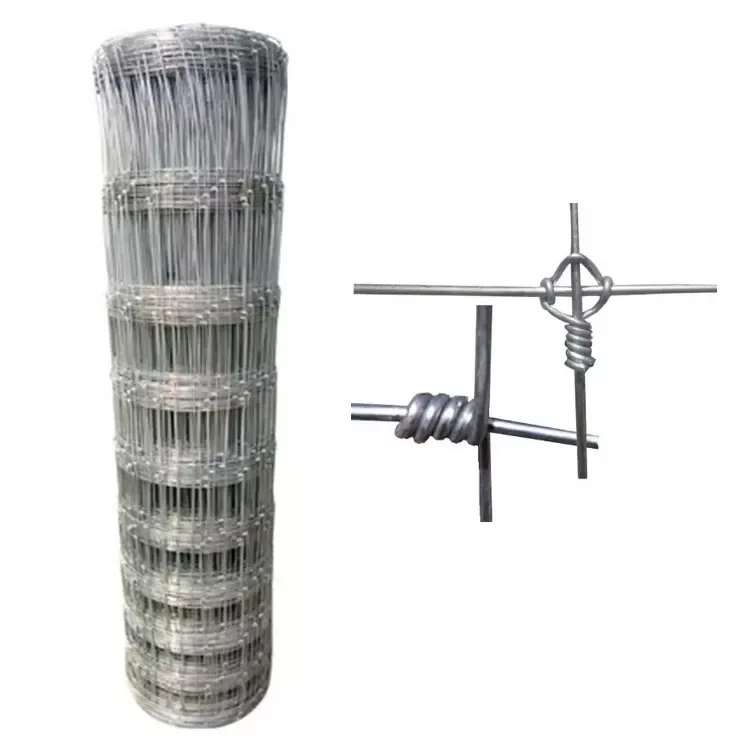
Old perimeter boundaries demand frequent tension adjustments, post replacements, and rot treatments due to environmental exposure. Labor hours spent annually on mending sagging wire and replacing decayed posts accumulate into significant recurring operational expenses over a 5 to 10 year horizon.
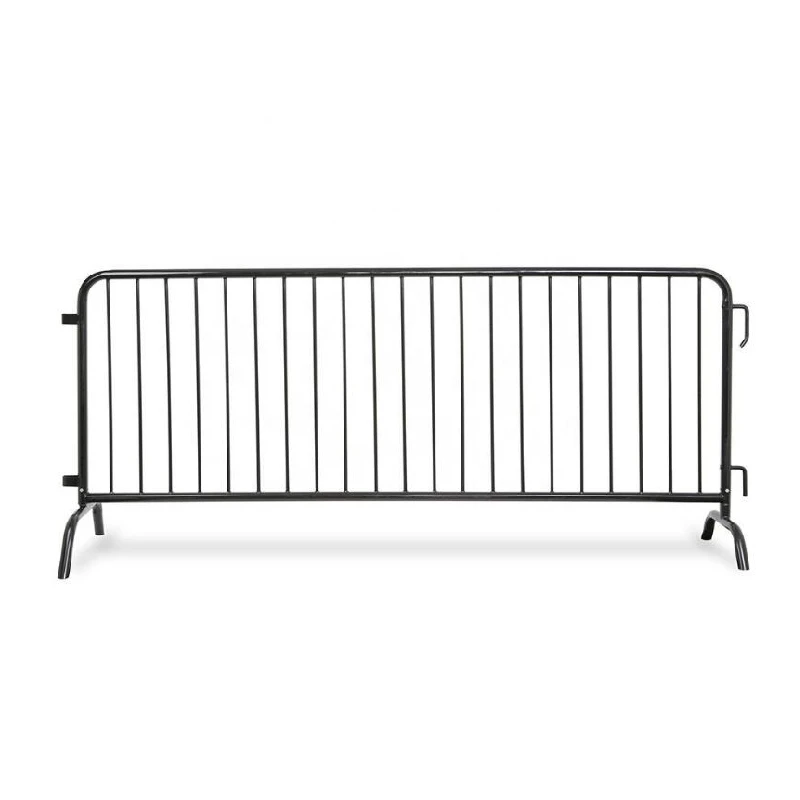
Steel tubular panels resist livestock impact without snapping or splintering, removing the need for regular board replacements when rounding up cattle or sheep in the fields and penning calves. Reduced ongoing maintenance compensates for the initial material investment over a standard agricultural asset lifecycle.
Quantifying lifetime expenditures involves tracking cumulative labor hours alongside material replacement frequencies. Farm managers must budget for continuous material replenishment when operating high-tension wire boundaries in demanding field conditions.
Galvanized tubular steel systems mitigate recurring replacement cycles by withstanding sustained pressure from livestock containment operations. Procurement teams verify that initial per-meter pricing translates into lower cumulative expenditure once labor and replacement costs are factored out over the operating window.
Lifecycle Cost Comparison Across Fence Materials
Evaluating Long-Term Financial Commitments
Total cost of ownership analysis requires contrasting multi-year commitments of structural steel enclosures against alternative materials. While initial material invoices for modular fencing exceed those of standard wood setups, long-term fiscal projections consistently favor metal systems once routine upkeep labor and frequent component replacements are factored into financial planning.
| Material | Price Tier | Suitability for Humid Environments | Required Documentation |
|---|---|---|---|
| Modular Steel Panels | Higher initial capital investment | High resistance to atmospheric moisture degradation | Documentation available from the supplier upon request |
| Traditional Timber | Lower initial material purchase price | Subject to rotting, fungal growth, and structural warping | Documentation available from the supplier upon request |
Maintenance Patterns and Total Cost of Ownership Trends
Industry practice indicates that boundary upkeep expenses accumulate rapidly when managing agricultural enclosures under demanding field conditions. Continuous livestock impact causes joint failure in wooden posts, while environmental exposure accelerates organic decay. Consequently, financial viability factors for large-scale agricultural investments depend heavily on selecting containment systems that minimize recurring maintenance interventions over the operational lifecycle of the installation.
Geometric Constraints of Livestock Enclosure Panel Sizes
Dimensional Specifications of Modular Agricultural Enclosures
Agricultural facility designers configure containment perimeters around five discrete panel increments spanning from 2.1m to 4.0m, specifically featuring 2.1m, 2.2m, 2.5m, 3.2m, and 4.0m lengths. Each distinct physical boundary dimension dictates how installation teams maneuver sections across uneven terrain without requiring heavy machinery during setup. Shorter 2.1m and 2.2m options permit rapid manual pivoting inside confined livestock holding areas, whereas 4.0m variants demand two-worker placement to maintain alignment along straight field runs.
Site layout efficiency depends heavily on matching specific length variables to the spatial geometry of the designated pasture or pen. When establishing perimeter fencing for large livestock enclosed yards, combining intermediate 2.5m and 3.2m spans bridges irregular gate offsets and sloping topography effectively. Procurement teams calculate total linear requirements by mapping these standard sizes against ground contours before releasing purchase orders to the factory.

Procurement Implications of Standard Modular Lengths
Bulk purchasing accuracy relies directly on understanding how these five distinct panel metrics influence manufacturing batch runs and factory scheduling. Selecting uniform 4.0m spans for perimeter fencing reduces total joint hardware requirements per linear meter, yet increases single-unit handling risks if local transit vehicles have limited bed lengths. Conversely, specifying mixed batches containing 2.1m, 2.2m, 2.5m, 3.2m, and 4.0m units accommodates complex farm layouts while altering factory production grouping based on exact order volume parameters.
Purchasing managers optimize large-scale acquisitions by evaluating how individual module weights align with manual installation labor limits on the farm. Lead times typically remain within 15 to 20 days, but customized length requests or non-standard fabrication parameters may extend production schedules beyond baseline windows depending on order volume and factory capacity. Aligning delivery milestones with seasonal installation windows prevents on-site storage congestion while keeping field assembly crews fully utilized.
Container Shipping Density and Landed Costs per Linear Meter
Evaluating Container Freight Efficiency for Bulk Orders
Maximizing spatial capacity inside maritime containers lowers the freight cost allocated to every linear meter of livestock containment panels. Empty volume remaining inside a 40-foot or 20-foot container suppresses payload efficiency during international transport.
Modular steel units constructed at specific lengths such as 2.1m, 2.2m, 2.5m, 3.2m, and 4.0m dictate how densely individual units pack together. Importers evaluate cargo geometry to eliminate void spaces that otherwise inflate the transport tariff per physical unit.
Optimizing Loading Configurations to Reduce Landed Costs
Strategic bundling of corral panels ensures that container volume utilization approaches maximum capacity for bulk shipments. Achieving higher packing density directly reduces the landed cost per linear meter by distributing ocean freight overhead across a larger volume of steel enclosures.
Logistics planners calculate exact container layout configurations prior to dispatch to prevent shifting during transit and to minimize wasted space. These landed overhead calculations depend directly on the chosen discharge port, local drayage fees, and seasonal ocean freight rate fluctuations rather than fixed tariffs.

Corrosion Protection in Humid Agricultural Environments
Atmospheric Moisture and Structural Integrity
High moisture levels in agricultural regions accelerate oxidation rates on unprotected perimeter materials, compromising structural stability long before the expected end of a multi-year asset cycle. When moisture penetrates unprotected tubular walls, load-bearing capacities decline significantly, creating potential hazards during herd management operations.
Surface treatment selection determines whether containment barriers endure sustained exposure without premature failure.
Surface Defense Mechanisms in Humid Climates
Protective coatings establish a physical barrier against atmospheric humidity and livestock dander, preventing rapid flaking and rust propagation. Deploying galvanized tubular steel systems reduces the frequency of emergency part swaps, ensuring predictable depreciation curves for farm managers across varying climatic conditions.
- Untreated steel boundaries undergo rapid oxidation under persistent high-humidity conditions.
- Metallurgical bonding on galvanized surfaces impedes rust progression during extended outdoor service.
- Planned facility upgrades replace reactive maintenance cycles when high-grade surface defenses are selected.

Lead Times and Procurement Scheduling for Bulk Orders
Standard production lead times typically span 15 to 20 days for factory manufacturing cycles, though customized specifications require extended fabrication windows based on the exact configuration. Agricultural procurement teams coordinate these operational intervals with seasonal construction periods to prevent on-site labor idling. Factory output rates dictate when heavy-duty tubular panels arrive at livestock holding yards for perimeter assembly.
Fencing installation milestones depend on accurate alignment between delivery dates and local weather conditions during seasonal site preparation. Importing buyers factor standard manufacturing intervals into master schedules to ensure barrier components reach the ranch before livestock management tasks begin. Delayed material arrivals disrupt penning schedules for cattle and sheep handling facilities, creating bottlenecks in overall farm operations.
Inventory acquisition plans align directly with herd expansion targets and seasonal penning requirements across large livestock enclosures. Procurement managers balance container shipping durations with factory production timelines to maintain steady inventory levels without incurring excess warehousing expenses.
Frequently Asked Questions
Modular steel fencing carries a higher nominal upfront invoice than historical wood options. However, this initial material investment prevents recurring expenditures on rotted posts and tension adjustments over a 5 to 10 year horizon.
Timber and wire setups require continuous material replenishment, post replacements, and frequent wire tensioning due to environmental exposure and livestock impact. Steel tubular panels resist pressure without snapping or splintering, which reduces recurring labor hours spent on mending sagging boundaries.
Standard lengths of 2.1m, 2.2m, 2.5m, 3.2m, and 4.0m provide modular flexibility for rounding up cattle, penning calves, or setting up horse runs and arenas. Selecting specific lengths depends on the layout of the perimeter fencing and the specific dimensions of the livestock enclosed yard.
High moisture farm settings accelerate rust and decay on unprotected materials. Galvanized tubular steel systems mitigate recurring replacement cycles by withstanding humid field conditions, provided that surface treatment norms match the exposure severity of the destination.
Standard supplier lead times usually fall within 15 to 20 days for production cycles, while customized orders may need a longer time. Farm owners should coordinate procurement delivery schedules with seasonal construction windows and livestock management milestones to avoid inventory shortages.
Conclusion
Accurate quotation generation for large-scale agricultural expansions depends directly upon precise perimeter measurements and specific dimensional selections ranging from 2.1m to 4.0m.
Farm owners and procurement managers evaluate customized landed-cost calculations by specifying exact boundary lengths, desired panel configurations, and targeted delivery destination variables.
Detailed logistical breakdowns ensure that freight volume and material density are factored prior to final purchase order execution.