Apr . 16, 2026 03:08 Back to list
Ultimate Guide to Temp Fencing for Secure Site Management
The Ultimate Guide to Temp Fencing for Secure Site Management
When managing a construction site, an outdoor event, or a restricted industrial zone, security and safety are non-negotiable. Utilizing high-quality temp fencing provides an immediate, scalable, and cost-effective solution to delineate boundaries and prevent unauthorized access. Whether you are looking to protect expensive machinery or ensure pedestrian safety, temporary fencing offers the flexibility needed for dynamic environments. In this comprehensive guide, we will explore the various types of temporary barriers, their specific applications, and how to choose the right system for your project to ensure maximum security and compliance with safety regulations.
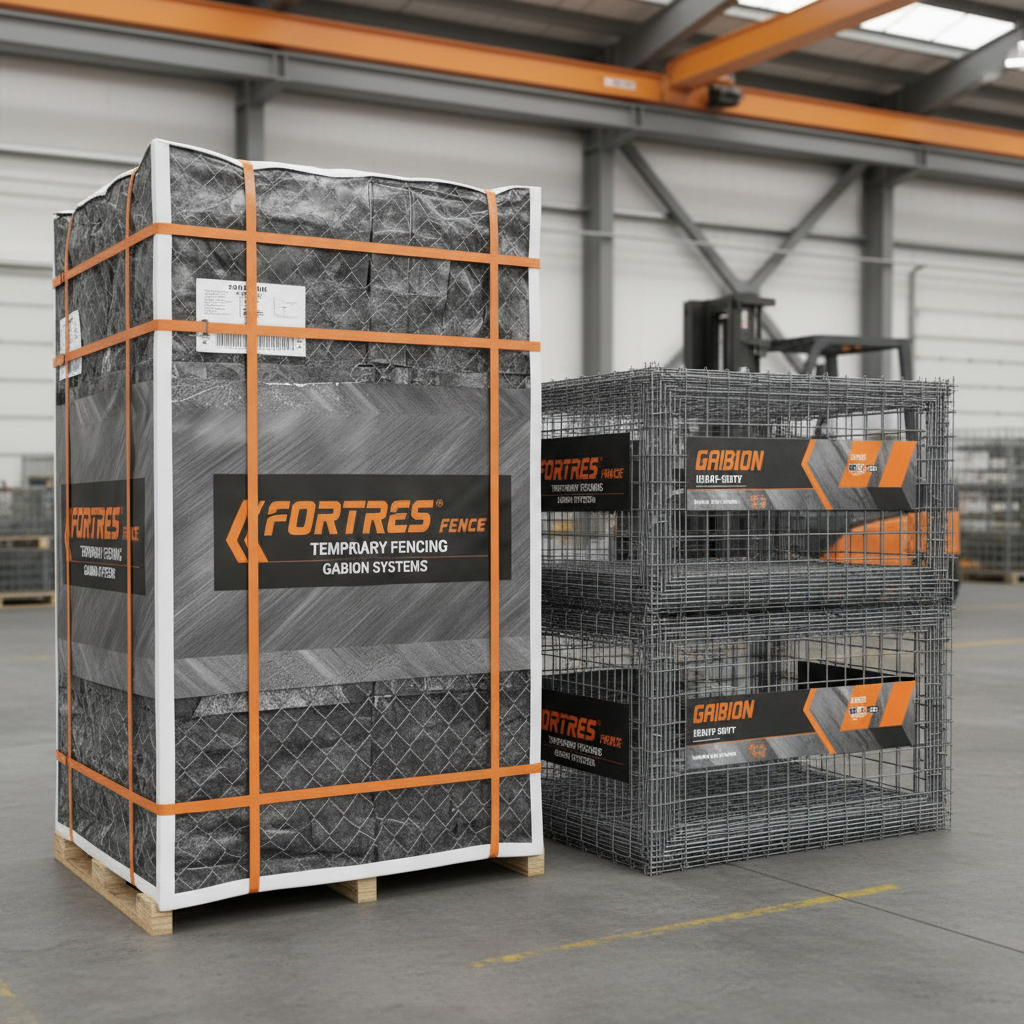
Why Your Project Needs Professional Temp Fencing
Implementing a professional temp fencing system is about more than just putting up a barrier; it is about risk mitigation. By clearly marking the perimeter, you significantly reduce the liability associated with trespassing and accidental injuries. High-quality temporary panels are designed for rapid deployment and easy disassembly, meaning your team spends less time on setup and more time on the actual project. Furthermore, galvanized steel options ensure that the fencing remains rust-free and structurally sound even in harsh weather conditions, providing a reliable shield for your assets throughout the project's duration.
Key Security Benefits: Prevents unauthorized entry, reduces theft of on-site materials, ensures compliance with OSHA and local safety codes, and provides a professional appearance to the general public.
Comparing Types of Temp Fencing Systems
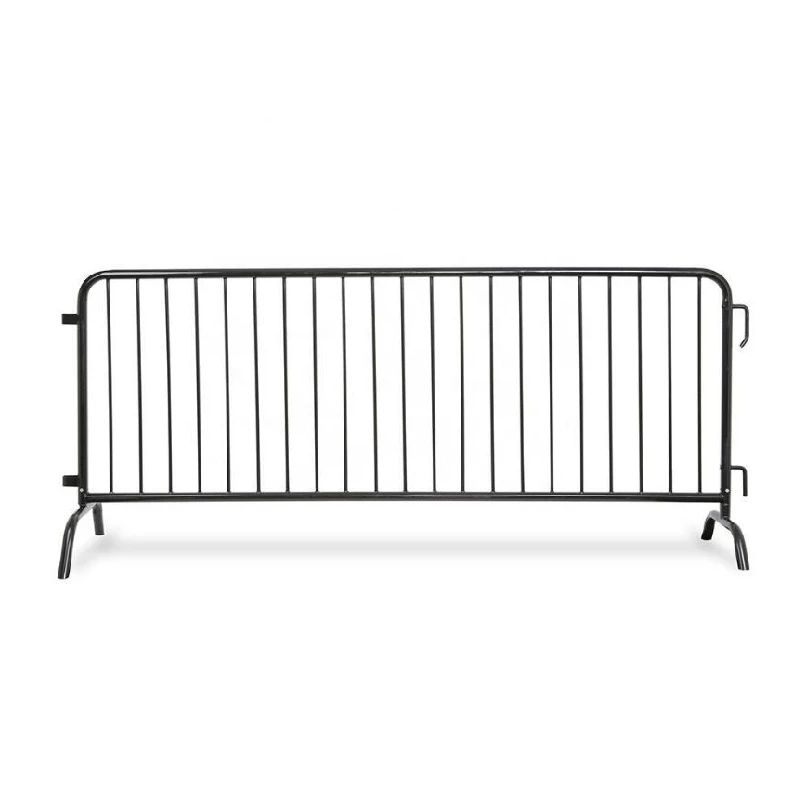
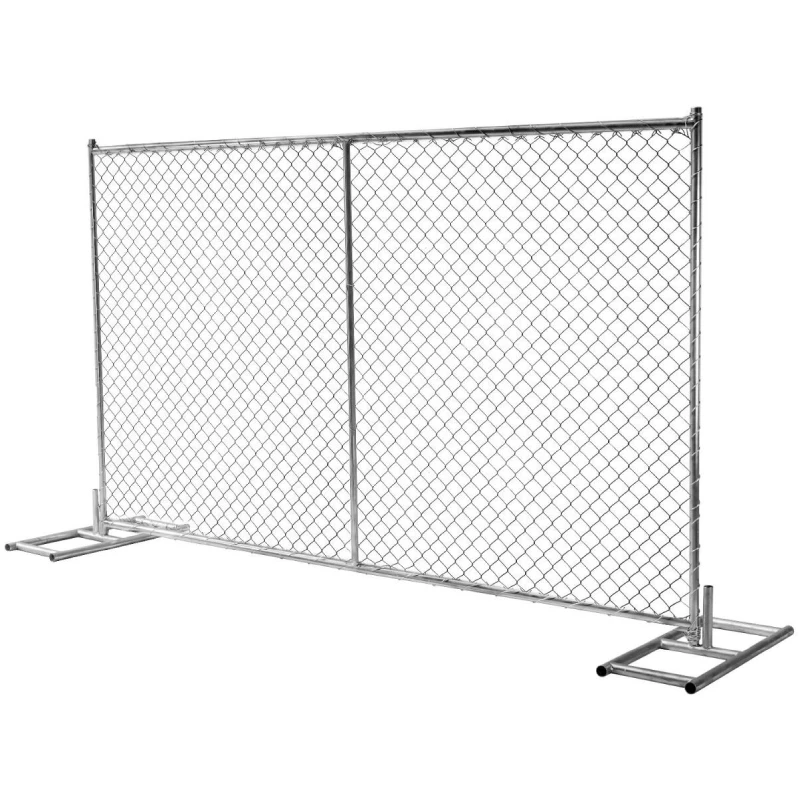
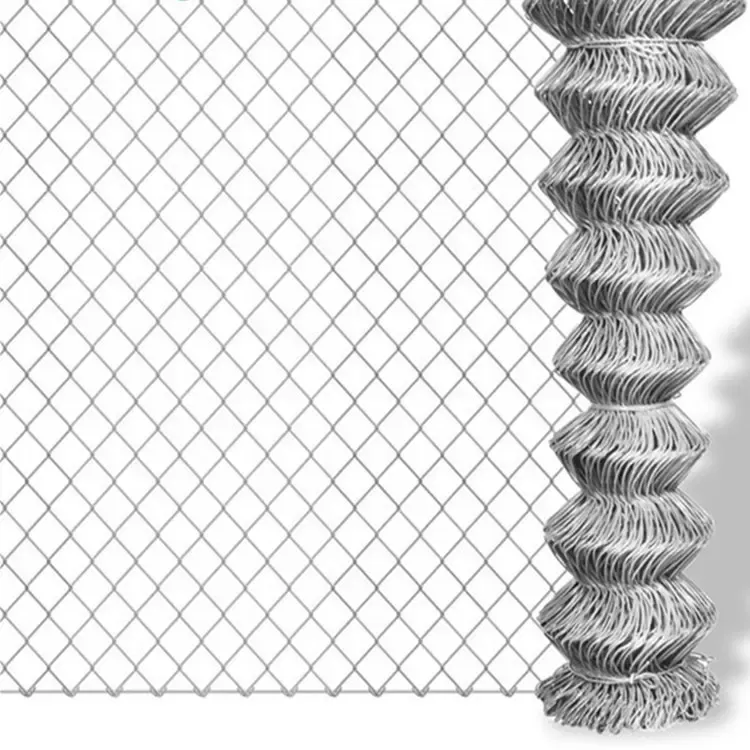
Not all temporary barriers are created equal. Depending on the level of security required, you might opt for standard chain-link panels, privacy screens, or heavy-duty security fences. Standard panels are ideal for crowd control and basic delineation, while privacy fencing—often achieved by adding HDPE fabric—is essential for projects where visual screening is required to hide unsightly construction or protect sensitive information. Choosing the right temp fencing depends on the balance between cost, visibility, and the intended level of deterrent.
Installation Best Practices for Temp Fencing
Proper installation is critical to ensure that your temp fencing does not collapse under wind pressure or become a safety hazard itself. First, assess the terrain; uneven ground may require adjustable feet or different base weights to maintain stability. Second, ensure that panels are securely clamped together to prevent gaps that could be exploited by intruders. Finally, always implement clear signage on the fence line to notify the public of restricted access. A well-installed fence not only provides security but also reflects the professionalism of the project management team.
Durability and Material Specifications of Temp Fencing
The longevity of temporary barriers depends heavily on the materials used. Most industry-leading systems utilize hot-dipped galvanized steel, which provides a protective zinc layer to prevent corrosion. This is particularly important for coastal areas or sites with high humidity. When reviewing the technical specifications for temp fencing, pay attention to the gauge of the wire and the thickness of the tubular frame. Sturdier frames reduce the "sway" of the fence, making it more resistant to wind and physical impact.
Cost-Benefit Analysis of Temporary Fencing
Many project managers hesitate at the upfront cost of renting or buying temp fencing, but the ROI is found in the costs avoided. A single theft of a high-value tool or a legal dispute resulting from a site injury can cost ten times more than the entire fencing budget. Additionally, reusable systems allow companies to amortize the cost over multiple projects. By investing in durable, modular panels, businesses can eliminate recurring rental fees and have the flexibility to deploy security measures on their own timeline.
Cost Savings Drivers:
• Reduction in insurance premiums due to enhanced site safety
• Lower labor costs through fast-install modular designs
• Elimination of theft and vandalism losses
• Higher asset recovery value for reusable galvanized steel
Environmental Impact and Sustainable Fencing
In the modern era of green building and sustainable construction, the lifecycle of materials matters. Choosing temp fencing made from recyclable steel is a proactive step toward reducing the carbon footprint of a project. Unlike wooden hoardings, which often end up in landfills after a single use, steel panels can be refurbished and reused for decades. Furthermore, the efficiency of transport—thanks to the stackable design of modern panels—reduces the fuel consumption associated with delivery and pickup, aligning your site management with global sustainability goals.
Conclusion: Securing Your Future with Temp Fencing
Whether you are managing a sprawling urban construction site or a high-profile outdoor event, the right temp fencing solution is your first line of defense. By prioritizing durability, proper installation, and material quality, you protect your workforce, your assets, and your reputation. Don't leave your site security to chance—invest in professional barriers that provide peace of mind and operational efficiency from start to finish.
Frequently Asked Questions (FAQs)
How do I choose the right height for my temp fencing?
The choice of height typically depends on the level of security and the nature of the site. A 6-foot (1.8m) fence is standard for most construction sites and events as it provides a significant psychological and physical barrier. However, for high-security industrial zones or areas with high trespassing risks, 8-foot (2.4m) panels are recommended. Consider the surrounding environment: if the site is adjacent to a high-traffic public walkway, a taller fence with privacy screening is often the best choice to prevent distractions and enhance safety.
Can temp fencing be installed on uneven or soft ground?
Yes, temporary fencing is designed to be versatile. For soft ground, specialized ground spikes or anchors can be used to secure the posts. On uneven terrain, adjustable base plates or "feet" can be employed to keep the panels level. In cases where the ground cannot be penetrated (such as concrete), heavy-duty rubber or concrete blocks are used as weights to hold the fence upright. It is always recommended to consult with a professional installer to determine the best stabilization method for your specific soil type.
What is the difference between galvanized and powder-coated temp fencing?
Galvanized fencing is treated with a layer of zinc, which provides superior corrosion resistance and is the industry standard for long-term outdoor use. Powder-coated fencing has a colored finish applied over the metal, which is primarily for aesthetic purposes or branding. While powder coating looks more polished, galvanized steel is often more durable in harsh construction environments where the paint might be scratched or chipped. For maximum longevity and utility, hot-dipped galvanization is the preferred choice for temp fencing.
How quickly can a temporary fence be deployed?
One of the primary advantages of modular temporary fencing is the speed of installation. A professional crew can typically set up several hundred linear feet of fencing in a single day. Because the panels are pre-fabricated and connect via simple clamps, there is no need for welding or complex tools on-site. The time required depends on the perimeter length and the complexity of the terrain, but generally, it is the fastest way to secure a large area compared to permanent fencing solutions.
-
Professional Temporary Construction Fence Solutions and Guide
NewsApr.09,2026
-
Comprehensive Guide to Construction Fencing for Site Safety and Security
NewsApr.07,2026
-
Choosing the Right Portable Fence for Your Property and Needs
NewsApr.04,2026
-
DQ Fences Provides Superior Temporary Fence Bunnings Solutions Options
NewsMar.31,2026
-
Comprehensive Guide to Durable and Effective Temporary Fence Panels
NewsMar.28,2026