Apr . 09, 2026 03:10 Back to list
Professional Temporary Construction Fence Solutions and Guide
The Ultimate Guide to Temporary Construction Fence Solutions
Maintaining a safe and secure perimeter is one of the most critical aspects of any building project. A high-quality temporary construction fence provides an essential barrier that prevents unauthorized access, protects pedestrians from site hazards, and secures valuable equipment. Whether you are managing a small residential renovation or a massive industrial development, choosing the right fencing system can significantly reduce liability and improve site organization. In this comprehensive guide, we will explore the different types of temporary fencing, their technical specifications, and how to choose the best option for your specific project needs.
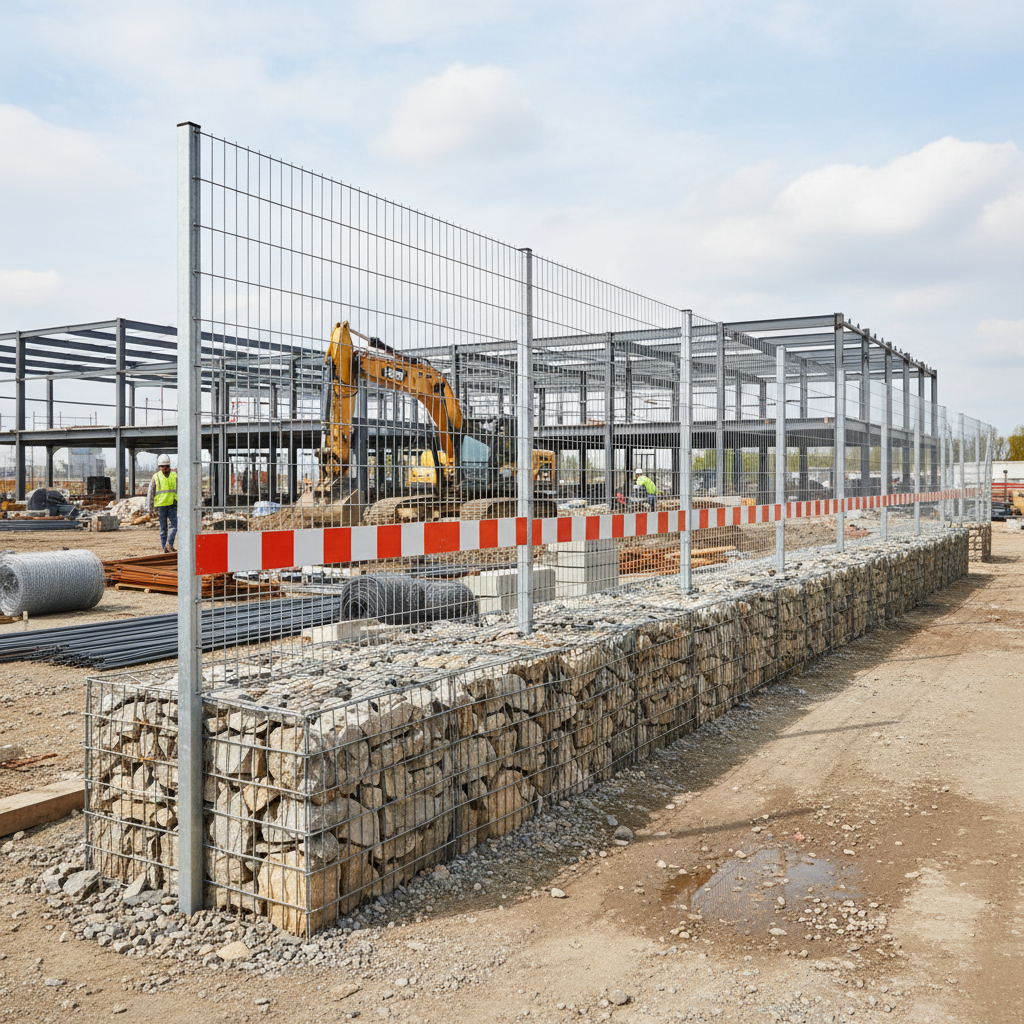
Why Every Project Needs a Temporary Construction Fence
The primary purpose of a temporary construction fence is safety and security. Construction sites are inherently dangerous, filled with open pits, heavy machinery, and falling debris. By establishing a clear physical boundary, you ensure that the general public remains at a safe distance. Furthermore, these fences act as a deterrent against theft and vandalism, which can otherwise cause costly project delays. Beyond security, professional fencing helps in organizing the site layout, designating specific entry and exit points for workers and deliveries, thereby optimizing the overall workflow of the construction process.
Key Benefits: Reduces legal liability by preventing trespassing, secures expensive tools and materials, and ensures compliance with local occupational health and safety (OSHA) regulations.
Comparing Types of Temporary Construction Fence Systems
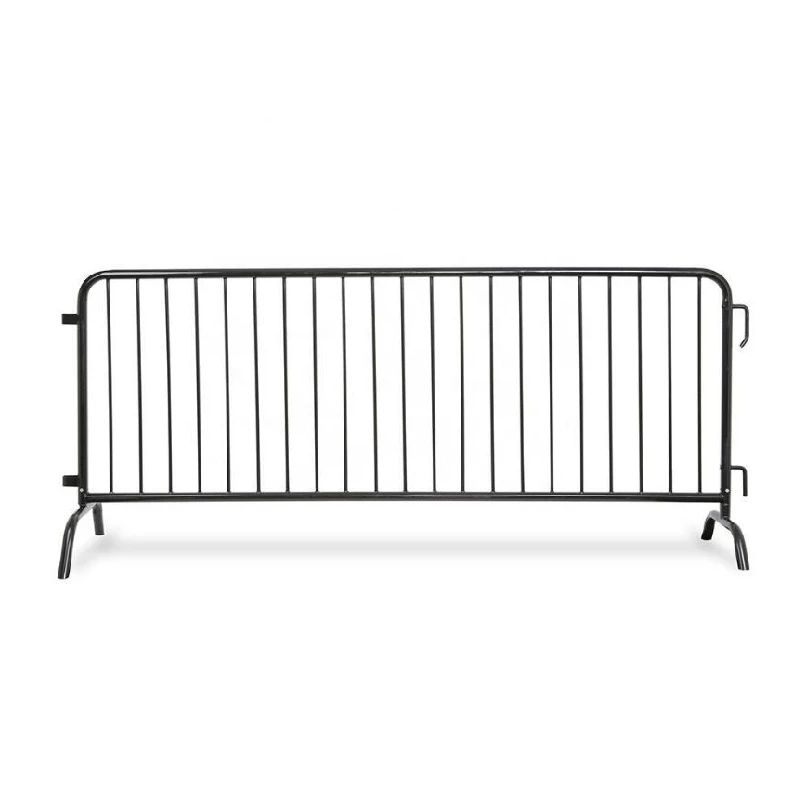
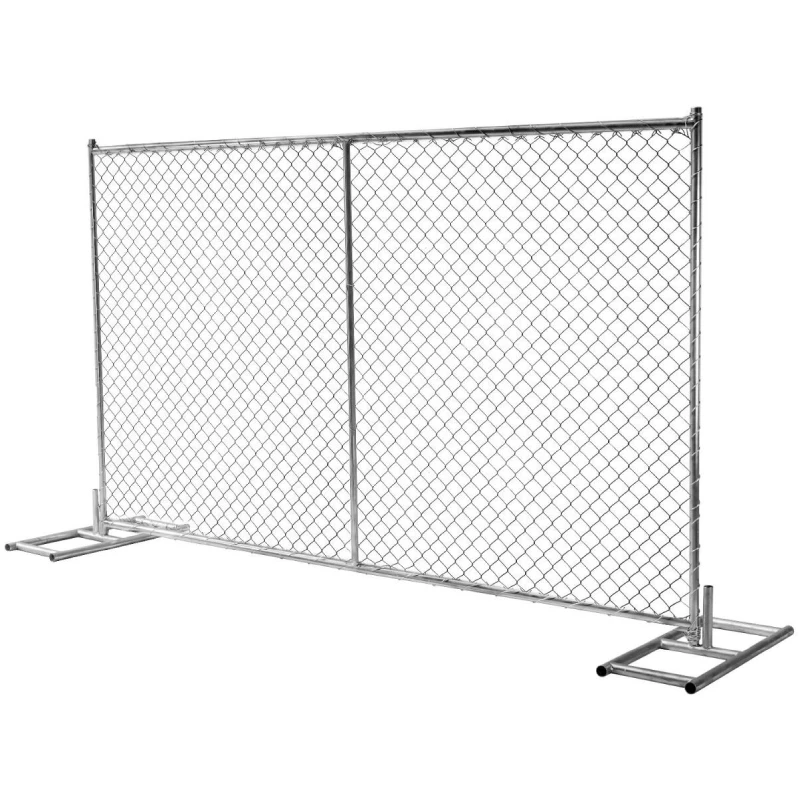
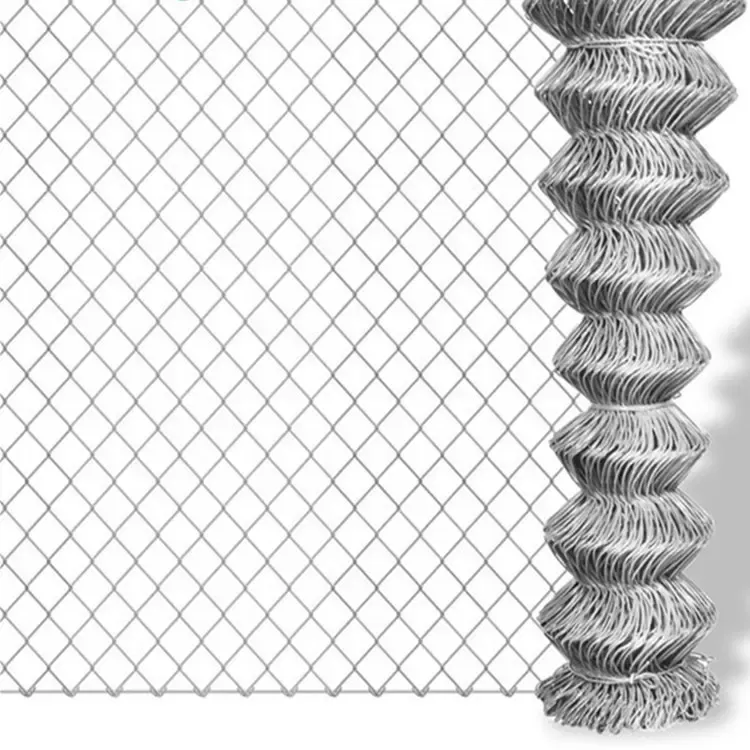
Not all project sites have the same requirements. Some may need high visibility for security monitoring, while others may require privacy screens to hide unsightly debris or protect the surrounding neighborhood from dust. The most common choice is the chain-link system due to its durability and ease of installation. However, specialized projects might opt for solid panel fencing or high-visibility plastic barriers. Understanding the differences between these systems allows project managers to balance budget constraints with the necessary level of security provided by the temporary construction fence.
Key Materials for Durable Temporary Construction Fence
The longevity and stability of your perimeter depend heavily on the materials used. Most professional-grade temporary construction fence options utilize galvanized steel to prevent rust and corrosion, especially for projects lasting several months in humid or rainy climates. The mesh gauge determines the strength of the fence; a thicker gauge provides more resistance to impact and attempts to cut through the barrier. Additionally, the base supports (feet) are often made of heavy-duty steel or concrete to ensure the fence remains upright during high winds, preventing accidents caused by fence collapse.
Material Checklist:
• Hot-Dipped Galvanized Steel: For maximum corrosion resistance.
• Powder Coating: For added aesthetic appeal and weather protection.
• HDPE Privacy Screening: To reduce dust and provide visual privacy.
• Heavy-Duty Clamps: For secure panel-to-panel connection.
Technical Specifications of Temporary Construction Fence
When ordering fencing, it is vital to understand the technical specifications to ensure the product meets your site's specific wind load and security requirements. A standard temporary construction fence panel usually comes in heights of 6 feet or 8 feet. The width is typically standardized to allow for rapid deployment. By selecting the correct diameter for the tubular frames and the right mesh opening size, you can effectively keep out both unauthorized persons and small animals that might disrupt the site.
Best Practices for Installing a Temporary Construction Fence
Correct installation is just as important as the quality of the materials. To ensure your temporary construction fence remains stable, always begin by surveying the terrain. On uneven ground, using adjustable bases or securing the fence with stakes can prevent leaning. Ensure that all clamps are tightened securely and that panels are aligned straight to avoid "weak spots" that intruders could exploit. For long stretches of fencing, adding diagonal bracing or wind-screens may be necessary depending on local weather patterns. Regular inspections should be scheduled to check for loose clamps or shifted bases, ensuring the perimeter remains airtight throughout the project lifecycle.
Cost-Effectiveness and Long-Term Value
Many project managers view fencing as a sunk cost, but when analyzed through the lens of risk management, a high-quality temporary construction fence is a value-adding investment. By preventing accidents and theft, the fence saves the company from potential lawsuits and expensive material replacements. Additionally, choosing reusable, galvanized systems allows the company to move the fencing from one project to another, drastically reducing the per-project cost over time. Investing in a professional system rather than cheap, disposable alternatives leads to fewer replacements and a more professional image for the construction firm in the eyes of the community and clients.
Conclusion: Securing Your Site for Success
Selecting the right temporary construction fence is a fundamental step in ensuring the safety, security, and efficiency of any building site. From choosing the right materials to implementing a rigorous installation plan, every detail contributes to a risk-free environment. By prioritizing durability and professional standards, you protect your workers, the public, and your bottom line. Trust in high-quality fencing solutions to keep your project moving forward without unnecessary interruptions.
Frequently Asked Questions (FAQs)
How do I choose the right height for my temporary construction fence?
Choosing the right height depends on your specific security needs and local regulations. A 6-foot fence is generally sufficient for standard residential sites and basic deterrents. However, for high-risk industrial sites, urban areas with high foot traffic, or sites requiring privacy, an 8-foot fence is highly recommended. Taller fences provide a stronger psychological and physical barrier, making it significantly harder for unauthorized individuals to climb over. Always check your local municipal building codes, as some cities mandate minimum height requirements for construction perimeters.
Can temporary construction fences withstand strong winds?
Standard chain-link fences are designed to let wind pass through the mesh, making them naturally wind-resistant. However, if you add privacy screens or wind-breaks, the fence becomes a "sail," which can lead to collapse during storms. To prevent this, it is crucial to use heavy-duty bases and secure the panels with ground stakes or sandbags. In high-wind zones, we recommend using specialized reinforced clamps and ensuring that the fence line is properly braced. Regular maintenance and checking the stability of the bases are key to preventing wind-related failures.
What is the difference between galvanized and powder-coated fencing?
Galvanized fencing is treated with a layer of zinc to prevent rust, making it an industry standard for durability. Powder-coating is an additional layer of colored paint baked onto the surface. While galvanization provides the primary rust protection, powder-coating adds a level of aesthetic professionalism and an extra shield against the elements. For most construction sites, hot-dip galvanization is the most cost-effective and durable choice. However, for luxury developments or corporate sites where brand image is important, powder-coated fences in specific colors are often preferred. You can find a variety of these options at dqfences.com.
How quickly can a temporary construction fence be installed?
One of the biggest advantages of modular temporary fencing is the speed of deployment. A skilled crew can typically install several hundred linear feet of chain-link fencing in a single day. Because the panels are pre-fabricated and simply clamped together on weighted bases, there is no need for digging post holes or pouring concrete. This makes it an ideal solution for projects with tight deadlines. The time required depends on the total perimeter length and the complexity of the terrain, but generally, it is the fastest way to secure a site.
-
Ultimate Guide to Temp Fencing for Secure Site Management
NewsApr.16,2026
-
Comprehensive Guide to Construction Fencing for Site Safety and Security
NewsApr.07,2026
-
Choosing the Right Portable Fence for Your Property and Needs
NewsApr.04,2026
-
DQ Fences Provides Superior Temporary Fence Bunnings Solutions Options
NewsMar.31,2026
-
Comprehensive Guide to Durable and Effective Temporary Fence Panels
NewsMar.28,2026