Feb . 11, 2026 03:17 Back to list
Exploring Different Types of Mesh Wire for Various Applications
Understanding Different Types of Mesh Wire
Mesh wire is a versatile material used in a wide array of applications, from industrial filtration to agricultural fencing. Choosing the right type of mesh wire depends heavily on the specific needs of the project. This guide explores the diverse world of mesh wire, outlining the various types available and their typical uses. Understanding the characteristics of each type will empower you to make an informed decision for your fencing or filtration requirements. The quality of mesh wire directly impacts the longevity and effectiveness of your project, making it essential to select the appropriate material.
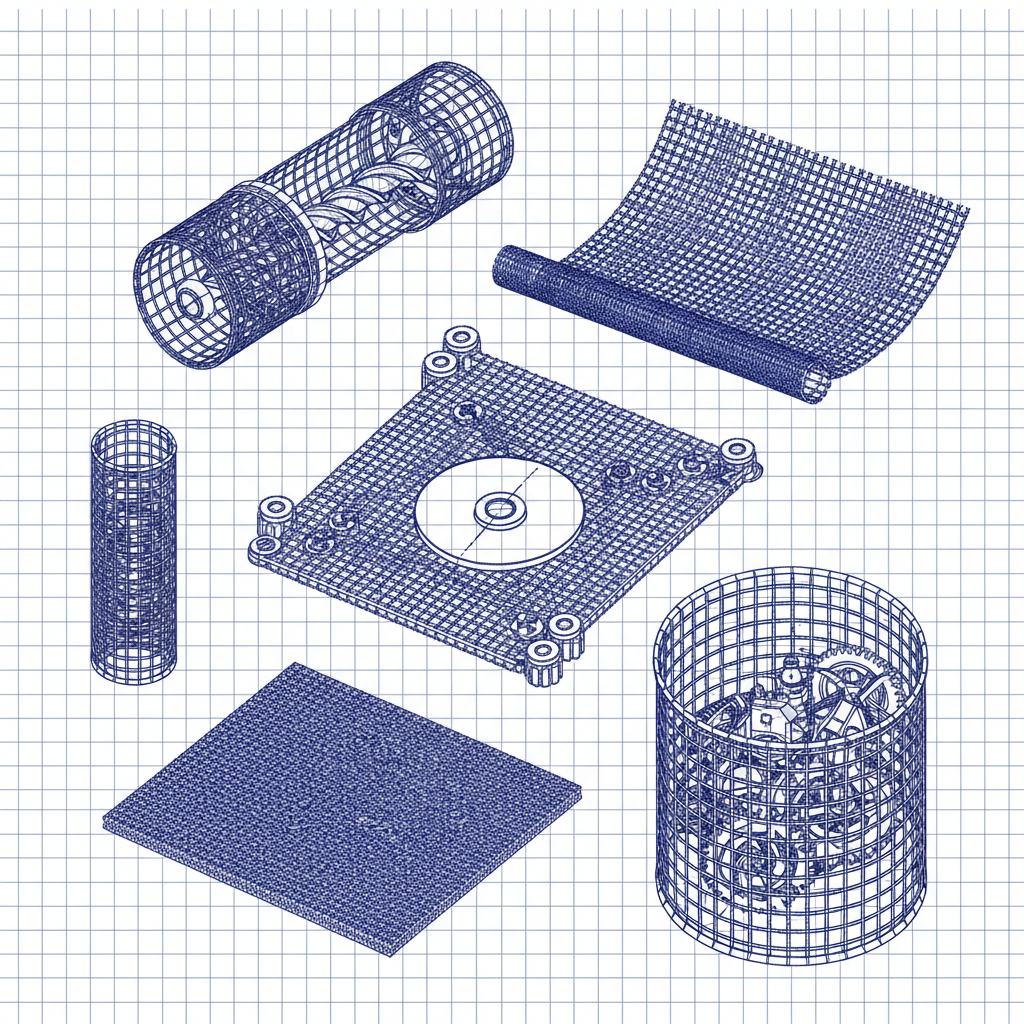
Woven Wire Mesh: A Classic Choice
Woven wire mesh is created by weaving wires in an over-under pattern, resulting in a strong and durable fabric. This type of mesh is commonly used for fencing, screening, and animal containment. Different weave patterns, such as plain weave, twill weave, and Dutch weave, offer varying levels of strength and filtration properties. The wire material can range from stainless steel to galvanized steel, depending on the application and desired corrosion resistance. Woven wire mesh is known for its consistent aperture size and excellent tensile strength.
Key Highlights: Strong and durable, versatile for various applications, and available in multiple weave patterns.
Welded Wire Mesh: Strength and Stability
Welded wire mesh is manufactured by welding wires together at their intersections, forming a rigid and stable grid. It's frequently employed in construction, reinforcement, and security fencing. Welded wire mesh offers high strength and dimensional accuracy. The wire gauge and mesh opening can be customized to meet specific project requirements. Galvanized or stainless steel are common materials used to prevent corrosion. Because of its robust nature, welded wire mesh is an excellent option for applications where structural integrity is paramount.
Welded Wire Mesh Benefits:
• High strength and dimensional stability
• Versatile for construction and security
• Customizable wire gauge and opening
• Corrosion-resistant materials available
Expanded Metal Mesh: Unique and Versatile
Expanded metal mesh is created by slitting and stretching a sheet of metal, forming a diamond-shaped pattern. It’s commonly used for walkways, stair treads, protective guards, and architectural facades. Expanded metal mesh offers a high strength-to-weight ratio and excellent ventilation. It’s also known for its non-slip surface, making it ideal for safety applications. Different expansion ratios and metal thicknesses can be selected to achieve the desired properties. For specialized needs, DQ Fences can customize expanded metal mesh to your exact specifications.
Comparing Common Mesh Wire Types
Choosing the correct mesh wire requires understanding the differences between the various types. Below is a comparison chart outlining the key characteristics of woven wire, welded wire, and expanded metal mesh. This table will help you determine which mesh wire type best suits your particular needs.
Specialty Mesh Wires
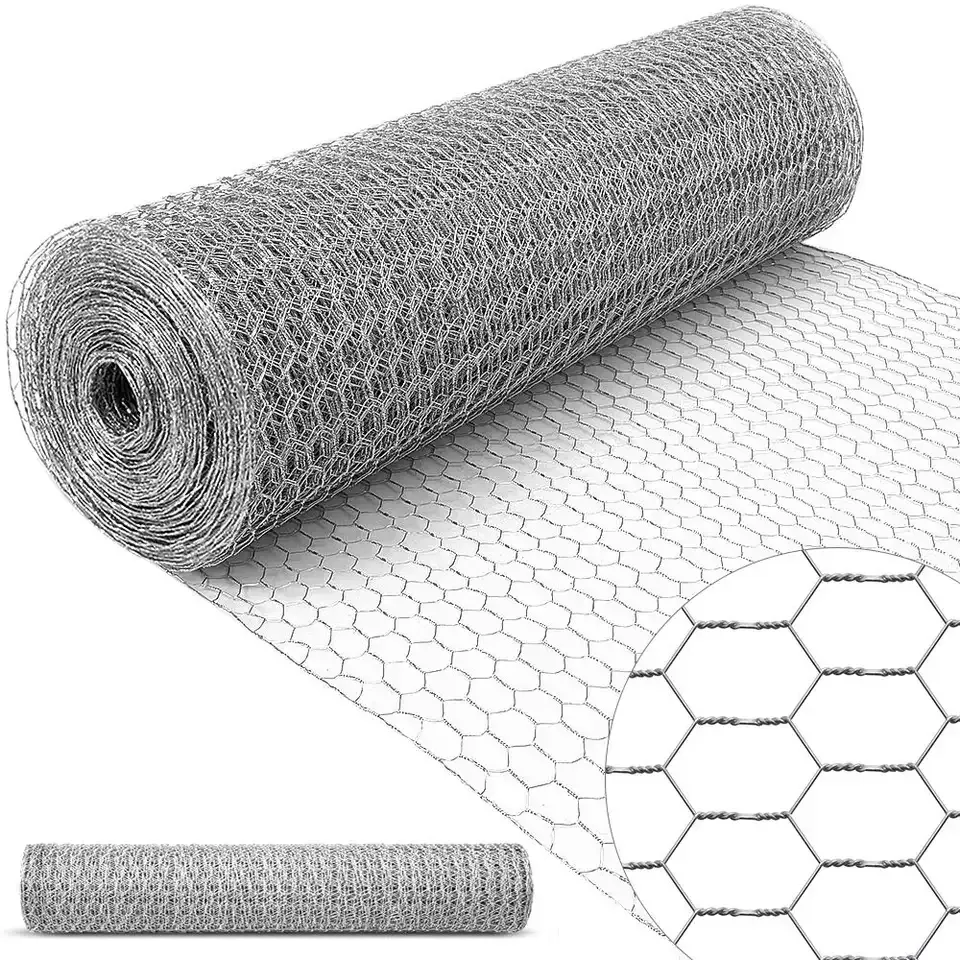
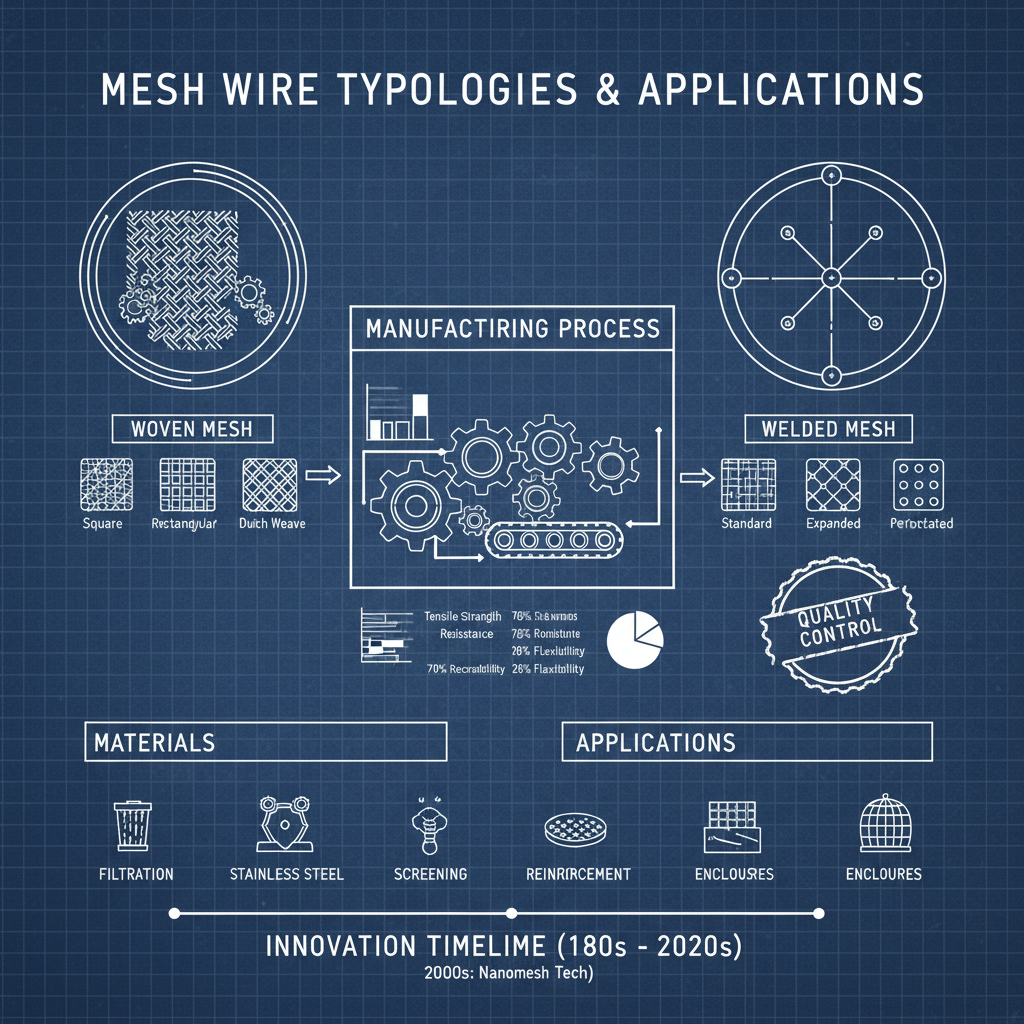
Beyond the common types, several specialty mesh wires cater to specific applications. These include crimped wire mesh (for increased rigidity), hexagonal wire netting (often used in poultry enclosures), and perforated metal sheets (offering precise hole patterns). Each specialty mesh possesses unique properties that make it ideal for certain projects. Choosing the right specialty mesh depends on the required level of strength, flexibility, and filtration.
Conclusion: Selecting the Right Mesh Wire
The world of mesh wire is diverse, offering a solution for almost any application. By understanding the characteristics of each type – woven, welded, expanded, and specialty meshes – you can make an informed decision that ensures optimal performance and longevity. DQ Fences offers a comprehensive range of mesh wire products to meet your specific needs. Don't hesitate to contact our experts for assistance in selecting the right mesh wire for your project.
Frequently Asked Questions (FAQs)
What material is best for mesh wire in a coastal environment?
For coastal environments, stainless steel is the most recommended material for mesh wire. The high salt content in the air can quickly corrode galvanized steel, reducing its lifespan and compromising its structural integrity. Stainless steel offers superior corrosion resistance, ensuring the mesh wire remains durable and effective even in harsh marine conditions. While more expensive upfront, stainless steel’s longevity makes it a cost-effective choice in the long run.
How do I determine the correct mesh size for my application?
The correct mesh size depends on what you’re trying to contain or exclude. Smaller mesh sizes provide finer filtration and better containment for small animals or debris. Larger mesh sizes are suitable for applications where airflow or visibility is more important. Consider the size of the objects you need to block and choose a mesh opening that is significantly smaller. Our team at DQ Fences can help you determine the ideal mesh size based on your specific requirements.
Can mesh wire be painted or coated?
Yes, mesh wire can be painted or coated, but proper preparation is crucial. Before applying any coating, the mesh wire should be thoroughly cleaned to remove any oil, grease, or rust. Using a corrosion-resistant primer is recommended, especially for galvanized steel. Choose a paint or coating that is compatible with the metal and designed for outdoor use. Powder coating provides a durable and attractive finish, offering excellent resistance to weathering and corrosion.
What safety precautions should I take when working with mesh wire?
Mesh wire often has sharp edges, so wearing gloves is essential to prevent cuts. Safety glasses are also recommended to protect your eyes from wire fragments. When cutting mesh wire, use appropriate tools and wear protective clothing. Be mindful of the weight of the mesh, particularly larger rolls, and lift with proper technique to avoid strain or injury. Always handle mesh wire with care and follow all safety guidelines.
-
Ultimate Guide to Temp Fencing for Secure Site Management
NewsApr.16,2026
-
Professional Temporary Construction Fence Solutions and Guide
NewsApr.09,2026
-
Comprehensive Guide to Construction Fencing for Site Safety and Security
NewsApr.07,2026
-
Choosing the Right Portable Fence for Your Property and Needs
NewsApr.04,2026
-
DQ Fences Provides Superior Temporary Fence Bunnings Solutions Options
NewsMar.31,2026
-
Comprehensive Guide to Durable and Effective Temporary Fence Panels
NewsMar.28,2026