Feb . 12, 2026 05:35 Back to list
Exploring Different Types of Wire Mesh and Their Applications
Different Types of Wire Mesh: A Comprehensive Guide
Wire mesh is a versatile material with applications spanning countless industries, from construction and agriculture to security and filtration. Understanding the different types of wire mesh available is crucial for selecting the optimal product for your specific needs. This article will explore various wire mesh categories, their characteristics, and common applications, offering a detailed overview for both professionals and those new to this essential material. Choosing the right wire mesh ensures efficiency, durability, and cost-effectiveness in your project.

Woven Wire Mesh: The Traditional Standard
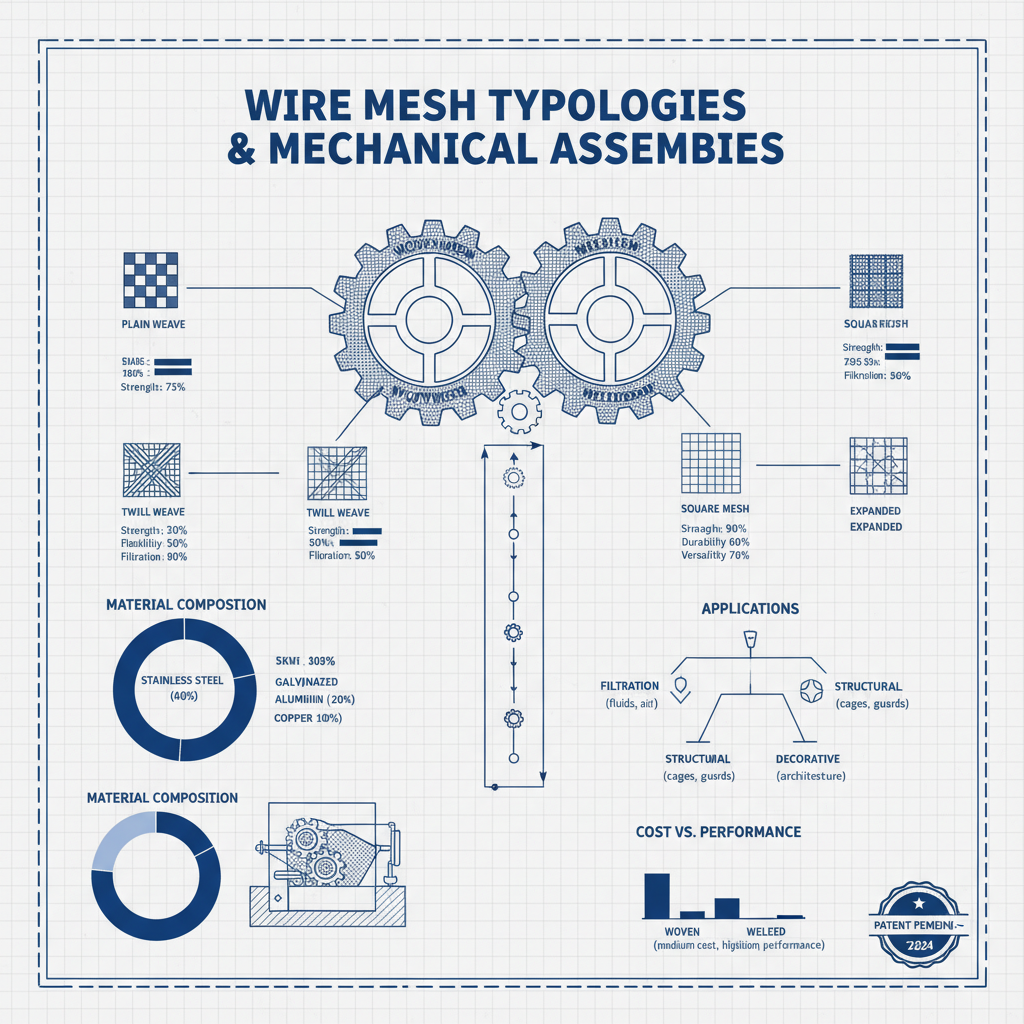
Woven wire mesh is one of the oldest and most common types. It's created by weaving wires in a simple over-under pattern, similar to fabric. This method results in a strong, durable mesh with consistent openings. The weave pattern, wire gauge, and aperture size determine its specific properties. Common applications include fencing, animal enclosures, insect screens, and filtration. DQ Fences offers a wide selection of woven wire mesh options to suit various requirements.
Key Highlights: Strong and durable, consistent openings, suitable for a wide range of applications, relatively cost-effective.
Welded Wire Mesh: Strength and Stability
Welded wire mesh is formed by joining wires at each intersection using electric resistance welding. This creates a rigid and stable mesh with excellent dimensional accuracy. Welded wire mesh is often used in reinforcing concrete, animal cages, security fencing, and industrial applications. It's generally stronger and more resistant to deformation than woven wire mesh, making it ideal for heavier-duty tasks. Explore our welded wire mesh offerings for robust solutions.
Welded Wire Mesh Advantages:
• High tensile strength
• Excellent dimensional stability
• Suitable for heavy-duty applications
• Corrosion resistance options available
Expanded Metal Mesh: Unique and Versatile
Expanded metal mesh is created by slitting and stretching a solid metal sheet, forming a diamond or hexagonal pattern. Unlike woven or welded mesh, expanded metal maintains a significant portion of the original metal's strength. It's commonly used for walkways, stair treads, guards, and architectural applications. The open design allows for good airflow and visibility. DQ Fences specializes in custom expanded metal solutions.
Crimped Wire Mesh: Enhanced Strength and Rigidity
Crimped wire mesh is created by bending the wires at regular intervals, forming a distinctive crimped pattern. This process increases the mesh's strength, rigidity, and surface area. It's often used in filters, screens, and vibration separators. The crimped pattern also provides a more secure grip for coatings and finishes. This type of mesh is favored in applications requiring precise filtration and structural integrity.
Perforated Metal Sheet: Precision and Control
Perforated metal sheet is made by punching holes in a solid metal sheet, creating a precise and uniform pattern. The hole size, spacing, and pattern can be customized to meet specific requirements. It's commonly used for soundproofing, ventilation, and filtration. DQ Fences offers custom perforation services for unique applications.
Conclusion: Choosing the Right Wire Mesh for Your Needs
Selecting the appropriate type of wire mesh depends on your specific application requirements. Consider factors like strength, durability, aperture size, corrosion resistance, and cost. DQ Fences provides a comprehensive range of wire mesh products and expert guidance to help you make the right choice. Don't hesitate to contact us for assistance with your project.
Frequently Asked Questions (FAQs)
What materials are wire mesh commonly made from?
Wire mesh is produced from a variety of materials, including carbon steel, stainless steel, aluminum, copper, and other alloys. The choice of material depends on the intended application and the desired properties, such as strength, corrosion resistance, and cost. Stainless steel is often preferred for applications requiring high corrosion resistance, while carbon steel is a cost-effective option for general-purpose use. Aluminum is lightweight and suitable for applications where weight is a concern.
How do I determine the appropriate mesh size for my project?
Mesh size refers to the number of openings per inch. The appropriate mesh size depends on the size of the particles or objects you need to contain or filter. Smaller mesh sizes have more openings per inch and are suitable for finer materials, while larger mesh sizes have fewer openings and are better for larger materials. Consider the application's specific requirements and choose a mesh size that effectively meets your needs.
What is the difference between galvanized and stainless steel wire mesh?
Galvanized wire mesh is coated with a layer of zinc to protect it from corrosion, while stainless steel wire mesh contains chromium, which provides inherent corrosion resistance. Stainless steel offers superior corrosion resistance compared to galvanized steel, especially in harsh environments. However, stainless steel is typically more expensive. Galvanized steel is a cost-effective option for applications where corrosion is not a major concern.
-
Ultimate Guide to Temp Fencing for Secure Site Management
NewsApr.16,2026
-
Professional Temporary Construction Fence Solutions and Guide
NewsApr.09,2026
-
Comprehensive Guide to Construction Fencing for Site Safety and Security
NewsApr.07,2026
-
Choosing the Right Portable Fence for Your Property and Needs
NewsApr.04,2026
-
DQ Fences Provides Superior Temporary Fence Bunnings Solutions Options
NewsMar.31,2026
-
Comprehensive Guide to Durable and Effective Temporary Fence Panels
NewsMar.28,2026