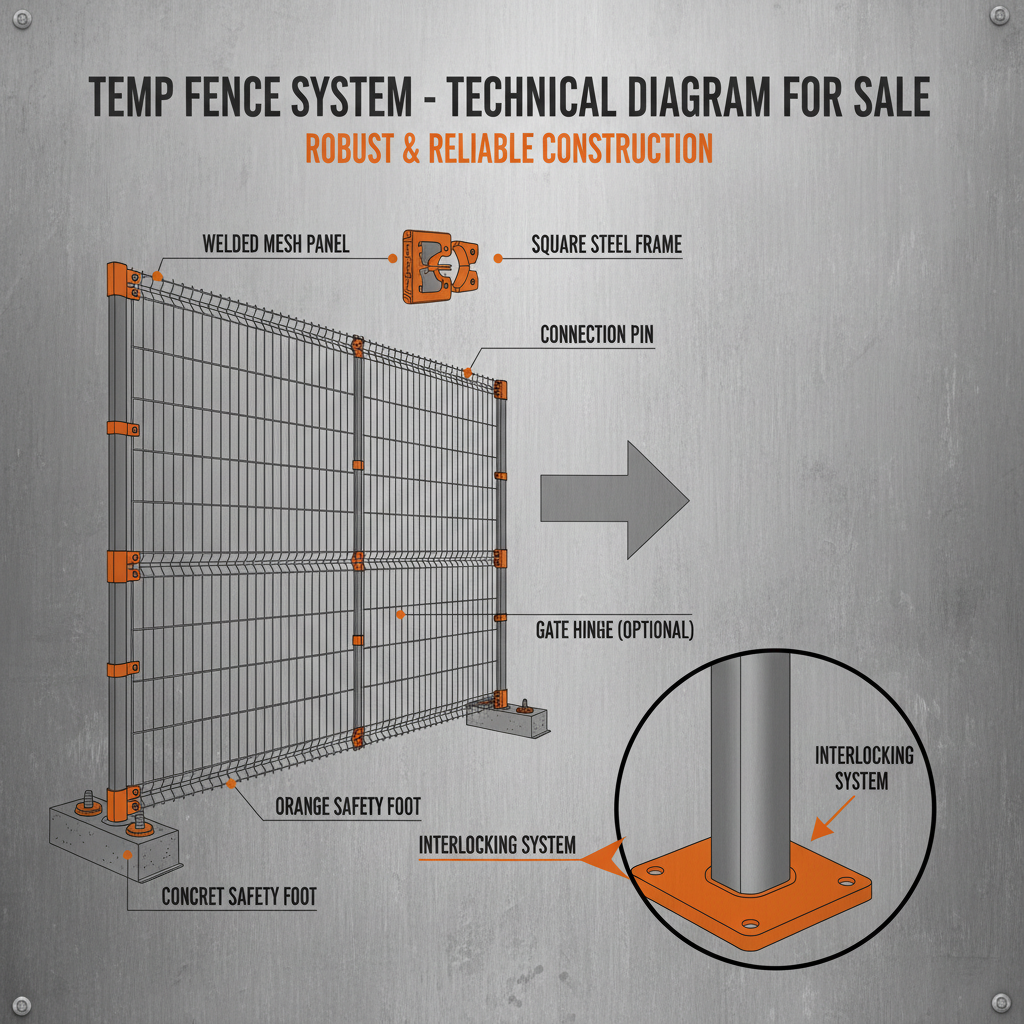
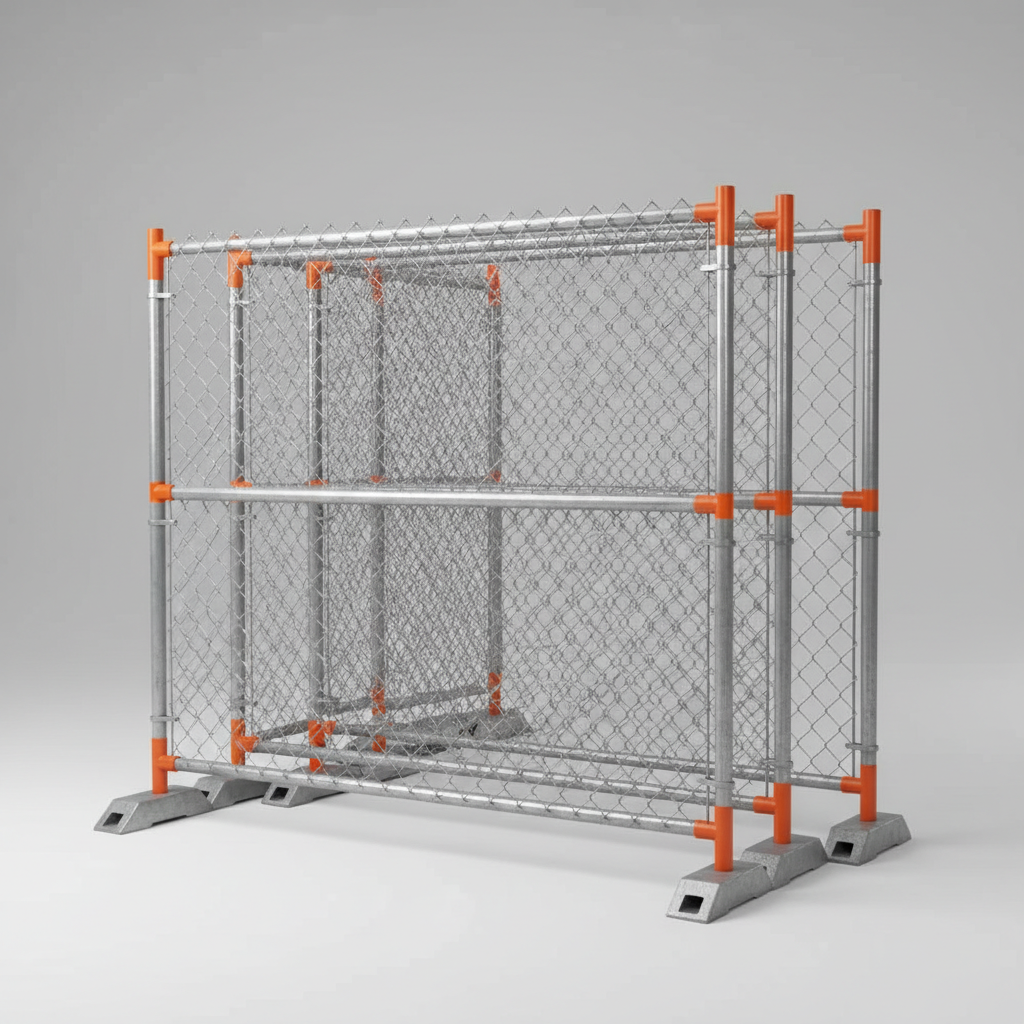
Managing a dynamic outdoor space requires a balance between accessibility and protection, which is where temporary garden fencing becomes an indispensable tool for homeowners and professional landscapers alike. Whether you are protecting delicate new seedlings from foraging wildlife or delineating a specific zone for a seasonal event, these versatile systems provide an immediate barrier without the permanence of traditional installations.
From a global perspective, the demand for flexible containment solutions has surged as urban gardening and sustainable landscaping trend upward. The ability to quickly deploy and remove barriers allows for an organic evolution of garden design, ensuring that the land remains adaptable to changing environmental needs or aesthetic preferences.
Understanding the nuances of material selection and installation methods for temporary garden fencing ensures that you maximize the lifespan of your products while maintaining the integrity of your soil. By choosing the right gauge of wire and the appropriate coating, users can achieve a professional-grade boundary that serves its purpose efficiently before being packed away for future use.
Global Relevance of Temporary Garden Fencing
In recent years, the global landscaping industry has seen a significant shift toward "modular living," where the boundaries of the home are fluid. According to industry trends aligned with ISO quality standards for metal products, there is an increasing preference for temporary garden fencing because it mitigates the risk of permanent land alteration. This is particularly crucial in regions with strict zoning laws or environmental protections where permanent structures are prohibited.
The primary challenge addressed by these systems is the conflict between immediate security needs and long-term land utility. By utilizing high-tensile steel or galvanized wire mesh, users can secure a perimeter against pests or unauthorized access without committing to a concrete-foundation project, thereby reducing the carbon footprint associated with heavy construction.
Defining Temporary Garden Fencing in Modern Landscaping
At its core, temporary garden fencing refers to a non-permanent perimeter solution designed for rapid deployment and easy disassembly. Unlike traditional boundary walls, these systems typically utilize interlocking panels, stakes, or lightweight wire mesh that can be moved as the garden grows or the season changes. It is an architectural tool that provides a psychological and physical barrier without creating a permanent visual obstruction.
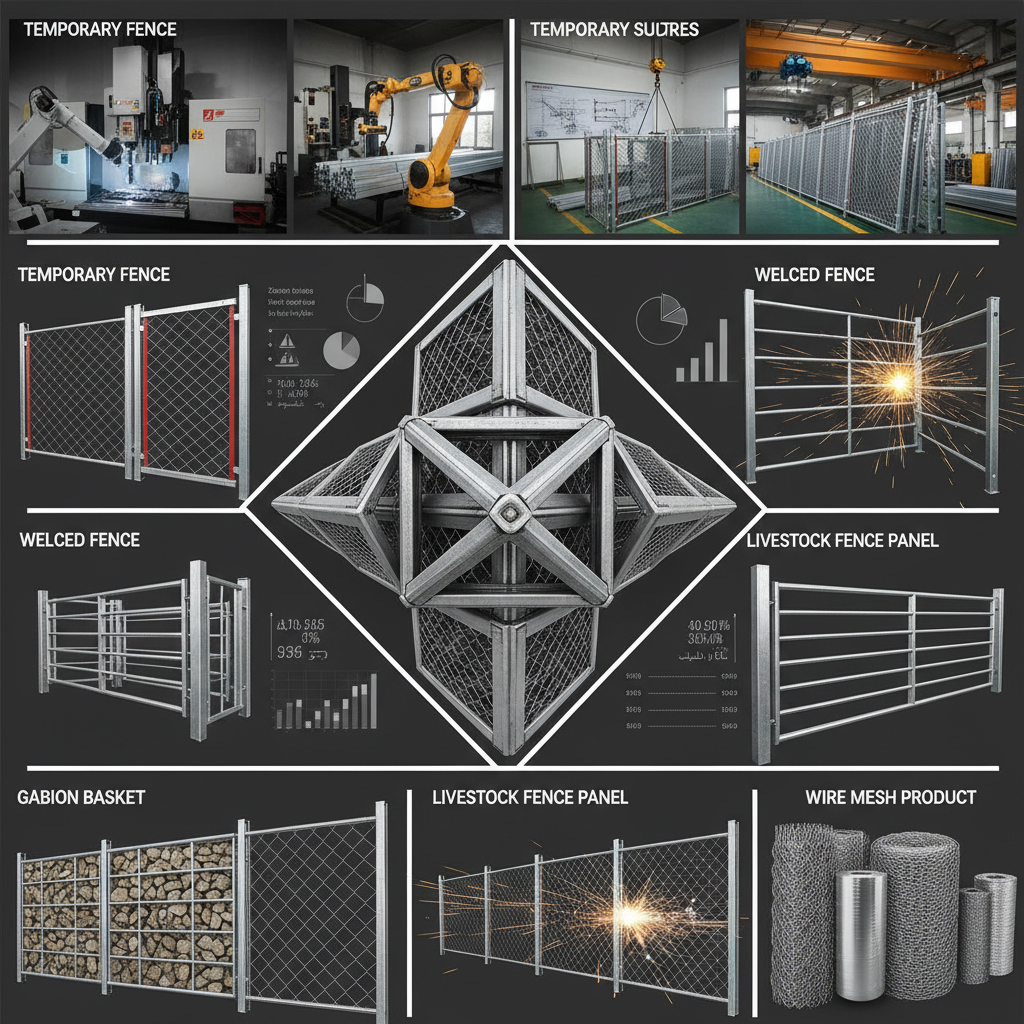
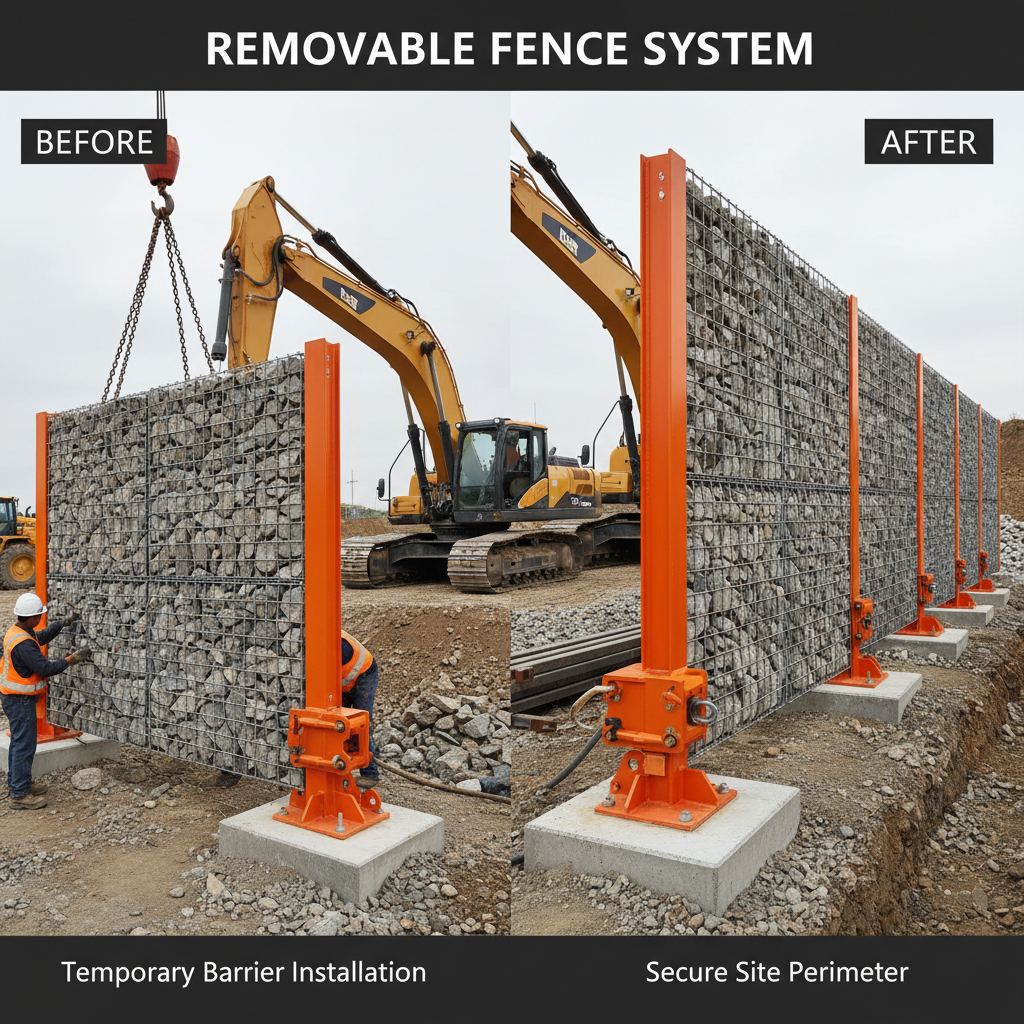
In the context of modern industry, these products are often linked to the "rapid-deployment" philosophy seen in humanitarian aid and construction sites. By applying this industrial logic to residential and commercial gardens, manufacturers have developed systems that prioritize "plug-and-play" installation, reducing the need for specialized labor and expensive tools.
Furthermore, this type of fencing serves a critical role in urban agriculture. As cities implement more community gardens and rooftop farms, the need for scalable and movable barriers has become essential to manage crop rotation and protect food sources from urban wildlife while adhering to temporary land-use permits.
Core Components of Effective Garden Barriers
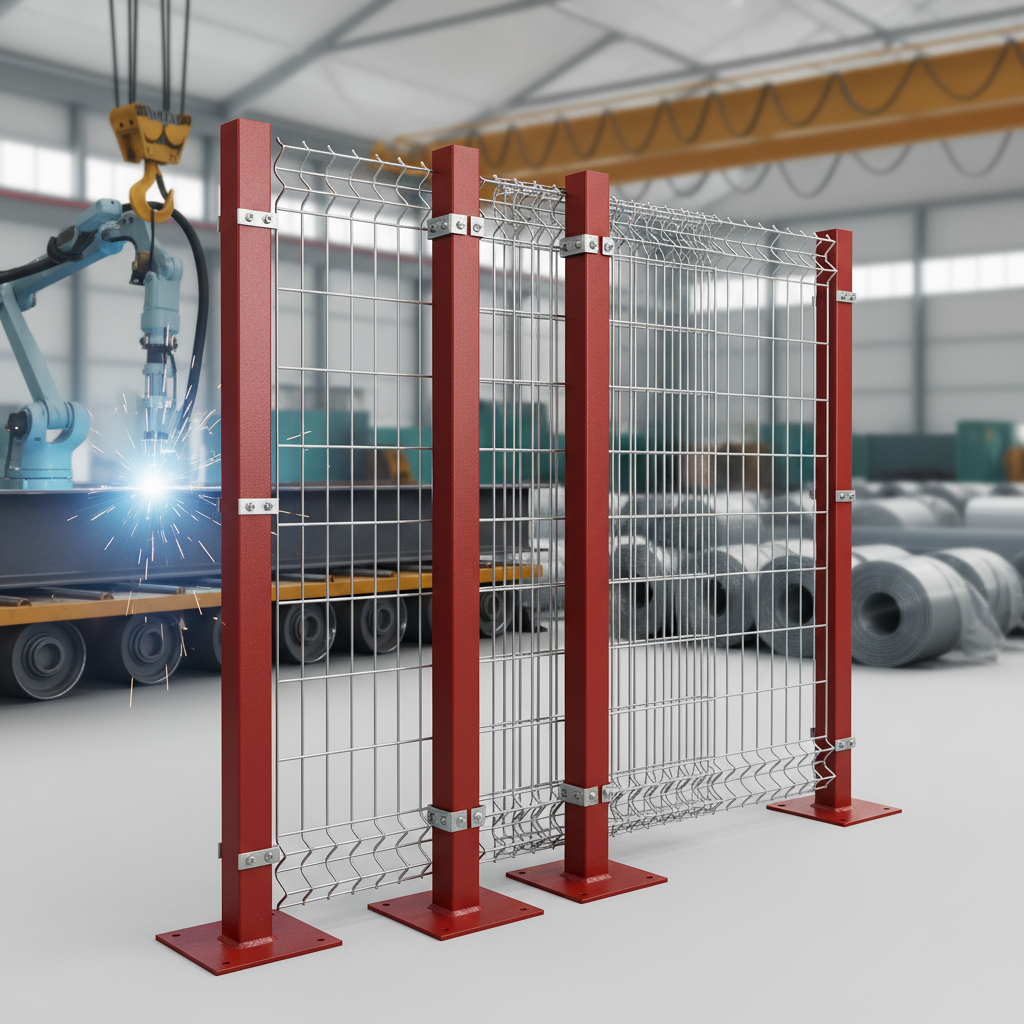
The durability of temporary garden fencing depends heavily on its material composition. Most high-quality systems utilize galvanized steel or PVC-coated wire to prevent corrosion, ensuring that the fence can withstand diverse weather conditions from humid tropical rains to freezing winters without losing structural integrity.
Scalability is another critical factor. Modern modular designs allow users to expand their perimeter simply by adding more panels and connectors. This flexibility ensures that the fencing system can grow alongside a burgeoning vegetable patch or be condensed during the off-season, making it a cost-effective investment over several years.
Finally, stability and ease of installation are what define a premium product. The use of heavy-duty ground stakes and reinforced joints ensures that the fence remains upright even in high-wind areas, while the intuitive locking mechanisms allow a single person to secure a large area in a fraction of the time required for permanent fencing.
Practical Applications and Global Use Cases
Across the globe, temporary garden fencing is utilized in a variety of high-stakes environments. In North America, it is frequently used for seasonal crop protection and managing livestock in small-scale hobby farms. In Europe, where historical gardens often have strict preservation rules, temporary barriers are the only legal way to protect restoration sites from public foot traffic without damaging the original soil.
In more extreme contexts, such as post-disaster relief operations, these fencing solutions are used to create organized communal garden spaces for displaced populations. These "healing gardens" provide not only food security but also a sense of dignity and structure, proving that industrial metal products can have a profound social impact when applied thoughtfully.
Performance Comparison of Temporary Garden Fencing Types
Tangible Advantages and Long-Term Value
The most immediate advantage of choosing temporary garden fencing is the significant reduction in initial capital expenditure. By avoiding the need for concrete footings and heavy machinery, property owners can allocate their budget toward higher-quality plants or irrigation systems, while still maintaining a secure perimeter.
Beyond the financial logic, there is a strong emotional value in the flexibility these systems offer. The ability to rearrange a garden layout based on the sunlight patterns of different seasons or the growth rate of specific species fosters a spirit of innovation and experimentation. This adaptability transforms gardening from a static chore into a dynamic creative process, backed by the reliability of industrial-grade materials.
Future Trends in Sustainable Fencing Technology
The future of temporary garden fencing is leaning heavily toward "green metallurgy." We are seeing a transition toward recycled steel and bio-based coatings that reduce the environmental impact of production. These innovations ensure that the fencing is not only temporary in its application but also sustainable in its lifecycle, potentially being fully recycled at the end of its useful life.
Furthermore, the integration of digital transformation is reaching the gardening sector. Some high-end temporary systems are now being designed to incorporate smart sensors—such as moisture or motion detectors—that can be clipped onto the fence mesh. This turns a simple physical barrier into an intelligent monitoring system for the entire garden.
Automation in the manufacturing process is also driving down costs and increasing precision. With the advent of AI-driven welding and coating, temporary panels are becoming lighter yet stronger, allowing for even faster deployment and easier transportation for global shipping and distribution.
Overcoming Challenges in Temporary Installations
One common limitation of temporary garden fencing is the risk of "wind-sail" effect, where solid panels can be knocked over by strong gusts. The expert solution to this is the use of open-mesh designs that allow air to flow through while still providing a physical deterrent to animals and people. Choosing a mesh aperture that matches the size of the target pest is key to balancing stability and security.
Another challenge is the potential for soil compaction caused by heavy stakes. To overcome this, innovative "screw-in" anchoring systems are replacing traditional hammered stakes. These anchors provide superior grip in sandy or loose soils while minimizing the disruption to the root systems of nearby plants, ensuring that the garden's health is not sacrificed for its security.
Finally, corrosion remains a constant battle in outdoor environments. While galvanization is effective, the "edge effect"—where cuts or joins in the metal are prone to rust—can be a weakness. Professional solutions now include cold-galvanizing sprays or specialized polymer caps that seal every exposed edge, exponentially increasing the lifespan of the product.
Technical Analysis of Temporary Garden Fencing Material Performance
| Material Type |
Corrosion Resistance |
Installation Speed |
Overall Durability |
| Hot-Dip Galvanized |
High |
Fast |
9/10 |
| PVC Coated Steel |
Very High |
Medium |
8/10 |
| Powder Coated |
Medium |
Fast |
7/10 |
| Electro-Galvanized |
Medium |
Very Fast |
6/10 |
| Aluminum Alloy |
Very High |
Fast |
8/10 |
| Recycled Polymer |
Absolute |
Fast |
5/10 |
FAQS
Temporary fencing offers unparalleled flexibility and lower costs. Unlike permanent fences, they do not require concrete foundations, meaning you can rearrange your garden layout without damaging the soil. They are also significantly faster to install and can be stored away during winter, reducing wear and tear from the elements.
Depending on the material, a high-quality galvanized or PVC-coated temporary fence can last between 5 to 15 years. The key to longevity is the coating; hot-dip galvanizing provides the best protection against rust, while PVC adds an extra layer of weatherproofing. Regular inspection of the joints and stakes is recommended to maintain stability.
Yes, provided you choose the correct mesh size and height. For small rodents, a tight welded wire mesh is best. For larger animals like deer, a higher panel system with secure anchoring is required. Combining temporary fencing with a slight overhang or buried edge can further enhance security against digging or jumping.
Absolutely. Most professional temporary systems use adjustable stakes or interlocking panels that can be stepped to follow the contour of the land. By overlapping the panels slightly or adjusting the depth of the ground anchors, you can maintain a secure perimeter even on challenging slopes.
Many are. Because they avoid the use of concrete and permanent land disruption, they are often more sustainable than traditional options. Furthermore, modern manufacturers are increasingly using recycled steel and non-toxic powder coatings, making them a responsible choice for the environmentally conscious gardener.
The modular nature of these fences allows them to be disassembled into flat panels and bundled stakes. We recommend cleaning them with a damp cloth to remove soil and storing them in a dry, covered area. Using heavy-duty ties or crates prevents the panels from warping and ensures they are ready for immediate redeployment in the spring.
Conclusion
In summary, temporary garden fencing represents the perfect intersection of industrial durability and residential flexibility. By prioritizing high-quality materials like galvanized steel and embracing modular designs, gardeners can protect their investments, manage their land more effectively, and adapt to the changing needs of their outdoor environment without the burden of permanent construction.
Looking forward, the shift toward sustainable materials and smart integration will only enhance the value of these systems. Whether you are a professional landscaper or a home enthusiast, investing in a versatile, high-grade temporary barrier is a strategic move that ensures both the security of your plants and the long-term health of your landscape. Visit our website for more professional solutions: www.dqfences.com