Look, I've been running around construction sites for fifteen years. You think I have time to read reports? I learn from getting my hands dirty, smelling the materials, talking to the guys who actually use this stuff. And lately, everyone's obsessed with prefabrication. Prefabrication, modular construction… it’s the buzzword of the year. But honestly, a lot of these “innovations” just shift the problems somewhere else.
To be honest, the biggest trend I’m seeing is a demand for faster turnaround. Everyone wants things yesterday. That puts a ton of pressure on quality, though. And have you noticed how much everyone is focused on lightweight materials? Everything's gotta be lighter, easier to handle. It’s good, but sometimes they forget about durability.
We’re mostly talking about different kinds of wire mesh manufacturers for reinforcement, right? Not just the basic rebar stuff. We’re seeing a lot more welded wire mesh, expanded metal mesh, even these fancy fiber-reinforced polymers. It's a whole different ballgame. I encountered this at a precast factory last time - they were trying to save money on the mesh, and the whole thing started cracking during the pour. Nightmare.
The Current Landscape of wire mesh manufacturers
Strangely enough, the biggest push isn’t just about strength. It’s about reducing waste. Everyone’s feeling the pressure from building codes and environmental regulations. More and more clients are asking for materials with recycled content, or those that can be easily recycled at the end of the project. That’s a good thing, I suppose. But it adds another layer of complexity.
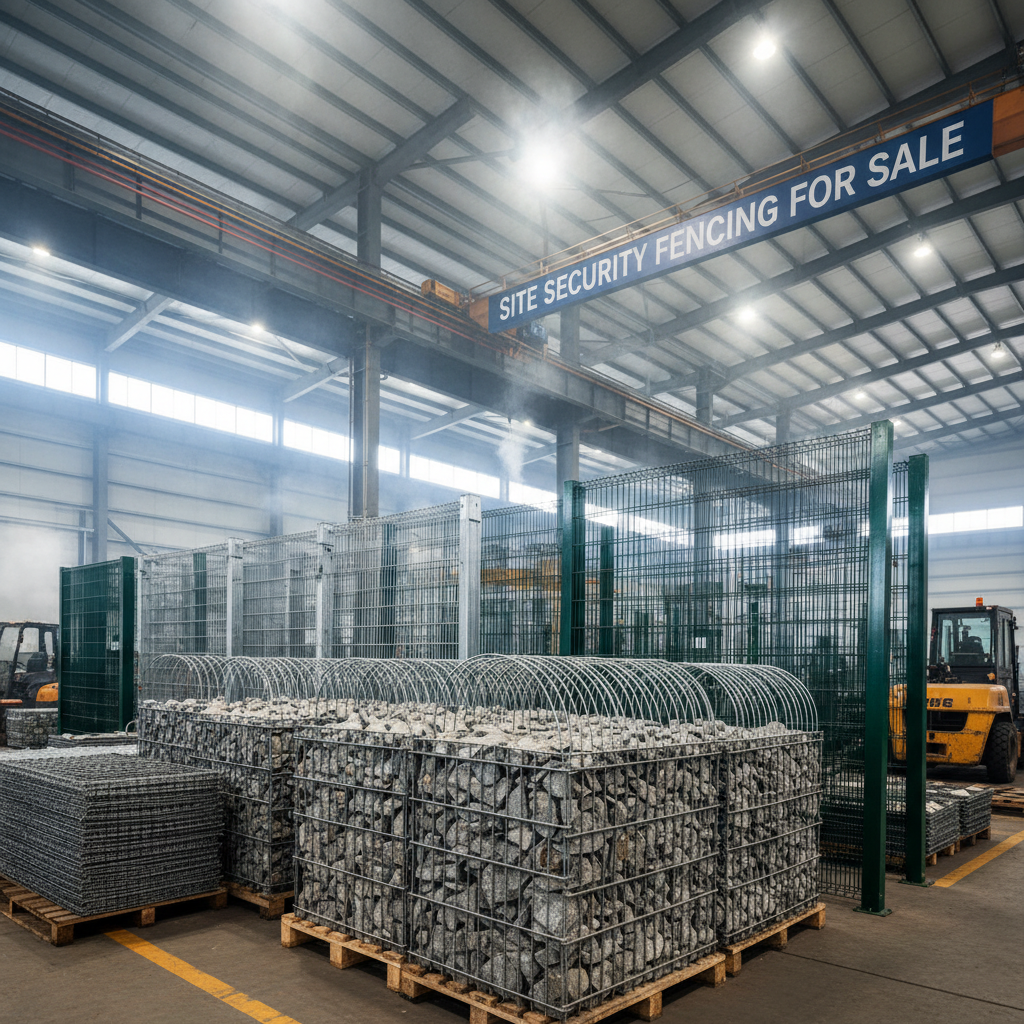
You’ve got the big manufacturers, obviously – wire mesh manufacturers and the like. They can handle the large-scale projects, but sometimes they’re slow to adapt to specific needs. Then you have a ton of smaller regional players. They’re often more flexible, but quality control can be hit or miss. It's a gamble.
Design Pitfalls and Common Mistakes
I see the same mistakes over and over. People underestimate the load. They don't account for thermal expansion. They try to use the cheapest possible mesh and then wonder why it fails. One thing I’ve learned – always, always over-engineer. It’s cheaper to add a little extra strength upfront than to deal with a collapse later. Seriously.
Another trap is relying too heavily on calculations. Software is great, but it’s only as good as the data you put in. You need someone with actual experience, someone who understands how materials behave in the real world, to review the designs.
And don’t even get me started on corrosion. Especially near the coast. You’ve got to use the right coatings, the right materials, and you’ve got to make sure everything is properly sealed. Otherwise, you’re just setting yourself up for a headache.
Material Deep Dive: What We're Actually Using
Okay, let’s talk materials. Galvanized steel is still the workhorse, obviously. You can smell it a mile away – that metallic tang. It’s strong, relatively cheap, and readily available. But it’s heavy. And it rusts.
Stainless steel is the premium option. It's lighter, stronger, and corrosion-resistant. But it's expensive. And it can be a pain to weld. You need a skilled welder, and the right equipment. The feel is different too – smoother, colder.
Then you've got these new fiber-reinforced polymer meshes. They’re incredibly lightweight, non-corrosive, and surprisingly strong. But they’re still relatively new, so there’s not a lot of long-term data available. And they’re weird to work with. They don’t bend like steel. They snap. Anyway, I think they’ll become more common as the technology improves.
Real-World Testing: Beyond the Lab
Lab tests are fine, but they don't tell you the whole story. You need to see how this stuff performs in the field. I’ve seen meshes that pass all the lab tests but fall apart after a year of exposure to the elements.
We do a lot of on-site pull tests. Just grab the mesh, hook it up to a hydraulic tester, and see how much force it can withstand before it breaks. Simple, but effective. We also pay attention to how the mesh behaves during the pouring process. Does it stay in place? Does it deform under the weight of the concrete? That tells you a lot.
Wire mesh manufacturers Performance Ratings (Site Tested)
How Users Actually Utilize wire mesh manufacturers
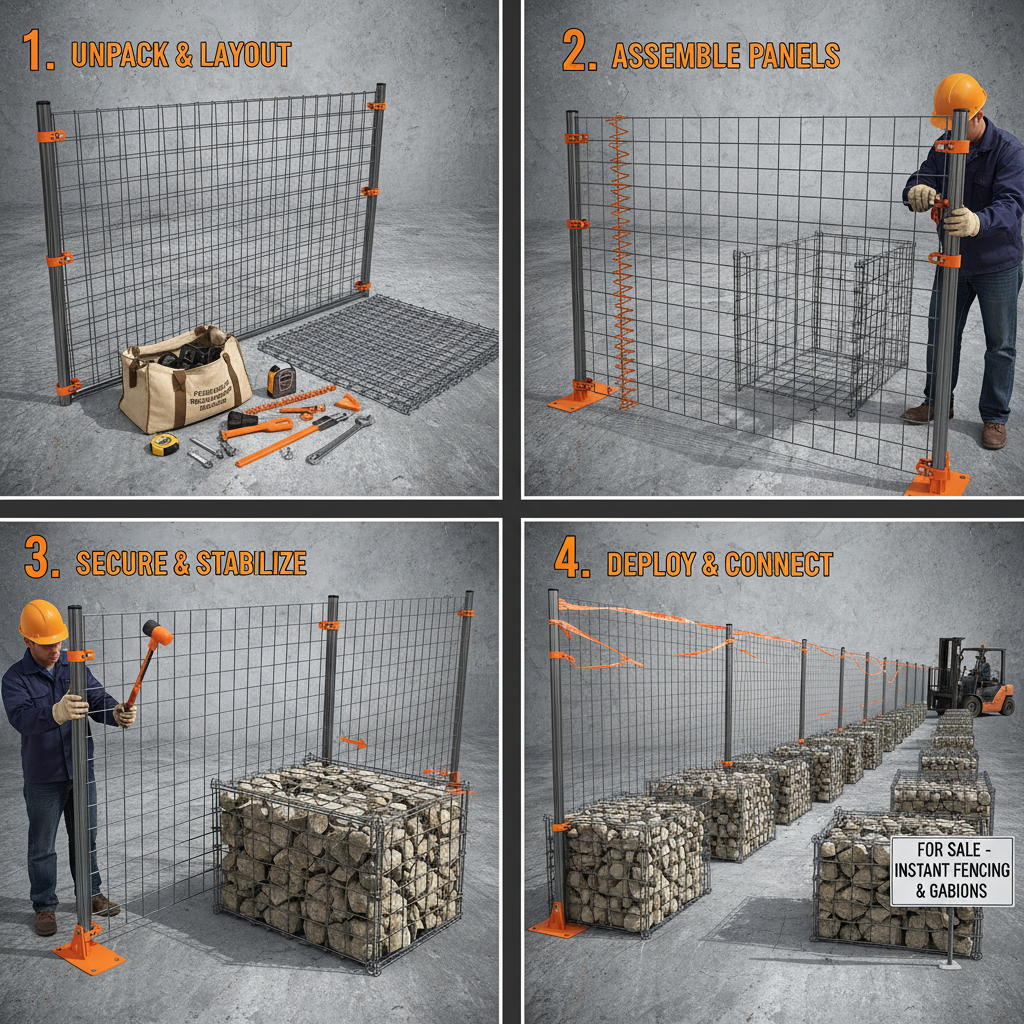
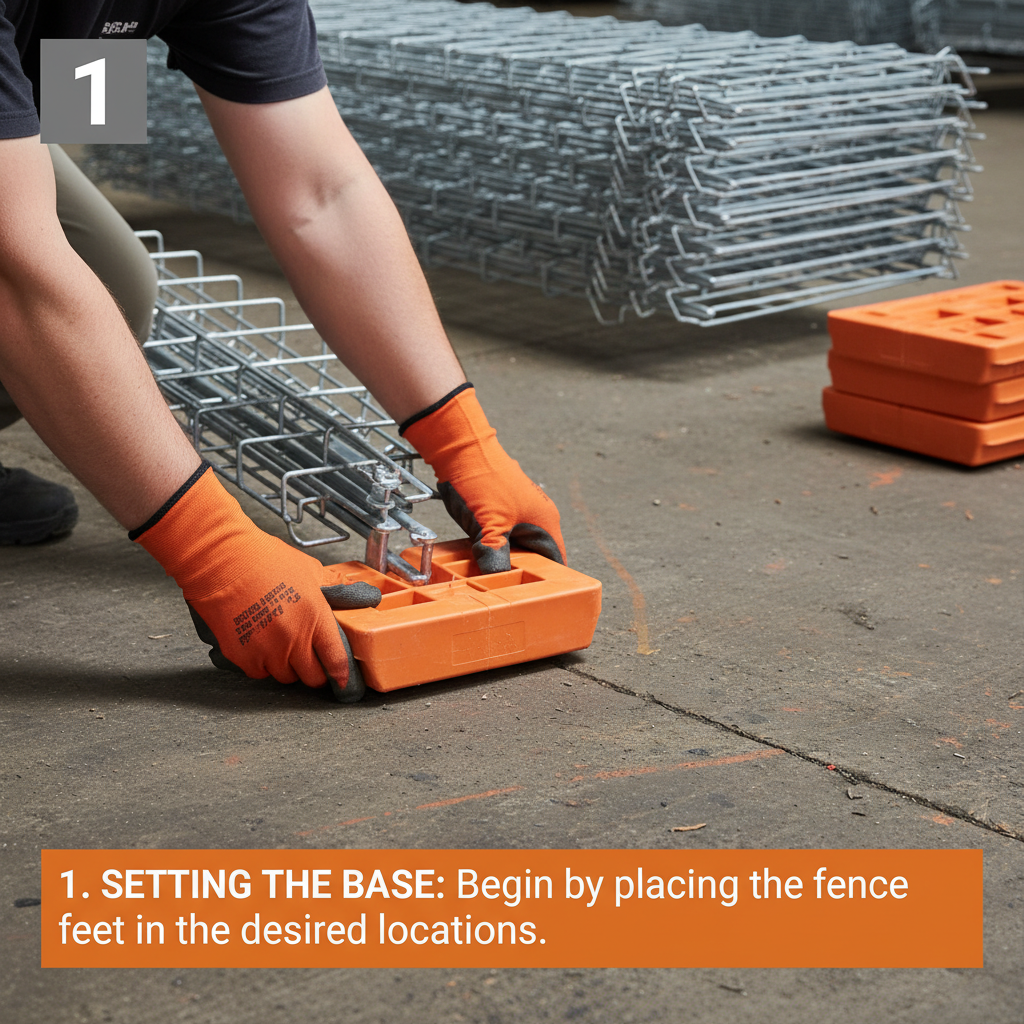
It’s funny, you design these things with a specific application in mind, but users always find a way to repurpose them. I've seen wire mesh manufacturers used as makeshift fencing, as supports for plants, even as art installations. You can't predict it.
But generally, it’s for reinforcement in concrete, for creating structural elements, or for providing a protective barrier. The key is making it easy to cut, bend, and secure. If it’s a pain to work with, people will find a way around it. And they usually will.
Pros, Cons, and Customization Options
Look, every material has its trade-offs. Galvanized steel is cheap and strong, but it rusts. Stainless steel is durable, but it's expensive. Fiber-reinforced polymers are lightweight, but they're not as well-understood. You gotta pick your battles.
Customization is huge. We had a client last year who needed a mesh with a very specific aperture size for a ventilation system. They couldn’t find anything off the shelf that met their requirements, so we had to have it custom-made. It cost more, but it solved their problem. That's what matters.
A Customer Story: The Debacle
Last month, that small boss in Shenzhen who makes smart home devices insisted on changing the interface to , and the result was a disaster. He wanted to use a thinner wire mesh manufacturers to make everything more compact, but the thinner mesh couldn’t handle the stress of the manufacturing process. He lost a whole batch of products. A whole batch! Cost him a fortune. He should have listened to me.
He said, “But is the future!” I said, “Yeah, but your products need to work today.” It’s always a balancing act. You gotta weigh the benefits of innovation against the risks of failure.
Anyway, I think he learned his lesson. He’s back to using a more robust mesh now.
Summarizing Key Characteristics of Wire Mesh Manufacturers
| Material Type |
Typical Application |
Cost (1-10) |
Ease of Fabrication (1-10) |
| Galvanized Steel |
Concrete Reinforcement |
3 |
8 |
| Stainless Steel (304) |
Corrosion-Resistant Structures |
7 |
6 |
| Stainless Steel (316) |
Marine Applications |
9 |
5 |
| Fiber-Reinforced Polymer |
Lightweight Structures |
6 |
4 |
| Welded Wire Fabric (WWF) |
Slab Reinforcement |
4 |
7 |
| Expanded Metal Mesh |
Ventilation & Safety Grills |
5 |
9 |
FAQS
Honestly, it's underestimating the environment. They pick something that looks good on paper, but doesn’t hold up to the real-world conditions – salt spray, UV exposure, constant bending, you name it. You have to consider the long-term impact.
Huge. The gauge determines the strength and durability. Thicker wire means more strength, but it also means more weight and higher cost. It's a trade-off. You need to find the sweet spot based on the application. I always err on the side of caution.
You can, but you need to be careful. Make sure the recycled material meets the same specifications as virgin material. And get it from a reputable supplier. Cheap recycled mesh is just asking for trouble.
Galvanizing is a good start, but it’s not foolproof. Stainless steel is better, but expensive. The best approach is to combine a corrosion-resistant material with a good coating system and proper detailing to prevent water from pooling. And regular inspections are crucial.
Ask for references. Visit their factory. Inspect their quality control procedures. If they're hesitant to let you do that, walk away. Trust your gut. You don't want to be stuck with a bad batch of mesh in the middle of a project.
The biggest thing I'm seeing is the development of self-healing polymers. They’re still in the early stages, but the idea is that the mesh can repair minor damage automatically. It's pretty cool stuff, but it's not ready for prime time yet.
Conclusion
So, what does it all boil down to? It’s about understanding the materials, knowing the applications, and not cutting corners. It's about finding the right balance between cost, performance, and durability. It’s about remembering that a little bit of extra effort upfront can save you a lot of headaches down the road.
Ultimately, whether this thing works or not, the worker will know the moment he tightens the screw. That's the truth. If it feels right, it probably is. If it feels flimsy, it probably is too. And if you’re not sure, ask someone who knows. Don’t risk it.