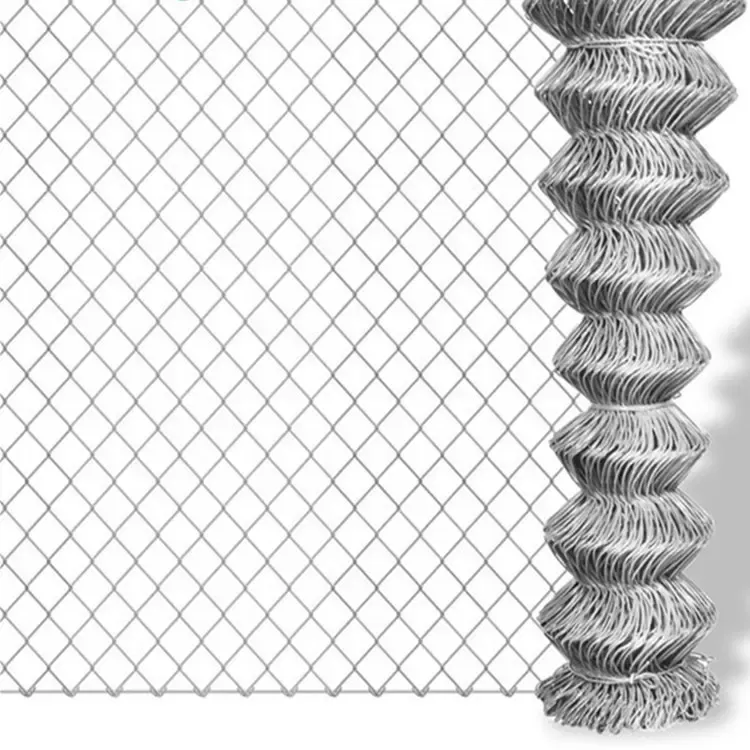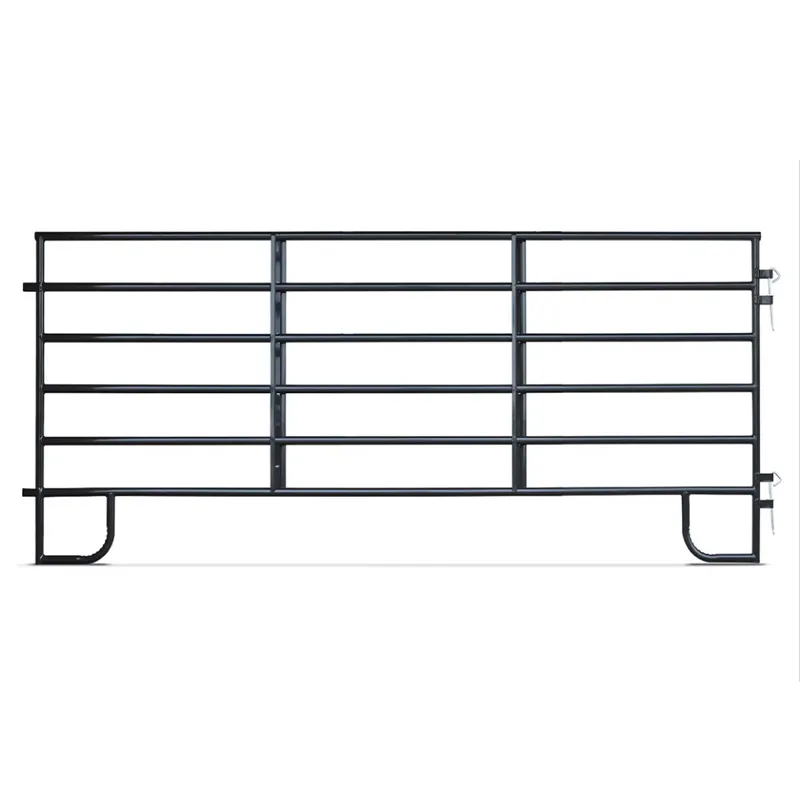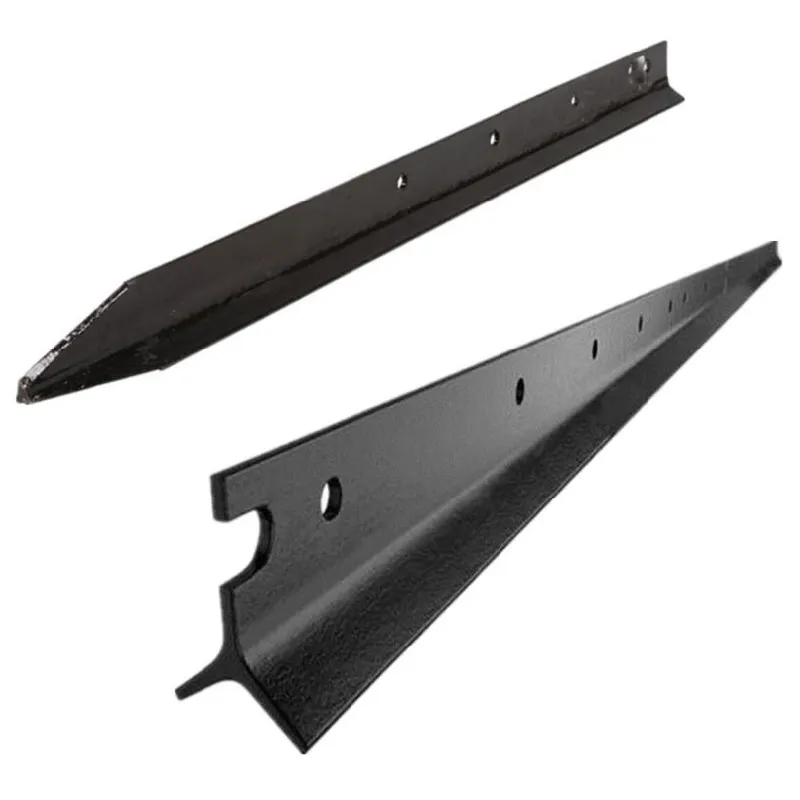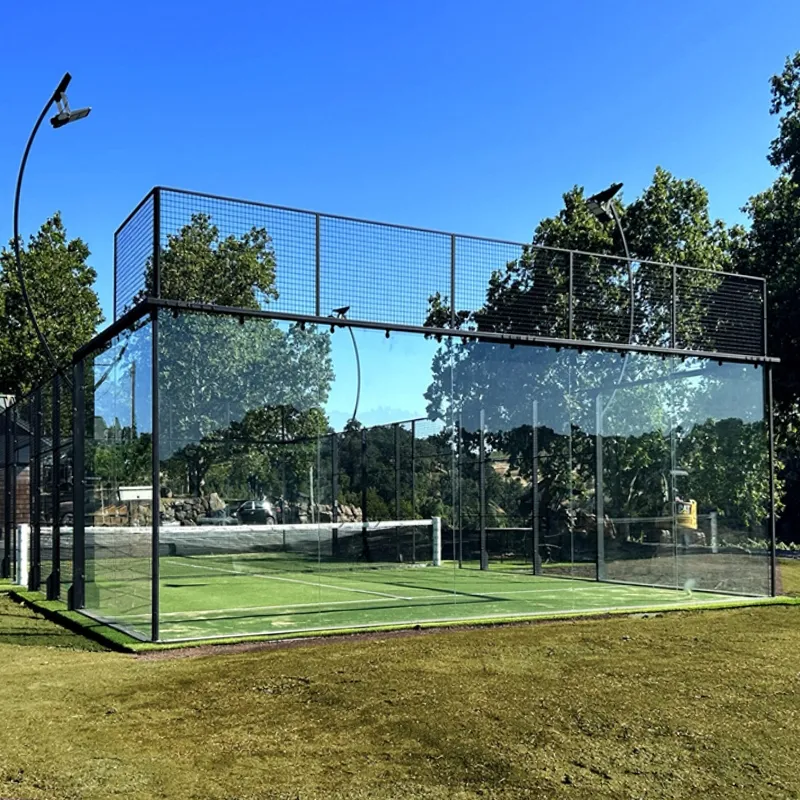
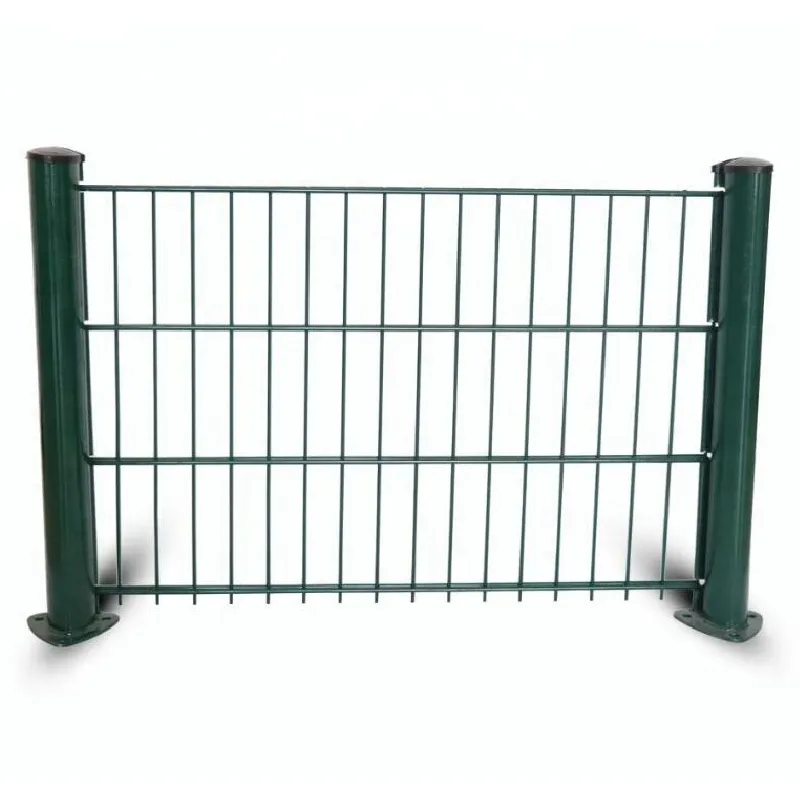
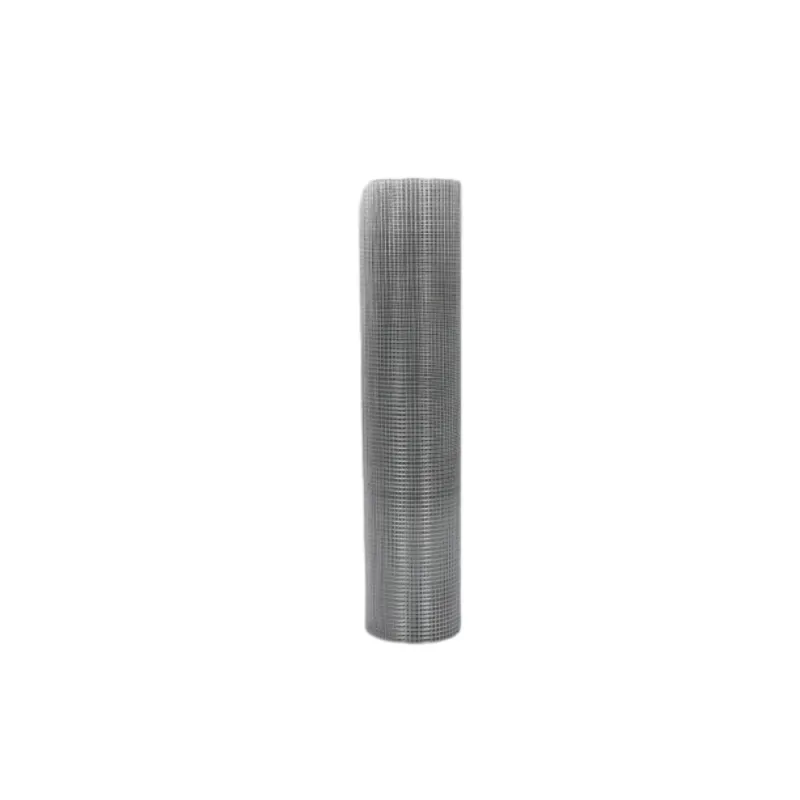
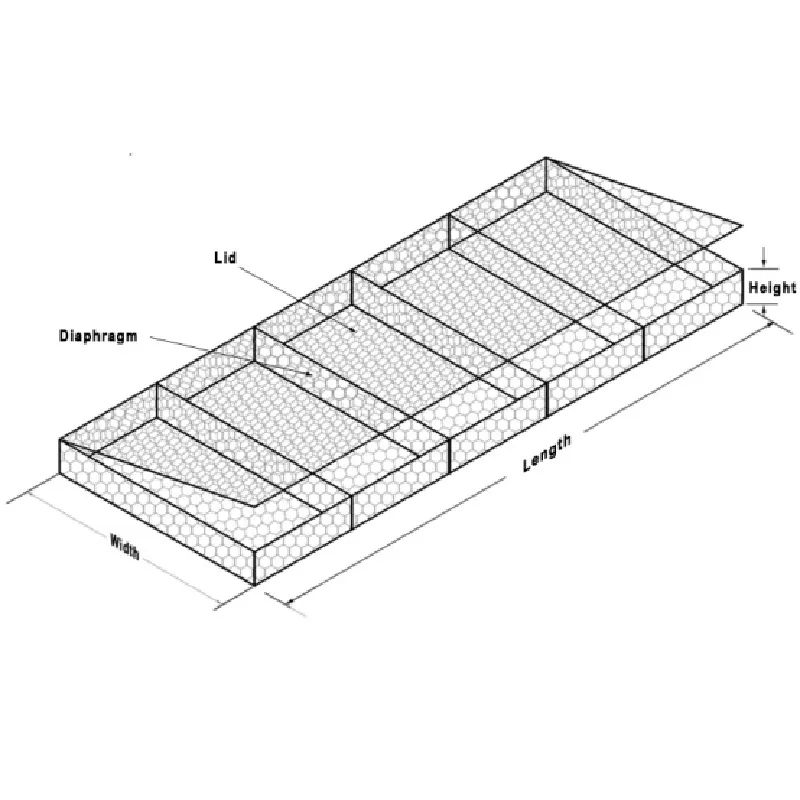
In Iran, the demand for crowd barriers is driven by a combination of large-scale religious gatherings, sports events, and urban security needs. The geographic diversity—from the humid Caspian coast to the arid central plateaus—requires materials that can resist oxidation and extreme thermal expansion.
Local infrastructure often relies on traditional welding techniques, but there is a growing shift toward standardized, interlocking steel barricades. This transition is essential for rapid deployment in cities like Tehran and Mashhad, where time-sensitive crowd control is critical.
The economic environment in Iran encourages the use of long-life cycle products. Consequently, the market is moving away from temporary wooden or plastic solutions toward professional metal crowd control barriers that offer higher ROI through durability and reusable design.