0%

Table of Contents

To be honest, it's been a crazy year. Everyone's talking about prefabrication now, right? Like it’s some new revelation. We’ve been nudging at it for years, but now it's suddenly the thing. Seems like everyone wants to build faster, cheaper… which, okay, fair enough. But a lot of folks forget that ‘fast’ and ‘cheap’ don't mean ‘sloppy.’ I’ve seen too many pre-fab joints start falling apart after just a few months. It's all about the details.

Have you noticed how everyone's chasing higher tensile strength? Like they think that's the magic bullet. It’s good, sure, but it’s not the only thing. Flexibility matters. A wire mesh needs to give a little, otherwise, it just cracks. I encountered this at a factory in Jiangsu last time; they were so proud of their super-strong mesh, but it just snapped under the slightest bending force. A complete waste.

And don’t even get me started on coatings. Everyone wants a shiny, perfect finish. But out on a construction site, that finish is going to be scratched, dented, and covered in mud within five minutes. We're moving toward more durable, textured coatings that can hide a little wear and tear.
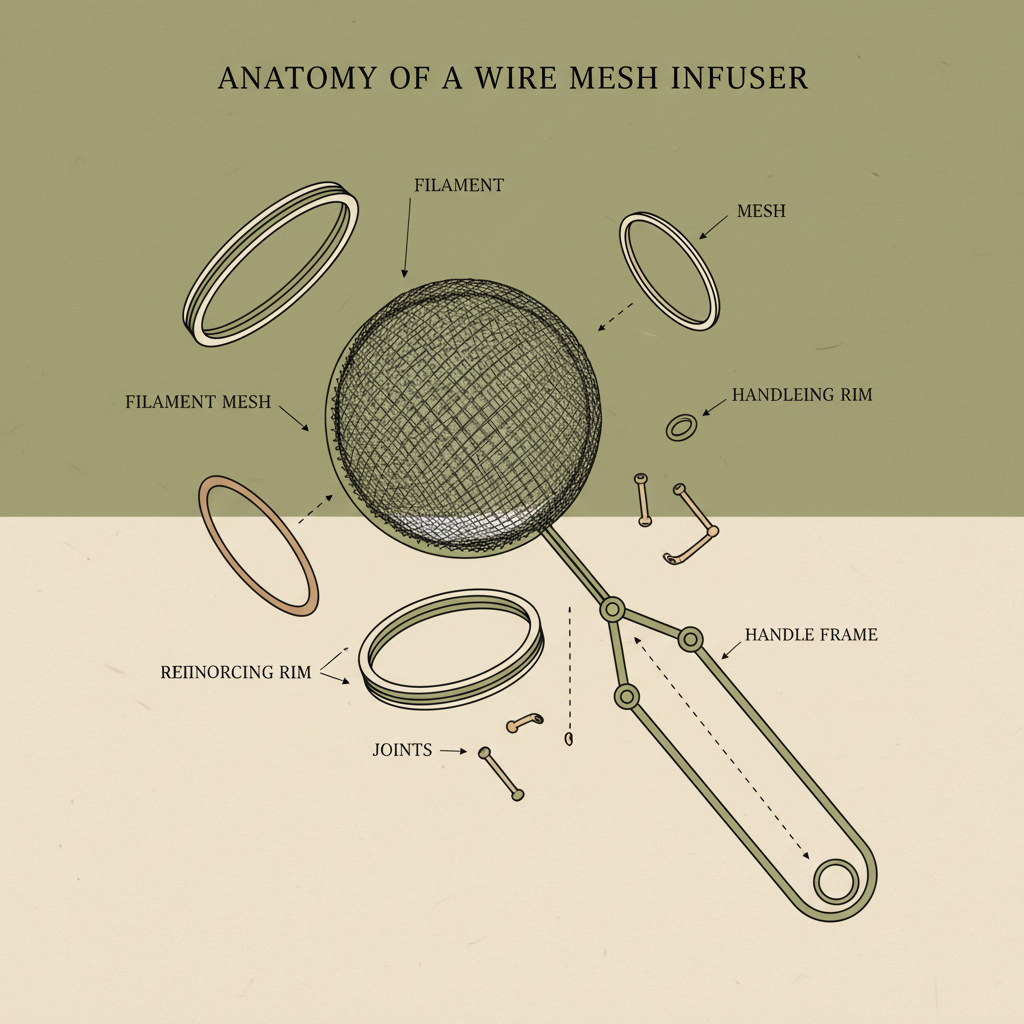
Exploring Wire Mesh China Trends Pitfalls and Real World Applications

Industry Trends and Common Pitfalls

Exploring Wire Mesh China Trends Pitfalls and Real World Applications

Strangely, everyone’s obsessed with automation. Look, robots are cool, sure, but they can't replace a good pair of hands and a critical eye. I’ve seen robots weld up a seam that looked perfect, only for it to fail under the slightest stress. The human element is still crucial. It’s the old story; you’re only as good as your weakest link, and often that’s not the machine, it’s the person programming it or overlooking its limitations.

A really common trap I see is chasing the lowest price. You get what you pay for, period. I’ve seen wire mesh from some suppliers that practically disintegrates in your hands. It feels flimsy, smells… off, honestly. You’re better off spending a little extra for quality materials and a reputable supplier.

Materials: What We're Actually Using

Right now, galvanized steel is still king. It’s affordable, readily available, and provides decent corrosion resistance. But we're seeing more and more demand for stainless steel, especially in coastal areas or projects with harsh chemical exposure. It’s pricier, yeah, but it lasts much longer. I’ve seen stainless steel mesh still looking good after twenty years, while galvanized stuff is already starting to rust.

We’re also experimenting with polymer-coated meshes. These offer excellent corrosion resistance and are lightweight, but they can be brittle. You have to be careful with handling; they scratch easily. The feel of them is... plastic-y, obviously. Not as satisfying as a solid piece of steel.

And then there's fiberglass. Lightweight, non-corrosive... sounds perfect, right? It’s okay for some applications, but it lacks the structural strength of steel. It’s good for things like insect screens or decorative panels, but not for anything load-bearing.

Real-World Testing – Forget the Lab

Lab tests are fine, I guess, but they don’t tell the whole story. I’ve seen wire mesh pass all the lab certifications, then fall apart on site after a week of rain and wind. You need to test it in real conditions. We set up test plots on actual construction sites. We leave the mesh exposed to the elements, we load it up with weight, we even drive forklifts over it (with permission, of course!).

We also get the workers involved. They’re the ones who are handling the material day in and day out, so their feedback is invaluable. They'll tell you what feels right, what doesn't, and what's going to give them trouble. I once had a crew chief tell me a particular mesh was "too pointy" – apparently, it was catching on their gloves. Small detail, but it made a big difference.

Another thing we do is simulated aging. We accelerate the corrosion process by exposing the mesh to salt spray and humidity. It's not perfect, but it gives us a good idea of how it will hold up over time.

How Users Really Use It

This is where things get interesting. You design a product for a specific purpose, but then users find all sorts of other ways to use it. I’ve seen wire mesh used as temporary fencing, as a support for climbing plants, even as a makeshift barbecue grill! (Don’t recommend that last one, by the way.)

What's frustrating is when people try to use it for things it's not designed for. I had a guy try to use some lightweight mesh as a retaining wall. It buckled almost immediately. I tried to explain it to him, but he insisted it "looked strong enough." Anyway, I think he eventually replaced it with concrete.

Wire Mesh China Application Strength Comparison


The Good, The Bad, and The Customizable

The biggest advantage of wire mesh is its versatility. You can cut it, bend it, weld it, shape it to fit almost any application. It’s also relatively inexpensive compared to other materials. The downside? Corrosion, as we’ve talked about. And it can be surprisingly difficult to work with, especially the heavier gauges.

Customization is key. We had a customer last year who needed a mesh with a very specific aperture size for a filtration system. They wanted something that wasn't readily available off-the-shelf. We worked with them to design a custom mesh that met their exact specifications. It took a little longer, and it cost a bit more, but it solved their problem.

A Customer Story: Shenzhen and the Debacle

Last month, that small boss in Shenzhen who makes smart home devices insisted on changing the interface to . He thought it looked “more modern.” He wanted the mesh to fit around this new connector, a very tight fit, mind you. The result? A complete nightmare. The mesh was constantly bending and deforming during installation. It took three iterations and a lot of wasted material before we finally got it right. He learned a valuable lesson: sometimes, sticking with what works is the best option.

He’s a smart guy, but he got caught up in aesthetics instead of functionality. It just shows you, you can have the best design in the world, but if it doesn’t work in the real world, it’s useless.

It took weeks to sort out, and frankly, I still have nightmares about ports.

Summary of Wire Mesh China Testing Parameters

Test Parameter Test Method Acceptance Criteria Typical Results (wire mesh china)
Tensile Strength Universal Testing Machine Minimum 500 MPa 550-620 MPa
Corrosion Resistance Salt Spray Test (240 hours) No visible rust Pass (minimal surface discoloration)
Aperture Size Consistency Microscopic Measurement +/- 0.1 mm +/- 0.05 mm
Bending Flexibility Manual Bend Test No cracking or breaking Pass (slight deformation acceptable)
Weight per Square Meter Precise Weighing Within +/- 2% of specification Pass (typically 1.8 - 2.2 kg/m²)
Surface Finish Quality Visual Inspection No major defects (e.g., holes, scratches) Pass (minor imperfections acceptable)

FAQS

What’s the best wire mesh for reinforcing concrete?

For concrete reinforcement, you generally want welded wire fabric (WWF) or rebar. WWF is lighter and easier to handle for smaller projects, while rebar provides higher tensile strength for larger structural applications. Galvanized or epoxy-coated rebar is crucial in areas with high chloride exposure to prevent corrosion and ensure long-term structural integrity. The choice depends heavily on the load requirements and environmental conditions.

How do I calculate the amount of wire mesh I need for a project?

Calculating the required wire mesh involves determining the surface area to be covered, the mesh spacing (determined by your design requirements and load bearing needs), and accounting for overlaps. You’ll need to measure the length and width of the area, then multiply them to get the area in square feet or meters. Factor in a 5-10% overlap for secure fastening and to avoid gaps. Always consult with a structural engineer for complex projects.

What’s the difference between galvanized and stainless steel wire mesh?

Galvanized steel is coated with zinc to resist corrosion, making it more affordable for general applications. Stainless steel, however, contains chromium, which forms a passive layer protecting it from rust and corrosion, even in harsh environments. Stainless steel is significantly more durable and has a higher cost. Choose stainless steel for marine environments or where prolonged corrosion resistance is crucial.

How do you properly cut wire mesh without it unraveling?

Cutting wire mesh can be tricky. Use bolt cutters or a metal-cutting blade on a circular saw with a slow speed and proper safety gear. To prevent unraveling, make clean cuts and, for heavier gauges, consider bending the cut ends over or securing them with wire ties. Don’t use abrasive cutting wheels, as they can cause the wires to fray and weaken the mesh.

Is there a way to recycle wire mesh?

Yes, absolutely! Scrap metal recyclers will generally accept wire mesh, regardless of whether it's galvanized or stainless steel. The metal can be melted down and reused. Proper disposal through recycling is crucial for environmental sustainability. Check with your local recycling center for specific guidelines and drop-off locations.

What are the common applications of wire mesh in landscaping?

Wire mesh is widely used in landscaping for erosion control, retaining walls, tree guards, and creating raised garden beds. It can also be used to reinforce concrete pathways or patios. For erosion control, it's often laid over slopes and covered with soil and vegetation. Choosing the right mesh gauge and aperture size is important depending on the application and the type of soil.

Conclusion

Ultimately, the value of wire mesh china comes down to its balance of strength, versatility, and cost-effectiveness. It's a fundamental material in construction and a whole lot of other industries, and the key is understanding its limitations as much as its advantages. We’ve seen a lot of trends come and go – prefabrication, automation, new materials – but the core principles of good design and sound construction remain the same.

I think we’ll see a continued push for more sustainable materials and manufacturing processes in the coming years. And hopefully, people will start prioritizing quality over price. Because, at the end of the day, whether this thing works or not, the worker will know the moment he tightens the screw.

Caleb Thompson

Caleb Thompson

Caleb Thompson serves as the Technical Support Specialist for Hebei Dunqiang Hardware Mesh Co., Ltd. With a background in materials science and engineering, Caleb is a key resource for clients requiring specialized product information and guidance. He’s adept at interpreting technical drawings and providing solutions tailored to unique project needs,
Previous Navigating Wire Mesh Suppliers and Construction Challenges