In Yemen, the demand for reliable crowd barriers is driven by a combination of urgent humanitarian aid distribution and the need for secure perimeter control in volatile urban centers. The geographical landscape, ranging from coastal plains to rugged highlands, necessitates equipment that can be transported easily yet withstand extreme physical pressure.
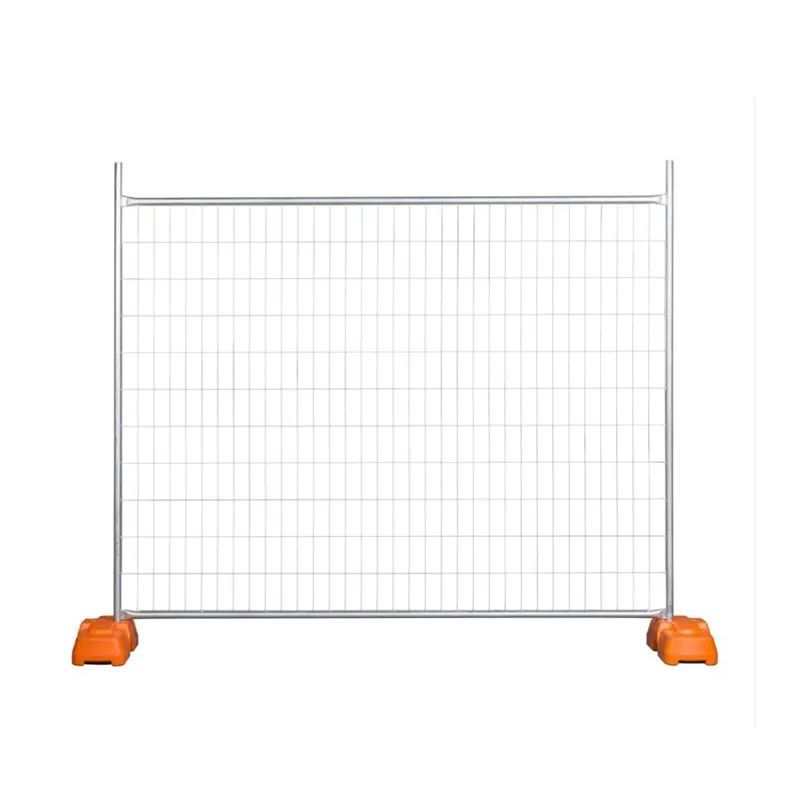
Environmental factors play a critical role; the high salinity in coastal cities like Aden accelerates the oxidation of standard metals. Consequently, there is a significant shift toward galvanized metal barricades that offer superior corrosion resistance compared to traditional painted steel, ensuring a longer lifecycle despite the harsh climate.
Currently, the market is transitioning from improvised local fencing to standardized crowd control barricades. This evolution is fueled by the requirement for international safety standards in NGO-managed zones and government checkpoints, where stability and interlocking mechanisms are non-negotiable for public safety.