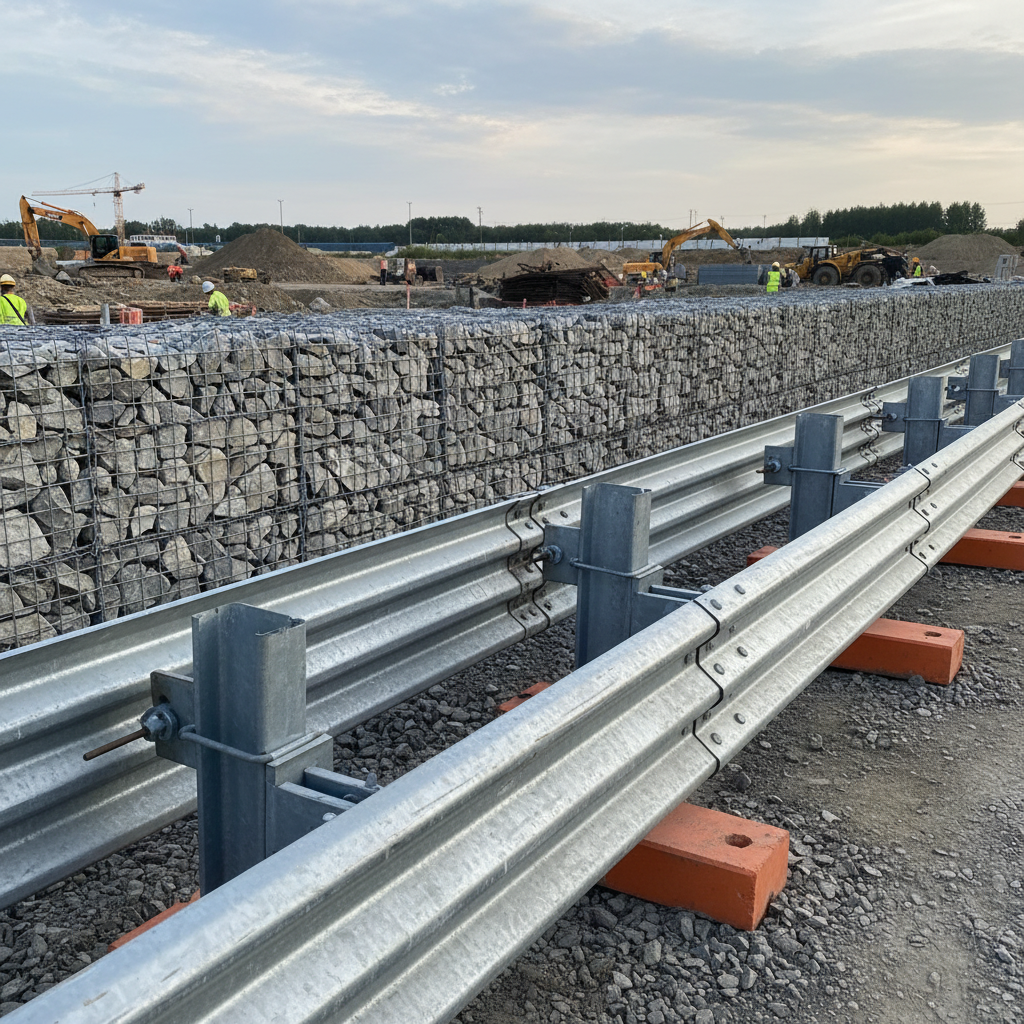
In the high-stakes environment of modern urban development, securing a job site is not merely a regulatory requirement but a fundamental pillar of safety and liability management. temporary construction fence panels provide a versatile and rapid solution for delineating hazardous areas, preventing unauthorized access, and protecting the general public from construction-related risks. As cities grow denser, the need for modular, high-visibility barriers has become essential for maintaining order and professionalism on-site.
Beyond simple security, these systems offer significant logistical advantages by allowing site managers to adapt the perimeter as the project evolves. Whether it is a small residential renovation or a massive industrial complex, the scalability of modular fencing ensures that every square inch of the site is accounted for. The ability to deploy these panels quickly reduces downtime and allows the primary construction work to commence without the delays associated with permanent installations.
Understanding the nuances of material selection, wind loading, and installation efficiency is key to optimizing the cost-effectiveness of a project. By investing in high-quality temporary construction fence panels, companies can reduce long-term replacement costs and ensure compliance with international safety standards such as ISO and OSHA. This guide explores the comprehensive utility and future trajectory of temporary fencing in the global construction landscape.
Global Relevance of Temporary Construction Fence Panels
The global construction market has seen an unprecedented surge in infrastructure projects, particularly in emerging economies. According to World Bank data, urban migration is driving a massive need for rapid housing and commercial hubs, which in turn increases the demand for temporary construction fence panels. These systems are critical in mitigating the "chaos" of a construction site, ensuring that pedestrian traffic and heavy machinery operate in separate, safe zones.
In many developed regions, strict municipal codes require an airtight security perimeter to prevent illegal trespassing and theft of high-value machinery. The challenge lies in balancing the need for high security with the requirement for rapid assembly and disassembly. This is where modular panels excel, offering a standardized solution that meets ISO safety guidelines while remaining agile enough to be moved as the site footprint changes.
Defining Modular Security Systems
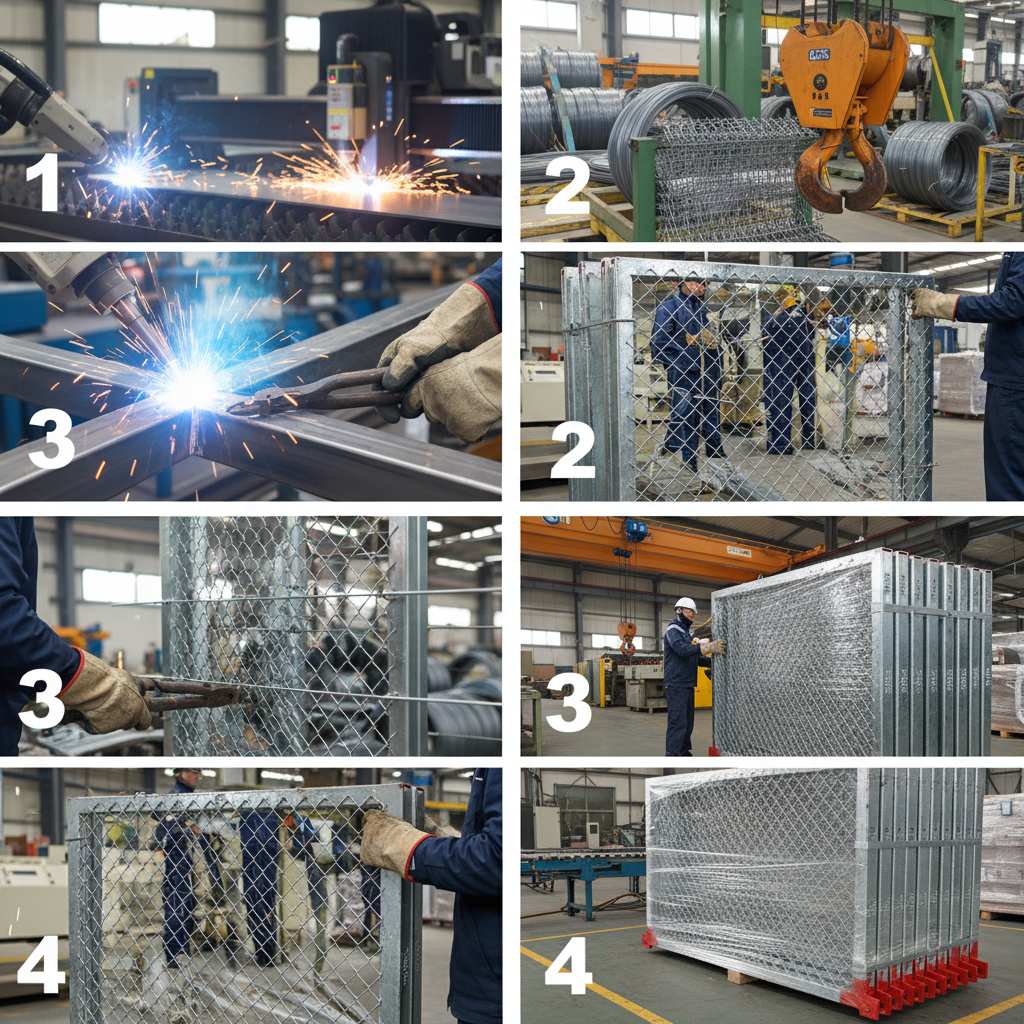
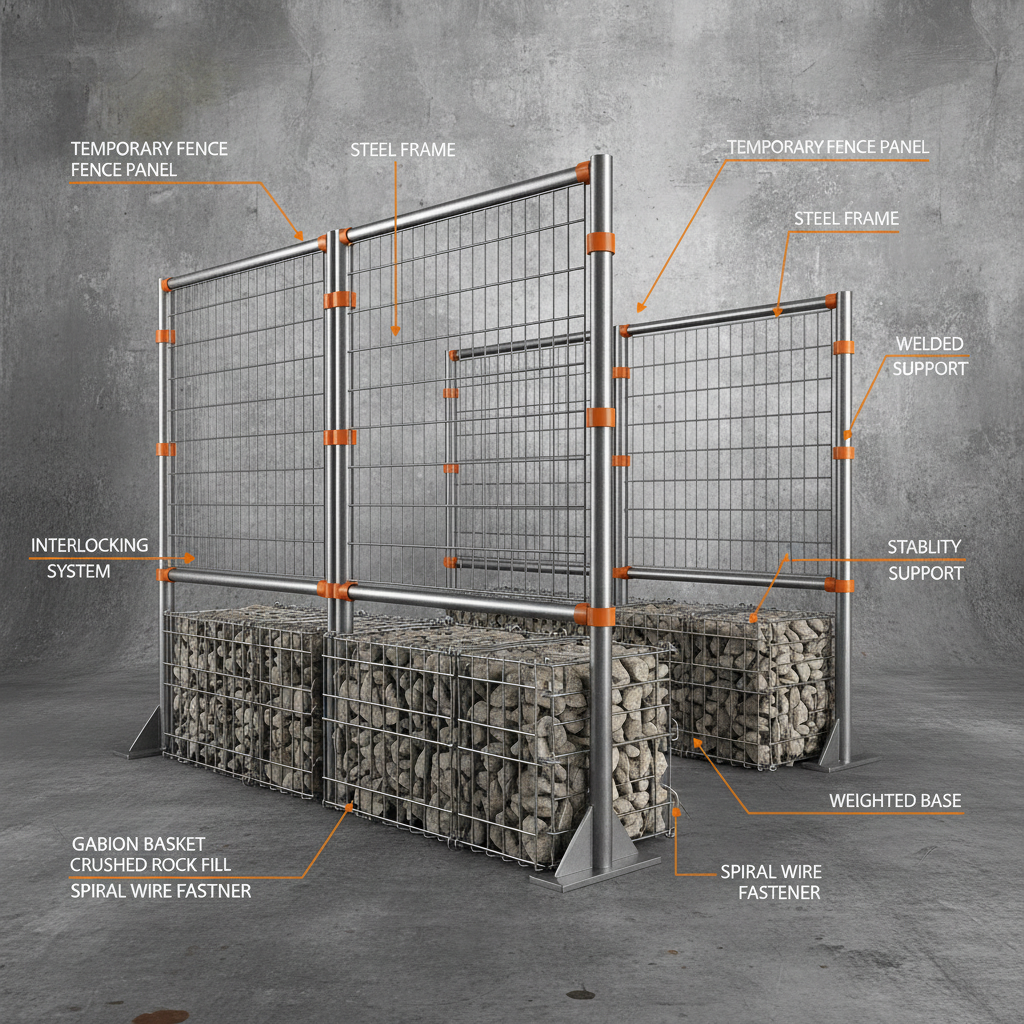
At its core, temporary construction fence panels are prefabricated barriers designed for short-to-medium term installation. Unlike permanent boundary walls, these panels are engineered for portability and reuse. They typically consist of a galvanized steel frame filled with welded wire mesh, supported by weighted bases or stakes that allow the system to stand independently without the need for permanent concrete footings.
This modular approach connects directly to the broader industry trend of "lean construction," where the goal is to minimize waste and maximize efficiency. By utilizing a system that can be rented, returned, or relocated, contractors significantly reduce the amount of debris generated at the end of a project. This shift toward reusable hardware reflects a global move toward a circular economy in the building sector.
Furthermore, these panels serve a vital humanitarian and safety role. In post-disaster reconstruction zones, these barriers are often the first line of defense in creating organized camps or securing unstable ruins to prevent civilians from entering dangerous zones. Thus, they are not just tools for profit-driven projects but essential assets for public safety and emergency management.
Core Components for Maximum Stability
The efficacy of temporary construction fence panels depends heavily on the quality of the galvanized coating. Zinc-coating prevents oxidation and corrosion, which is critical when panels are exposed to rain, humidity, and salty coastal air for months on end. Without high-grade galvanization, the structural integrity of the mesh would degrade, leading to safety breaches.
Stability is further enhanced by the integration of specialized clamps and footings. Whether utilizing concrete blocks for hard surfaces or steel spikes for soil, the connection points must be rigid enough to withstand wind loads but flexible enough for rapid adjustment. This adaptability is what allows the panels to maintain a secure perimeter even on uneven terrain.
Finally, the mesh gauge and aperture size are calibrated to prevent intrusion while maintaining visibility. By choosing the right wire thickness, site managers can ensure that the temporary construction fence panels are virtually impossible to cut or bend without heavy tools, providing a psychological and physical deterrent to trespassers.
Performance Metrics in Field Applications
Evaluating the success of a perimeter strategy involves analyzing several key performance indicators (KPIs). From the speed of installation to the wind resistance rating, different types of temporary construction fence panels perform differently depending on the environment. For instance, wind-screened panels offer privacy but increase the "sail effect," requiring heavier bases to prevent overturning.
When comparing various modular systems, the trade-off between weight and stability is the most critical factor. A lighter panel is easier to transport and install but may lack the rigidity needed for high-security zones. Conversely, heavy-duty panels provide maximum security but increase the logistics cost and labor time.
Comparative Efficiency of Temporary Construction Fence Panels Types
Global Use Cases and Regional Adaptations
In the dense urban centers of Tokyo or New York, temporary construction fence panels are often integrated with acoustic barriers to reduce noise pollution for surrounding residents. These specialized configurations demonstrate how a simple security tool can be adapted to meet strict environmental regulations and social responsibilities in mega-cities.
In contrast, in remote industrial zones like the mining regions of Australia or Canada, the focus shifts toward durability and anti-wildlife capabilities. Panels in these areas are often reinforced to withstand extreme temperature fluctuations and are designed for rapid deployment via heavy machinery, ensuring that the perimeter is secure before the primary workforce arrives.
Long-Term Value and Sustainable Benefits
The transition from disposable timber hoarding to reusable temporary construction fence panels represents a major win for sustainability. Timber fences are often discarded after a single project, contributing to landfill waste. In contrast, galvanized steel panels can be used across dozens of projects over a decade, drastically reducing the carbon footprint per square meter of secured area.
Logically, the cost-benefit analysis favors modular systems. While the initial procurement cost may be higher than basic wood, the elimination of disposal fees and the reduction in labor hours for installation lead to a lower Total Cost of Ownership (TCO). For large-scale contractors, this reliability translates into predictable budgeting and fewer insurance claims related to site incursions.
Beyond the financial aspect, there is an emotional value in providing a clean, professional-looking site. A well-secured perimeter with high-quality panels signals to the client and the community that the project is being managed with precision and care. This builds trust and enhances the reputation of the construction firm.
Future Innovations in Perimeter Security
The future of temporary construction fence panels is moving toward "Smart Perimeters." We are seeing the integration of IoT sensors and AI-driven cameras directly into the fence frames. These systems can alert site managers in real-time via mobile apps if a panel is breached or if unauthorized movement is detected, transforming a passive barrier into an active security system.
Material science is also evolving, with the introduction of lightweight, high-strength alloys and recycled polymers that offer the same strength as steel but at a fraction of the weight. This will further reduce transport emissions and make manual installation even faster. Additionally, the use of eco-friendly, powder-coated finishes is replacing traditional chemical treatments to minimize environmental runoff.
Automation is the final frontier, with prototype robotic systems being developed to deploy and retrieve fencing panels without human intervention. As these technologies mature, the speed of site setup will increase exponentially, allowing projects to transition from planning to execution with unprecedented agility.
Comprehensive Analysis of Temporary Construction Fence Panel Specifications
| Panel Type |
Security Level (1-10) |
Ease of Deployment |
Expected Lifespan |
| Standard Galvanized |
7 |
Very High |
5-8 Years |
| Anti-Climb Mesh |
9 |
Medium |
8-12 Years |
| Privacy-Screened |
6 |
High |
3-5 Years |
| Heavy-Duty Industrial |
10 |
Low |
15+ Years |
| Aluminum Alloy |
5 |
Ultra High |
10-15 Years |
| Hybrid Polymer |
6 |
High |
5-7 Years |
FAQS
While permanent fencing has a higher initial cost and requires concrete installation, temporary panels are designed for rental or multi-project reuse. In the short term, temporary panels are significantly cheaper and faster to deploy. However, for long-term boundaries (over 5 years), permanent fencing becomes more economical as it eliminates rental fees and periodic maintenance of temporary supports.
Yes, provided the correct support system is used. For high-wind zones, we recommend using weighted concrete bases combined with wind-braces. It is important to avoid using solid privacy screens in gale-prone areas unless they are perforated, as solid screens act like sails and can pull the fence over. Always consult a load-bearing chart based on your regional wind speeds.
The most efficient method is utilizing a modular "clamp-and-go" system. By pre-assembling the panels and using a small team with a flatbed truck, you can secure hundreds of linear feet in a single day. Using specialized stakes for soft ground and pre-cast blocks for asphalt ensures that the installation process remains consistent and rapid.
Absolutely. Modern panels are made from recyclable galvanized steel. Because they are modular and reusable, they replace the need for single-use timber hoarding which often ends up in landfills. By choosing a supplier that offers a buy-back or rental program, contractors can almost entirely eliminate the waste associated with site perimeter security.
Theft of equipment is a common challenge. To prevent this, we recommend using anti-theft clamps that require specialized tools to unlock. Additionally, integrating basic motion-sensor lighting or CCTV at the main entry points serves as a strong deterrent. Marking your panels with unique company identifiers also makes them harder to resell on the secondary market.
Maintenance is minimal due to the galvanized coating. However, monthly inspections are recommended to ensure that clamps have not loosened due to ground shifting or wind vibrations. If panels are scratched or dented, a quick application of cold-galvanizing spray can prevent rust from forming in those specific areas, extending the life of the equipment.
Conclusion
In summary, temporary construction fence panels are an indispensable asset for the modern construction industry, bridging the gap between operational speed and rigorous safety standards. From the use of high-grade galvanized steel to the implementation of smart IoT monitoring, these systems have evolved from simple barriers into sophisticated tools for risk management and site optimization. By prioritizing durability, scalability, and environmental sustainability, contractors can ensure a secure workspace while minimizing their overall project costs.
Looking ahead, the integration of sustainable materials and automated deployment will continue to redefine the standards of perimeter security. We encourage project managers and developers to move away from obsolete, disposable barriers and embrace modular, reusable systems that protect both people and the planet. For those seeking the highest standard in site security and durability, we invite you to explore our professional solutions. Visit our website: www.dqfences.com