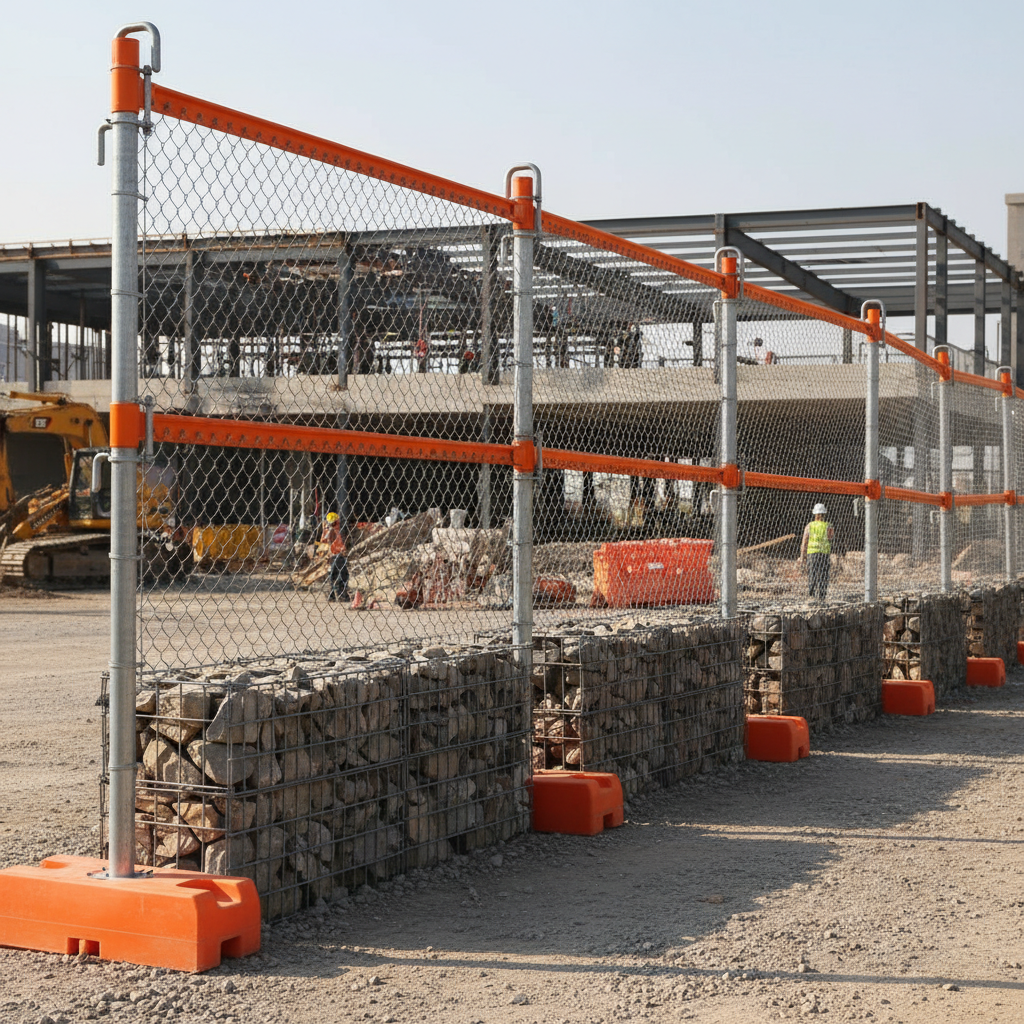
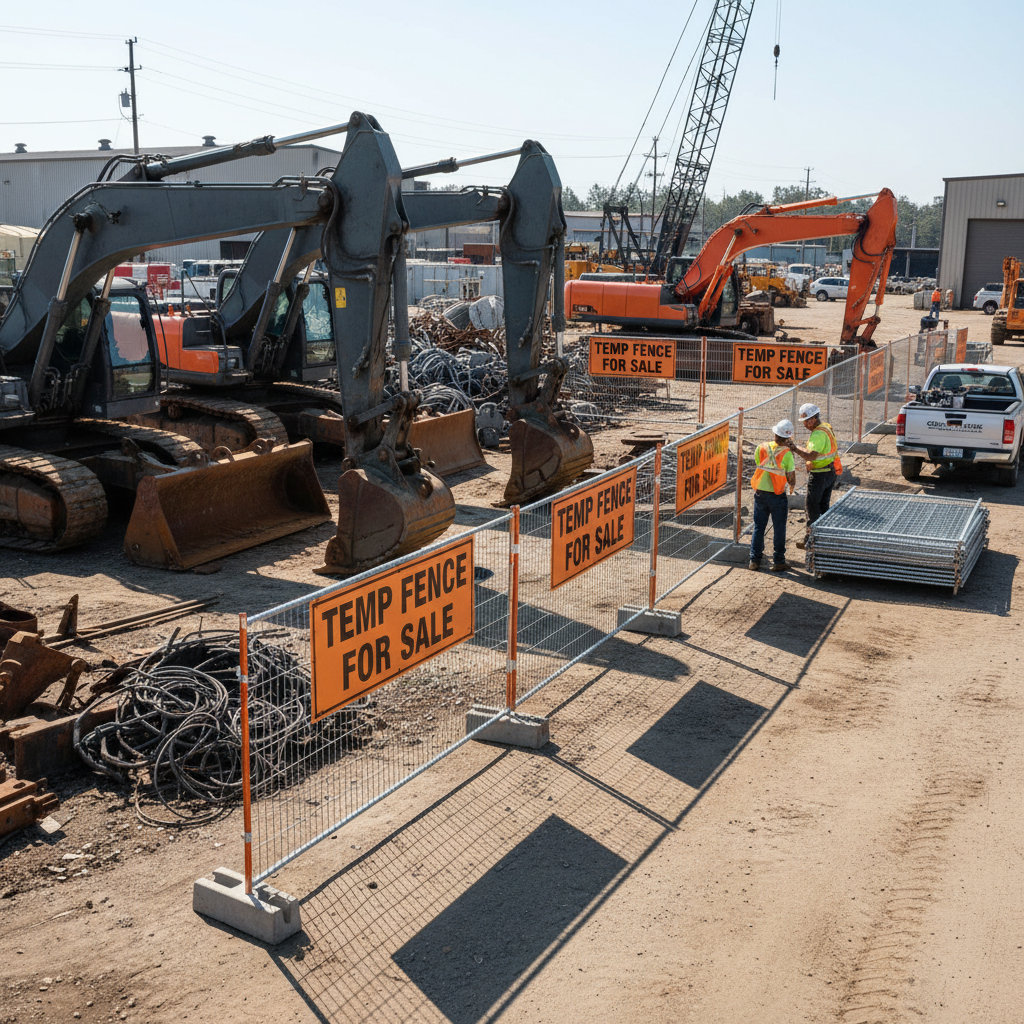
In the fast-paced environment of modern construction and event management, temporary fencing panels have become an indispensable tool for ensuring site security and public safety. These modular systems provide a rapid-response solution to perimeter control, allowing project managers to delineate boundaries and restrict unauthorized access without the permanence or cost of traditional masonry walls.
Beyond simple security, the strategic deployment of these panels plays a critical role in regulatory compliance and liability reduction. By utilizing high-quality galvanized steel and intuitive interlocking mechanisms, industry professionals can mitigate risks associated with site accidents and trespassing, ensuring that work zones remain sterile and safe for both personnel and the general public.
Understanding the nuances of material grade, wind-loading capacity, and deployment speed is essential for maximizing the ROI of your perimeter strategy. As global infrastructure projects scale in complexity, the demand for versatile, durable, and recyclable temporary fencing panels continues to grow, driving innovation in modular design and sustainable manufacturing.
Global Industry Context of Temporary Fencing Panels
On a global scale, the construction and event sectors have seen a paradigm shift toward modularity. With urban expansion accelerating in regions like Asia-Pacific and North America, the need for rapid-deploy temporary fencing panels has surged to meet ISO safety standards and local municipal codes.
The primary challenge facing the industry is the balance between rapid deployment and structural integrity. In high-wind coastal areas or densely populated city centers, standard panels often fail, leading to safety breaches. This has pushed manufacturers to innovate with heavier gauge steel and reinforced footings to ensure stability under extreme environmental pressure.
Defining the Technical Scope of Temporary Fencing
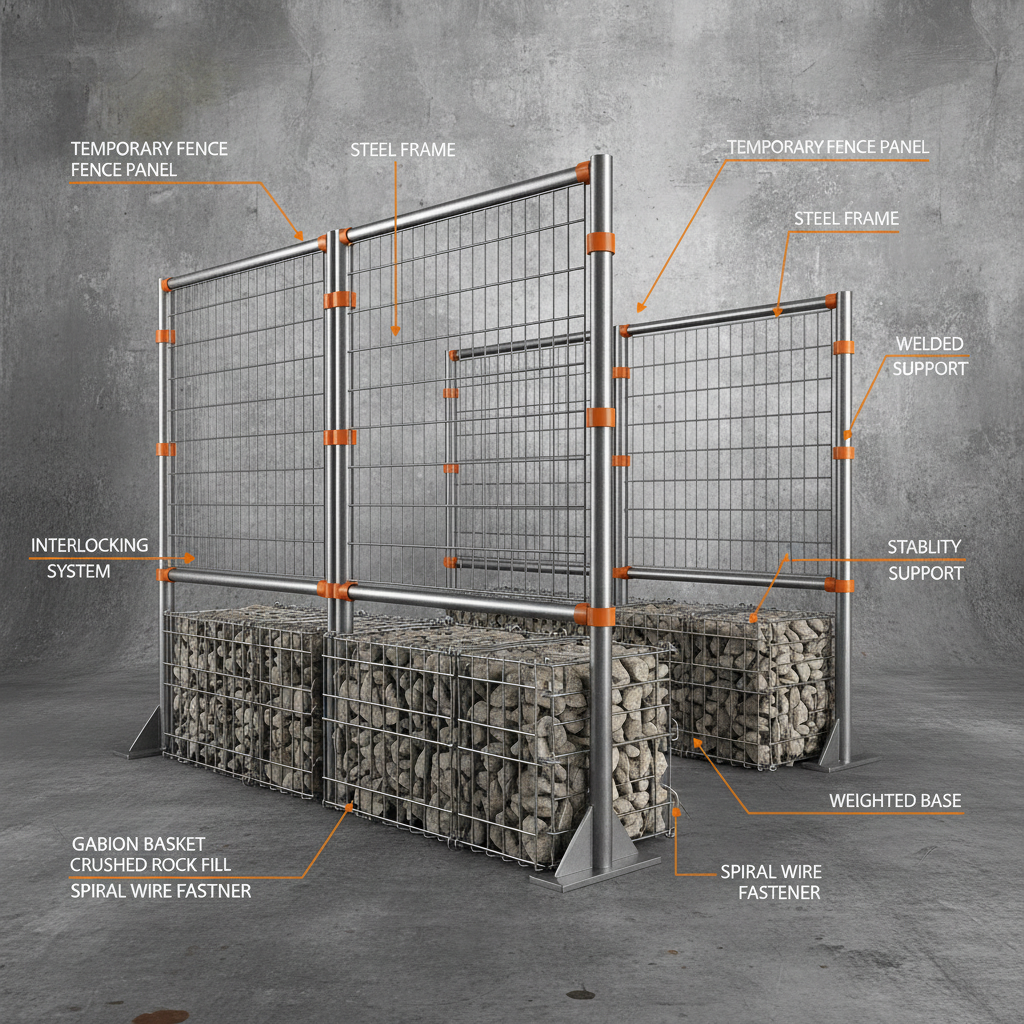
At its core, temporary fencing panels are prefabricated barriers designed for short-to-medium term installation. Unlike permanent fences, these systems utilize a "clamp-and-go" architecture, consisting of vertical pickets welded to a horizontal frame, supported by detachable base plates or spikes.
Technically, these panels are engineered to be lightweight enough for manual handling yet rigid enough to deter intrusion. The integration of hot-dip galvanization ensures that the steel resists oxidation, making them suitable for various climates, from humid tropical zones to freezing northern latitudes.
In the context of modern humanitarian and industrial needs, these systems serve as critical infrastructure for disaster relief zones, crowd control at massive sporting events, and secure perimeters for sensitive utility repairs. Their ability to be disassembled and reused makes them a cornerstone of the circular economy in the building trade.
Core Components for Maximum Durability
The effectiveness of temporary fencing panels depends heavily on the quality of the raw materials. High-tensile steel wire and reinforced tubular framing provide the necessary structural rigidity to prevent sagging over long spans, ensuring a professional and secure appearance.
Scalability is achieved through the use of standardized coupling clamps. These connectors allow panels to be joined seamlessly, creating a continuous wall that can adapt to irregular site shapes. When combined with weighted rubber bases, the system provides exceptional stability without the need for invasive ground drilling.
Cost efficiency is realized not just in the initial purchase, but in the lifecycle of the product. Because the panels are modular and resistant to corrosion, they can be deployed across dozens of different projects over several years, drastically lowering the per-project overhead for construction firms.
Performance Metrics and Cost Efficiency
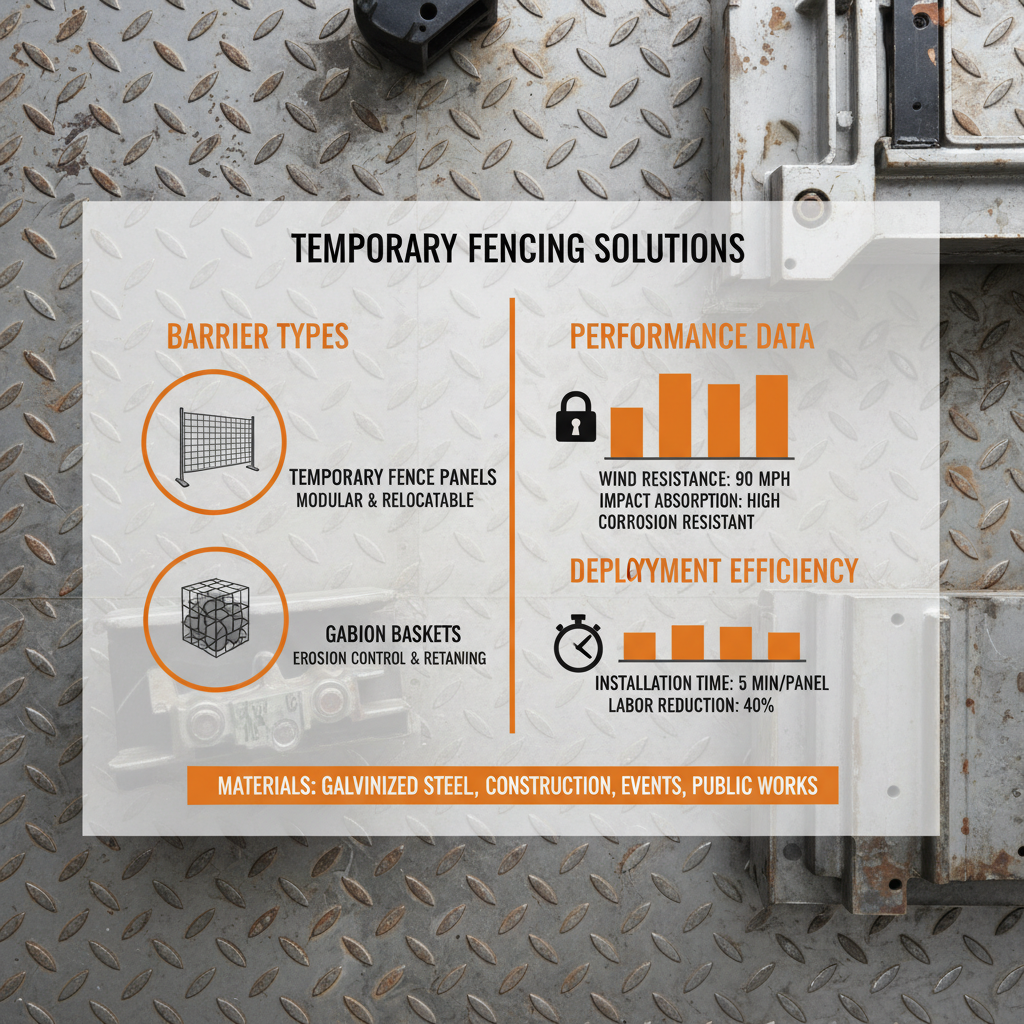
When evaluating temporary fencing panels, project managers often look at the "deployment-to-stability" ratio. A high-performance panel must be installable in minutes by a small crew while maintaining its verticality against wind loads. This balance is critical for reducing labor costs and minimizing site downtime.
Furthermore, the logistical cost of transporting these panels is a key consideration. Optimized nesting designs allow more panels to fit into a single shipping container, reducing freight expenses and the overall carbon footprint of the project logistics chain.
Comparative Efficiency of Temporary Fencing Panel Types
Global Applications and Real-World Use Cases
In urban redevelopment projects across Europe and North America, temporary fencing panels are used to create safe pedestrian corridors. By separating active construction zones from public sidewalks, these panels prevent accidents and ensure that city commerce continues uninterrupted during major infrastructure upgrades.
In more remote or industrial contexts, such as mining sites in Australia or oil rigs in the Middle East, these fences serve as the first line of defense for asset protection. They are often integrated with privacy screening or wind-break fabric to protect sensitive equipment from dust and unauthorized surveillance.
Long-Term Value and Sustainability Benefits
The shift toward sustainable procurement has highlighted the long-term value of high-grade temporary fencing panels. Unlike disposable plastic barriers, steel panels are 100% recyclable at the end of their lifespan, aligning with global LEED certification and green building initiatives.
Beyond environmental impact, there is a profound emotional and logical value in the "peace of mind" provided by a secure perimeter. For site managers, knowing that a robust physical barrier is in place reduces the stress of security breaches and creates a professional image of trust and reliability for the client.
Moreover, the versatility of these panels allows them to transition from construction use to livestock management or temporary event zoning. This multi-purpose utility maximizes the asset's value over time, transforming a simple expense into a long-term operational tool.
Future Trends in Modular Perimeter Security
The future of temporary fencing panels is leaning heavily toward "smart" integration. We are seeing the emergence of panels with integrated IoT sensors that can detect vibrations or breach attempts, sending real-time alerts to security personnel via mobile apps.
Material science is also evolving, with the introduction of lightweight, ultra-high-strength alloys and advanced powder coatings that offer superior UV resistance and antimicrobial properties. These innovations will allow for even faster deployment without sacrificing the strength required for high-security zones.
Additionally, the integration of green energy—such as solar-powered lighting strips attached to the top rail—will enhance visibility and safety in nighttime operations, reducing the need for external generator-powered floodlights.
Technical Analysis and Comparison of Modern Temporary Fencing Solutions
|
Panel Material
|
Installation Speed
|
Durability Score (1-10)
|
Primary Use Case
|
| Hot-Dip Galvanized |
Fast |
9 |
Construction Sites |
| PVC Coated Steel |
Medium |
8 |
Public Events |
| Powder Coated |
Fast |
7 |
Commercial Branding |
| Heavy Gauge Alloy |
Slow |
10 |
Industrial Security |
| Lightweight Mesh |
Very Fast |
6 |
Crowd Control |
| Reinforced Hybrid |
Medium |
9 |
Hazardous Zones |
FAQS
For high-wind environments, we recommend panels with a heavier gauge steel frame and the addition of wind-bracing struts. Avoid using solid privacy screens as they act like sails; instead, use perforated wind-break fabrics that allow air to pass through while maintaining security. Additionally, ensure you use weighted rubber bases or concrete blocks for extra grounding.
Yes, significantly. While wooden hoarding may offer more privacy, it is labor-intensive to build and cannot be reused easily. Temporary fencing panels are designed for rapid assembly and disassembly, meaning labor costs are lower and the material can be moved from site to site for years, offering a much lower total cost of ownership.
Most high-quality galvanized panels are designed for temporary use but can remain in place for several years without significant degradation. However, for installations exceeding 24 months, we suggest periodic inspections of the clamps and base plates to ensure structural integrity remains intact against weather exposure.
Yes, standard heights typically range from 1.8m to 2.4m, but custom heights can be manufactured to meet specific site requirements or local regulations. Customization can also include the addition of anti-climb mesh or top-rail extensions for enhanced security in sensitive areas.
The most efficient method is utilizing "nested" loading. Because of their flat profile, temporary fencing panels can be stacked tightly in standard shipping containers or on flatbed trucks. We recommend using specialized pallets to prevent scratching the galvanization during transit.
Absolutely. Steel is one of the most recycled materials on Earth. Unlike plastic barriers or timber, these panels are fully recyclable at the end of their life. Furthermore, their reusable nature means fewer resources are consumed over the lifespan of multiple construction projects.
Conclusion
In summary, temporary fencing panels represent a critical intersection of efficiency, safety, and sustainability. By providing a rapid-deploy solution that protects both assets and people, these modular systems allow industries to manage risk without sacrificing operational speed. From the selection of galvanized steel to the integration of smart sensors, the evolution of these panels continues to support the growing demands of global infrastructure.
As we look toward the future, the integration of sustainable materials and IoT technology will likely make perimeter security more intuitive and environmentally friendly. For any project manager or site owner, investing in high-quality, durable panels is not just a security decision, but a strategic investment in the overall success and professionalism of the site. Visit our website for more professional solutions: www.dqfences.com